NeoFipronis (Pronidesivir) Precautions and Contraindications Guide
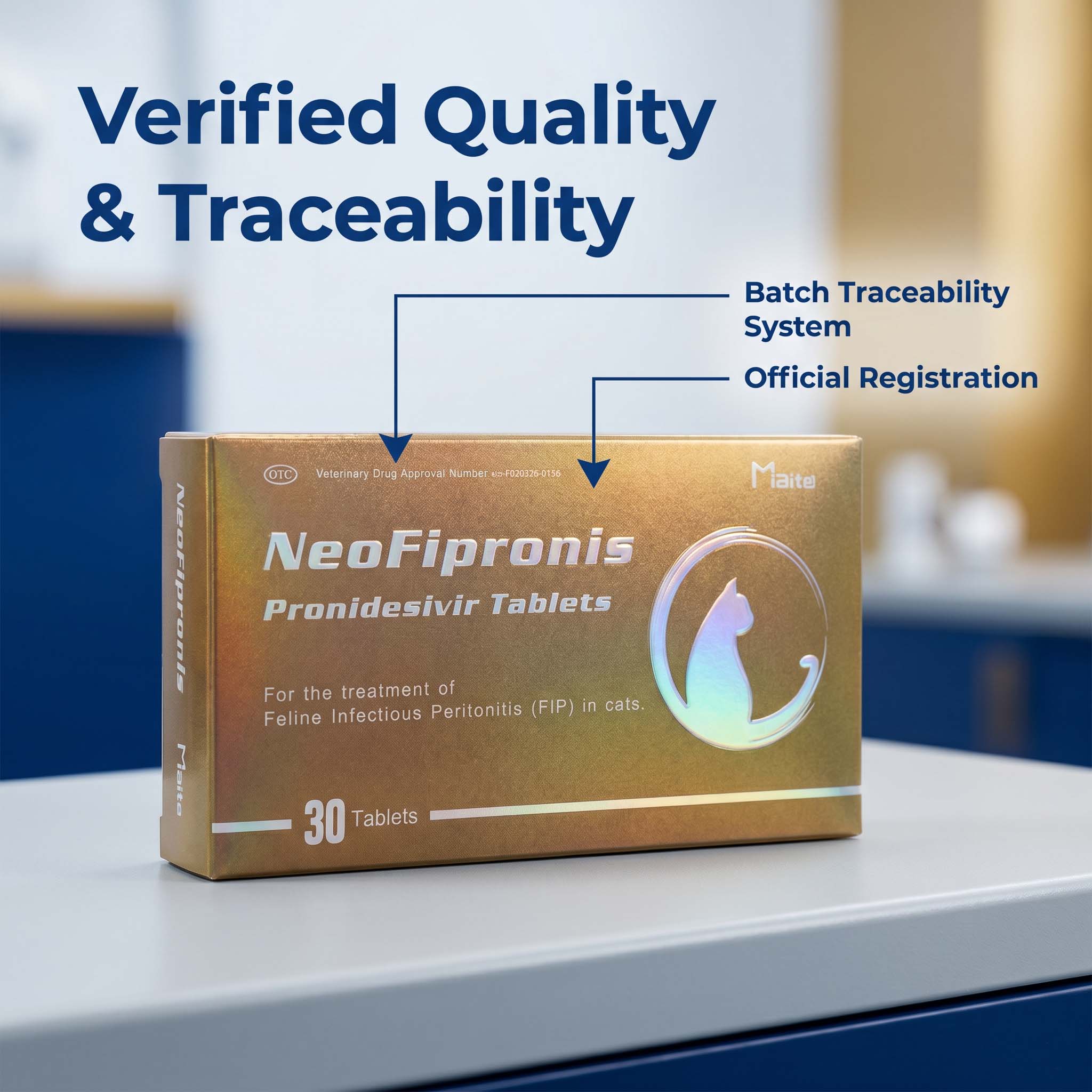
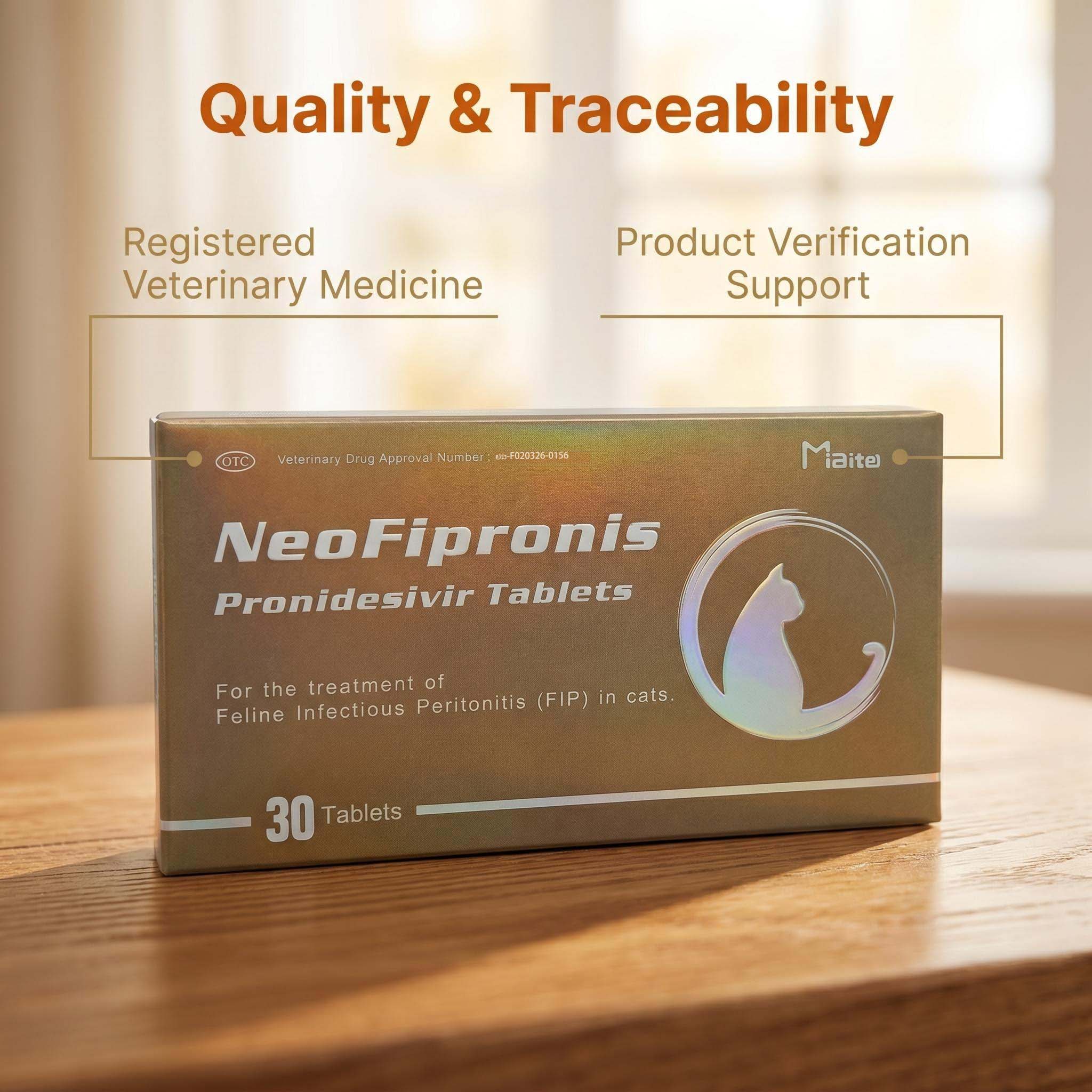
NeoFipronis (Pronidesivir), containing the active ingredient GS-441524, is used for cats affected by feline infectious peritonitis (FIP), including cases with appetite loss, lethargy, fever, abdominal fluid, pleural effusion, enlarged lymph nodes, inflammatory granulomas, neurologic signs, and uveitis. As an oral FIP treatment, it is valued for convenient dosing, rapid absorption, good tolerability, and a generally favorable safety profile. Even so, successful FIP management depends on correct dosing, consistent administration, and careful monitoring throughout the treatment course.
How NeoFipronis (Pronidesivir) Is Used in FIP Cats
The standard dosage is typically based on body weight at 15 mg per kilogram once daily, which is often described as half a tablet per kilogram, depending on tablet strength and product instructions. For neurologic or ocular FIP, veterinarians may recommend an increased dose of up to 30 mg per kilogram daily. Because these forms of FIP can be harder to treat, veterinary guidance is especially important. NeoFipronis is usually given on an empty stomach, ideally one hour before feeding or two hours after meals, to support absorption and consistent blood levels.
Important Precautions During Treatment
Cats receiving NeoFipronis should complete treatment without interruption, and therapy should continue for no less than 12 weeks unless a veterinarian advises otherwise. Missing doses may reduce antiviral effect and increase the risk of relapse. Owners should watch for changes in appetite, body temperature, energy level, breathing, and comfort, especially during the first weeks of therapy. Regular blood tests are recommended to monitor liver and kidney function, along with overall treatment response. If vomiting, diarrhea, marked weakness, jaundice, or worsening neurologic signs appear, veterinary reassessment should happen promptly.
Contraindications and When Extra Caution Is Needed
NeoFipronis is intended for cats only and must never be used in people. It should not be given to any cat with a known hypersensitivity to GS-441524 or to other ingredients in the formulation. Extra caution is recommended in cats with severe liver disease, kidney disease, dehydration, or significant underlying illness, because these conditions may affect treatment tolerance and monitoring needs. Kittens, pregnant cats, and nursing cats should only receive the medication under direct veterinary supervision, since safety decisions in these situations should be individualized. It is also wise to avoid combining treatment with other medicines or supplements unless a veterinarian confirms compatibility.
Safety, Monitoring, and Product Quality
Although NeoFipronis is described as an over-the-counter FIP medication, veterinary supervision remains the best practice for dose selection, symptom tracking, and lab monitoring. Owners should purchase only through the official NeoFipronis website or approved channels to help ensure product authenticity, quality, and correct storage. Because FIP can progress quickly, early treatment, accurate dosing, and strict adherence to the schedule can make a major difference in outcomes. Consistent follow-up visits help confirm that the cat is responding well and that any treatment adjustments are made at the right time.
Key Points for Cat Owners
NeoFipronis (Pronidesivir) offers a practical oral option for cats with FIP, especially when used with proper precautions and close observation. The medication should be used only in cats, given at the correct weight-based dose, and continued for the full recommended course. For wet FIP, dry FIP, neurologic FIP, and ocular FIP, careful veterinary monitoring improves safety and supports the best possible treatment response.