How to Properly Quarantine a New Cat to Prevent FIP
Bringing a new cat into your home is an exciting experience, but it also comes with a responsibility to keep your existing pets healthy. Feline Infectious Peritonitis (FIP) is a feared disease among cat owners and veterinarians, primarily caused by a mutation of feline coronavirus (FCoV). While most cats exposed to FCoV remain healthy, some develop FIP, which is almost always fatal. Thorough quarantine practices play a crucial role in minimizing the risk of disease transmission, especially in multi-cat households or rescues. This article serves as a comprehensive resource on quarantining a new cat to prevent FIP, including the latest science, best practices, and practical tips tailored for American cat owners.
Understanding FIP and Its Transmission
FIP stands for Feline Infectious Peritonitis and occurs when the benign feline coronavirus mutates within a cat’s body. The initial coronavirus is common, especially in multi-cat environments, but only a minority of cats develop FIP. Transmission of the coronavirus generally occurs via the fecal-oral route, meaning cats become infected when they ingest viral particles shed in the feces of an infected cat. Although FIP itself is not directly contagious, the underlying coronavirus is.
Risk Factors
Factors like age (younger cats are at higher risk), stress, genetics, and environmental crowding increase the chances of a cat developing FIP. Understanding these elements can help formulate an effective quarantine plan and reduce exposure to pathogens.
Setting Up a Proper Quarantine Space
Isolating a new cat upon arrival is the most effective strategy to prevent viral spread. Quarantine doesn’t just mean physical separation—it involves creating an environment that minimizes stress and controls disease transmission.
Location
Choose a quiet, secure room that is easy to clean, with minimal fabric surfaces. The room should have a door (not just a barrier) to prevent contact or aerosol exposure. Essential amenities include:
Litter box, placed far from food and water dishes
Bedding that is washable and replaceable
Toys and scratching posts for enrichment
Ventilation: Windows for fresh air, but no shared HVAC vents with other cat spaces
Hygiene Protocols
Strict hygiene is vital, even with quarantine. Change into clean clothes, wash hands thoroughly, and use designated supplies only for the new cat. Clean and disinfect food dishes, litter scoops, and bedding regularly, using pet-safe cleaning agents.
Duration and Monitoring
A minimum two-week quarantine is standard, though four weeks is ideal for safety. Longer quarantines may be necessary for cats from high-risk environments, such as shelters.
Daily Health Checks
Monitor for signs of disease, including:
Lethargy, weight loss
Diarrhea or vomiting
Labored breathing or fluid in the abdomen
Fever, decreased appetite
Neurological signs (in rare FIP cases)
Keep written records of clinical signs, appetite, litter box use, and behavior. Immediate veterinary consultation is recommended for concerning symptoms.
Diagnostic Testing
Discuss with a veterinarian about FCoV antibody testing or PCR screening, particularly if the cat comes from an area with high incidence of FIP. While these tests cannot predict FIP conclusively, they provide useful information about coronavirus exposure.
Reducing Stress in Quarantine
Stress weakens immunity and can trigger coronavirus mutation to FIP. Take steps to keep the new cat calm and comfortable.
Environmental Enrichment
Provide interactive toys, vertical spaces (cat trees), and gentle social interaction. If possible, offer scent exchanges—such as swapping blankets with other cats—without physical contact, to help acclimate gradually.
Human Interaction
Spend time each day with the quarantined cat, offering treats and soft-spoken communication. Avoid overwhelming handling; instead, encourage voluntary interaction.
Integrating With Resident Cats
After completing quarantine and observing that the new cat is healthy, careful introduction is crucial.
Gradual Introduction
Begin with scent swapping, using fabric items or toys from each cat’s space. Move to supervised face-to-face meetings in neutral areas, watching closely for signs of aggression or stress.
Environmental Management
Keep shared litter boxes and food dishes clean. Avoid overcrowding and provide multiple resting and feeding spots to minimize competition and stress.
Cleaning and Disinfection Strategies
Controlling coronavirus spread requires meticulous cleaning, especially of shared surfaces. FCoV is relatively fragile outside the host, but it survives several days in certain conditions.
Effective Cleaning Agents
Use household bleach diluted appropriately or pet-safe disinfectants. Focus on hard surfaces; soft materials in frequent contact should be washed in hot water or replaced if possible.
Litter Box Management
Scoop litter daily, using a designated scoop for the quarantined cat. Dispose of waste in sealed bags and wash hands thoroughly afterward.
Dealing With FCoV Positive Cats
If a new cat is confirmed positive for FCoV, increased vigilance is required. While many live normal lives, they can shed the virus and infect others.
Cohort Management
In multi-cat homes with FCoV positive and negative cats, maintain separation or limit mixing, and avoid rehoming FCoV positive cats to homes with uninfected cats.
Advances in FIP Prevention and Control
Recent scientific breakthroughs include antiviral drugs and better understanding of FIP pathogenesis. Ongoing research may lead to effective vaccines or therapies, but strict quarantine remains the most reliable prevention method for now.
Vaccination
Currently, the FIP vaccine available in the US is not widely recommended due to questionable efficacy and safety. Consult your veterinarian about updates or novel interventions.
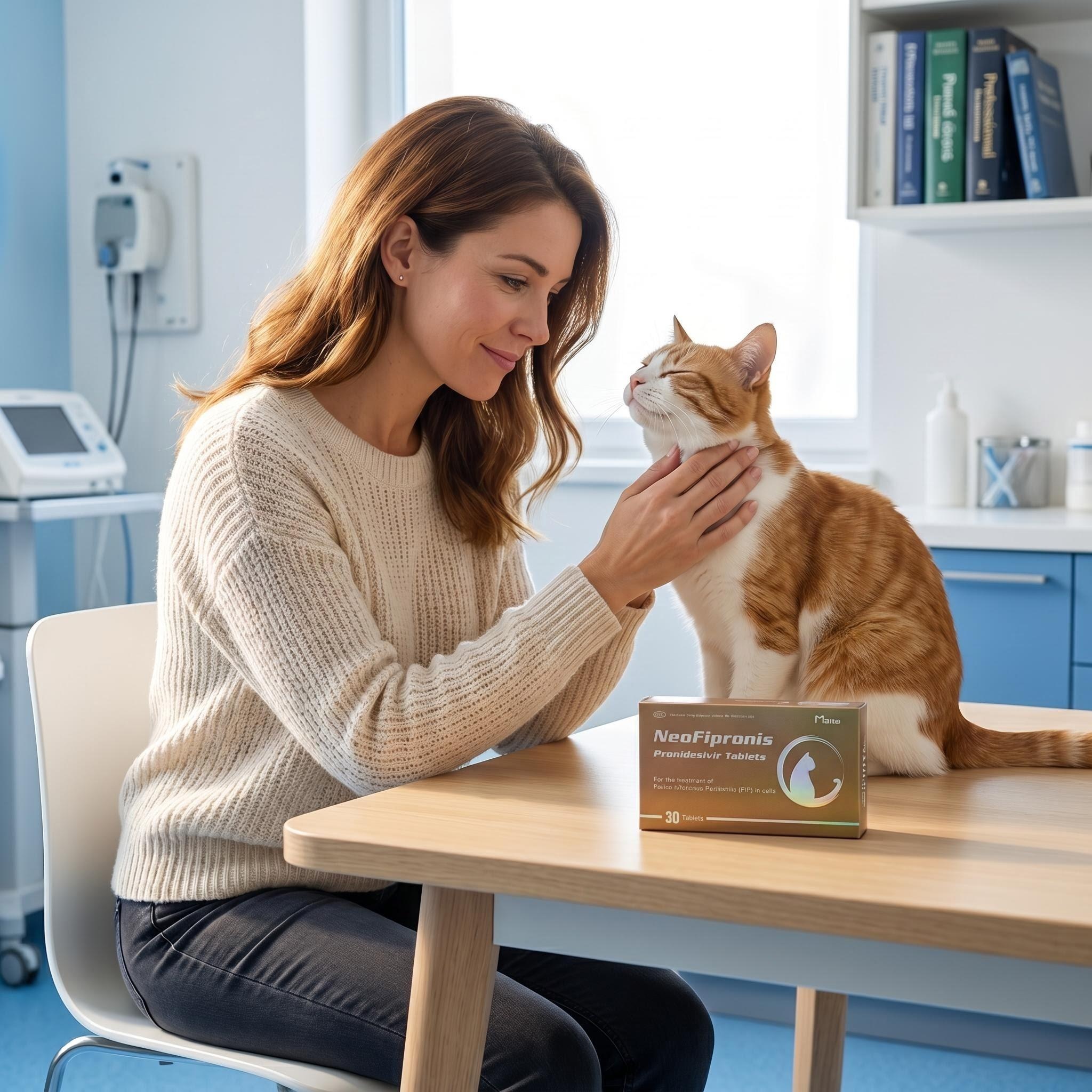
Antiviral Treatments
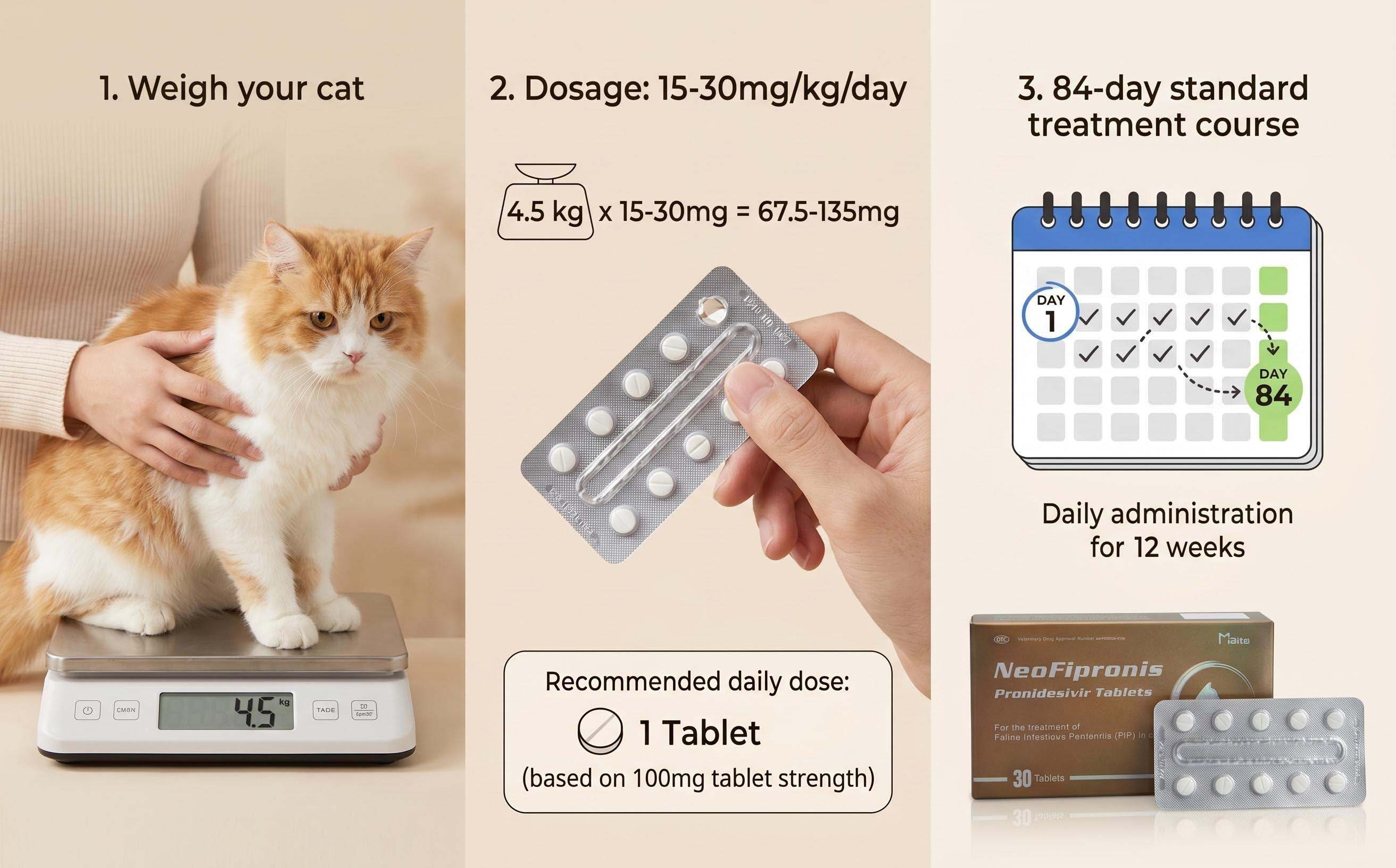
Compounds like GS-441524 show promise for treating FIP, but are not yet universally available or approved. Immediate isolation remains critical for new arrivals to prevent FCoV transmission.
Special Considerations for Shelters and Rescues
High-density environments require even stricter protocols.
Intake Procedures
Screen incoming cats for health and behavioral issues. Isolate all new arrivals for at least two weeks, and batch intake groups to track any outbreaks more effectively.
Staff Training
Educate staff and volunteers on hand hygiene, cleaning protocols, and stress reduction techniques for cats in quarantine.
Balancing Welfare and Disease Prevention
Quarantine is essential, but an overly restrictive approach can harm feline welfare. Aim for a balance—keep cats safe, but not isolated from enrichment or comfort.
Behavioral Assessment
Evaluate cats during quarantine for stress or anxiety and adjust protocols accordingly.
Socialization
Gradually introduce positive human contact and allow for play whenever possible.
FAQs About Cat Quarantine and FIP
Can FIP spread directly between cats?
The mutation to FIP is individual; the underlying coronavirus can spread.
How long does FCoV survive in the environment?
Up to 7 days in moist conditions, but typically less in dry, clean environments.
Should all new cats be quarantined regardless of origin?
Yes; even healthy-appearing cats may shed coronavirus.
References
1. Pedersen, N.C. (2019). "Feline Infectious Peritonitis: An update." Veterinary Clinics: Small Animal Practice, 49(4), 745-761.
2. Addie, D.D., et al. (2022). "Coronavirus Transmission and FIP Prevention in Multi-Cat Households." Journal of Feline Medicine and Surgery, 24(3), 247-262.
3. American Association of Feline Practitioners (2023). "Shelter Guidelines: Quarantine and FIP Prevention."
4. Hartmann, K. (2020). "FIP: Diagnosis and Management." Feline Health Center, Cornell University.
5. US Centers for Disease Control and Prevention (2023). "Pet Hygiene and Disease Prevention."
6. Levy, J.K., et al. (2021). "Disinfection Protocols for Feline Coronavirus." Veterinary Microbiology, 255, 109021.
7. Little, S. (2024). "Quarantining Cats: Best Practices for Shelters and Homes." North American Veterinary Conference Proceedings.
8. Negrini, C., et al. (2023). "GS-441524 therapy for feline infectious peritonitis." Animals, 13(2), 279.
9. American Veterinary Medical Association (2023). "Feline Infectious Peritonitis FAQ."
10. Hosie, M.J., et al. (2022). "Feline Coronavirus and FIP: Epidemiology and Control." Viruses, 14(6), 1212.