Can Diarrhea in Cats Develop Into FIP
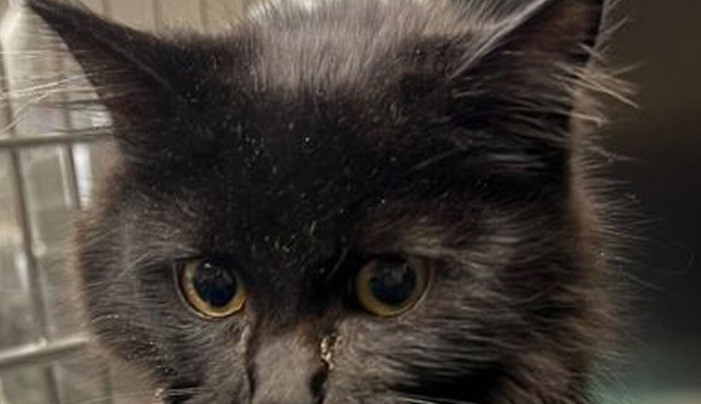
Feline diarrhea is a common health issue encountered by cat owners and veterinarians alike. While most cases are attributed to dietary indiscretion, infections, or gastrointestinal irritation, it is essential to consider more serious underlying causes including viral diseases. Among these, Feline Infectious Peritonitis (FIP) stands as a feared and misunderstood illness in feline medicine. Concern frequently arises regarding whether benign-seeming diarrhea could indicate or progress into a diagnosis of FIP. This article explores the relationship between diarrhea in cats and FIP, examines the clinical progression of the disease, and provides insights into differentiating routine digestive disturbances from signals of potentially fatal viral infection.
Understanding Diarrhea in Cats
Diarrhea in felines is characterized by increased frequency, fluidity, or volume of fecal output. The causes range from dietary changes, parasites, and food allergies to stress and systemic illnesses. Clinical management depends on identifying the underlying cause, as most cases resolve with supportive care. However, persistent or severe diarrhea may warrant additional investigation.
A variety of infectious agents—including bacteria like Salmonella spp., parasites such as Giardia, and viruses like panleukopenia—can trigger diarrhea. Environmental stress, changes in diet, exposure to toxins, and chronic diseases (e.g., inflammatory bowel disease) also contribute. Most episodes do not raise suspicion of serious systemic disease unless accompanied by additional signs like fever, lethargy, or weight loss.
Feline Infectious Peritonitis: A Complex Viral Disease
FIP is caused by a mutation of feline enteric coronavirus (FECV), a virus common among domestic and feral cats. Most cats exposed to FECV remain asymptomatic or show only mild, transient gastrointestinal signs, such as soft stool or mild diarrhea. In rare cases, FECV mutates within the host to a virulent form—feline infectious peritonitis virus (FIPV)—that evades the immune response and causes FIP. This mutation is not well understood and is the subject of ongoing research.
FIP manifests in two main forms: effusive (wet) and noneffusive (dry). The wet form leads to accumulation of fluid in body cavities, while the dry form is characterized by granulomatous lesions in organs such as liver, kidneys, or brain. Both forms often present with systemic symptoms: persistent fever, weight loss, lethargy, and in some cases, gastrointestinal signs.
The Role of Coronavirus and the Gastrointestinal Tract
Feline coronaviruses are primarily enteric viruses, meaning they target the gastrointestinal system first. After a cat ingests viral particles (through contaminated feces, food bowls, or grooming), the virus replicates in intestinal epithelial cells. This initial replication frequently causes mild diarrhea, especially in kittens or immunocompromised individuals.
Most cats infected with FECV shed virus intermittently and experience only mild, self-limited intestinal issues. In rare situations, the virus mutates within the host and gains the ability to infect macrophages, allowing it to spread systemically. This mutation is believed to occur in the intestine, where the virus is replicating, suggesting a direct line between intestinal symptoms and development of FIP.
Can Diarrhea Indicate FIP?
The question most owners and veterinarians face: Does diarrhea itself indicate—or lead to—FIP? Diarrhea alone is seldom considered a specific symptom of FIP or its precursor event, but it plays an indirect role in the disease process. Chronic, unexplained diarrhea in a cat, especially if associated with weight loss, lethargy, or poor response to routine therapy, may prompt consideration of underlying FIP.
During early FIP development, viral replication and mutation occur in the intestine. As such, some cats progressing to FIP may present with transient diarrhea, but this by itself is rarely differential for FIP unless accompanied by additional characteristic signs like persistent fever, abdominal distention, or uveitis.
In clinical practice, diarrhea persisting despite therapy, or which recurs in conjunction with systemic symptoms, may raise suspicion for FIP—especially in multi-cat environments, breeding colonies, or shelters where FECV exposure is common. It remains important, however, to exclude other more common causes of chronic diarrhea before pursuing extensive work-up for FIP.
Clinical Presentation: Recognizing FIP Among Various Symptoms
Cats with FIP often show non-specific symptoms initially—diarrhea is rarely the sole clinical sign. Typical presentations include:
Poor appetite and weight loss
Fever unresponsive to antibiotics
Lethargy and weakness
Fluid accumulation (effusions) in abdomen or chest
Neurological symptoms (ataxia, seizures, changes in mentation)
Ocular changes (uveitis, retinal detachment)
Diarrhea, when present, may be chronic or intermittent and is often overshadowed by systemic signs. In dry FIP, gastrointestinal symptoms are even less prominent, while wet FIP frequently masks intestinal involvement with more dramatic features like ascites.
Diagnostic Considerations
Diagnosing FIP remains a challenge in veterinary medicine. No single test can definitively diagnose or rule out FIP due to its complex presentation and overlapping features with other diseases. Diagnosing FIP is a combination of clinical suspicion, supportive history, laboratory evaluation, and imaging.
Veterinarians may consider FIP in cats with chronic diarrhea plus:
Persistent, unresponsive fever
High coronavirus antibody titers
Lymphopenia, neutrophilia, nonregenerative anemia on bloodwork
Elevated globulin levels
Effusions with high protein content but low cellularity
Imaging findings of organ enlargement, fluid accumulation, or granulomatous lesions
PCR testing of effusion fluid, tissue biopsy, or immunofluorescent antibody testing may offer supportive evidence, but false positives or negatives occur. A diagnosis frequently relies on pattern recognition and exclusion of other causes.
Pathophysiology: Linking Intestinal Symptoms and Systemic Disease
Understanding the transition from enteric coronavirus infection to FIP is central to answering whether diarrhea signals or contributes to disease progression.
FECV infects intestinal lining cells, replicates extensively, and is shed in feces. When the host immune response is unable to clear the virus—or when an unfortunate mutation occurs—the virus gains the ability to survive in macrophages (white blood cells responsible for engulfing pathogens). These infected macrophages then carry the mutated virus throughout the body, initiating the severe inflammation characteristic of FIP.
Diarrhea represents the early phase of viral activity in the gut. It is not a direct cause of FIP, but does represent the stage during which the dangerous mutation could occur. Most cats experiencing diarrhea due to FECV recover fully and never develop FIP, but in a minority—often younger cats or those under stress—mutation and progression can ensue.
Environmental and Genetic Factors
While diarrhea can serve as an indicator of gastrointestinal distress, several factors increase the likelihood that a cat exposed to FECV may develop FIP:
Immune status: Kittens, geriatric, or immunocompromised cats are at higher risk.
Environment: High-density housing (catteries, shelters) increases transmission rates.
Genetic predisposition: Certain breeds, notably Bengal, Birman, and Ragdoll cats, show higher susceptibility.
Viral load: Cats exposed to high levels of circulating FECV may have greater risk for mutation.
Thus, while diarrhea signals enteric coronavirus infection, whether it progresses to FIP depends on a complex interplay of host genetics, immune response, environmental conditions, and luck.
Preventive Strategies
Controlling diarrhea and minimizing the transition from FECV infection to FIP involves both direct care for affected cats and broader management of feline groups:
Maintain clean litter boxes and food bowls
Isolate new or sick cats to prevent viral transmission
Reduce stress in multi-cat environments
Promptly treat parasitic or dietary causes of diarrhea
Use supportive nutrition to strengthen immunity
Breeders may consider genetic screening or selective breeding practices
Vaccines for FIP have been explored, with limited success. Reducing the incidence of FECV infection and supporting overall cat health remain critical.
Therapeutic Approaches
For diarrhea of unknown origin, most veterinarians recommend supportive care: hydration, probiotics, dietary adjustment, and treatment of coexisting infections. In suspected FIP, the therapeutic landscape is rapidly evolving. As of recent advances, drugs targeting viral replication (such as GS-441524 and remdesivir) have shown promise.
Symptomatic care—managing effusions, providing nutritional support, and addressing complications—remains primary in advanced FIP cases. Early intervention is crucial; the prognosis for untreated FIP is poor, with most cats succumbing within weeks to months.
What Should Cat Owners Look For?
Encountering diarrhea in a cat is not, by itself, a reason to panic about FIP. Most diarrhea cases are benign and resolve quickly with appropriate care. Key warning signs that may justify veterinary attention include:
Diarrhea lasting longer than three days
Visible weight loss, poor appetite, or persistent fever
Abdominal distention or labored breathing
Changes in energy or behavior
Ocular or neurological symptoms
Veterinarians can differentiate routine digestive upset from more serious pathology through careful physical examination, laboratory work-up, and imaging studies.
Implications for Shelters, Breeders, and Multi-Cat Homes
Environments where multiple cats cohabit are especially vulnerable to the spread of FECV, leading to cycles of reinfection and mutation. Routine screening for parasites, regular vaccinations, and sanitation protocols are critical. Stress reduction—through appropriate housing, enrichment, and minimizing overcrowding—may lower risk of mutation and FIP development.
Breeders face particular challenges, as FIP can devastate colonies of valuable cats. Early recognition of at-risk kittens, genetic counseling, and prompt treatment of outbreaks support better outcomes.
Emerging Research and Future Directions
Research continues to refine understanding of FIP pathogenesis and the indirect role of diarrhea. Genetic markers, improved diagnostic techniques, and antiviral therapies promise hope. Investigating the exact triggers of viral mutation, and the factors influencing immune response, is likely to improve predictive capabilities in the future.
Continued development of antiviral medications—tailored for safety and efficacy—may offer new hope for cats faced with this fatal disease. Management of diarrhea, especially in high-risk populations, remains a key aspect of overall feline health.
References
1. Pedersen, N.C. (2014). "An update on feline infectious peritonitis: diagnostics and therapeutics." Veterinary Journal, 201(2), 133-141.
2. Kipar, A., & Meli, M.L. (2014). "Feline infectious peritonitis: still an enigma?" Veterinary Pathology, 51(2), 505-526.
3. Addie, D.D., et al. (2009). "Control of feline coronavirus infection: lessons from FIP." Veterinary Clinics of North America: Small Animal Practice, 39(2), 271-284.
4. Hartmann, K. (2005). "Feline infectious peritonitis." Veterinary Clinics of North America: Small Animal Practice, 35(1), 39-79.
5. Dempsey, S.M., & Ewing, P.J. (2011). "Feline infectious peritonitis: diagnosis, prognosis, and treatment." Veterinary Medicine: Research and Reports, 2, 55-66.
6. Vennema, H., et al. (1995). "Early death of FIP cats due to coronavirus mutation: Pathology and virus distribution." Journal of General Virology, 76(7), 1823-1831.
7. Levy, J.K., & Edinboro, C. (2014). "Epidemiology of Enteric Coronavirus Infection in Cats and Risk Factors for FIP Development." Journal of Feline Medicine and Surgery, 16(6), 418-426.
8. Rottier, P.J.M., et al. (2005). "Feline coronaviruses: A tale of two viruses." Veterinary Microbiology, 69(1-2), 163-169.
9. Chang, H.W., et al. (2012). "Pathogenicity of Feline Coronaviruses and their Relationship to FIP." Veterinary Journal, 195(2), 215-218.
10. Afonso, C.L., et al. (2012). "Diagnosis, Management, and Prevention of FIP in Multi-cat Environments." Journal of Feline Medicine and Surgery, 14(10), 812-818.