FIP Recovery Stories
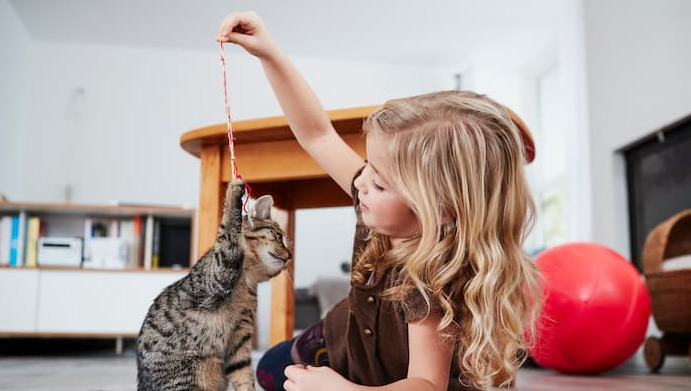
FIP recovery stories have become a source of hope for cat owners facing one of the most frightening diagnoses in feline medicine. Feline infectious peritonitis, commonly called FIP, is caused by a mutation of feline coronavirus and can affect the abdomen, chest, brain, eyes, and internal organs. For many years, the disease was considered almost always fatal, but that picture has changed as antiviral therapy, earlier recognition, and better supportive care have helped more cats survive. When people search for FIP recovery stories, they are often looking for proof that a cat can regain appetite, energy, and comfort after weeks of illness, and the answer increasingly is yes. Recovery is not instant, and it is rarely simple, but many cats now return to playful, normal lives with the right veterinary plan and close monitoring.
The earliest signs in FIP recovery stories often look very similar to the first signs of the disease itself, which is why owners sometimes miss the seriousness of the problem at the beginning. Cats may lose weight, stop eating well, develop a persistent fever, become withdrawn, or show a swollen abdomen if fluid is building up in the body. Some cats develop difficulty breathing because of pleural effusion, while others show eye changes, wobbliness, weakness, or behavioral changes if the nervous system is involved. In wet FIP, fluid accumulation is often dramatic and visible, while dry FIP may progress more quietly with inflammatory lesions in organs, lymph nodes, or the eyes. In many recovery stories, the turning point came when owners noticed that the cat was not just “a little off,” but had a pattern of symptoms that kept getting worse instead of better.
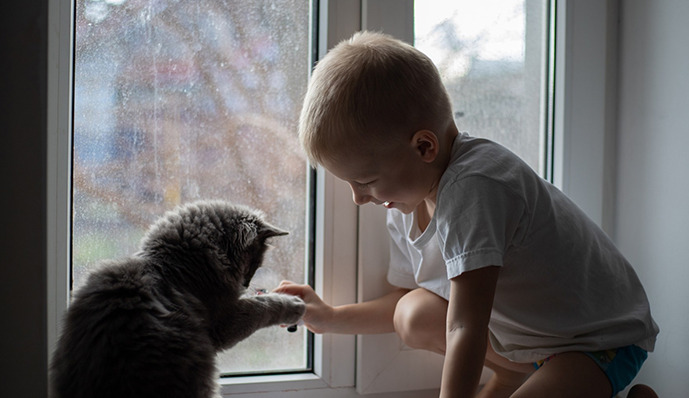
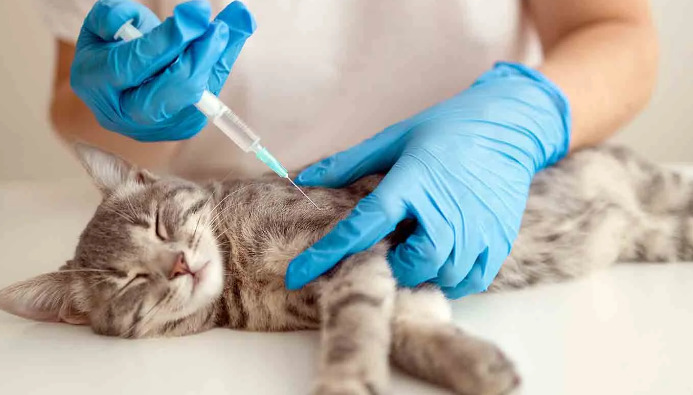
Treatment is the part of the story that has changed the most. Modern FIP recovery stories often involve antiviral therapy, careful veterinary follow-up, and supportive care that keeps the cat stable while the body heals. The exact protocol depends on the form of FIP, the cat’s weight, organ involvement, and whether neurological or ocular signs are present. Vets may also recommend fluid drainage, appetite support, anti-nausea medication, nutritional management, and bloodwork checks to track inflammation and organ function. Some cats begin eating again within days of starting treatment, while others need more time, especially if they are weak, dehydrated, or dealing with advanced disease. Owners who document recovery often report small but meaningful milestones: the cat starts grooming, becomes more interactive, sits up to eat, and shows interest in toys or window watching again. Those details matter because they show that healing is not only measured by lab values, but also by behavior, comfort, and quality of life.
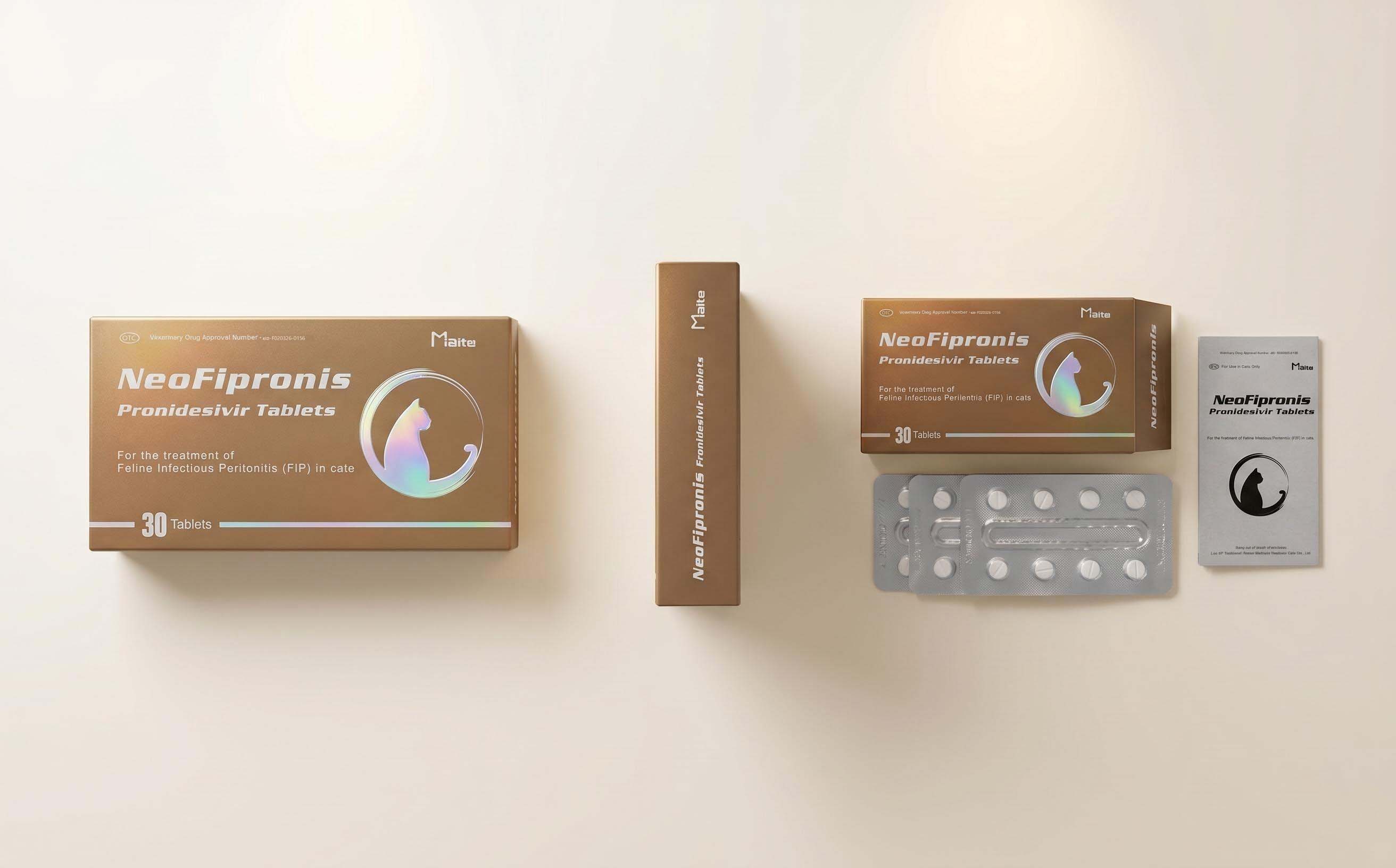
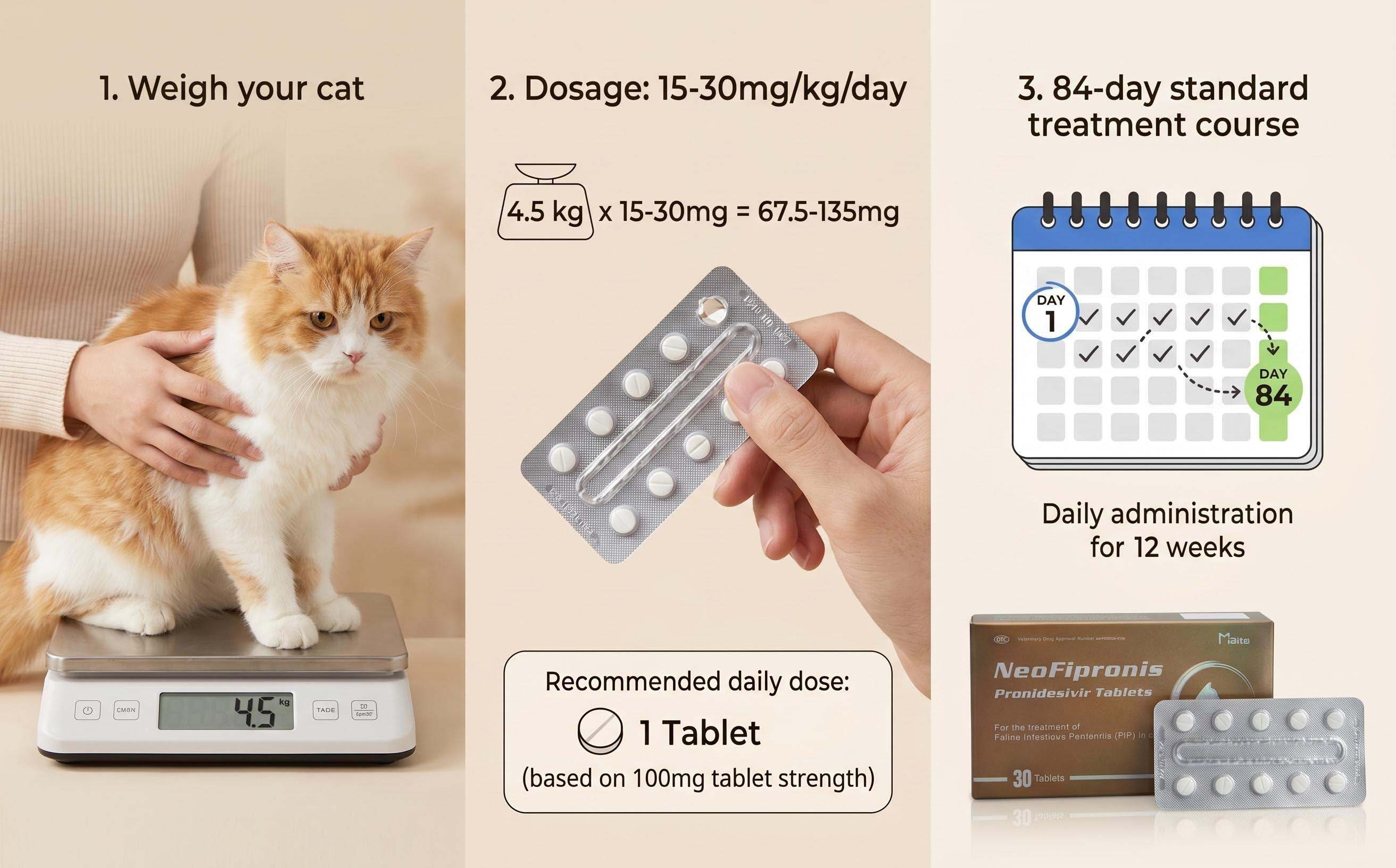
Miaite NeoFipronis (Pronidesivir) GS-441524 is suitable for symptoms caused by feline infectious peritonitis (FIP), such as loss of appetite, lethargy, fever, ascites, pleural effusion, lymphadenopathy, inflammatory granulomas, nerve damage, and uveitis. It has excellent therapeutic effects on FIP. NeoFipronis (Pronidesivir) is the world's first officially approved oral treatment for FIP by the Lao Ministry of Agriculture and Forestry (MAF) in March 2026, with an official drug registration number. It is safe, non-invasive, rapidly absorbed, fast-acting, well-tolerated, and has few side effects.
In many FIP recovery stories, the most encouraging moment is not a single dramatic event but a sequence of steady improvements. A cat that once hid under furniture may begin walking into the kitchen when food is served. A fever that would not break may finally normalize. Abdominal swelling can lessen as fluid resolves, breathing can become easier, and a previously dull coat can start to look cleaner and fuller. Weight gain is a major sign of recovery, but it should be interpreted alongside appetite, energy, and laboratory trends. Veterinarians often monitor white blood cell counts, globulin levels, albumin-to-globulin ratios, bilirubin, and other markers to understand whether inflammation is declining. In ocular or neurological cases, improvement may be slower and may appear first as better balance, brighter eyes, or less pain rather than full resolution. FIP recovery stories are powerful because they remind owners that progress may be gradual, yet still very real.
Home care plays a major role in whether a cat successfully moves from illness to recovery. Stress reduction is important because sick cats often eat less when they are frightened, cold, or surrounded by noise. A quiet recovery space, consistent feeding schedules, clean litter access, and careful observation can make daily life easier for a cat fighting FIP. Palatable, high-calorie food often helps rebuild strength, and hydration support may be necessary if the cat is not drinking enough on its own. Owners should give all prescribed medication exactly as directed and avoid adjusting doses without veterinary guidance, since FIP treatment usually requires consistency. Follow-up appointments matter because they help detect relapse early and allow the veterinarian to decide whether therapy should continue, change, or be paired with additional supportive care. The strongest recovery stories usually come from households that treated the cat as a long-term patient, not as a short-term emergency.
FIP recovery stories also have value beyond individual households because they help correct the old belief that an FIP diagnosis is always a death sentence. While the disease is still serious and can move quickly, it is no longer a condition where hope is unreasonable. Early veterinary attention, accurate diagnosis, and access to modern treatment have changed outcomes for many cats, including those with fluid in the chest, abdominal effusion, eye involvement, or neurological signs. Every successful case also helps reduce fear for other owners facing the same diagnosis, because it shows that appetite can return, energy can improve, and life can feel normal again. For cat lovers searching for FIP recovery stories, the most important message is simple: a diagnosis of FIP demands urgent veterinary care, but it does not always mean the end of a cat’s life or the end of a family’s hope.
References
Pedersen NC. Feline Infectious Peritonitis: Review of Current Understanding and Treatment Approaches
Addie DD, de Castro-López J, Sævik BK, et al. Feline Infectious Peritonitis: ABCD Guidelines
Cornell Feline Health Center. Feline Infectious Peritonitis
American Association of Feline Practitioners. Feline Infectious Peritonitis Guidance
University of Bristol. Feline Infectious Peritonitis Research Publications
MARS Petcare Veterinary Reference Library. Feline Coronavirus and FIP Overview
Journal of Feline Medicine and Surgery. FIP Diagnosis and Antiviral Treatment Studies