How Well Does NeoFipronis (Pronidesivir) Work
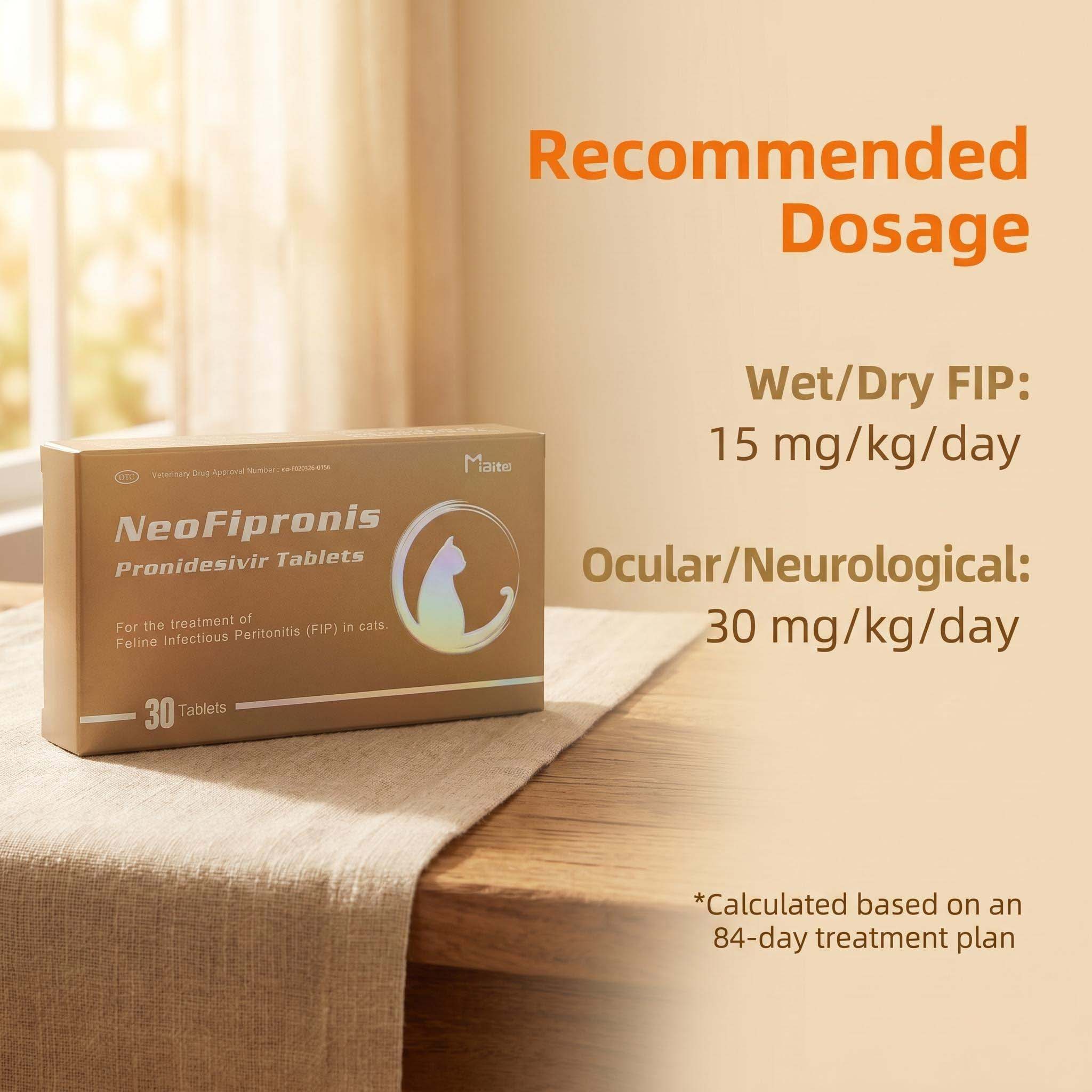
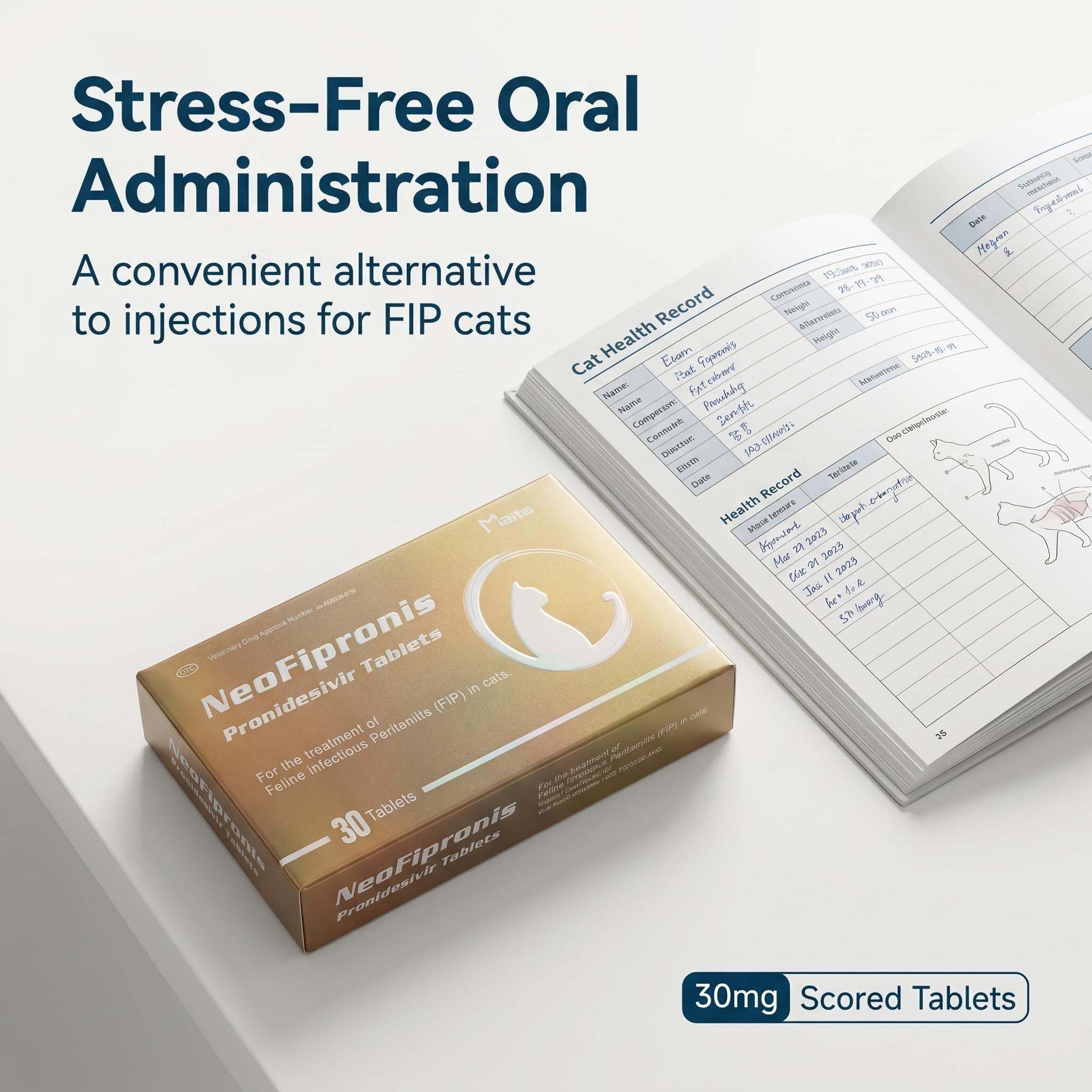
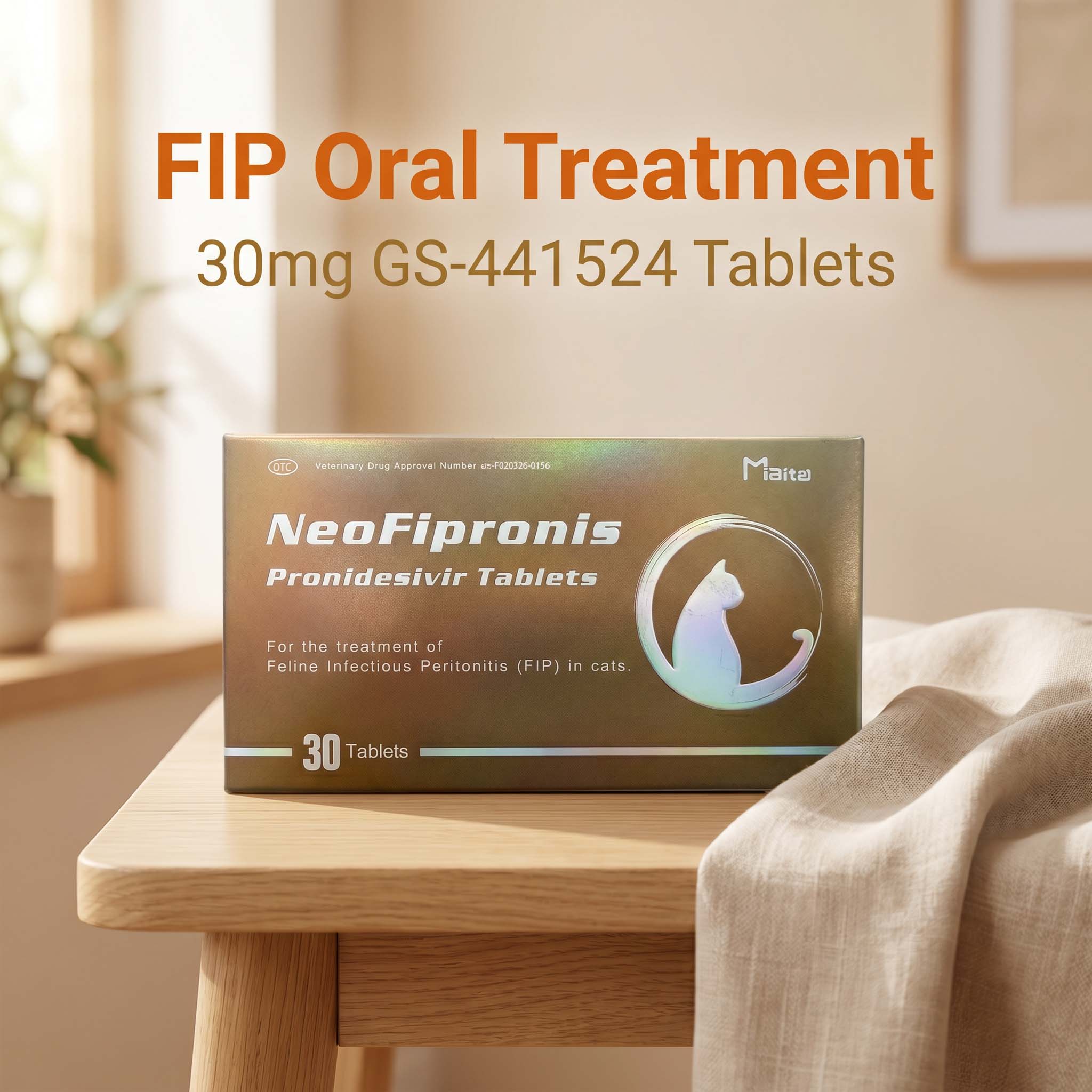
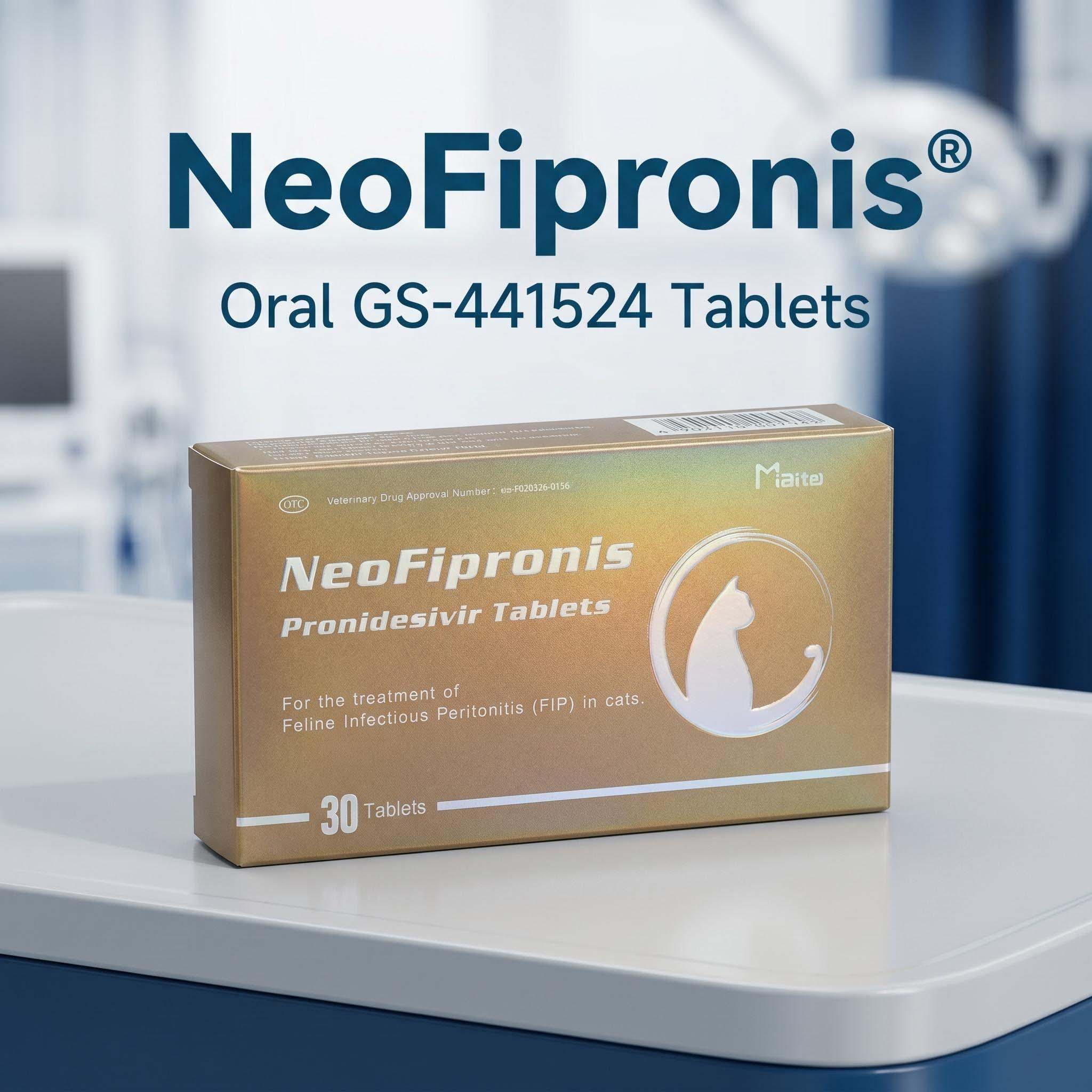
NeoFipronis (Pronidesivir) is discussed as an oral FIP treatment for cats, with GS-441524 as its active ingredient. For cat owners facing feline infectious peritonitis (FIP), the biggest question is usually not whether treatment exists, but how well it works in real life. In many reported cases, GS-441524-based therapy has been associated with noticeable improvement in appetite, energy, fever control, abdominal fluid, pleural effusion, swollen lymph nodes, inflammatory granulomas, neurologic signs, and ocular inflammation. Because FIP can progress quickly, early treatment is often the difference between deterioration and recovery.
FIP is caused by a mutated feline coronavirus and can affect multiple organs, which is why symptoms vary so widely. A cat may first show poor appetite, lethargy, and fever, then develop belly swelling from ascites, breathing difficulty from chest fluid, or more complex problems such as uveitis and nerve involvement. NeoFipronis is designed to deliver GS-441524 orally, making treatment less invasive than injectable options. For many caregivers, this is a major advantage because oral administration can be easier to maintain over a full treatment course.
The reported effectiveness of GS-441524 against FIP has been supported by research and extensive clinical experience in the veterinary field. In practice, many cats begin to improve within days to a couple of weeks, especially in appetite, activity level, and body temperature. Fluid accumulation may gradually decline, and inflammatory signs often become less severe with continued therapy. However, response depends on several factors, including FIP form, disease stage, drug quality, dosing accuracy, and whether treatment is started before severe organ damage occurs.
Typical use is based on body weight, with many protocols using 15 mg/kg once daily for general FIP cases, and higher doses such as 30 mg/kg for neurologic or ocular FIP under veterinary guidance. Treatment should usually continue for at least 12 weeks without missed doses, because interruptions can reduce effectiveness and increase the risk of relapse. It is also important to give the medication as directed, often on an empty stomach, to support absorption and consistent blood levels.
Safety is another reason many owners consider this option. GS-441524-based oral therapy is generally described as well tolerated, with fewer side effects than many older approaches. Even so, cats should still be monitored closely during treatment. Appetite, body weight, temperature, energy level, and hydration should be checked regularly, along with blood work and liver and kidney function testing. These follow-ups help veterinarians confirm that the medication is working and adjust the plan if needed.
NeoFipronis is intended for cats only and should never be used in humans. Although some products are marketed as non-prescription, veterinary supervision remains the safest choice, especially for neurologic or ocular disease. If you are considering NeoFipronis for FIP, verify product authenticity through the brand’s official channels and work with a veterinarian familiar with FIP treatment. For many cats, timely GS-441524 therapy can offer a strong chance of improvement and a far better outlook than untreated FIP.