NeoFipronis (Pronidesivir) Contraindications and Drug Warnings
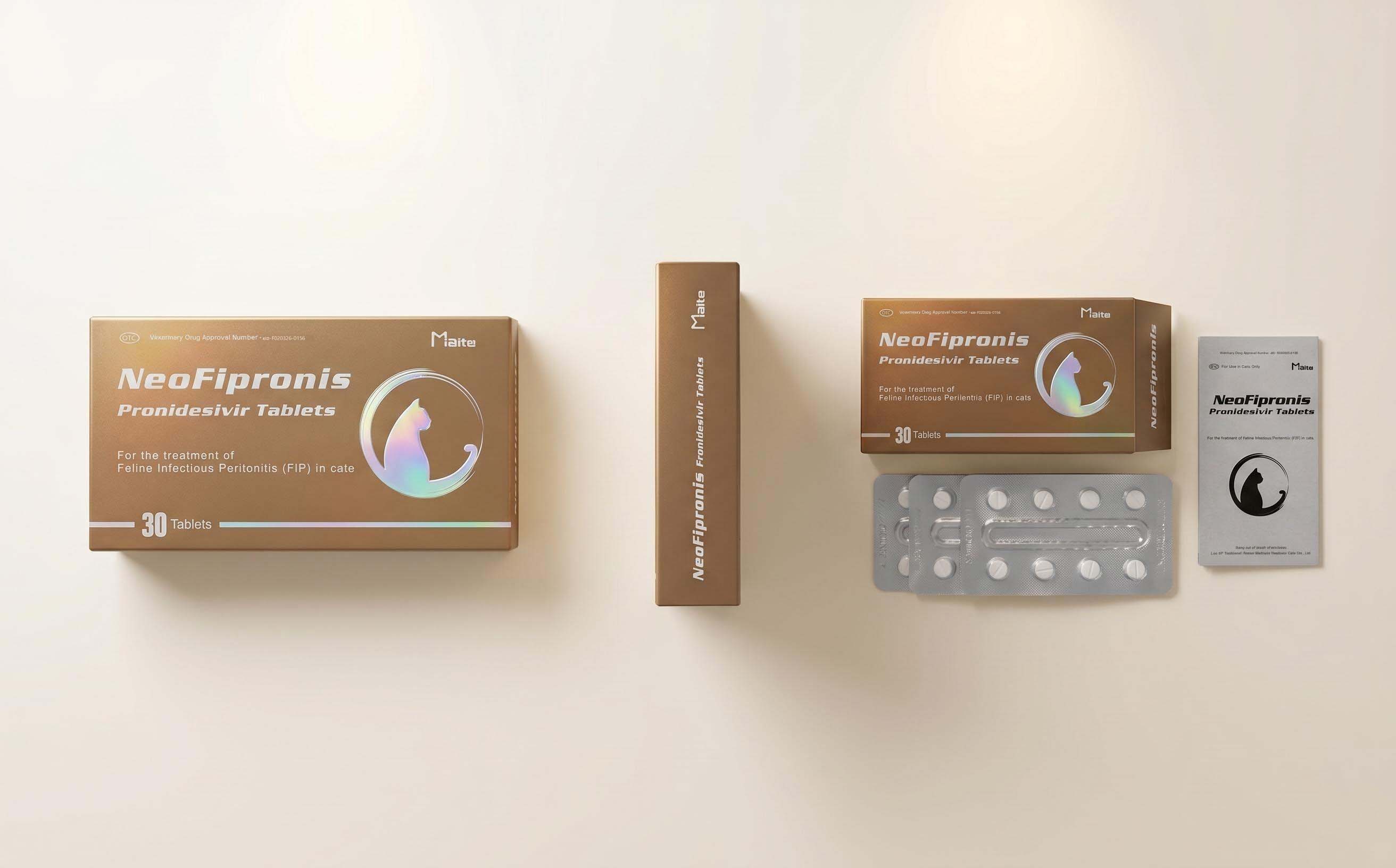
NeoFipronis (Pronidesivir), whose active ingredient is GS-441524, is used in cats with feline infectious peritonitis (FIP), a serious coronavirus-related disease that can cause poor appetite, lethargy, fever, ascites, pleural effusion, enlarged lymph nodes, inflammatory granulomas, neurologic signs, and uveitis. Because FIP can progress quickly, many cat owners look for an oral treatment that is easy to give, well tolerated, and suitable for long-term use. NeoFipronis is commonly discussed for its rapid absorption, convenient dosing, and non-invasive administration, but contraindications and drug warnings still matter greatly for safe use.
The most important contraindication is known or suspected hypersensitivity to the product or any of its components. Cats with a history of severe adverse reactions to antiviral medications should be monitored carefully before treatment begins. NeoFipronis should not be used in non-target species, and it is strictly not for human use. Even though some formulations are marketed as non-prescription products, veterinary guidance remains essential, especially when the cat has complicated FIP, concurrent disease, or prior medication sensitivity.
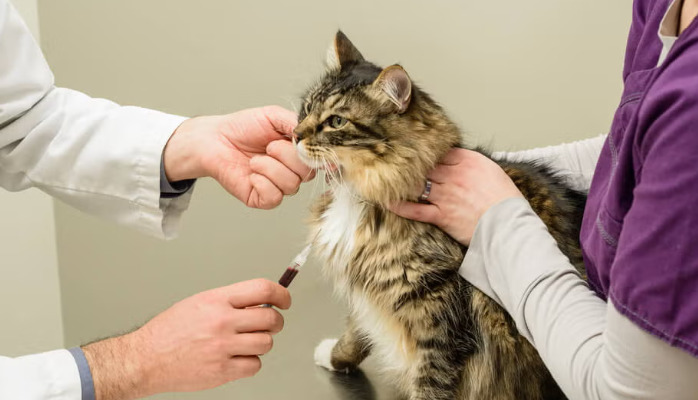
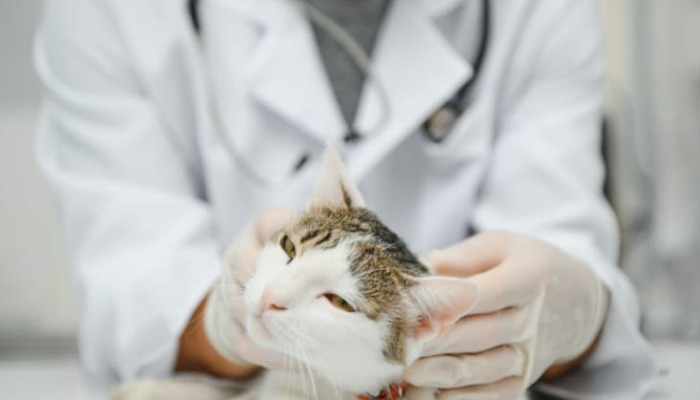
Use extra caution in cats with liver or kidney compromise. Because FIP patients may already be dehydrated, anorexic, or systemically ill, baseline bloodwork is strongly recommended before starting therapy. During treatment, periodic checks of complete blood count, liver enzymes, bilirubin, kidney values, and overall clinical response help identify problems early. If vomiting, diarrhea, marked weakness, jaundice, or worsening appetite develops, a veterinarian should reassess the dose and the treatment plan promptly.
Drug warnings are especially important for neurologic and ocular FIP. These cases often require higher dosing, and any dose increase should be directed by a veterinarian. The standard dosing guidance is typically based on body weight, such as 15 mg/kg daily for many cases, with neurologic or eye FIP sometimes increased to 30 mg/kg under veterinary advice. The medication is usually given once daily on an empty stomach, either one hour before food or two hours after food, to support absorption. Owners should avoid missing doses, because uninterrupted therapy for at least 12 weeks is commonly recommended in FIP protocols.
Careful observation during treatment is part of safe use. Appetite, body temperature, energy level, breathing, abdominal size, and neurologic or ocular symptoms should be monitored regularly. If the cat’s fever returns, abdominal fluid increases, breathing becomes difficult, or eye and neurologic signs worsen, the veterinarian may need to adjust the regimen. Drug interactions have not been fully established in every cat, so any concurrent medicines, supplements, or injections should be reported before treatment starts.
For best results, NeoFipronis should be obtained only from the official website or other verified sources to reduce the risk of counterfeit products and inconsistent quality. In a disease as serious as FIP, product authenticity, correct storage, accurate dosing, and veterinary monitoring are just as important as the antiviral ingredient itself.