NeoFipronis (Pronidesivir) Dosage, Side Effects, and Safety Precautions
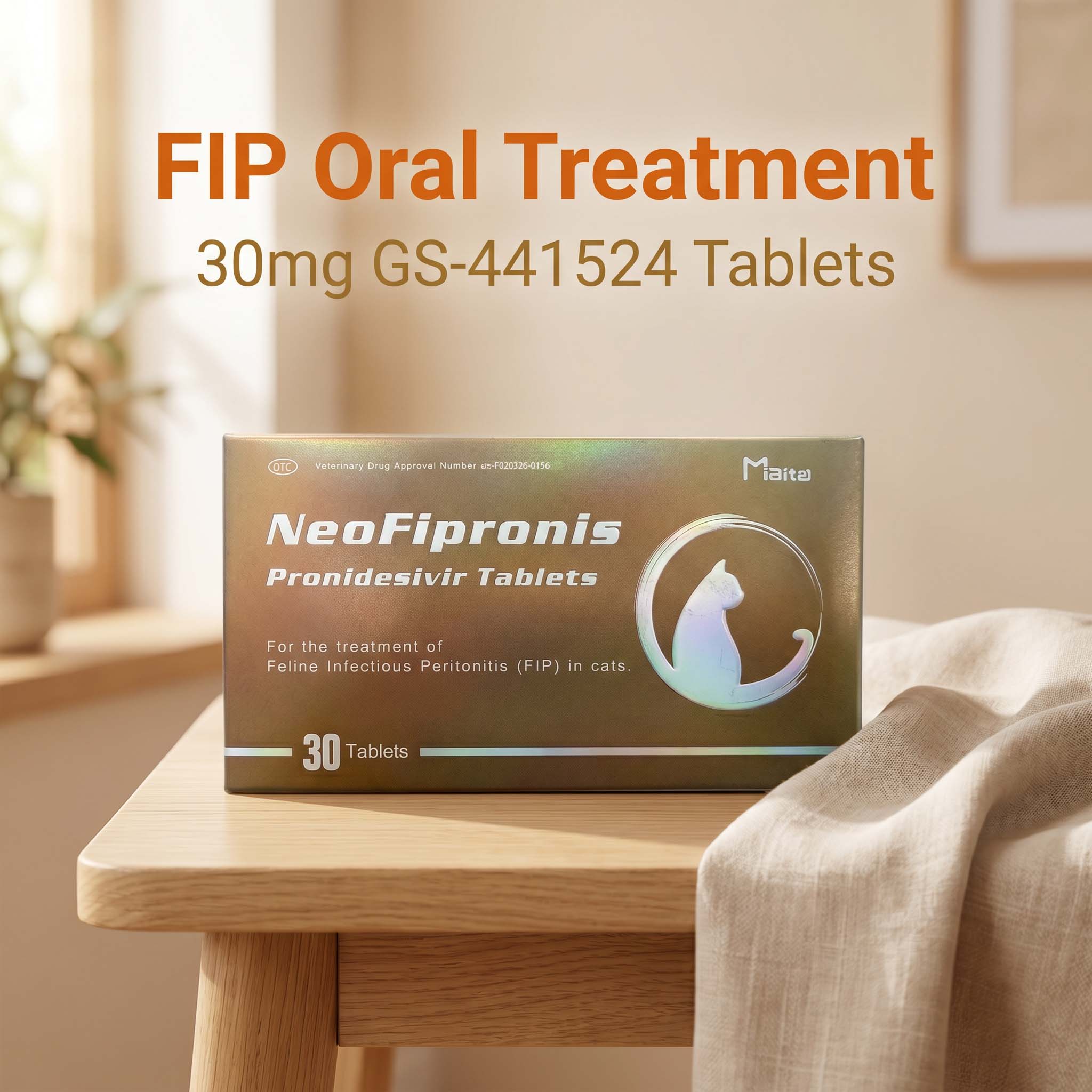
Feline Infectious Peritonitis (FIP) is one of the most serious viral diseases in cats, and it can cause loss of appetite, lethargy, fever, abdominal swelling, chest fluid, enlarged lymph nodes, inflammatory granulomas, neurological damage, and uveitis. NeoFipronis (Pronidesivir), with GS-441524 as its active ingredient, is an oral FIP treatment option designed for cats that need fast, convenient, and effective antiviral support. Many cat owners look for an easy-to-use medicine that can be given at home, and NeoFipronis is known for its rapid absorption, good tolerance, and low incidence of side effects when used correctly.
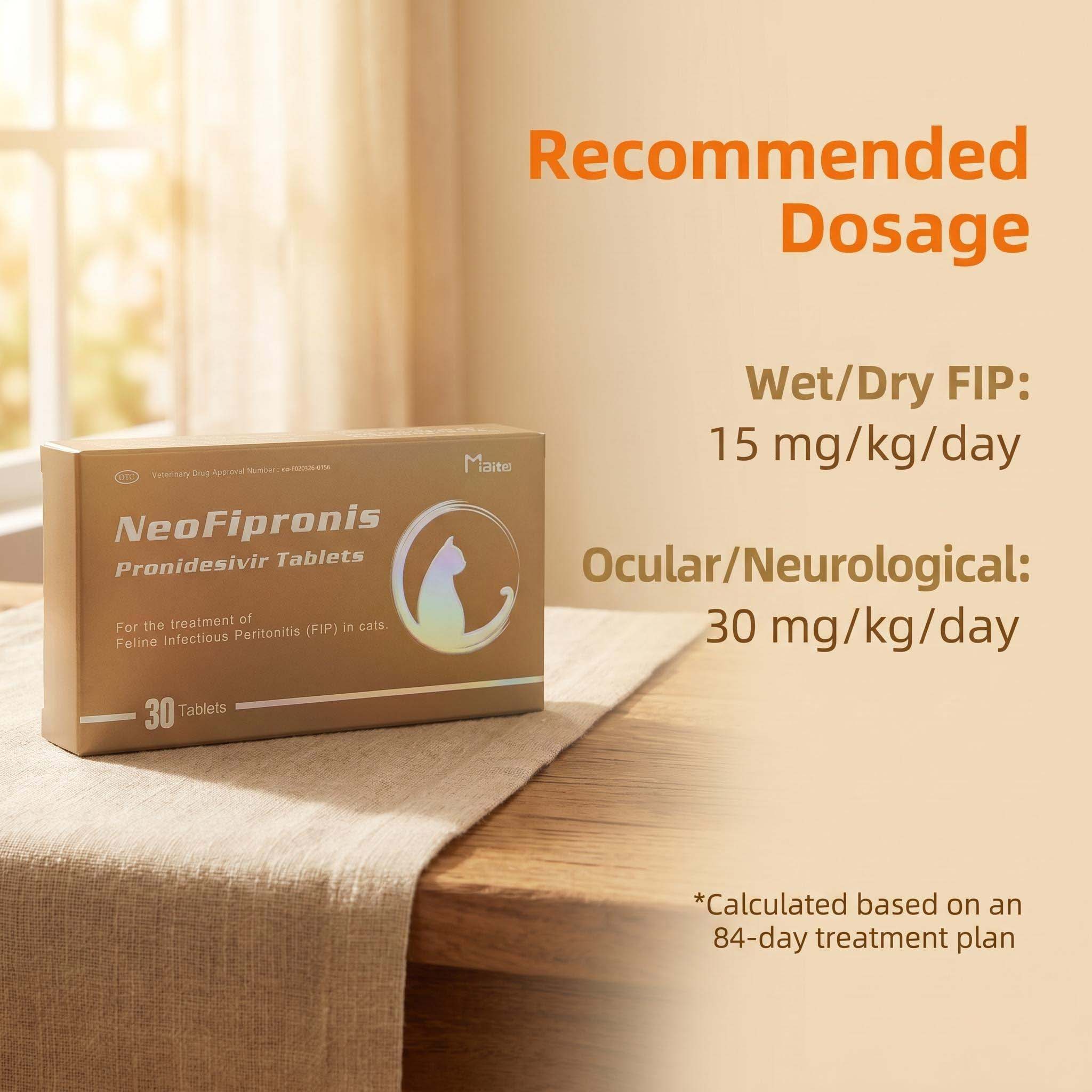
NeoFipronis (Pronidesivir) is used according to body weight to help ensure accurate dosing. The standard dosage is 15 mg per kilogram of body weight once daily, which is commonly described as half a tablet for the appropriate weight range. For neurological FIP or ocular FIP, veterinarians may recommend increasing the dose to 30 mg per kilogram per day. It is generally best to give the medicine on an empty stomach, ideally one hour before feeding or two hours after a meal, to support absorption. Consistent timing every day is important, because missed doses may reduce treatment effectiveness.
Treatment for FIP should continue for at least 12 weeks without interruption. Daily adherence matters, and skipped doses should be avoided whenever possible. During therapy, cat owners should monitor appetite, body temperature, energy level, breathing, abdominal size, and overall behavior. Regular blood tests and follow-up checks of liver and kidney function are strongly recommended, especially during long treatment courses. These checks help the veterinarian confirm that the cat is responding well and that the medicine remains safe to use.
Like any medication, NeoFipronis (Pronidesivir) may cause side effects in some cats, although many cats tolerate it well. Possible reactions can include mild digestive upset, temporary loss of appetite, vomiting, soft stool, or low energy during the early phase of treatment. More serious problems are less common, but any worsening jaundice, persistent vomiting, severe weakness, or rapid breathing should be reported to a veterinarian immediately. Cats with advanced illness may also need closer monitoring because their condition can change quickly.
Safety precautions are essential when using any FIP medication. NeoFipronis is intended for cats only and must never be given to humans. Even if it is available without a prescription in some locations, veterinary guidance is still strongly advised. A veterinarian can help confirm the FIP diagnosis, select the correct dose, and adjust treatment for neurological or ocular disease. Owners should also verify product quality and purchase only from the official NeoFipronis website or other trusted sources to reduce the risk of counterfeit products.
For cats struggling with FIP symptoms such as fever, abdominal fluid, chest fluid, tiredness, eye inflammation, or neurologic signs, timely treatment can make a major difference. With proper dosing, careful monitoring, and professional guidance, NeoFipronis (Pronidesivir) offers a practical oral option for supporting cats through FIP therapy.