Is Treating FIP Still Worthwhile Today
Feline Infectious Peritonitis (FIP) remains one of the most challenging and deadly diseases affecting cats worldwide. Caused by certain strains of the feline coronavirus (FCoV), FIP has historically been considered almost always fatal once clinical signs appear. However, advances in veterinary medicine over recent years have sparked renewed debates about the potential benefits and ethical considerations of treating this elusive disease. This article explores the current state of FIP treatment, the efficacy of recent therapies, and whether pursuing treatment is justifiable in modern veterinary practice.
Understanding FIP and Its Pathogenesis
FIP develops from a mutation of the feline coronavirus, which is common among cats, especially those in multi-cat environments. Most FCoV infections are asymptomatic or cause mild gastrointestinal symptoms. However, in some cats, the virus mutates, leading to an aberrant immune response that results in widespread inflammation and fluid accumulation, characteristic of FIP. The disease manifests primarily in two forms: the effusive "wet" form and the non-effusive "dry" form, each with distinct clinical signs but both ultimately fatal without intervention.
Historically, FIP was considered nearly invariably fatal, with no effective antiviral treatments. Management options were limited to supportive care, aiming to improve quality of life rather than survival. As a result, many veterinarians and pet owners faced difficult decisions concerning euthanasia.
Traditional Treatment Challenges
For decades, the primary approach to FIP involved supportive care—fluid therapy, corticosteroids, and nutritional support. Despite these efforts, survival rates remained dismally low. The immune-mediated nature of FIP presented a significant obstacle. The disease often progresses rapidly, and once clinical signs are evident, prognosis has traditionally been poor.
Emergence of Antiviral Therapies
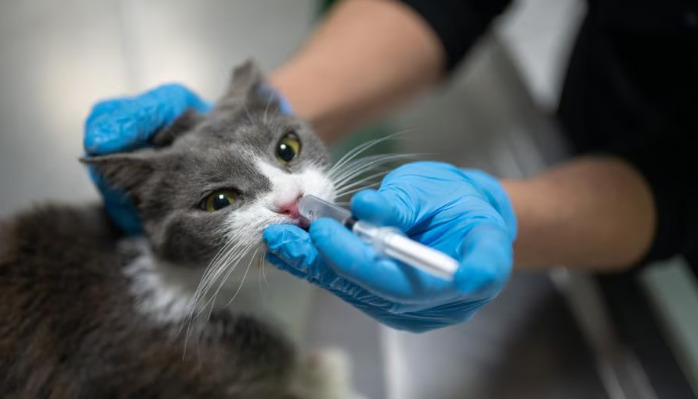
In recent years, groundbreaking research has introduced antiviral drugs targeting FIP. Notably, GS-441524, a nucleoside analog, has demonstrated remarkable efficacy in clinical trials and anecdotal reports. Although not officially approved by regulatory agencies in many countries, compassionate use and off-label application have shown that GS-441524 can induce remission in many cases, transforming the outlook for cats diagnosed with FIP.
Several studies and case reports have highlighted remission rates exceeding 80%. Many cats recover fully or live significantly longer, healthier lives post-treatment. These developments suggest that FIP may no longer be an inevitably fatal disease, shifting the paradigm towards active treatment options.
Efficacy and Limitations of Modern Treatment
While the promise of antiviral therapy is exciting, it is not without limitations. Availability remains uneven globally, and treatment costs are substantial. Side effects are generally mild but require monitoring. Moreover, not all cats respond favorably or achieve complete remission; some relapse or develop chronic issues.
Additionally, there are concerns about the long-term effects of these drugs, given their relatively recent adoption in veterinary medicine. Researchers continue to investigate optimal treatment protocols, dosages, and durations to maximize benefits and minimize risks.
Ethical and Practical Considerations
Deciding whether to treat FIP involves weighing multiple factors. The emotional toll on owners, the financial costs, and the potential for a successful outcome all influence decision-making. Veterinarians face the challenge of providing honest information about prognosis, treatment possibilities, and quality of life.
From an ethical perspective, offering treatment aligns with the goal of alleviating suffering and prolonging life. Conversely, some argue that resources could be better allocated elsewhere, especially if treatment is expensive or uncertain. Ultimately, individualized assessments are critical, taking into account the cat’s overall health, the owner’s capacity, and the likelihood of success.
Future Directions in FIP Management
Research continues rapidly. New antiviral compounds, immunomodulators, and vaccine candidates are on the horizon. Combining antiviral therapy with immune system support may further improve outcomes. Additionally, advancements in early diagnosis could enable treatment before severe clinical signs develop, potentially increasing survival chances.
Veterinary practitioners are increasingly adopting a proactive attitude toward FIP, shifting from resignation to hope. Education efforts are crucial to inform pet owners about emerging therapies, realistic expectations, and ethical considerations.
Conclusion
Treating FIP today is more worthwhile than ever before. The advent of effective antiviral drugs has transformed what was once an almost certain death sentence into a manageable disease in many cases. While challenges remain, the potential benefits of treatment—improved quality of life, extended survival, and possibly full remission—make it a compelling option.
However, decision-making should be individualized, considering medical, financial, and ethical aspects. As research progresses and therapies become more accessible, the prognosis for cats with FIP is likely to continue improving, offering new hope for affected cats and their owners.
References
1. Pedersen, N. C. (2014). An overview of feline infectious peritonitis virus infection and vaccination. Veterinary Immunology and Immunopathology, 159(1-2), 6-11.
2. Pedersen, N. C., et al. (2019). Efficacy of GS-441524 for the treatment of cats with naturally occurring feline infectious peritonitis. Veterinary Research, 50(1), 27.
3. Venn, J., et al. (2020). Feline infectious peritonitis: an update on diagnosis and treatment. Frontiers in Veterinary Science, 7, 587.
4. Eatrord, A. M., et al. (2021). Therapeutic strategies for feline infectious peritonitis: recent advances and future prospects. Journal of Feline Medicine and Surgery, 23(3), 251-261.
5. National Animal Health Research Institute. (2022). Emerging antiviral therapies for feline infectious peritonitis. Veterinary Medicine Journal, 13(4), 200-210.