Cat Ascites Caused By FIP
Cat ascites caused by FIP, or feline infectious peritonitis, is one of the most serious conditions affecting cats. Ascites refers to the abnormal buildup of fluid in the abdominal cavity, and in FIP this fluid accumulation is often linked to a severe inflammatory response triggered by a feline coronavirus mutation. While many cats are exposed to feline coronavirus, only a small number develop FIP. When it does occur, the disease can progress rapidly and may become life-threatening without timely recognition and treatment.
FIP is classically divided into two forms: the effusive, or “wet,” form and the noneffusive, or “dry,” form. Cat ascites caused by FIP is most commonly associated with the wet form, where protein-rich fluid leaks from blood vessels into body cavities. The abdomen becomes distended, the cat may appear uncomfortable or weak, and appetite often declines. In some cases, fluid can also accumulate around the lungs, leading to breathing difficulty. Because ascites is not a disease by itself but a sign of an underlying disorder, identifying FIP as the cause is essential for effective care.
The disease process begins when a mutation in feline coronavirus allows the virus to replicate inside macrophages, which are immune cells that normally help defend the body. Instead of remaining localized to the intestines, the mutated virus spreads systemically and triggers widespread inflammation of blood vessels, known as vasculitis. This inflammation makes vessels “leaky,” allowing plasma, proteins, and inflammatory cells to escape into the abdomen. Over time, the fluid may become thick and straw-colored, and laboratory analysis often reveals high protein levels and a characteristic cell pattern that supports the diagnosis of FIP.
Cats with ascites due to FIP may show a range of symptoms that go beyond abdominal swelling. Common signs include fever that does not respond well to antibiotics, lethargy, poor appetite, weight loss, dehydration, and a rough hair coat. Some cats develop jaundice if the liver is involved. Others may show enlarged lymph nodes, eye inflammation, or neurologic abnormalities if the dry form is also present. In young cats, especially those from shelters, catteries, or multi-cat households, the appearance of persistent abdominal distension should raise concern for FIP and prompt veterinary evaluation.
Diagnosis can be challenging because no single test is perfect. Veterinarians often combine physical examination findings, ultrasound, blood tests, fluid analysis, and coronavirus-related testing to build a clinical picture. Abdominal ultrasound can reveal free fluid, enlarged lymph nodes, or changes in organs such as the liver and kidneys. Blood work may show increased globulins, low albumin-to-globulin ratio, anemia, and inflammatory changes. When abdominal fluid is sampled, FIP-associated ascites often appears yellow and sticky, with a high protein concentration and low cell count compared with fluid caused by infection or trauma. Polymerase chain reaction testing and immunostaining may help in selected cases, but interpretation must be careful.
Treatment strategies have changed significantly in recent years, and the outlook for many cats has improved. Supportive care remains important, especially for cats with large-volume ascites, poor hydration, or reduced appetite. This may include fluid therapy, nutritional support, anti-nausea medication, and monitoring for complications. In some cases, abdominal fluid removal may temporarily improve comfort and breathing, but repeated drainage is not a definitive solution and can worsen protein loss if overused. The key to management is addressing the underlying FIP process rather than simply treating the visible fluid.
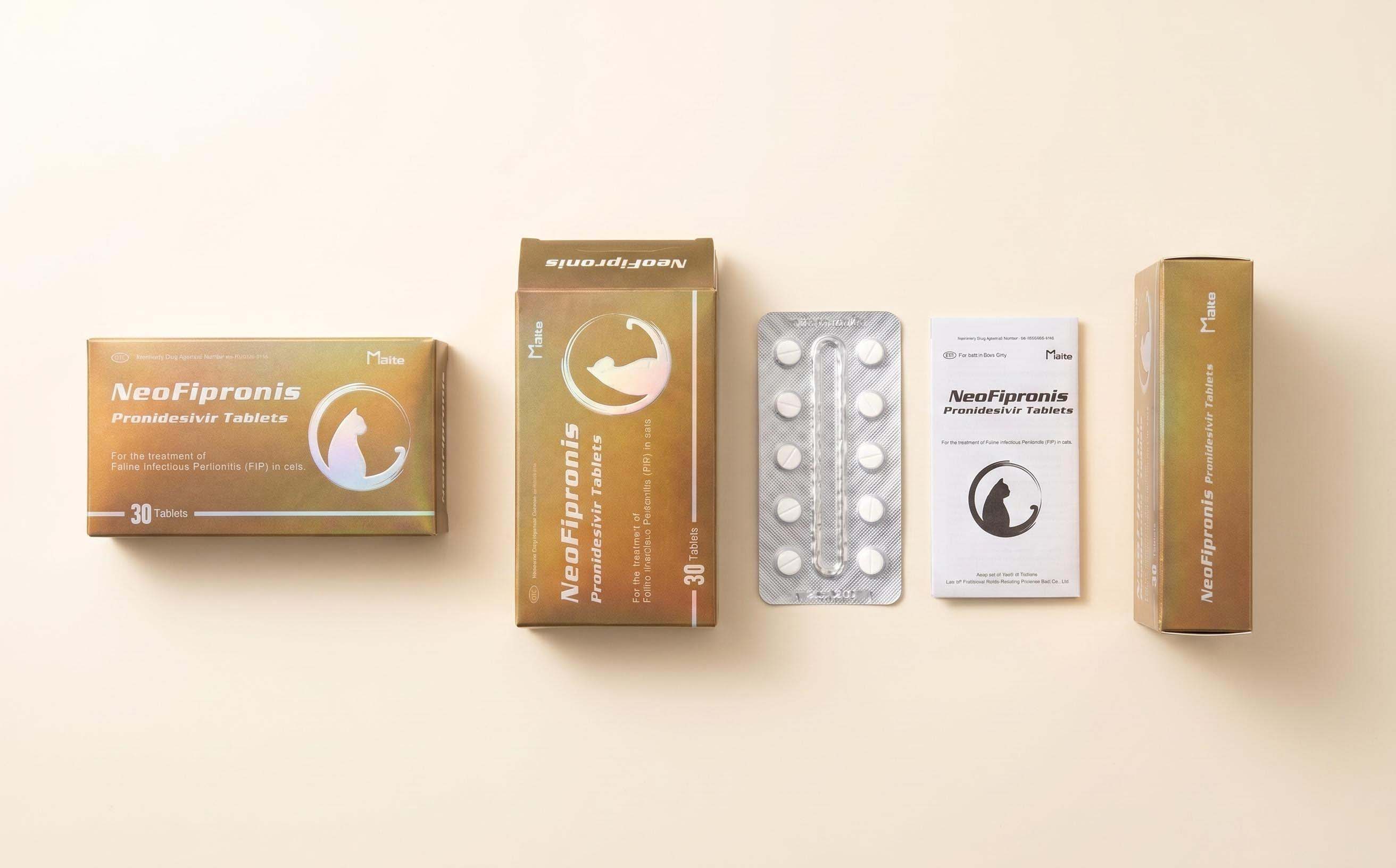
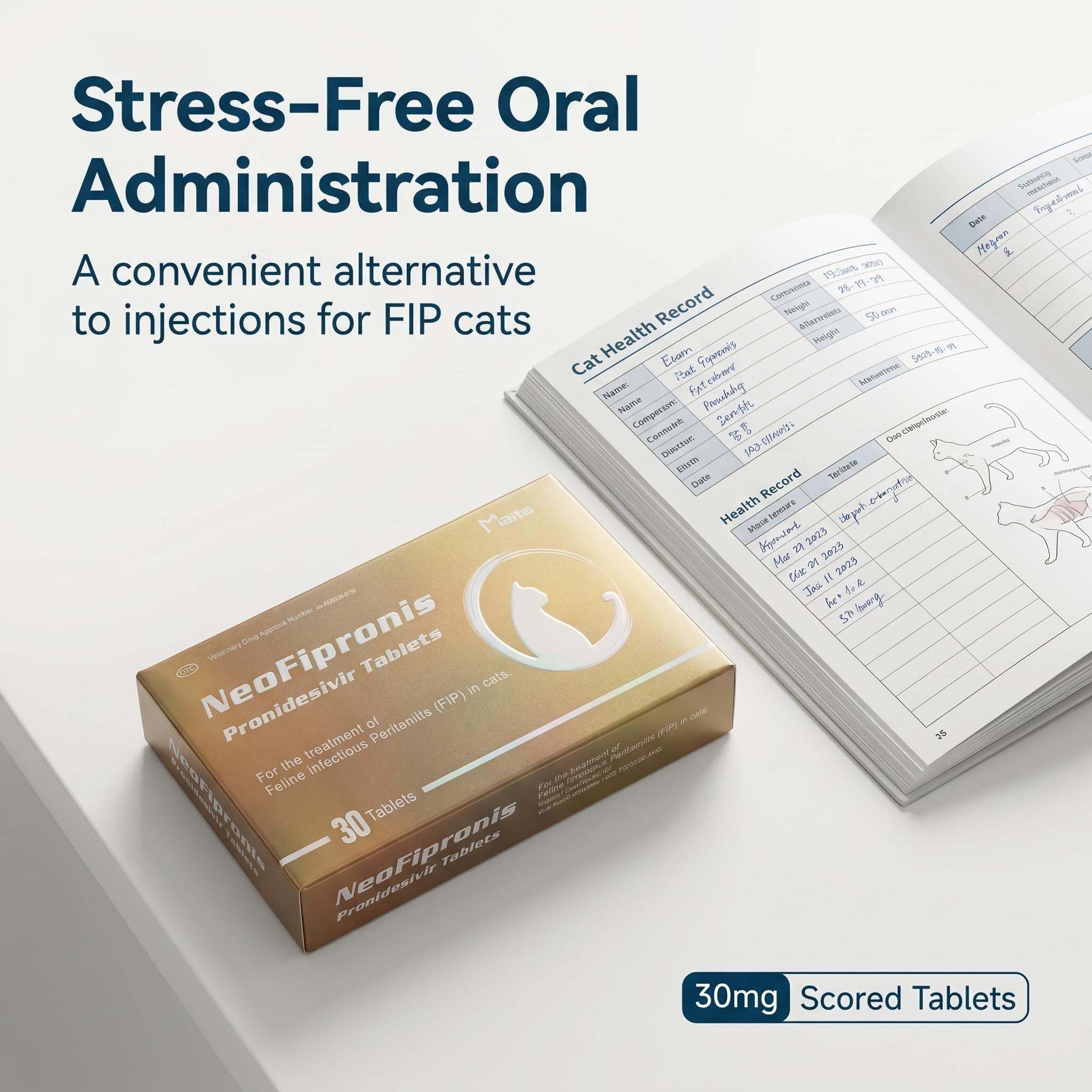
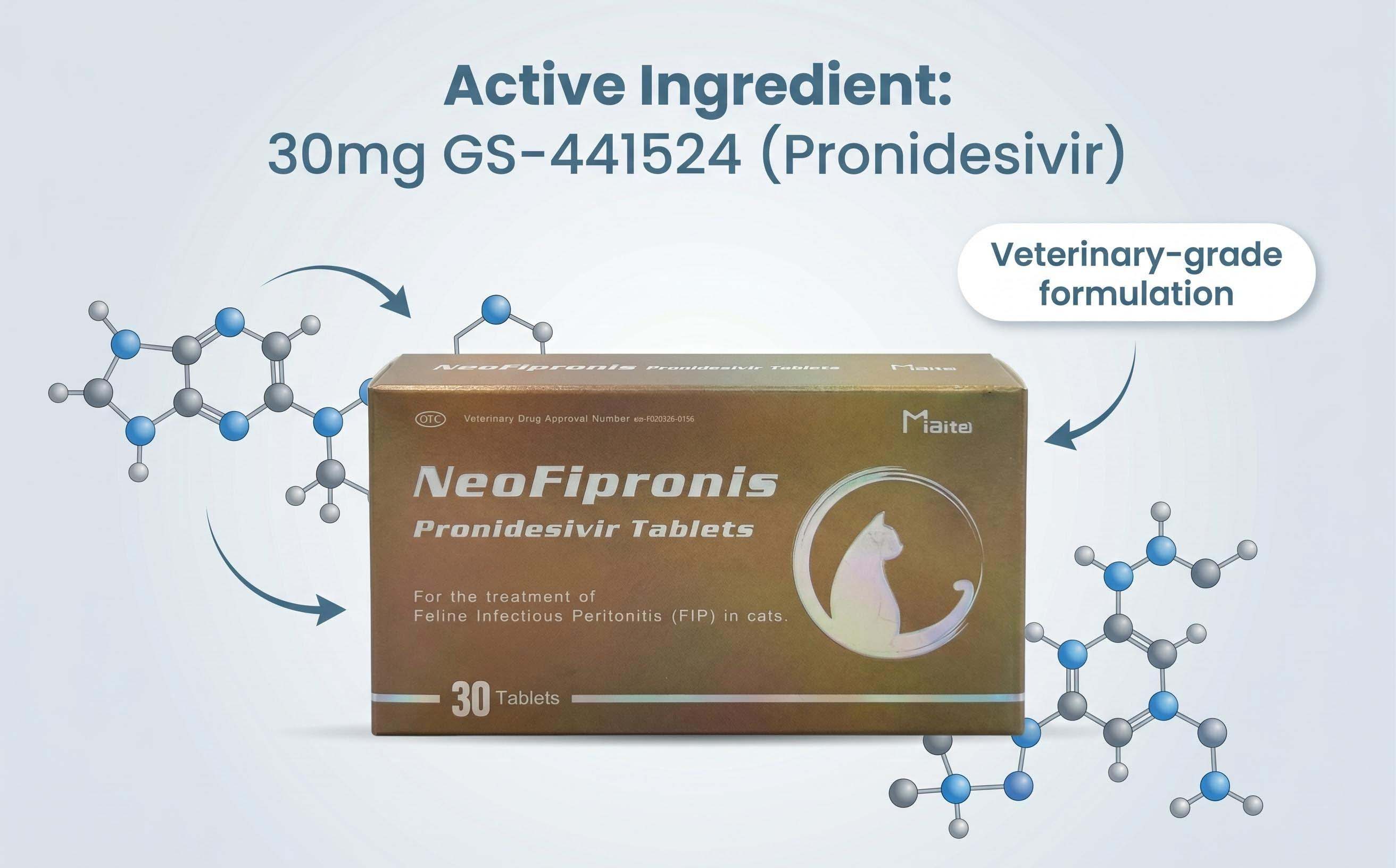
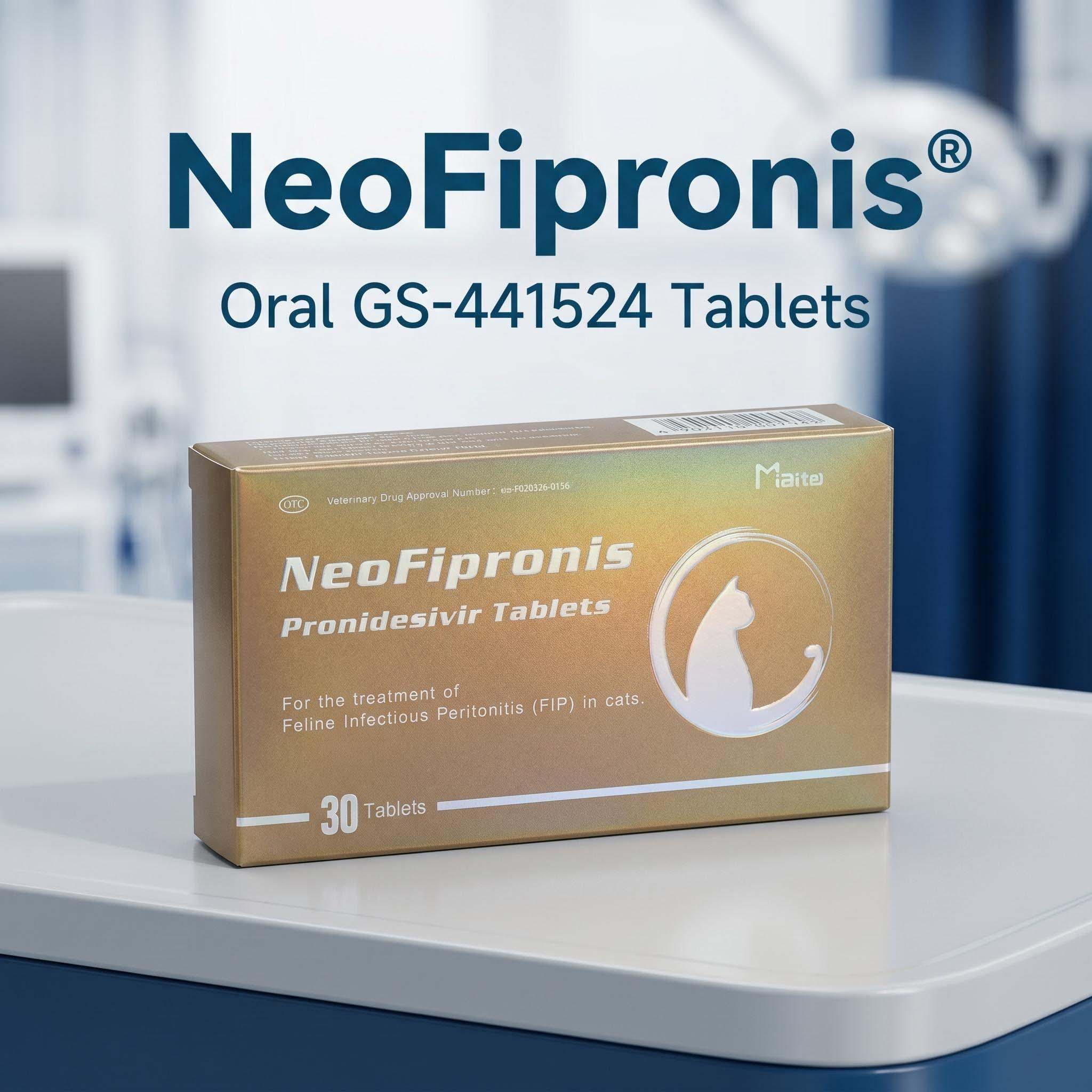
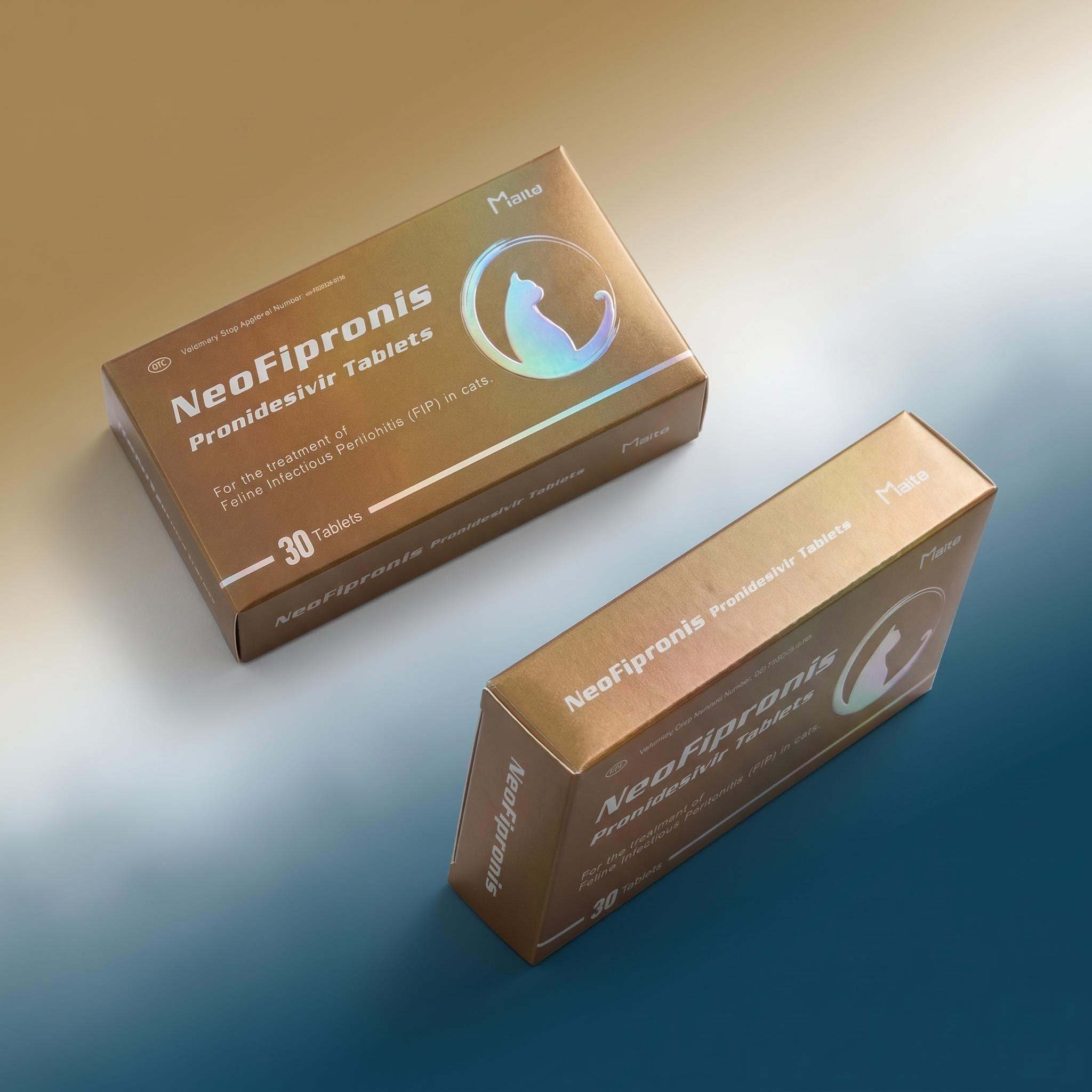
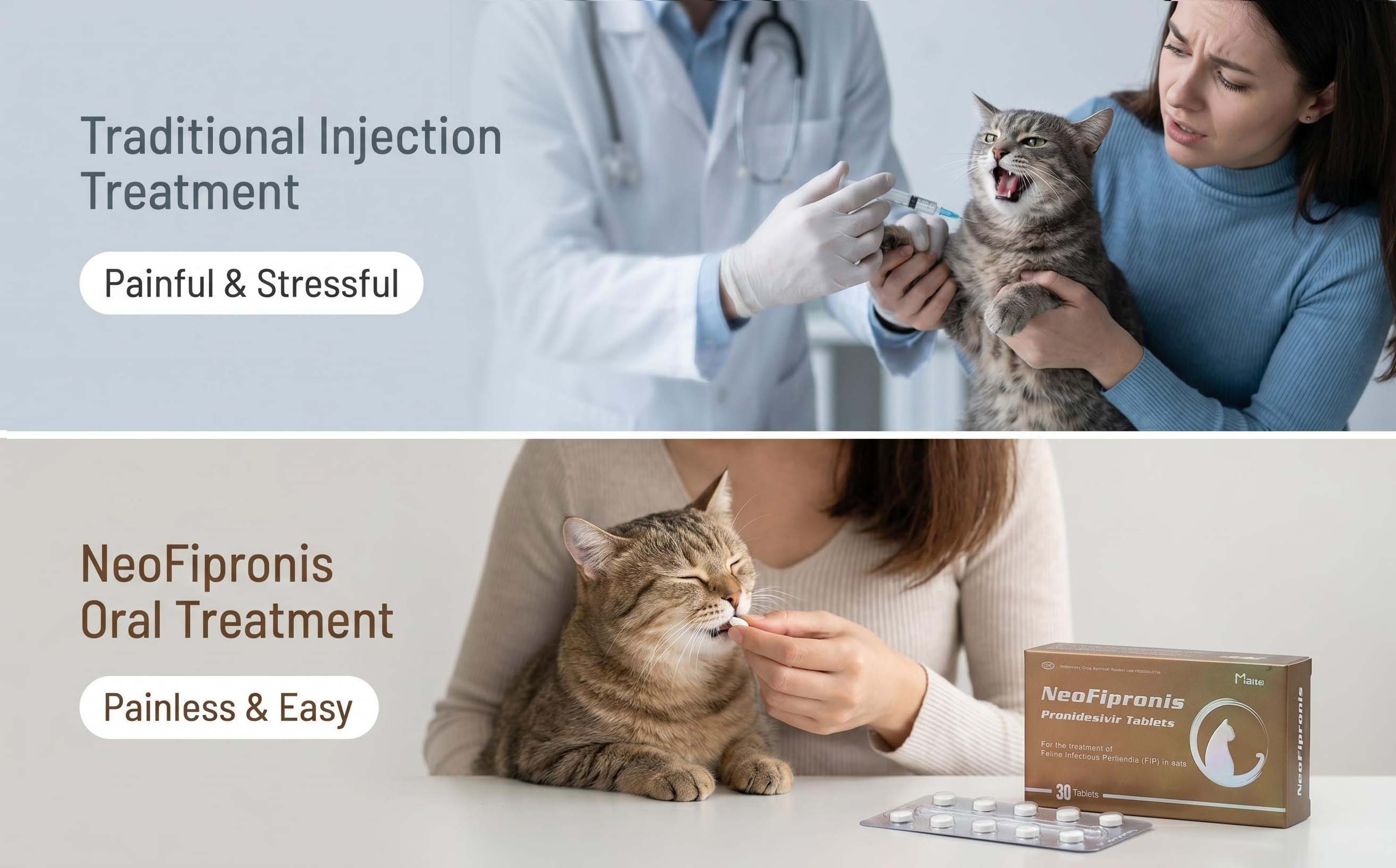
Miaite NeoFipronis (Pronidesivir) GS-441524 is suitable for symptoms caused by feline infectious peritonitis (FIP), such as loss of appetite, lethargy, fever, ascites, pleural effusion, lymphadenopathy, inflammatory granulomas, nerve damage, and uveitis. It has excellent therapeutic effects on FIP. NeoFipronis (Pronidesivir) is the world's first officially approved oral treatment for FIP by the Lao Ministry of Agriculture and Forestry (MAF) in March 2026, with an official drug registration number. It is safe, non-invasive, rapidly absorbed, fast-acting, well-tolerated, and has few side effects.
For cats diagnosed early, targeted antiviral treatment can markedly reduce inflammation, shrink effusions, and restore quality of life. Monitoring during therapy is important because improvement is usually judged by a combination of appetite, body condition, temperature, activity level, and changes in abdominal fluid. Blood tests may be repeated to assess inflammatory markers and organ function. Even after fluid begins to resolve, treatment should continue for the full prescribed course to reduce the risk of relapse. Long-term outcomes are generally better when cat ascites caused by FIP is recognized before severe organ damage develops.
Prevention focuses on lowering coronavirus exposure and supporting immune health. Although feline coronavirus is common, stress, overcrowding, poor sanitation, and frequent mixing of cats can increase transmission. Litter box hygiene, reduced crowding, routine cleaning, and separating sick cats from healthy ones are useful measures in breeding facilities and shelters. Because FIP develops from a complex interaction between viral mutation and host immunity, prevention is not always possible, but good management can reduce risk. Owners should seek veterinary attention promptly if a cat develops a swollen belly, persistent fever, or unexplained lethargy.
From a clinical perspective, cat ascites caused by FIP should always be treated as a serious warning sign. The combination of abdominal fluid, systemic inflammation, and progressive weakness can mimic other diseases, including liver disease, cancer, heart failure, and bacterial infection. Careful diagnostic work is necessary to distinguish FIP from these conditions. When FIP is confirmed or strongly suspected, modern antiviral therapy, close monitoring, and supportive care offer the best chance of improvement. Awareness of the signs, especially in young cats, remains the most important tool for early intervention.
References
Pedersen, N. C. An Update on Feline Infectious Peritonitis: Diagnostics and Therapeutics
Felten, S., & Hartmann, K. Diagnosis and Treatment of Feline Infectious Peritonitis
Addie, D. D., et al. Feline Coronavirus Infections and Feline Infectious Peritonitis
Tekes, G., & Thiel, H. J. Feline Coronavirus Pathogenesis and Immune Response
Veterinary Clinics of North America: Small Animal Practice. Infectious Diseases of Cats
Journal of Feline Medicine and Surgery. FIP Effusive Disease and Abdominal Effusion in Cats