Is It Possible to Prevent FIP in Advance
Abstract
Feline Infectious Peritonitis (FIP) continues to present an enormous challenge to feline health worldwide. With limited treatment options and historically poor outcomes, pet owners and veterinarians alike are eager to find effective, proactive prevention strategies. This article dives into the complexities of FIP, rooted in the feline coronavirus (FCoV), and reviews the latest research surrounding possible prevention methods, environmental controls, vaccines, and more.
Introduction
FIP stands as one of the most devastating diseases affecting domestic cats, characterized by its multifaceted clinical presentations and high mortality rate. Caused by certain highly virulent variants of feline coronavirus, FIP typically strikes kittens and young cats, especially those living in multicat households or shelters. The unpredictable transformation of FCoV into FIP and its complex pathogenesis have made prevention a topic of significant study and debate.
The Nature of FIP and FCoV
FIP arises only when a benign feline enteric coronavirus (FECV) mutates within the host, giving rise to a virulent form that can survive and replicate inside macrophages, resulting in the fatal disease. Most cats exposed to FCoV remain healthy or experience only mild enteric symptoms, but a small percentage (often estimated at 5-10%) progress to FIP. The elusive mutation event is currently unpredictable, and not all exposed cats are equally susceptible. Genetics, immune status, environmental stress, and viral load all play a role.
Modes of Transmission
Understanding transmission is key to prevention. FCoV spreads primarily through the fecal-oral route: infected cats shed virus in their feces, contaminating litter boxes, food bowls, and surfaces. In multicat environments, high population density and shared resources facilitate coronavirus spread. Kittens may contract the virus from their mothers or other cats in their environment as early as a few weeks old.
Risk Factors for FIP
Several risk factors raise the likelihood of FIP. Young age (under two years), genetic predisposition—certain purebred breeds are more at risk—, immunosuppression (e.g., from other diseases or stress), and high viral load environments (catteries, shelters) contribute to higher FIP cases. Addressing these factors helps shape an effective prevention strategy.
Environmental Management
The cornerstone of FIP prevention is environmental control given that most cats will encounter FCoV at some point. Reducing viral load in the home or cattery lessens the chance of mutation and disease development.
Litter Box Hygiene:
The primary shed site for FCoV is cat feces. Scooping litter boxes at least once daily and thorough weekly cleaning with disinfectants (e.g., diluted bleach, approved veterinary cleaning products) reduces viral presence. Using separate litter boxes per cat further decreases risk in multicat households.
Resource Management:
Shared food and water bowls can also promote transmission. Assigning individual bowls for each cat and cleaning them daily can help.
Population Density:
Maintaining small cat group sizes limits overall viral load. In breeding catteries, separating cats into stable groups and isolating new entrants for a quarantine period aid in controlling viral introduction.
Ventilation and Cleanliness:
Good airflow and regular disinfection of surfaces reduce environmental stress and contamination.
Isolation and Quarantine Protocols
For new cats entering a multicat household, a quarantine period of three to four weeks allows time for signs of FECV infection to show and reduces shedding risk. Limiting access to common areas, resources, and minimizing stress during this period is crucial. Pregnant queens should be housed separately, and their litters kept isolated until weaning. Such practices, while labor-intensive, help break the transmission cycle.
Genetic Selection and Breeding Control
Selective breeding strategies may reduce FIP prevalence in certain lines. Avoiding repeated breeding among individuals from FIP-prone pedigrees is recommended. Genetic research continues to identify markers of susceptibility; in the future, these may help guide more precise breeding choices.
Immunity and Nutrition
Strong overall immune health helps cats resist coronavirus mutation and FIP progression. Well-balanced diets, appropriate supplements (as recommended by a veterinarian), and regular health checks contribute to a robust immune system. Stress reduction, enrichment, and safe socialization further bolster immune defense.
Although some experimental interventions have explored immunomodulatory agents, the best strategy remains prevention through maintaining overall health and minimizing stress.
Vaccination: Challenges and Developments
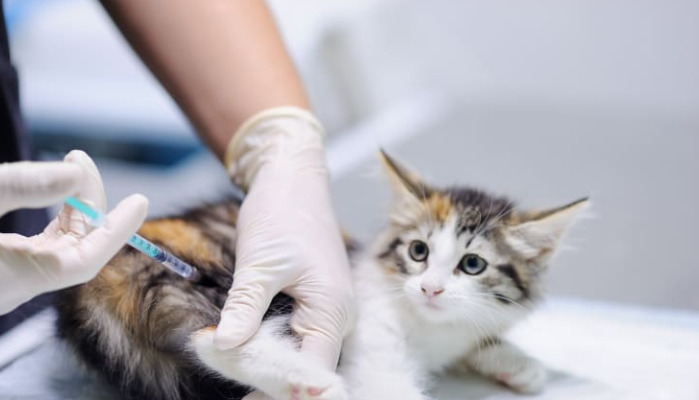
Currently, there is only one licensed FIP vaccine in North America—the Intranasal Primucell vaccine. Studies have shown limited or questionable efficacy, especially when administered to cats already exposed to FCoV. The vaccine is not widely recommended in mainstream veterinary practice due to variable protection and lack of support from major feline health organizations.
Recent breakthroughs in coronavirus vaccine research—including mRNA technologies and subunit vaccines—offer hope, but as of today, no highly effective FIP vaccines are commercially available.
Early Testing and Monitoring
Regular screening for FCoV antibodies or viral shedding using PCR testing may help identify at-risk cats in catteries or shelters. However, as most cats with positive FCoV results never develop FIP, routine testing is not generally recommended. In high-risk environments or breeding situations, periodic surveillance may help guide management, especially if combined with prompt response to new FIP cases.
Emerging Preventive Therapies
The recent development of antiviral agents (such as GS-441524 and related compounds) offers remarkable breakthroughs in FIP treatment, but they are not yet approved as a preventive measure. Ongoing trials are investigating whether preemptive administration in high-risk cats could reduce mutation risk, but safety, efficacy, and regulatory hurdles remain.
The Role of Owner and Veterinary Guidance
Pet owners play a vital role in FIP prevention through vigilance, environmental management, and awareness of clinical symptoms. Early signs of FIP (unexplained fever, lethargy, weight loss, abdominal swelling) merit prompt veterinary evaluation. Experienced veterinarians can help design strategies tailored to individual cat populations and local risk factors.
Community Myth-Busting
No strategy offers complete protection against FIP. Misinformation online has led some to pursue ineffective or potentially harmful interventions such as off-label drug use, aggressive isolation, or unproven supplements. Collaboration between cat owners, veterinarians, and reputable researchers is essential for keeping prevention methods evidence-based.
Conclusion
While total prevention of FIP in advance remains out of reach, a layered approach combining environmental management, breeding control, nutritional support, and vigilant care offers the best chance for reducing its impact. Continued research in vaccine development, antiviral therapies, and genetic risk factors may in time yield more direct preventive options. For now, proactive care, responsible cattery practices, and scientific awareness stand as the strongest shields in protecting cats from FIP.
References
1. Pedersen NC. Feline infectious peritonitis. Vet Rev. 2009;9(2):159-181.
2. Addie DD, Jarrett O. Feline coronavirus infections. In: Greene CE, editor. Infectious Diseases of the Dog and Cat. Elsevier Saunders; 2012. p. 92-108.
3. Felten S, Hartmann K. Diagnosis of feline infectious peritonitis: a review of the current literature. Viruses. 2019;11(11):1068.
4. Hosie MJ, Siddell SG. Feline coronavirus: a continuing challenge. Vet Res. 2021;52(1):36.
5. Meli ML, Borges R, et al. Prevention of FIP—Prospects for vaccination and development of new therapies. Vet Microbiol. 2020;246:108754.
6. Kipar A, Meli ML. Feline infectious peritonitis: still an enigma? Vet Pathol. 2014;51(2):505-526.
7. Chang HW, De Groot RJ, Egberink HF, et al. Feline infectious peritonitis—Insights into feline coronavirus pathogenesis and disease mechanisms. Adv Virus Res. 2012;84:193-235.
8. Porter E, Tasker S, Day MJ, et al. Feline coronavirus infection: which cats are at risk? J Feline Med Surg. 2014;16(5):385-396.
9. Fischer Y, Zoller M, et al. Efficacy of environmental cleaning in reducing feline coronavirus contamination. J Vet Intern Med. 2020;34(2):831-836.
10. Hartmann K. Feline infectious peritonitis. Vet Clin North Am Small Anim Pract. 2005;35(2):329-339.
11. Pedersen NC, Liu H, et al. Efficacy of GS-441524 for feline infectious peritonitis. J Feline Med Surg. 2019;21(4):271-281.
12. American Association of Feline Practitioners. Feline infectious peritonitis (FIP) – Guidelines and vaccine recommendations. 2020.