Can Adult Cats Still Develop FIP
Feline Infectious Peritonitis (FIP) is a complex and fatal disease in cats caused by a mutated form of feline coronavirus (FCoV). While FIP is traditionally associated with kittens and young cats, there is increasing awareness that adult cats are also at risk. The question of whether adult cats can still develop FIP is a common concern among cat owners, veterinarians, and shelters, especially as new cases continue to emerge across age groups.
Understanding FIP: The Basics
FIP occurs when the generally harmless feline coronavirus mutates into a virulent strain inside a cat’s body. Most cats exposed to FCoV either clear the virus or become chronic carriers. However, in rare cases—estimated to be 5-10% of FCoV-infected cats—the virus undergoes a specific mutation. This mutated form, sometimes called FIP virus (FIPV), escapes immune control, leading to systemic and potentially fatal disease. FIP manifests in two primary forms:
Wet (effusive) FIP: Characterized by accumulation of fluid in body cavities (abdomen, chest).
Dry (non-effusive) FIP: Involves granulomatous lesions in organs without fluid buildup.
Age and Susceptibility to FIP
FIP has long been perceived as a disease of kittens and juvenile cats (typically under 2 years). The immune system’s developmental stage in younger cats may play a role, making them more vulnerable to the FIPV mutation. Recent research challenges the notion that only the young are at risk. Adult cats—especially those under stress or immunosuppressed—can and do develop FIP. While statistical prevalence is higher in young cats, FIP has been diagnosed in cats aged 3, 5, 10 years or older.
Certain factors increase FIP development at any age, including:
High-density living conditions (e.g., shelters, catteries)
Chronic health conditions (e.g., feline leukemia virus or FIV infections)
Recent stressful events (rehoming, surgery, trauma)
Genetic predispositions (some breeds appear more affected)
Mechanisms: Why Can Adult Cats Get FIP?
FCoV is endemic among cats, with 80-90% of multi-cat households having at least one infected feline. Chronic carriers can harbor the virus for years. Since the critical event is viral mutation inside the host, an adult may suddenly develop FIP, sometimes years after original exposure. Immunosenescence, exposure to new viral strains, or immune-modulating stressors increase vulnerability.
Adult cats may seem protected by prior immunity, but the coronavirus’s persistence means mutational events can occur at any age. Changes in a cat’s immune status—due to age, disease, stress, or medication—may tip the balance. Some adult cats can even develop FIP after repeated exposure or superinfection with antigenically distinct strains, reactivating latent infections.
Clinical Presentation of FIP in Adults
FIP’s signs are varied and can mimic other diseases, making diagnosis in adults particularly challenging. Classic symptoms include:
Lethargy, loss of appetite
Progressive weight loss
Persistent fever, unresponsive to antibiotics
Ascites (fluid in the abdomen), pleural effusion (fluid in the chest)
Neurological or ocular changes (in dry FIP)
Adults may present with less typical signs, leading to delayed recognition. Neurological involvement and ocular signs (retinal changes, eye inflammation) are more frequently described in older cats. Chronic or subtle non-effusive FIP (dry) tends to predominate in adults compared to effusive forms in kittens.
Diagnosis of FIP in Adult Cats
Diagnosis is notoriously difficult, given the lack of definitive tests and the similarity of FIP signs to other illnesses. Key diagnostic steps:
History and clinical presentation: Age, environment, and exposure.
Laboratory testing: Bloodwork may reveal anemia, lymphopenia, and increased protein levels.
Imaging: Ultrasound or x-ray to detect fluid accumulation, masses, or organ changes.
Analysis of effusion (if present): High protein, low cellularity fluid is classic for FIP.
PCR and immunohistochemistry: Detect viral RNA or proteins in tissue.
No single test confirms FIP; diagnosis is a combination of findings. In adults, confirmatory biopsies or postmortem studies are more common, as atypical symptoms lead to broader diagnostic investigations.
Case Studies: FIP in Adult Cats
Numerous published case reports underscore the reality of adult-onset FIP. In one documented case, a 9-year-old cat developed neurological FIP after living for years as a chronic FCoV carrier. Another study described a group of shelter cats over five years old, several of which developed abdominal effusive FIP following environmental stressors. Breed studies have reported higher rates of late-onset FIP in Persian and Bengal cats, suggesting genetic and age-linked risk interplay.
Risk Factors for Adult-Onset FIP
Several circumstances may trigger FIP development in adults:
Stress and Immunosuppression: Hospitalization, introduction of new cats, aggression, relocation.
Comorbid Illnesses: Concurrent viral infections (FeLV, FIV), systemic illnesses, hormone-related disorders (e.g., hyperthyroidism).
Medications: Immunosuppressive drugs (corticosteroids for chronic diseases).
Genetic Susceptibility: Breed predisposition and inherited immune dysfunction.
These factors exaggerate underlying immune defects, increasing the probability of a mutated virus evading immune control.
Treatment: Can Adult Cats Survive FIP?
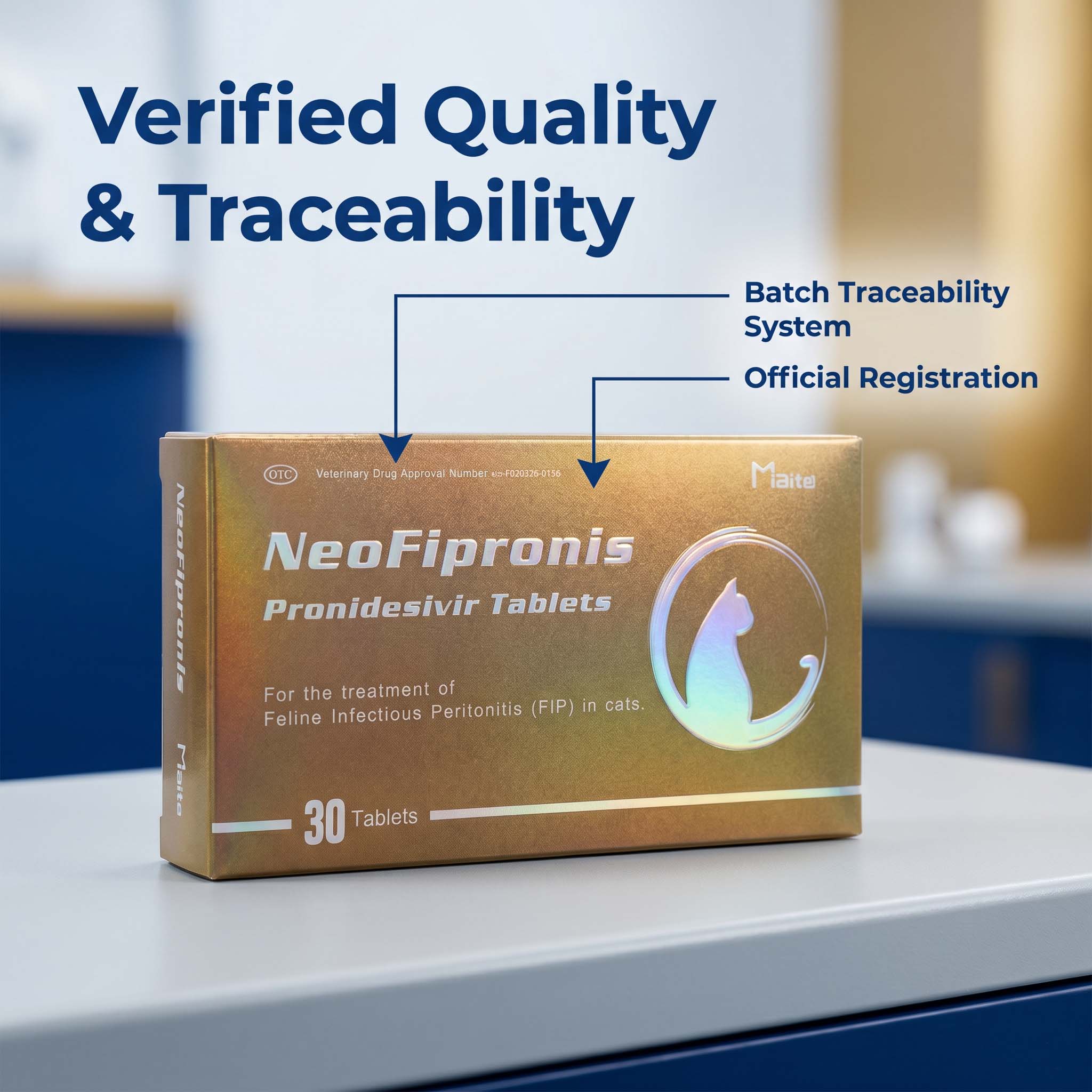
Until recently, FIP was considered universally fatal. Breakthrough antiviral treatments, such as GS-441524 and GC376, have transformed outcomes. Recent studies show that adult cats respond to therapy similarly to younger cats, provided diagnosis is early and supportive care is optimal. Treatment protocols last 12 weeks or longer, require monitoring for side effects, and cost is significant. Increasingly, polypharmacy approaches (combining antivirals with supportive fluids, anti-inflammatories, nutrition) are employed for adults, whose preexisting conditions complicate care.
Survival rates in treated adults range from 50-75%, with neurological or chronic cases presenting the greatest challenges. Remission and relapse rates are comparable to juveniles, though comorbidities must be closely managed to ensure a successful outcome.
Prevention Strategies for Adult Cats
There is currently no available vaccine for FIP in the United States, and control focuses on minimizing coronavirus transmission in high-risk environments. For adult cats, prevention strategies include:
Reducing stressors (environmental stability, gradual introductions)
Regular veterinary monitoring for chronic illness
Isolation protocols for FCoV-positive cats, especially in multi-cat settings
Hygiene improvements (frequent litterbox cleaning, sanitation of food/prep areas)
Shelters and breeders are adopting more sophisticated screening programs to identify chronic carriers and reduce viral shedding. Many experts recommend limiting group sizes, segregating kittens from adults when possible, and testing prior to adoption or transfer.
Implications for Cat Owners and Shelters
FIP in adult cats raises important welfare, financial, and emotional considerations. Older cats—often presumed immune—may be overlooked when presenting with vague signs. Owners should be alert to persistent symptoms (especially fever, weight loss, or neurological changes) regardless of age. Shelter and rescue staff need robust protocols for managing outbreaks, supporting the emotional needs of adopters, and managing cost-intensive treatments.
Veterinary education is rapidly evolving to emphasize adult FIP recognition, multidisciplinary diagnostic approaches, and compassionate communication about prognosis and risks.
Research Frontiers: Adult FIP
Ongoing studies are exploring why some adult cats resist FIP while others succumb, focusing on immune gene polymorphisms, microbiome health, novel antiviral regimens, and environmental triggers. Understanding age-specific responses to FCoV and FIPV could lead to effective vaccines or better predictive tests.
Genomic studies are mapping susceptibility loci, while comparative medicine is investigating parallels between FIP and human coronavirus diseases. Drug repurposing, monoclonal antibody therapies, and earlier diagnostic markers are all frontier areas promising improved adult FIP outcomes.
References
1. Pedersen NC. (2020). Feline infectious peritonitis and feline enteric coronavirus. Veterinary Pathology, 57(3), 456-469.
2. Addie DD, Jarrett O. (1995). Feline coronavirus infections in cats. Veterinary Research, 26(2), 227–235.
3. Dempsey SM, Ewing PJ. (2011). Feline infectious peritonitis: Diagnostic dilemmas and current perspectives. Veterinary Medicine: Research and Reports, 2, 53–60.
4. Felten S, Hartmann K. (2019). Diagnosis of feline infectious peritonitis: A review of the current literature. Viruses, 11(12), 1063.
5. Barker EN et al. (2017). Feline coronavirus—An update on molecular epidemiology and pathogenesis. Viruses, 9(8), 226.
6. Krakowka S et al. (2011). Feline infectious peritonitis: What can we learn from experimental models? Veterinary Immunology and Immunopathology, 142(1-2), 36–44.
7. Izes AM et al. (2020). Antiviral therapy for feline infectious peritonitis: Pathway to novel treatment. Journal of Feline Medicine and Surgery, 22(7), 669–682.
8. Rohrbach BW et al. (2018). Epidemiology of feline infectious peritonitis: Risk factors for the disease and mortality. Journal of Feline Medicine and Surgery, 20(4), 315–323.