Can FIP Cause Neurological Symptoms in Cats
Feline Infectious Peritonitis (FIP) remains one of the most devastating viral diseases affecting cats globally. Caused by certain strains of the feline coronavirus, FIP can progress in diverse ways, targeting various organ systems. Among its clinical manifestations, neurological symptoms have received increasing attention due to challenges in diagnosis and treatment. This article explores the relationship between FIP and neurological signs, discussing current understanding, clinical presentations, diagnostic hurdles, and therapeutic advances, with a focus on clear, evidence-based information for cat owners and veterinary professionals.
Understanding Feline Infectious Peritonitis
FIP arises from mutations in the relatively common feline enteric coronavirus (FECV). While most infected cats experience mild or asymptomatic enteric symptoms, a small percentage develop FIP after the virus mutates within the host. The mutated virus, known as feline infectious peritonitis virus (FIPV), exhibits a tropism for macrophages, leading to systemic spread and severe immune-mediated inflammation.
FIP can occur in any cat but is most common in young cats, densely populated environments like shelters, and certain purebreds. The clinical disease is typically separated into effusive (“wet”) and non-effusive (“dry”) forms, determined by the presence or absence of fluid accumulation in body cavities. Neurological FIP is predominantly associated with the non-effusive form, although mixed presentations may exist.
Pathophysiology of Neurological Involvement
The key factor differentiating neurological FIP from typical systemic forms is the presence of central nervous system (CNS) involvement. The virus infects cells within the CNS, particularly macrophages penetrating the blood-brain barrier. This immune infiltration triggers multifocal pyogranulomatous inflammation throughout the brain and spinal cord. Lesions often occur in the meninges, ventricles, and perivascular areas, with the resulting swelling and exudate disrupting normal neural function.
This neuroinvasion by FIP stands apart from other feline viruses in its propensity to cause both localized and diffuse inflammation. Blood vessel walls may thicken, leading to further neurological damage through impaired perfusion. Importantly, CNS involvement often results in rapidly progressive signs, making prompt recognition critical.
Clinical Neurological Symptoms in FIP-Infected Cats
Cats suffering neurological FIP can present with a variety of signs, often beginning subtly and escalating quickly. Symptoms depend on the location and severity of CNS lesions, making each case unique. Common neurological symptoms associated with FIP include:
Ataxia: Sudden loss of coordination; cats may seem unsteady or walk with a disjointed gait.
Paresis or Paralysis: Weakness, most commonly in the hind limbs, progressing in severe cases to paralysis.
Seizures: Episodic convulsions or twitching, sometimes generalized, sometimes focal.
Behavior Changes: Changes in temperament, confusion, depression, or abnormal vocalizations.
Nystagmus and Head Tilt: Abnormal eye movements or tilted posture, indicating vestibular dysfunction.
Photophobia and Vision Loss: Sensitivity to light or apparent blindness due to optic nerve involvement.
Coma: In late stages, cats may become unresponsive.
The gradual onset of clinical signs is a hallmark. Early symptoms may be mistaken for other diseases, such as ear infections or trauma. As the disease advances, the severity increases, often leading to complete disability within weeks.
Diagnostic Challenges
Accurately diagnosing FIP, particularly its neurological form, presents significant challenges. No single test definitively confirms FIP ante-mortem, making diagnosis largely based on a combination of factors:
History and Signalment: Young age, shelter/foster cat history, and high-risk breeds provide initial clues.
Clinical Signs: Both systemic and neurological symptoms must be evaluated, particularly multifocal signs involving CNS.
Laboratory Tests: Bloodwork often reveals lymphopenia, elevated globulins, and high protein ratios. Cerebrospinal fluid (CSF) analysis may show increased protein and cell counts, especially neutrophils.
Imaging: MRI and CT scans can visualize brain changes consistent with FIP, including ventricular dilation or meningeal thickening.
Coronavirus Detection: PCR assays can detect viral RNA in blood, effusions, or CSF, though they do not distinguish between FECV and FIPV.
Immunohistochemistry and Histopathology: Detection of coronavirus antigen within macrophages in CNS tissue remains the gold standard.
The complexity and overlap with other neurological diseases—such as toxoplasmosis, lymphoma, or trauma—mean clinicians must adopt a holistic diagnostic approach, combining history, symptomatology, laboratory, and imaging findings to arrive at a presumptive diagnosis.
Differential Diagnosis
Discerning neurological FIP from other CNS disorders is essential to guide treatment and prognosis. Important differentials include:
Toxoplasmosis: Often characterized by similar neurological signs but more responsive to anti-protozoal treatment.
Cryptococcosis and Other Fungal Infections: These may produce mass lesions or diffuse inflammation.
Neoplasia: Lymphoma is a prominent cause of CNS signs in cats and may mimic FIP.
Other Viral or Bacterial Meningoencephalitides: Rabies, feline leukemia virus (FeLV), and bacterial infections must all be considered.
Accurate diagnosis thus depends on the interplay between characteristic clinical presentation, exclusion of other diseases, advanced imaging, and direct detection of viral material.
Advances in Treatments
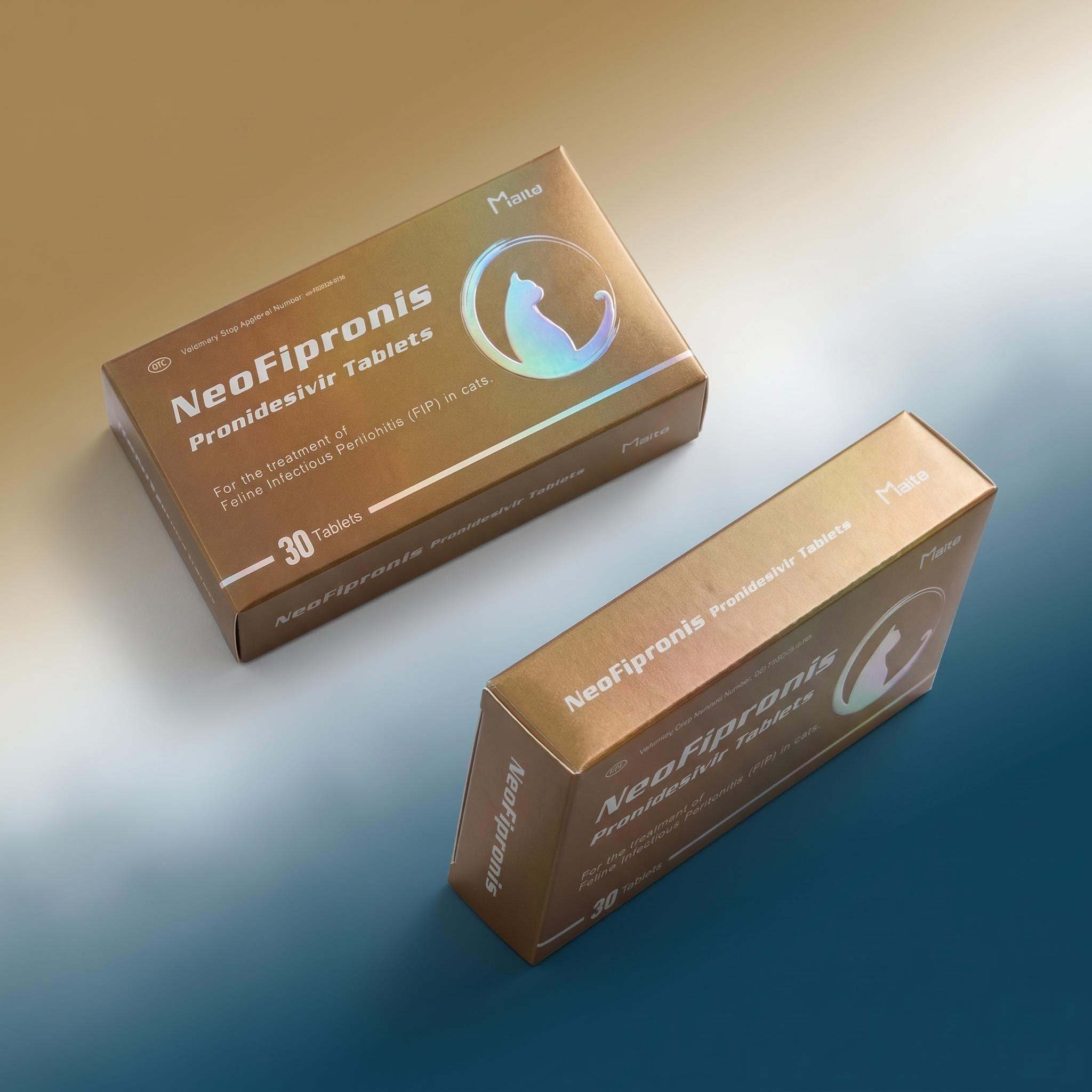
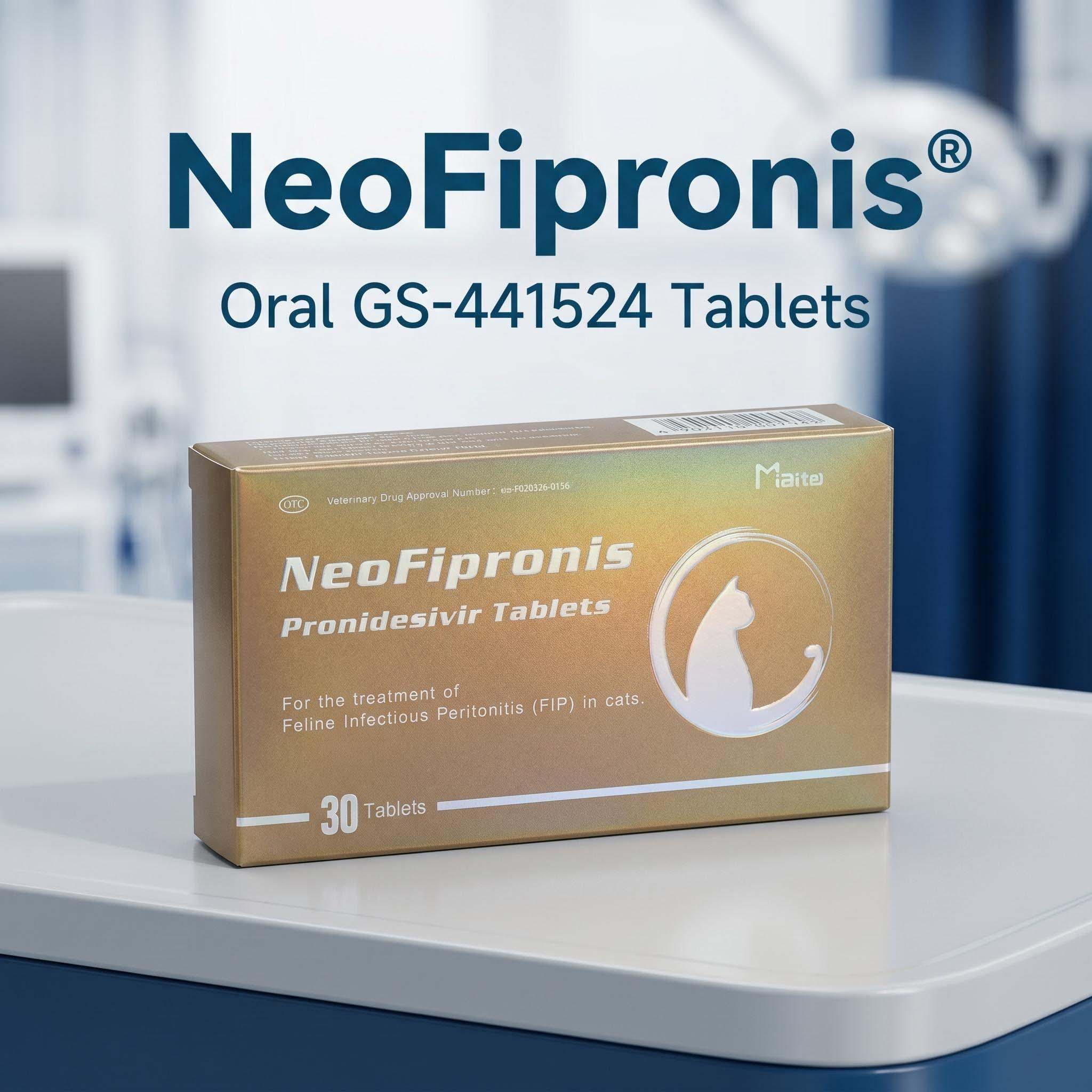
Historically, neurological FIP was considered universally fatal. The emergence of new antiviral drugs has changed the treatment landscape. Notably, nucleoside analogs like GS-441524 and remdesivir have shown significant efficacy in reversing CNS signs and extending survival. These drugs inhibit viral replication and, crucially, can cross the blood-brain barrier.
GS-441524: Cats treated early in the disease course, especially before paralysis or coma, experience rapid improvement in up to 70% of cases based on recent studies.
Remdesivir: Used off-label, particularly in Europe and Australia, with similar CNS penetration and clinical efficacy.
Supportive Care: Management of seizures, fluid balance, feeding, and general nursing remain important throughout treatment.
Treatment duration is typically 12-15 weeks. Relapses may occur, and some cats require dose adjustments. Cost and drug access are significant barriers, and some regions lack legal access to these drugs. Clinical trials continue to refine protocols, but the availability of effective antivirals marks a new era in FIP management.
Prognosis for Cats with Neurological FIP
The prognosis for cats with FIP involving the nervous system has traditionally been poor, with median survival measured in weeks without intervention. However, with antiviral therapy, the outlook is improving. Factors influencing prognosis include:
Age: Younger cats often have a better response to treatment.
Severity and Duration of Symptoms: Mild or early neurological involvement responds better to antivirals.
Concurrent Systemic Disease: Cats with extensive organ involvement may face greater challenges in recovery.
Access to Therapy: Availability of drugs and experienced veterinary support make a significant difference.
Cats showing improvement within two weeks of therapy are likely to continue progressing, though long-term follow-up is vital. Relapse can occur, with subsequent treatment often required.
Preventive Strategies
Reducing FIP incidence, and by extension its neurological manifestations, is rooted in minimizing exposure to feline coronavirus and preventing viral mutation. Prevention is multifactorial:
Environmental Management: Low stress, reduced crowding, and good hygiene lower overall coronavirus transmission.
Breeding Practices: Breeders should minimize close contact among kittens and adults, avoid early weaning, and practice rigorous screening.
Vaccination: Currently, no vaccine reliably prevents FIP. Available vaccines offer questionable efficacy, and most experts do not recommend them for routine use.
Early Detection and Isolation: Cats with compatible symptoms must be evaluated promptly to reduce spread.
Owners should avoid introducing new cats into environments with high FIP history. Thorough cleaning with appropriate disinfectants removes the virus from surfaces.
Living With and Supporting Cats Diagnosed With Neurological FIP
Owners facing a diagnosis of neurological FIP experience immense emotional and financial strain. Thrust into a rapidly evolving clinical picture, it is essential that they work closely with their veterinary team. Key considerations for care:
Early Symptom Recognition: Owners should monitor for subtler neurological signs such as altered gait, confusion, or mild seizures and report them immediately.
Home Environment: Safe, supportive, and low-stress environments improve quality of life and chances of recovery.
Nutrition and Hygiene: Proper diet and meticulous litterbox cleanliness reduce secondary health risks.
Communication: Regular updates between owner and veterinary team can adapt treatment plans and offer support.
Modern therapies mean that diagnosis is no longer an automatic death sentence. Owners may be encouraged by new research and the possibility of meaningful recovery.
Research Directions and Future Perspectives
The field of FIP research is dynamic, with ongoing investigations into viral pathogenesis, means of distinguishing FIPV from benign FECV, and improved antiviral therapy. Specific areas of interest include:
Next Generation Antivirals: Refining existing drugs and developing molecules with increased CNS penetration.
Biomarkers of Early CNS Involvement: Blood and CSF markers could enable earlier, more accurate diagnosis.
Immunological Therapies: Strategies that modulate the overactive immune response could prevent tissue damage and disease progression.
Genetic Susceptibility: Understanding why certain breeds and individuals are more susceptible could lead to new prevention strategies.
International collaborations accelerate progress, and increasing availability of veterinary clinical trials means more affected cats gain access to cutting-edge care.
References
Pedersen NC. "An update on feline infectious peritonitis: virology and immunopathogenesis." Veterinary Journal.
Kipar A, Meli ML. "Feline infectious peritonitis: still an enigma?" Veterinary Pathology.
Dick EJ et al. "Neurological and ocular manifestations of feline coronavirus infection." Journal of Feline Medicine and Surgery.
Dziecioł M, et al. "Diagnostic challenges in cats with neurological signs associated with FIP." Journal of Small Animal Practice.
Murphy BG et al. "Oral GS-441524 therapy for cats with FIP and neurological signs." Journal of Veterinary Internal Medicine.
Addie DD, et al. "Feline coronavirus infections and FIP: epidemiology and diagnosis." Veterinary Clinics of North America: Small Animal Practice.
Vennema H, et al. "Genetic markers of feline coronavirus leading to FIP." Journal of General Virology.
Hartmann K. "Clinical aspects of feline infectious peritonitis." Veterinary Immunology and Immunopathology.
Taylor SS, et al. "MRI findings in cats with neurological disease due to FIP." Veterinary Radiology & Ultrasound.
Norris JM et al. "Preventive strategies against FIP in multicat environments." Journal of Feline Medicine and Surgery.