NeoFipronis Safety and Usage Recommendations
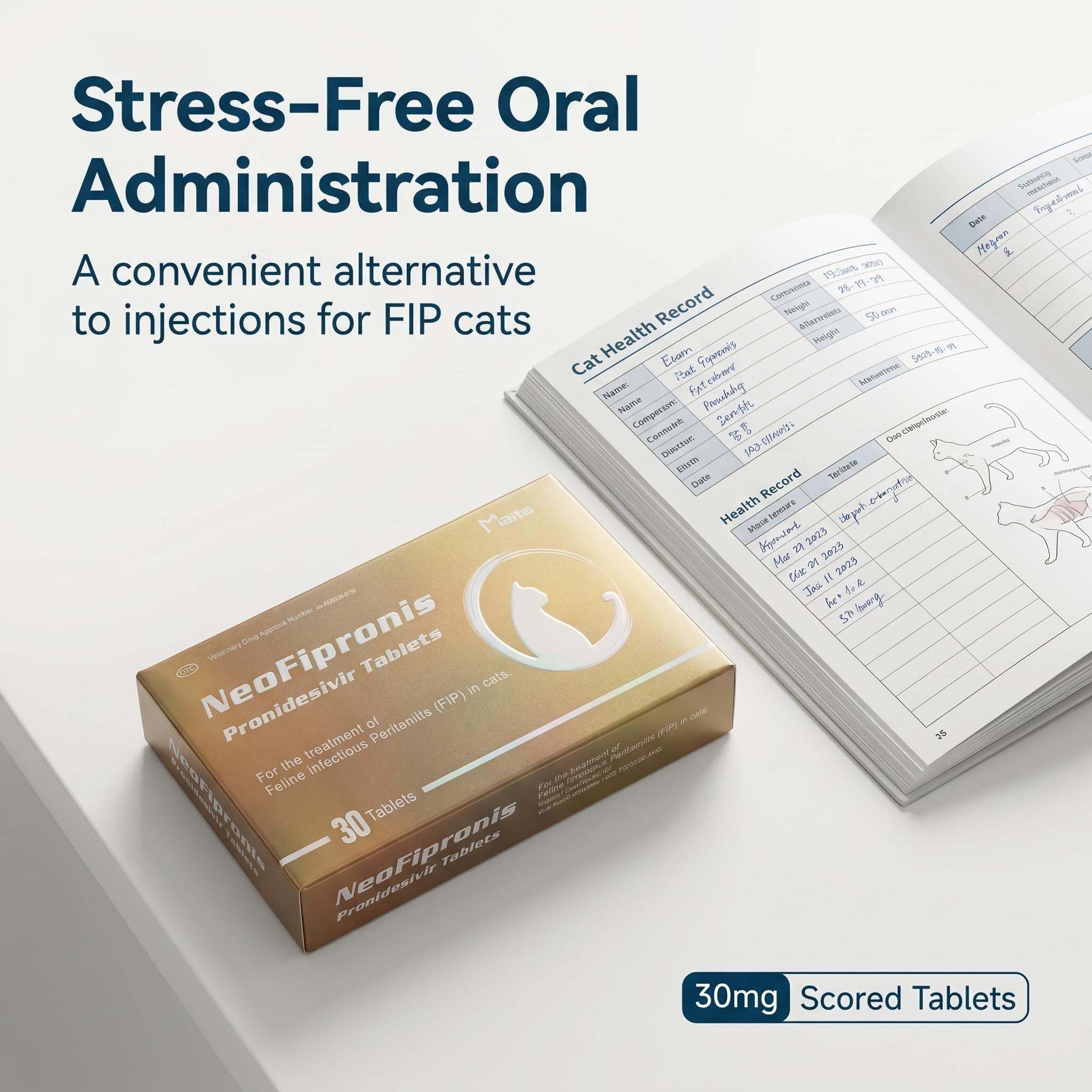
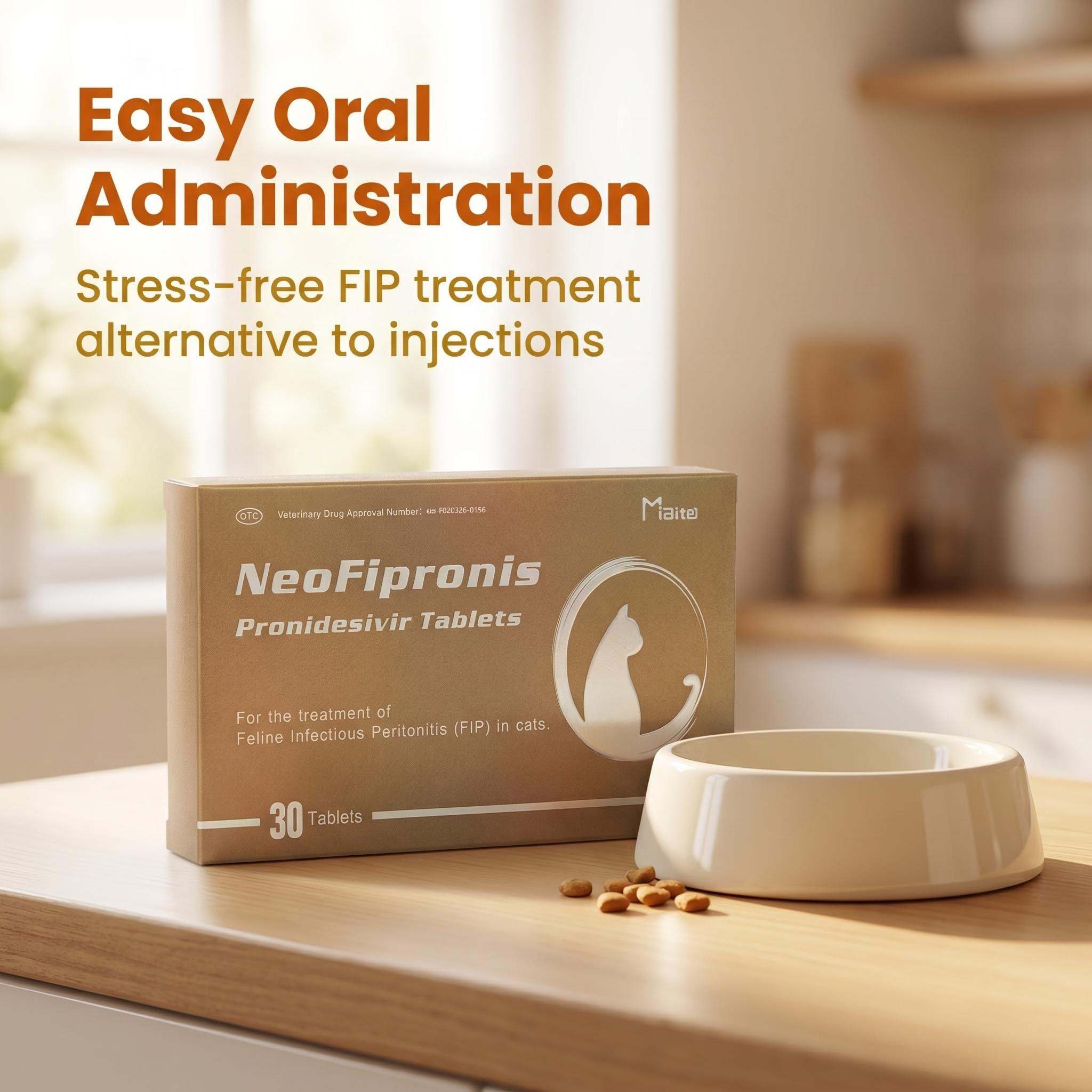
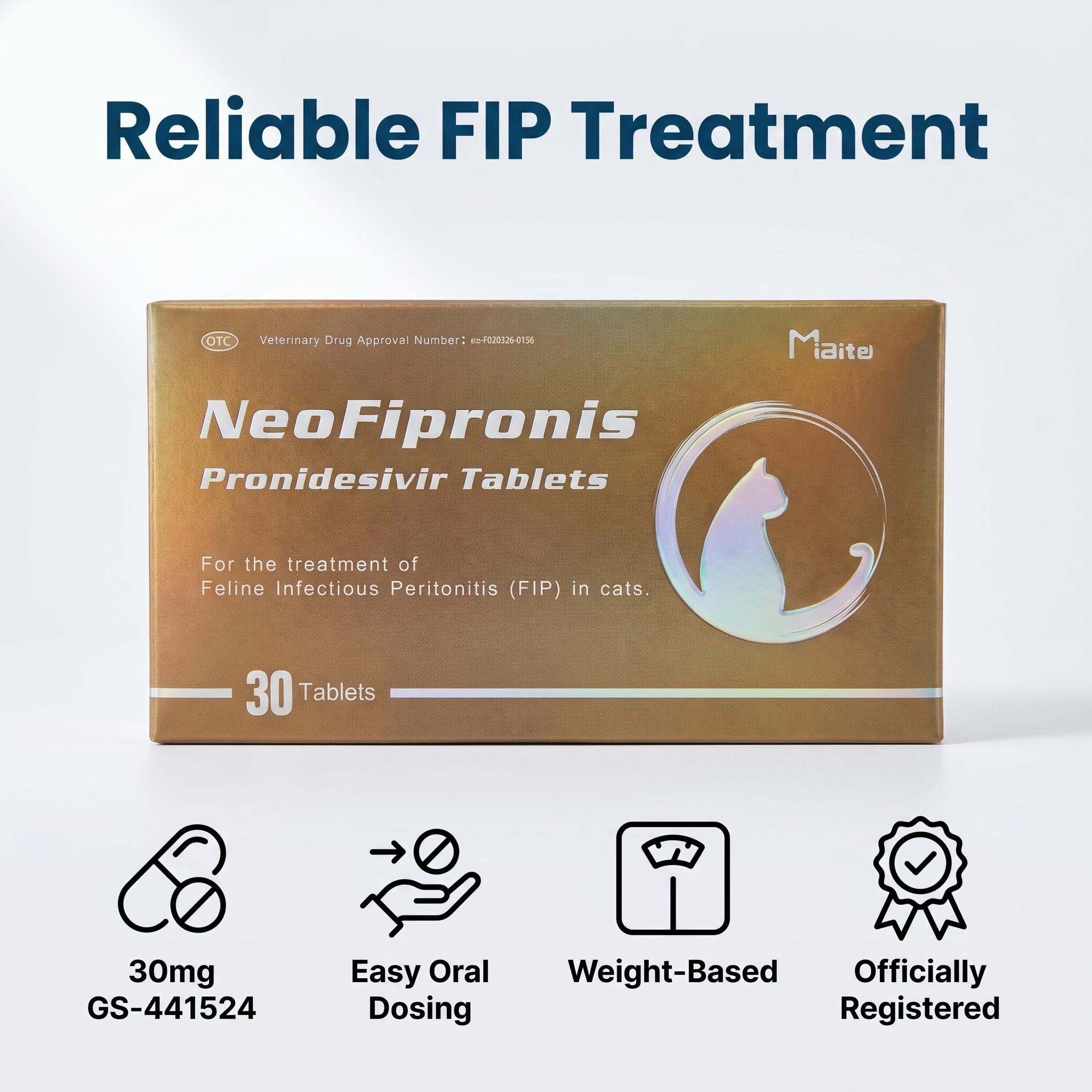
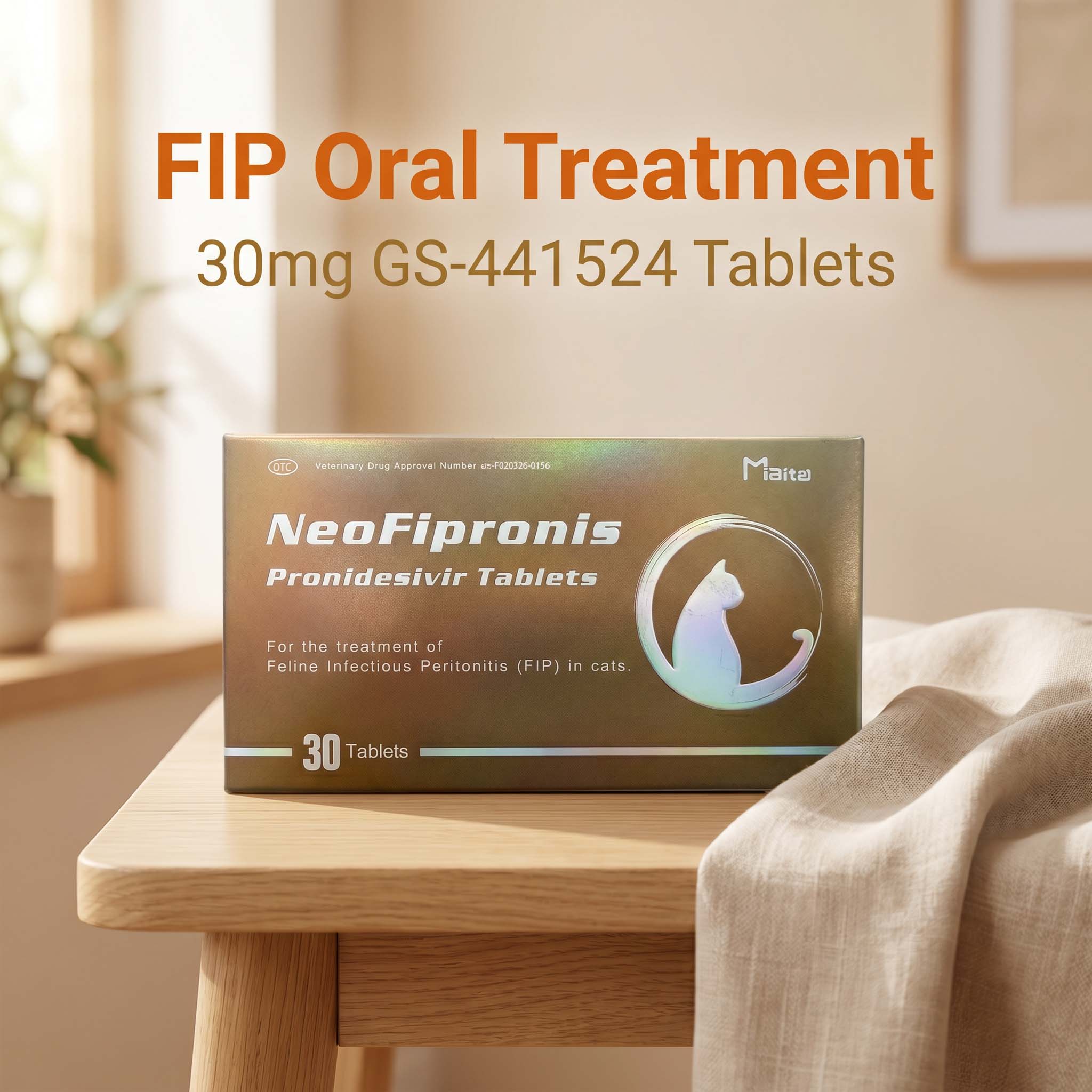
NeoFipronis (Pronidesivir) GS-441524 is a groundbreaking oral treatment for Feline Infectious Peritonitis (FIP), a deadly and highly contagious disease affecting cats worldwide. Approved by the Lao Ministry of Agriculture and Forestry (MAF) in March 2026, NeoFipronis is the first officially registered FIP medication with a dedicated registration number, marking a significant advancement in feline veterinary medicine.
FIP manifests with symptoms such as loss of appetite, lethargy, fever, abdominal and chest effusions, lymphadenopathy, granulomatous inflammation, neurological damage, and uveitis. NeoFipronis has demonstrated exceptional efficacy in alleviating these symptoms, significantly improving survival times and quality of life in affected cats. Its active compound, GS-441524, has been extensively studied and validated through clinical trials, confirming its potent antiviral capabilities.
NeoFipronis's unique formulation offers several advantages: it is a safe, non-invasive oral medication, rapidly absorbed, with quick onset of action. It is well-tolerated, with minimal adverse effects reported. The medication’s safety profile and efficacy make it a preferred choice for veterinarians and cat owners managing FIP cases.
Dosage and Administration
The recommended dosage of NeoFipronis is based on the cat’s weight, with an initial dose of 15mg per kilogram (approximately half a tablet), administered once daily. For cats exhibiting neurological or ocular symptoms (neuro-ocular FIP), the dose may be increased to 30mg/kg, but this should always be under veterinary supervision. Optimal administration times are either one hour before meals or two hours after, preferably on an empty stomach, to facilitate rapid absorption.
Treatment Duration and Monitoring
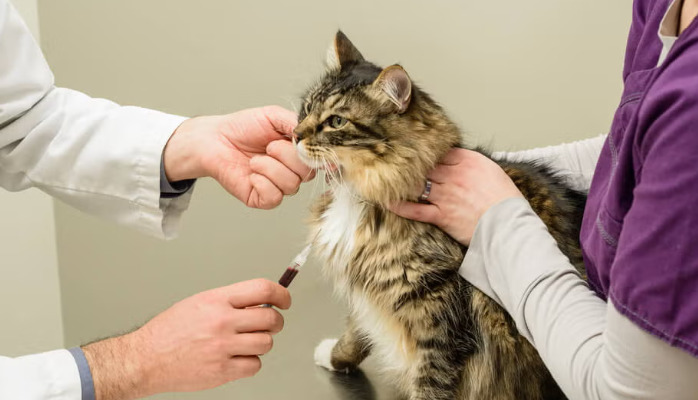
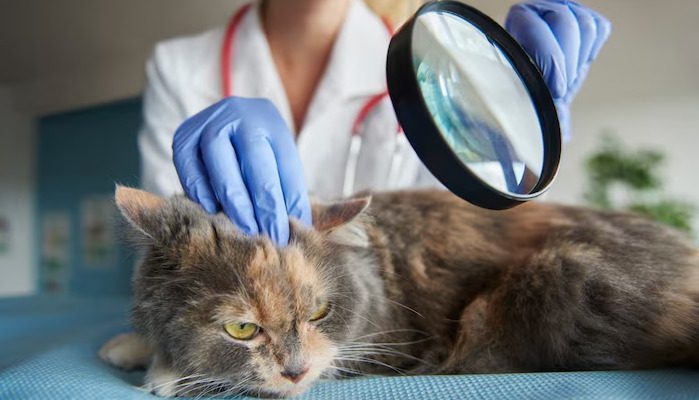
Patients should receive NeoFipronis continuously for no less than 12 weeks to ensure complete viral suppression. Skipping doses can compromise treatment efficacy and increase resistance risks. During therapy, owners should closely observe their cats for changes in appetite, activity levels, body temperature, and overall behavior. Regular veterinary check-ups—including blood tests to monitor liver and kidney functions—are essential to identify any adverse reactions early.
Precautions and Warnings
Though classified as an over-the-counter medication, NeoFipronis should be used under the guidance of a licensed veterinarian. Proper dosing and duration are critical for successful treatment outcomes. The medication is exclusively intended for feline use; human consumption is strictly prohibited. Cat owners are advised to purchase NeoFipronis only from official sources, such as the official NeoFipronis website, to ensure product authenticity and quality.
Safety Profile
NeoFipronis has shown a high safety margin in clinical applications, with few side effects reported. Mild gastrointestinal upset may occasionally occur but typically resolves without intervention. It is vital to adhere to prescribed dosages and treatment timelines to maximize benefits and minimize risks.
Final Recommendations
Veterinarians should tailor FIP treatment plans based on individual cat conditions, especially for neurological or ocular cases requiring dosage adjustments. Regular monitoring and compliance with dosing guidelines are paramount for effective therapy. NeoFipronis’s user-friendly oral format improves owner compliance and facilitates early intervention, which is critical in managing FIP.
Conclusion
NeoFipronis (Pronidesivir) GS-441524 offers a highly effective, safe, and convenient solution for treating FIP in cats. Its widespread approval and clinical validation underscore its pivotal role in feline infectious disease management. For optimal results, always consult with a licensed veterinarian, adhere strictly to dosage instructions, and source the medication from verified channels to ensure safety and efficacy.