Are Nutritional Supplements Necessary During FIP Treatment
Feline Infectious Peritonitis (FIP) is one of the most challenging and devastating diseases affecting cats worldwide. Caused by a mutation of the feline coronavirus, FIP can lead to progressive immune-mediated illness, often resulting in severe outcomes if left untreated. Treatments in recent years—especially antivirals like GS-441524—have dramatically improved survival rates, but supportive care remains crucial for affected cats. Among the many supportive interventions, nutritional supplements are frequently discussed. Cat owners and veterinarians alike often wonder: Are nutritional supplements necessary during FIP treatment, and if so, which ones should be used? This article explores the underlying causes of FIP, treatment options, and the role (and necessity) of dietary supplements, based on current evidence and expert consensus.
Understanding FIP and Its Impact on Nutrition
FIP arises when a benign feline coronavirus mutates, enabling it to thrive within certain immune cells, causing widespread inflammation. Clinical signs depend on the form of FIP—wet (effusive) or dry (non-effusive)—but common symptoms include lethargy, fever, poor appetite, weight loss, abdominal distension, and sometimes neurological signs. Both forms can dramatically impact a cat’s nutritional status.
Cats with FIP often become anorexic, lose lean body mass, and may develop gastrointestinal issues due to systemic inflammation. In the wet form, protein-rich fluid accumulates in body cavities, further lowering plasma protein levels. These changes put cats at high risk for malnutrition, which in turn can weaken the immune system and reduce chances of recovery.
What Does FIP Treatment Involve?
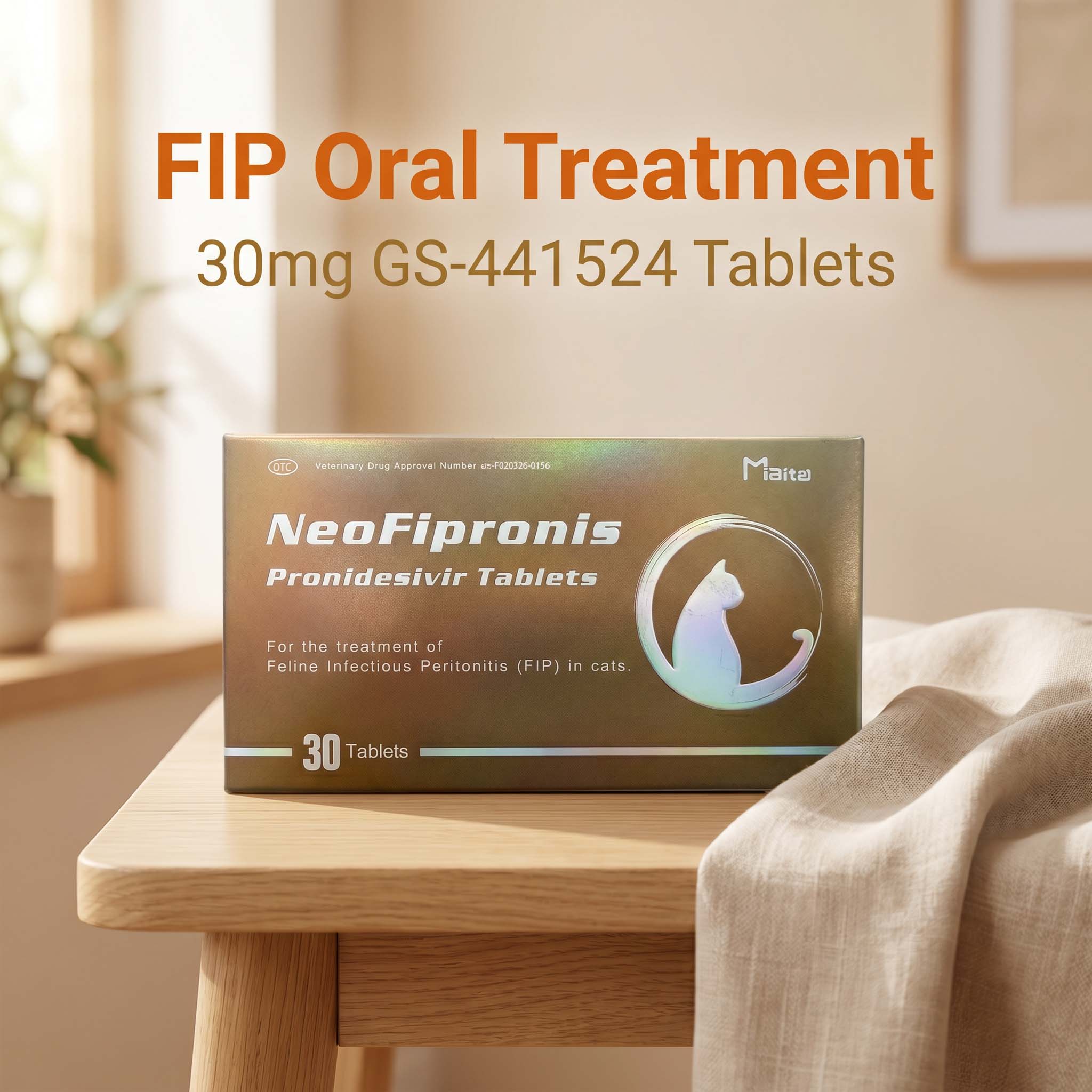
Since breakthroughs in antiviral therapy, specifically with nucleoside analogs such as GS-441524, the primary approach to treating FIP revolves around these medications. Ideally, treatment is guided by a veterinarian, maximizing survival while managing clinical signs.
Supportive care remains a critical adjunct to antiviral therapy. This typically includes:
Fluid therapy for dehydration
Anti-inflammatory drugs
Appetite stimulants
Pain management
Antibiotics for secondary infections
Nutritional support
Occasionally, immune modulators
Supportive management aims to stabilize the cat, promote comfort, and address deficiencies that can arise during illness. Nutrition is often foregrounded because of the severe impact FIP can have on a cat’s appetite and the body’s protein reserves.
Nutritional Needs of FIP-Affected Cats
Cats with FIP face unique nutritional challenges. Diminished appetite and difficulty eating lead to rapid loss of muscle and fat stores. The inflammatory state induced by FIP increases metabolic rate, leading to greater energy and protein requirements. Maintaining good nutritional status is vital for immune resilience, wound healing, and drug metabolism.
Key elements of nutritional support during FIP treatment include:
Adequate Caloric Intake: Preventing weight loss and muscle wasting by providing sufficient energy.
High-Quality Protein: Minimizing loss of lean muscle mass, especially important when serum albumin is low.
Vitamins & Minerals: Supporting immune function and tissue repair.
Hydration: Both oral and intravenous fluid support, as indicated by the presence of effusions and dehydration.
Often, cats will only accept highly palatable or novel foods, and hand-feeding or syringe feeding may be necessary. Some cats may require feeding tubes to maintain caloric intake.
What Are Nutritional Supplements?
Nutritional supplements for cats are products adding specific vitamins, minerals, amino acids, or other compounds to the diet. They range from multivitamin powders to targeted items such as omega-3 fatty acids, probiotics, B-vitamin complexes, or immune modulators. The supplement industry is substantial, with products marketed for general health, joint support, immune function, and appetite stimulation.
When considering supplements for cats with FIP, it is essential to evaluate whether these products:
Address a specific deficiency or problem
Are supported by scientific evidence in feline medicine
Do not interfere with FIP medications or exacerbate the disease
The answer is not always clear cut.
Where’s the Evidence? Supplements and FIP
To date, there is no robust published evidence showing that nutritional supplements alone significantly improve outcomes for FIP cats. The primary determinant of recovery is response to antiviral therapy, not supplementation. However, some supplements may help address particular symptoms or deficiencies arising during the course of illness and treatment.
Supplements considered for cats during FIP treatment include:
1. Omega-3 Fatty Acids
Omega-3s (EPA, DHA) have anti-inflammatory effects. In theory, adding fish oil may help reduce systemic inflammation, though direct evidence in FIP cats is lacking.
2. B-Complex Vitamins
Cats with poor appetite or chronic illness may develop B-vitamin deficiencies, which can worsen lethargy and anemia. Supplementing B-complex (especially thiamine, B12) can be beneficial, especially when malabsorption or chronic loss is suspected.
3. Probiotics
Probiotics can help promote gut health, especially in cats given antibiotics for secondary infections.
4. Taurine
Essential for cats, taurine deficiency can complicate recovery from illness. Most commercial diets are already taurine-sufficient, but supplementation might be considered if unusual eating patterns are observed.
5. Antioxidants (Vitamin E, C)
Some advocate for antioxidant use during inflammation, but evidence for benefit in FIP is anecdotal.
6. L-Carnitine
May support energy metabolism in debilitated cats, but research is very limited.
7. Immune Modulators
Products such as beta-glucans, colostrum, and certain herbal extracts are marketed to “boost immunity.” To date, there have been no published studies showing that these products aid cats during FIP treatment. Furthermore, some immune stimulation may be harmful given the immune-mediated nature of FIP.
Risks and Considerations Associated With Supplement Use
Cats are sensitive to overdoses and misbalanced nutrient intake. Some supplements, notably vitamin D, vitamin A, calcium, and iron, can cause toxicity if not properly dosed. Additionally, excess supplementation can interfere with primary treatments. Fatty acid supplements, for example, may interact with certain drugs or exacerbate diarrhea. Herbal products may alter liver metabolism of essential antivirals.
Unregulated supplements pose risks of contamination and mislabeling. In the U.S., pet supplements are not tightly regulated by the FDA compared to human drugs and foods. Only select veterinary products, typically prescribed by a veterinarian, are subject to more rigorous audits.
Finally, some cat owners, desperate for solutions, may opt for “natural” or alternative supplements that lack efficacy and could delay critical medical care.
Veterinary Guidance: The Cornerstone of Safe Supplementation
Veterinarians are essential in guiding supplement choices for FIP cats. They can assess deficiencies, monitor for side effects, and adjust doses appropriately. Bloodwork (CBC, chemistry, albumin levels, vitamins) helps determine if supplements are necessary. In most cases, if a cat is able to eat a balanced commercial diet (wet or dry), and if antiviral therapy is progressing well, additional supplementation may not be required except to address specific deficiencies.
Support should be customized:
Anorexic cats may need B12 injections.
Cats with chronic diarrhea may need probiotics.
Low albumin levels may warrant additional protein.
Cats on long-term medications may need extra antioxidants.
Blanket supplementation, without clear rationale, risks harm and rarely benefits.
Palatability and Feeding Tactics
A major challenge is administering supplements to cats with FIP, who often experience food aversion. Supplements should be palatable, easy to administer, and compatible with a cat's eating habits. Liquid and powder formulations may be easier to hide in food or administer directly. Cats with severe anorexia may benefit more from appetite stimulants or assisted feeding rather than oral supplements.
Feeding tubes can be a safe way to provide both nutrition and supplement support if other methods fail.
Current Recommendations: What Do Experts Say?
The consensus among board-certified feline practitioners and FIP researchers is:
Treating FIP requires prompt antiviral therapy.
Supportive nutrition is essential, but specific dietary supplements are rarely necessary unless a deficiency is diagnosed.
Supplements are appropriate when documented by history, physical exam, or lab work.
In homes where high-quality commercial cat food is available, additional supplements usually serve little additive benefit.
Supplements—if used—should be veterinary-grade, dosed properly, and free from harmful ingredients.
Cats on specialty diets (homemade, raw, or severely restricted) may need tailored supplementation to avoid deficiencies, especially if their illness reduces intake.
Common Misconceptions About Supplements and FIP
Myth: “Supplements alone can cure FIP.”
Reality: No supplement has been shown to cure or significantly treat FIP in the absence of antiviral drugs.
Myth: “More supplements are better.”
Reality: Over-supplementation risks toxicity and may worsen outcomes.
Myth: “Natural products are always safer.”
Reality: ‘Natural’ does not mean safe or effective, and some herbal products can be harmful for cats.
Myth: “Supplements can prevent FIP.”
Reality: There is no evidence that dietary supplements prevent FIP occurrence.
Home Care and Nutritional Support Without Supplements
Many FIP cats recover on high-quality commercial diets alone, with creative feeding strategies and careful attention to their preferences. Warming food, offering diverse flavors, and hand-feeding encourage appetite. Hydration and caloric intake are paramount. Supplements can play a role in selected cases, but good nutrition, medical therapy, and emotional support remain the pillars of care.
When Are Supplements Absolutely Necessary?
Supplements are essential if:
Lab results confirm a deficiency (e.g., low cobalamin/B12, hypoproteinemia).
A cat cannot tolerate enough food by mouth to meet its needs.
Concurrent diseases (e.g., chronic kidney, liver disease) change dietary requirements.
A cat is receiving medications that deplete specific nutrients.
Outside these scenarios, a complete, well-balanced diet is usually sufficient during FIP treatment.
Conclusion
Nutritional supplements are not universally required during FIP treatment in cats. The major path to recovery remains antiviral intervention and supportive veterinary care. Supplements may be beneficial in select cases, especially when guided by laboratory evidence and close monitoring. Cat owners should resist the urge to try unproven supplements, opting instead for veterinary-directed strategies centered on optimal nutrition, hydration, and comfort.
References
1. Pedersen, N.C. "An update on feline infectious peritonitis: pathogenesis and therapeutics." Veterinary Journal 2014; 201(2): 133–141.
2. Addie, D.D., et al. "Feline infectious peritonitis: ABCD guidelines on prevention and management." Journal of Feline Medicine and Surgery 2019; 21(7): 642-655.
3. Krentz, D., Zielske, J., "GS-441524 Treatment in 18 Cats with Feline Infectious Peritonitis, A 2022 Clinical Review." Journal of Feline Medicine and Surgery Open Reports. 2022; 8(1): 20551169221094393.
4. Lappin, M.R., "Nutritional Supplements for Cats: Are They Needed?" Journal of Small Animal Practice 2018; 59(9): 541–553.
5. Sparkes, A.H., "Feeding sick cats: practical nutritional management." Journal of Feline Medicine and Surgery 2010;12(8):563-572.
6. Freeman, L.M., "Nutrition in critically ill cats." Journal of Feline Medicine and Surgery 2013;15(1):7-13.
7. Remillard, R.L., "Nutritional support in feline patients." Veterinary Clinics of North America: Small Animal Practice, 2016;46(6):1149-1165.
8. FDA Center for Veterinary Medicine. "Supplement Regulation in Companion Animals." Accessed January 2024.
9. Heinze, C.R., "Dietary Supplements for Pets: A Review." Topics in Companion Animal Medicine 2013;28(4):162–169.
10. Scott, C.S., "Patient management during FIP: The role of nutrition." Proceedings of the American Association of Feline Practitioners, 2021.