How to improve immunity in FIP

Understanding how to bolster a cat’s immune system to combat Feline Infectious Peritonitis (FIP) is crucial, given the disease’s complexity and devastating impact. FIP results from a mutated form of the feline coronavirus (FCoV), which typically exists harmlessly in many cats. Strengthening the immune response involves a multifaceted approach tailored to support overall health, minimize stress, and optimize immune function.
Optimal Nutrition and Dietary Support
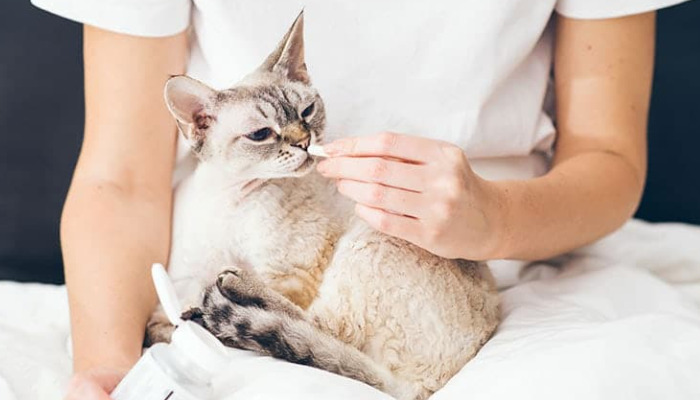
Providing a balanced, high-quality diet is fundamental. Nutrients such as vitamins A, C, and E, along with minerals like zinc and selenium, play essential roles in immune regulation. Specialized supplements containing nucleotides or omega-3 fatty acids can further enhance immune resilience by reducing inflammation and supporting cellular health. Ensuring consistent access to clean, fresh water also aids in maintaining optimal metabolic and immune functions.
Stress Reduction and Environmental Enrichment
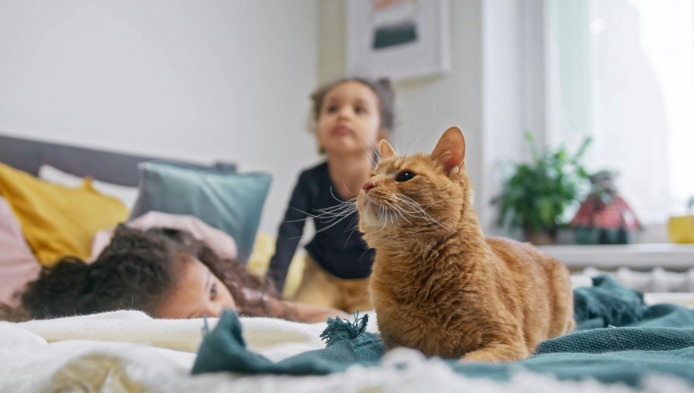
Chronic stress suppresses immune activity, making cats more vulnerable to infections like FIP. Creating a calm, stable environment minimizes anxiety. Techniques include providing cozy resting areas, maintaining routine feeding schedules, and avoiding abrupt changes in surroundings. Enriching the environment with toys, scratching posts, and opportunities for play not only stimulates mental health but also positively impacts immune responses.
Regular Preventive Healthcare
Routine veterinary check-ups facilitate early detection of health issues and ensure timely intervention. Vaccinations against common feline diseases strengthen immune defenses; however, while a vaccine against FIP exists in some regions, its efficacy remains under study. Regular deworming and flea control prevent parasitic burdens that could compromise immune functions. Blood tests and health assessments can identify underlying conditions that impair immunity, allowing for targeted treatment.
Controlled Exposure and Viral Load Management
Since FIP arises from a mutation of FCoV within the host, managing viral load is critical. Reducing exposure to infected cats or contaminated environments decreases the chances of infection and mutation. Implementing strict hygiene protocols, such as disinfecting litter boxes and bedding frequently, limits environmental viral presence. Isolation of infected cats minimizes spread and reduces stress-induced immune suppression in the colony.
Immunomodulatory and Supportive Therapies
Emerging treatments include immunomodulators that enhance the cat’s immune response. Agents like interferons or certain herbal supplements can boost antiviral defenses, although veterinary guidance is essential. Additionally, supporting the immune system with antioxidants helps neutralize free radicals generated during immune activation, protecting tissues from oxidative damage.
Managing Coexisting Conditions
Underlying health problems such as chronic infections, dental diseases, or metabolic disorders can weaken immune responses. Addressing these issues improves overall health and resilience against FIP. Maintaining a healthy weight, controlling inflammation, and ensuring vaccination status are integral to immune support strategies.
Genetic Considerations and Breeding Practices
Certain breeds or lineages may possess genetic predispositions affecting immune competence. Responsible breeding that emphasizes genetic diversity and overall health reduces the risk of immune deficiencies. Genetic screening can identify susceptible cats, allowing for informed decisions that favor immune robustness.
Environmental and Lifestyle Factors
Indoor cats generally experience fewer exposures to infectious agents, reducing infection risk. Conversely, outdoor access might expose cats to diverse pathogens, necessitating stricter hygiene and monitoring. Ensuring ample exercise and mental stimulation contributes to overall vitality and immune strength.
Emerging Research and Future Directions
Advances in feline immunology are unraveling potential immunotherapies and vaccines that could dramatically alter FIP prognosis. Ongoing studies into genetic markers, novel antiviral agents, and immune modulators promise more targeted and effective strategies to prevent and treat FIP.
Strengthening the immune system to prevent or combat FIP demands a combination of proper nutrition, environmental management, preventive healthcare, and emerging therapeutic options. Keeping abreast of ongoing scientific developments provides hope for more effective interventions in the future.