Is It Likely That a Cat Will Get FIP
Feline Infectious Peritonitis (FIP) is a complex and often devastating disease in cats, caused by a mutated form of the feline coronavirus (FCoV). Understanding the likelihood of a cat developing FIP involves examining various factors, including viral prevalence, environmental influences, and individual health conditions.
Prevalence of Feline Coronavirus in Cat Populations
Feline coronavirus is remarkably common, especially in multi-cat environments such as shelters, breeding facilities, and households with multiple cats. Studies indicate that juvenile cats and those living in crowded or unsanitary conditions have the highest rates of infection, with some research suggesting that up to 80-90% of cats in high-density settings may carry FCoV. However, the vast majority of infected cats remain asymptomatic or exhibit only mild symptoms.
The presence of FCoV alone does not invariably lead to FIP. Instead, it is the mutation of the virus within certain cats that precipitates the development of FIP. This mutation occurs infrequently, which significantly impacts the overall likelihood of disease manifestation.
Factors Influencing Disease Development
Genetic Susceptibility
Certain cat breeds appear more predisposed to developing FIP. Particularly, purebred cats such as Bengals, Scottish Folds, and Birmans demonstrate higher FIP incidence rates, possibly due to genetic factors affecting immune response. However, breed alone does not determine risk; individual immune competence plays a crucial role.
Age and Immune Status
Young cats, especially those under two years, are more vulnerable owing to their developing immune systems. Conversely, immunosuppressed cats, such as those with concurrent illnesses or undergoing certain treatments, also face elevated risks since their immune defenses are compromised, allowing mutated virus proliferation.
Environmental Stressors
Stress dramatically influences FIP development. Changes such as introduction of new animals, relocation, or inadequate nutrition can weaken immune function. Elevated stress levels increase viral replication and mutation probability, leading to a higher chance of FIP.
Pathogenesis and Mutation Mechanics
The transition from benign FCoV infection to FIP involves a mutation within the virus that alters its cell tropism, enabling it to infect macrophages effectively. This shift triggers widespread inflammatory responses across body cavities, leading to the characteristic symptoms of FIP.
Such mutations are random and infrequent, making the transformation from harmless infection to deadly disease rare. According to veterinary studies, only a small percentage of cats infected with FCoV develop FIP—estimates vary but typically fall below 10%.
Transmission Dynamics and Risk Assessment
FCoV transmits mainly through fecal-oral routes, with infected cats shedding the virus in their feces. Close contact, shared litter boxes, and grooming behaviors facilitate spread, which is why densely populated environments witness higher infection rates.
While exposure to FCoV is common, progression to FIP remains limited. The majority of infected cats never develop the disease because individual genetic makeup, immune response, and environmental conditions collectively determine disease progression. Therefore, although infection rates are high, FIP incidence is relatively low.
Preventative Strategies and Management
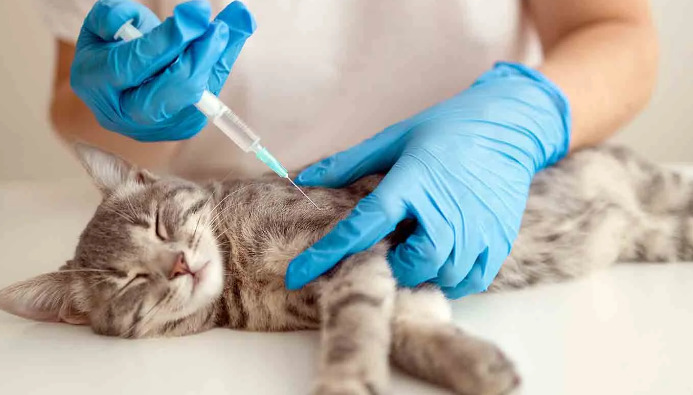
Preventive measures include maintaining a clean environment, reducing stress, minimizing overcrowding, and possibly segregating infected cats. Vaccination exists but offers limited protection and is not widely adopted due to concerns over efficacy.
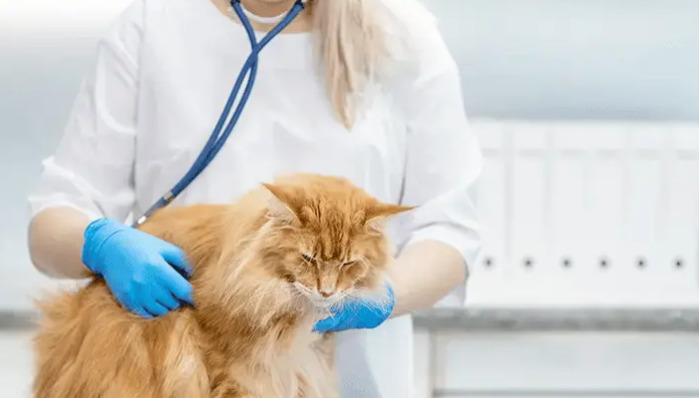
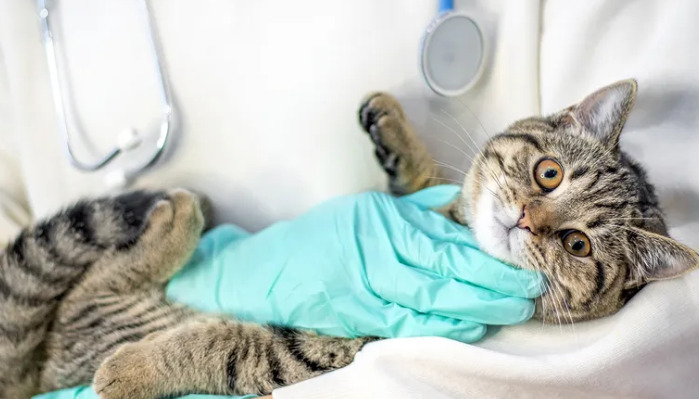
Regular veterinary check-ups and early detection of symptoms such as weight loss, jaundice, or abdominal distension can improve management outcomes. However, given the low mutation rate and the influence of multiple factors, the probability of any given cat developing FIP remains relatively low under optimal conditions.
Emerging Treatments and Research Developments
Recent advances involve antiviral research and immunomodulatory therapies promising better management of FIP. While these developments are encouraging, they do not alter fundamental risk factors but can influence prognosis for affected cats.
Diving into the complexity of FIP’s biology reveals that, although FCoV infection is widespread, the transformation into FIP is a rare event, heavily dependent on a combination of viral mutation, host genetics, immune status, and environmental conditions. For most cats exposed to FCoV, the likelihood of developing FIP remains relatively low, especially in well-managed, low-stress environments.
References
1. Pedersen, N. C. (2014). An update on feline infectious peritonitis: diagnostics and therapeutics. Vet Rec.
2. Addie, D. D., et al. (2003). Feline coronavirus infection and FIP. Vet Immunol Immunopathol.
3. Kiplidge, E. F., et al. (2020). Risk factors for FIP in domestic cats. JFeline Med Surg.
4. Hartmann, K. (2015). Feline infectious peritonitis. Vet Clin North Am Small Anim Pract.
5. Gerber, K., et al. (2017). Genetic predisposition in feline infectious peritonitis. Vet J.