How Is Feline Infectious Peritonitis (FIP) Diagnosed in Cats
Feline Infectious Peritonitis (FIP) is one of the most challenging and devastating diseases seen in domestic cats worldwide. Recognized as an immune-mediated consequence of infection by certain mutated strains of feline coronavirus (FCoV), FIP is particularly feared due to its vague clinical signs, intricate diagnosis, and high mortality rate. The disease commonly affects younger cats, especially those from densely populated environments such as shelters and catteries, though cats of any age may be susceptible. Developing an accurate diagnosis of FIP is vital yet complicated; it must combine observation, laboratory analysis, imaging, and molecular techniques to differentiate FIP from other feline illnesses. Understanding the diagnostic process is not only fundamental for veterinarians but also essential for cat owners attempting to navigate their pet’s health journey in the face of this threat.
What Is FIP? An Overview
FIP arises in some cats infected with FCoV when the virus undergoes specific mutations, allowing it to escape the gut and infect cells associated with the immune system. This leads to systemic infection, excessive immune reactions, and, ultimately, the classic forms of FIP: effusive (“wet”) and non-effusive (“dry”). Wet FIP presents with fluid accumulation in body cavities, while dry FIP features granuloma formation in various organs. The overlapping, variable signs mean that diagnosing FIP is rarely straightforward.
Clinical Signs That May Suggest FIP
The clinical presentation prompts suspicion but is not sufficient for confirming FIP. Signs often vary according to disease form and progression, including:
Persistent fever unresponsive to antibiotics
Lethargy
Weight loss
Decreased appetite
Weakness
Abdominal distension (due to ascites)
Labored breathing (due to pleural effusion)
Neurological symptoms (ataxia, seizures)
Ocular changes (uveitis)
Given these non-specific signs, clinicians must rule out other conditions such as neoplasia, bacterial infections, heart disease, or other inflammatory diseases before suspecting FIP.
History and Signalment
Collecting a detailed history is an essential first step. Young cats (under two years old) and cats from multi-cat households or catteries are at higher risk of developing FIP. A recent history of stress or viral outbreaks in the household may further raise suspicion.
Physical Examination Findings
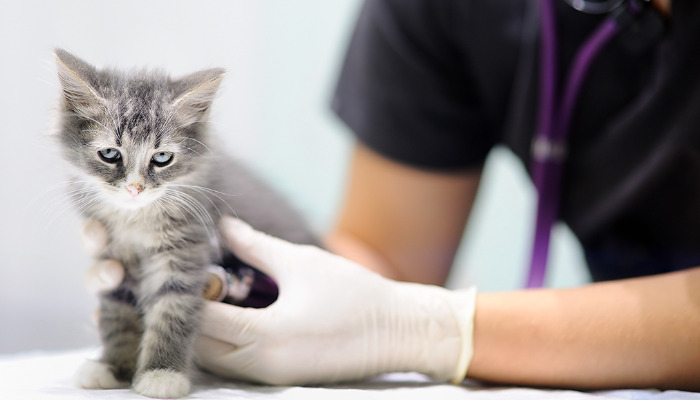
During examination, veterinarians look for physical clues consistent with FIP, such as palpable fluid in the abdomen or chest, jaundice, palpable masses, or fever. The distribution and character of these findings help guide subsequent testing.
Initial Screening Tests
Routine lab work such as a complete blood count (CBC) and serum biochemistry can signal inflammatory or immune-mediated disease but cannot diagnose FIP on their own. Typical findings may include:
Lymphopenia
Neutrophilia
Non-regenerative anemia
Elevated total protein, primarily due to increased globulins
Reduced albumin-to-globulin ratio (A:G ratio) below 0.8 is highly suggestive
However, these changes are not exclusive to FIP and can occur in other chronic inflammatory or infectious diseases.
Effusion Fluid Analysis
If a cat shows wet FIP features, analyzing the fluid collected from the abdomen or chest provides vital clues. Characteristics of FIP effusive fluid often include:
Straw-yellow or clear appearance
High protein concentration (>3.5 g/dL)
Low to moderate cellularity
Predominance of neutrophils and macrophages
Laboratory analysis checks for rival etiologies, but these features, especially protein-rich, low-cellularity effusions, strongly support an FIP diagnosis.
Advanced Diagnostic Techniques
1. Rivalta Test
The Rivalta test helps differentiate FIP exudate from other forms of effusion. A drop of the extracted fluid added to a prepared solution (distilled water and acetic acid) will maintain its shape (“positive”) if exudate is present, supporting FIP. This test is inexpensive and quick but does not provide a confirmatory result.
2. Imaging
Abdominal ultrasound and chest radiographs can detect fluid accumulation, organ enlargement, or lymphadenopathy. Imaging guides sampling but cannot differentiate FIP from other diseases.
3. Serology
Antibody testing for FCoV is possible, but high titers alone do not confirm FIP, as many healthy cats will test positive due to exposure. Serology is useful for ruling out FIP if titers are low or absent, but not for confirmation.
4. Polymerase Chain Reaction (PCR) for Viral RNA
PCR testing for FCoV RNA, especially in effusive fluids, offers increased specificity. Detection of FCoV RNA means that the virus is present, but not that FIP is occurring—many non-FIP cats shed FCoV. Advanced PCR assays aiming to recognize mutations associated with FIP strains may be more accurate, but false negatives still occur.
5. Immunofluorescence Staining
This technique looks for FCoV antigens inside macrophages from effusion fluid or biopsy samples. Finding virus-infected cells in effusion—especially alongside clinical signs—considers diagnosis highly likely.
6. Histopathology
The gold standard for diagnosis remains biopsy and histopathological examination with immunohistochemistry. The presence of characteristic pyogranulomatous inflammation and positive FCoV staining in tissue samples is considered definitive, but invasive sampling may be contraindicated in sick cats.
Differential Diagnosis
To diagnose FIP, veterinarians must rule out conditions presenting with similar signs or laboratory findings, such as:
Lymphoma (especially abdominal/mediastinal forms)
Bacterial peritonitis
Heart failure
Pancreatitis
Other viral infections (e.g., FeLV)
Combining several diagnostic modalities increases accuracy, as no single test is conclusive apart from immunohistochemistry in tissue samples.
Diagnostic Algorithms and Scoring Systems
Current veterinary guidelines recommend a multi-modal approach. Scoring systems have been developed based on A:G ratio, effusion analysis, imaging, and clinical signs to estimate probability. These algorithms help veterinarians and owners weigh the likelihood of FIP before considering confirmatory, invasive procedures.
Limitations in Diagnosis
Definitive diagnosis is challenging due to overlapping signs, test limitations, and the variable nature of FIP pathology. Even advanced molecular tests cannot always discriminate FIP strains, and risks to sick animal welfare must be weighed before proceeding with biopsies.
The Role of Genetics and Recent Advances
Recent genetic studies have clarified that only some strains of FCoV mutate to cause FIP, explaining why most exposed cats remain healthy. Advances in PCR techniques, next-generation sequencing, and targeted immunohistochemistry are improving early and less-invasive diagnosis, though access to these technologies varies in general practice.
Communication With Owners
Given the emotional burden and diagnostic uncertainty, clear communication regarding the limitations, likelihood, and severity associated with FIP is crucial. Owners deserve to be informed about the diagnostic process, the cost and risks involved, and options for supportive or experimental therapy.
Conclusion
FIP remains a diagnostic challenge for both veterinarians and cat owners. By integrating clinical findings, laboratory data, imaging, effusion analysis, and advanced testing, professionals can reach an evidence-based diagnosis. Ongoing research into molecular and genetic detection promises to make diagnosis less invasive and more accurate in the future.
References
1. Pedersen NC. "A review of feline infectious peritonitis virus infection: 1963–2008." J Feline Med Surg, 2009.
2. Kipar A, Meli ML. "Feline infectious peritonitis: still an enigma?" Vet Pathol, 2014.
3. Addie DD, et al. "Feline coronavirus: update on diagnostics and therapeutics." Vet Clin North Am Small Anim Pract, 2020.
4. Tasker S. "Diagnosis of feline infectious peritonitis: Update on evidence supporting available tests." J Feline Med Surg, 2018.
5. Hartmann K. "Feline infectious peritonitis." Vet Clin North Am Small Anim Pract, 2005.
6. Dempsey SM, Ewing PJ. "Feline infectious peritonitis: diagnostic dilemmas." Compendium, 2011.
7. Fish EJ, et al. "Diagnostic approaches to effusive and non-effusive FIP." Veterinary Clinics: Small Animal Practice, 2021.
8. Felten S, et al. "Immunohistochemical diagnosis of FIP—Gold standard and practical implications." Viruses, 2020.
9. Porter E, Tasker S. "Effusion analysis in feline infectious peritonitis." Journal of Veterinary Diagnostic Investigation, 2016.
10. Tekes G, Thiel HJ. "Feline coronaviruses: pathogenesis of feline infectious peritonitis." Adv Virus Res, 2016.