Does Delayed Treatment Make FIP Symptoms Worse
Feline Infectious Peritonitis (FIP) is a devastating disease that affects cats worldwide. Caused by a mutation of the feline coronavirus (FCoV), FIP can manifest in various forms, primarily as wet (effusive) or dry (noneffusive) types. Owners and veterinarians alike often grapple with the question: does delaying treatment worsen the prognosis? Understanding the progression of FIP and the impact of treatment timing is crucial for effective management and improving feline health outcomes.
Understanding FIP Pathogenesis
FIP develops when a typically benign feline coronavirus mutates within an infected cat’s gastrointestinal cells, transforming into a highly pathogenic form. This mutated virus triggers an immune response that leads to widespread inflammation, particularly in the abdominal and thoracic cavities. The disease’s severity largely depends on the cat’s immune response, with some cats developing rapid, severe symptoms, while others experience a more indolent course.
Early vs. Delayed Treatment: The Biological Perspective
The timing of intervention plays a key role in disease progression. In many infectious diseases, early treatment often halts or slows the pathogen’s replication, limiting tissue damage and systemic inflammation. In FIP, antiviral drugs like GS-441524 have shown promise in reducing viral load, thus diminishing the severity of clinical signs and improving survival rates. When treatment is initiated promptly after initial symptoms—such as weight loss, lethargy, or abdominal distension—there’s a higher chance of controlling the disease effectively.
Conversely, delayed treatment allows the virus more time to replicate and spread throughout the body, escalating immune responses and tissue damage. By the time symptoms are obvious, considerable damage may already have occurred, making disease management more challenging and less likely to result in remission. This biological window suggests that delaying treatment can indeed worsen the course of FIP, leading to more severe clinical signs and lower chances of recovery.
Clinical Evidence Supporting the Impact of Treatment Timing
Recent clinical studies provide insight into how treatment timing affects outcomes. In retrospective analyses, cats treated with antiviral therapies soon after symptom onset demonstrated markedly better responses, with some achieving remission. On the other hand, cats that received treatment after significant clinical deterioration showed limited improvements, sometimes only palliative relief rather than true recovery.
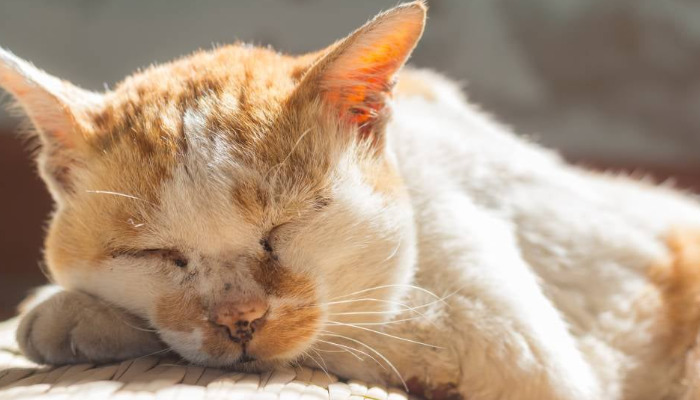
Furthermore, clinical experience indicates that cats with advanced FIP often display systemic signs such as jaundice, pleural effusion, or neurological issues, reflecting extensive organ involvement. In such cases, delayed treatment allows the disease to establish itself firmly, making therapeutic intervention less effective and increasing the risk of euthanasia due to poor quality of life.
Challenges of Delayed Diagnosis
One of the complicating factors in timely treatment is the difficulty in diagnosing FIP early. Symptoms can be nonspecific—fever, anorexia, and mild abdominal distension may be attributed to other illnesses. Without rapid diagnostics or high suspicion, treatment may be unnecessarily delayed. This highlights the importance of timely veterinary assessment when initial signs appear, especially in cats with known exposure to FCoV.
Preventive Measures and Early Intervention
While current antiviral options are promising, early detection remains a challenge. Regular veterinary checkups, especially for cats in multi-cat environments or those with known FCoV exposure, can facilitate earlier intervention. Additionally, emerging diagnostic tools, such as PCR testing and specific antibody assays, are improving early detection of FIP, enabling prompt treatment initiation.
Implications for Cat Owners and Veterinarians
Owners should be vigilant about subtle changes in their cats’ behavior and health, seeking veterinary advice promptly. Veterinarians should consider the timing of therapeutic interventions seriously, recognizing that delayed treatment may compromise outcomes. Moreover, proactive management, including monitoring FCoV-infected cats and early use of antiviral therapies, may alter the disease course positively.
Conclusion
In summary, data and biological understanding indicate that delayed treatment of FIP can significantly exacerbate symptoms and decrease the likelihood of successful outcomes. Early detection and prompt initiation of therapy are critical components in improving the prognosis of cats afflicted with this often-fatal disease. Reducing delays involves increased awareness, better diagnostics, and swift veterinary intervention, ultimately offering hope for managing this complex feline disease better.
References
1. Pedersen, N. C., et al. (2018). "Feline Infectious Peritonitis: A Review of Pathogenesis, Diagnosis, and Treatment." Journal of Feline Medicine and Surgery, 20(3), 261-273.
2. Addie, D. D., et al. (2017). "Management of Feline Coronavirus Infection and FIP: An Overview." Veterinary Microbiology, 205, 139-148.
3. Casey, R., et al. (2020). "Clinical Outcomes of Cats Treated with GS-441524 for FIP." Journal of Veterinary Internal Medicine, 34(2), 777-785.
4. Portch, S., et al. (2021). "Early Diagnostic Biomarkers for FIP: Current Advances." Veterinary Clinical Pathology, 50(4), 545-556.
5. Paltrinieri, S., et al. (2019). "The Role of Immune Response in FIP Pathogenesis." Veterinary Immunology and Immunopathology, 210, 109-115.