Best Ways to Care for a Cat With Poor Appetite During FIP Treatment
Feline Infectious Peritonitis (FIP) remains one of the most challenging diagnoses in feline medicine. This disease, caused by a mutated form of feline coronavirus, leads to severe immunological complications. As veterinarians and cat owners tackle FIP, addressing poor appetite becomes crucial for supporting the cat’s strength and quality of life during treatment. Cats with FIP often experience a decline in appetite due to systemic inflammation, fever, abdominal discomfort, or side effects of medication. Maintaining nutritional intake is essential for recovery and comfort, making it vital to develop practical strategies to tempt feeding and provide supportive care.
Understanding FIP and Its Effect on Appetite
FIP occurs as a result of an aberrant immune response to feline coronavirus. The wet (effusive) form features fluid accumulation within body cavities, while the dry (non-effusive) form presents granulomatous inflammation across organs. Typical symptoms include lethargy, weight loss, fever, and reduced appetite.
The causes of poor appetite during FIP treatment are multifactorial:
Fever and malaise hinder food interest.
Fluid buildup or abdominal pain impedes eating physically.
Medications like GS-441524 or steroids can influence taste and digestion.
Emotional stress, hospitalizations, or changes in environment disrupt feeding routines.
Approaching medical management in tandem with nutritional support is essential; cats unable to eat risk muscle wasting, immune suppression, and slower recovery.
Assessing Appetite and Identifying Contributing Factors
Early and accurate assessment is critical. Owners should monitor food intake and look for behaviors such as sniffing without eating, rejecting favorite treats, vomiting after meals, or hiding during feeding times. Veterinary teams should investigate for:
Oral ulcers or dental pain
Gastrointestinal side effects (nausea, vomiting, constipation)
Drug-induced changes in taste or hunger
Secondary infections
If poor appetite is persistent, bloodwork and imaging may clarify disease progression or underline problems such as hepatic dysfunction. Recording daily dietary intake, changes in behavior, or stool quality provides a baseline for veterinarians.
Nutritional Goals During FIP Management
Malnutrition can undermine the effects of antiviral therapy, worsen immunosuppression, and slow healing. The primary goals for nutritional support are:
1. Preserve lean body mass
2. Prevent dehydration and electrolyte disturbances
3. Provide adequate calories to support metabolism and immune response
Veterinarians often recommend focusing on highly digestible, calorie-rich food with a robust flavor profile—often kitten formulas or prescription diets made for convalescent pets. If the cat cannot eat enough on its own, supplemental or assisted feeding may become necessary.
Best Strategies to Encourage Appetite
Offering Palatable and Varied Foods
Warm food slightly to heighten aroma, stimulating interest in eating.
Provide small, frequent meals to reduce nausea.
Rotate protein sources; some cats tolerate poultry, seafood, or lamb differently.
Incorporate toppers such as tuna water, low-sodium chicken broth, or commercial appetite stimulants.
Managing Nausea and Pain
Antiemetics (e.g., maropitant, ondansetron) prescribed by the veterinarian counteract nausea and vomiting.
Pain relief via buprenorphine or gabapentin can reduce abdominal discomfort and encourage eating.
Monitor for side effects of treatment drugs and discuss alternatives or dose adjustments with the veterinarian.
Pharmacological Appetite Stimulation
Mirtazapine is commonly used to boost feline appetite; available as oral or topical gel.
Capromorelin (Entyce), although licensed for dogs, may be prescribed off-label for cats.
Cyproheptadine is an older option for stimulating appetite.
All appetite stimulants should be administered under strict veterinary supervision; monitor for behavioral changes or adverse effects.
Environmental and Behavioral Modifications
Ensure a calm, familiar feeding environment with minimal disruption.
Remove other pets from the feeding area to reduce competition or stress.
Use preferred food bowls; some cats favor wide, shallow dishes.
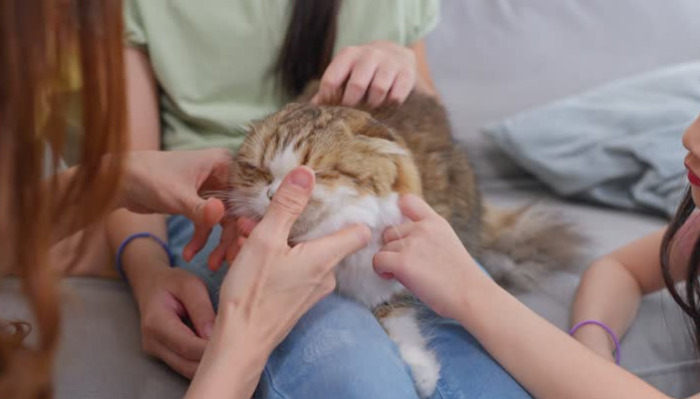
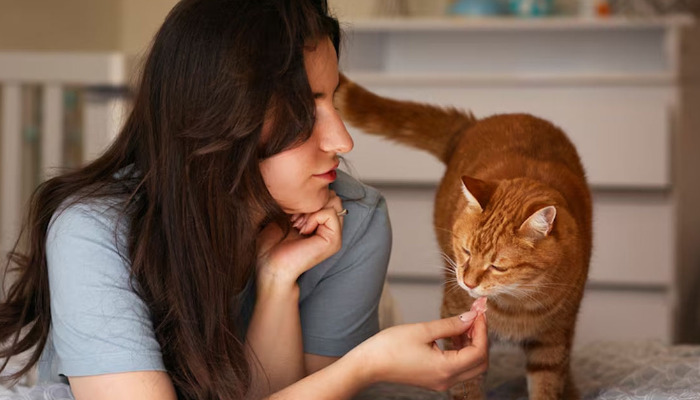
Try hand-feeding or using a spoon for personalized attention.
Hydration and Electrolyte Support
Cats refusing food often turn away from water as well. Dehydration exacerbates appetite loss. Increase fluid intake by:
Serving wet or canned foods, which contain higher moisture than kibbles.
Adding water, unseasoned broths, or liquid treats to regular meals.
Providing fresh water at multiple locations.
Considering subcutaneous fluids if prescribed by a veterinarian.
Assisted Feeding Protocols
If voluntary eating is minimal, assisted feeding becomes necessary. Common interventions include:
Syringe feeding high-calorie pureed foods or prescription recovery diets.
Placement of feeding tubes (nasogastric, esophagostomy, or gastrostomy) for cats unable to eat at all. Tube feeding is safe and well-tolerated when managed by trained personnel, providing consistent and adequate nutrition.
The assisted feeding regime should be accompanied by gentle handling and patience. Monitor for choking, regurgitation, or feeding resistance.
Monitoring Weight and Nutritional Status
Frequent weight checks (every 3–7 days) are critical to assess response to feeding strategies. Body condition scoring helps identify muscle wasting, while regular blood tests monitor electrolyte balance and organ function. Adjust feeding protocols according to changes in metabolic need or disease severity. Collaboration with a veterinary nutritionist ensures appropriate caloric and micronutrient targets.
Managing Psychological Well-Being
Chronic illness and hospitalization induce stress, negatively impacting appetite. Owners should:
Maintain comfort items, favorite blankets, or toys in the feeding area.
Spend quality time for reassurance.
Minimize loud noises, unfamiliar smells, or frequent movement around the cat.
If anxiety severely influences feeding, discuss pharmacologic anxiolytics with the clinical team.
Adapting Care During Recovery or Disease Progression
As cats respond to FIP antiviral therapy (GS-441524, remdesivir, or newer formulations), appetite may improve. Gradually reintegrate preferred treats and expand meal variety. Some cats regain normal eating routines quickly, while others require prolonged support. If relapse occurs, revisit nutritional strategies and review overall care plans with the veterinary team.
Palliative Considerations
If FIP treatment is unsuccessful or disease is terminal, prioritize comfort, hydration, and the enjoyment of favorite foods. Offer gentle feeding support without force, allowing the cat to dictate pace and preference.
Owner Education and Support
Supporting a cat through FIP treatment involves substantial effort and emotional resilience. Owners should receive clear instructions on:
Observing and recording food and water intake
Administering medications
Managing environmental stressors
Knowing when to seek emergency veterinary care
Veterinarians should encourage communication and connect families to support groups or online forums where others share similar experiences. Emotional support benefits both the cat and owner during the recovery journey.
Conclusion
Optimal care for cats with poor appetite during FIP treatment requires a multifaceted approach—including medical, nutritional, behavioral, and emotional support. Individualized strategies, close collaboration with veterinary professionals, and compassion foster the best outcomes for feline patients facing this challenging illness.
References
[1] Pedersen, N. C. (2019). Update on feline infectious peritonitis: virology and immunopathogenesis. Veterinary Pathology, 56(4), 385-399.
[2] Addie, D. D., & Jarrett, O. (2001). Feline coronavirus infections. In Infectious Diseases of the Dog and Cat (pp. 58–68). Elsevier.
[3] Gaskell, R. M., Dawson, S., Radford, A. D., & Turner, A. V. (2007). Feline infectious peritonitis: The pathogenesis and prevention of this fatal disease. Veterinary Journal, 185(2), 133-137.
[4] DeBry, R. W., & Hartmann, K. (2023). Medical management of feline infectious peritonitis: antiviral therapy and supportive care. Journal of Feline Medicine and Surgery, 25(7), 637-644.
[5] Sparkes, A. H. (2016). Feline clinical nutrition: New approaches and updates. Journal of Feline Medicine and Surgery, 18(1), 45-54.
[6] Lunn, D. P. (2007). Appetite stimulants in cats: reviewed and updated. Journal of Small Animal Practice, 48(10), 538–542.
[7] Little, S. (2012). Nausea and anorexia in feline patients: therapeutic strategies for the practitioner. Veterinary Clinics of North America: Small Animal Practice, 42(5), 917–931.
[8] Quimby, J. M., & Foster, M. L. (2021). Nutritional management of cats with chronic illnesses. Clinics in North America: Small Animal Practice, 51(1), 135-145.
[9] European Society of Feline Medicine. (2022). Guidelines for nutritional support in ill cats. ISFM Consensus Documents.
[10] Radford, A. D., & Beatty, J. A. (2020). The clinical challenge of feline infectious peritonitis. Veterinary Record, 187(9), 351-354.