Are Treatment Outcomes Different for Wet and Dry FIP
Feline Infectious Peritonitis (FIP) is one of the most devastating viral diseases affecting domestic cats worldwide. Caused by a mutation of the feline coronavirus, FIP presents unique diagnostic and therapeutic challenges due to its varied clinical manifestations. Two primary forms of FIP exist: the "wet" or effusive type, and the "dry" or non-effusive type. Each has distinct pathological processes, clinical signs, and, importantly, varied outcomes following treatment interventions. The ongoing development of antiviral therapies, such as nucleoside analogs (GS-441524 and its derivatives), has significantly improved prognosis for many cats. Understanding whether treatment outcomes differ between wet and dry FIP is crucial for veterinarians, researchers, and cat owners seeking to make informed decisions regarding case management and therapeutic protocols.
Clinical Manifestations of Wet and Dry FIP
The wet form of FIP is characterized by the accumulation of protein-rich effusions in body cavities, most often the abdomen or chest. This leads to clinical signs like abdominal distension, respiratory distress, lethargy, fever, and weight loss. The rapid onset and progression of symptoms frequently prompt immediate medical attention. Conversely, dry FIP is marked by granulomatous lesions in various organs such as the kidneys, liver, eyes, and central nervous system. Neurological and ocular presentations are more common in the dry form and may include ataxia, seizures, uveitis, and retinal changes. Dry FIP tends to exhibit slower progression and subtler clinical signs, making diagnosis challenging.
Pathogenesis and Biological Differences
Both wet and dry FIP result from an aberrant immune response to feline coronavirus. The nature of the immune-mediated damage, however, varies between forms. Wet FIP is associated with a strong humoral immune response, leading to the breakdown of vascular barriers and leakage of fluid. In contrast, dry FIP involves cellular (granulomatous) immune responses, resulting in focal organ inflammation without effusion. These immunopathogenic differences are central to understanding variations in clinical presentation, therapeutic responsiveness, and prognosis.
Diagnostic Considerations
Accurate diagnosis remains a fundamental challenge in FIP management, largely due to the overlap in signs with other feline diseases and the lack of a single definitive test. Wet FIP is often easier to diagnose owing to the presence of fluid, which can be sampled and analyzed for characteristic findings such as high protein content, low cellularity, and positive coronavirus immunostaining. Polymerase chain reaction (PCR) and immunohistochemistry have improved diagnostic certainty. Dry FIP typically necessitates biopsy or imaging to identify organ-specific lesions.
Historical Treatment Approaches
Historically, FIP was considered a fatal disease with supportive care being the only option. Corticosteroids, immunomodulators, and antibiotics were commonly administered but rarely changed the outcome. Nutrition and fluid therapy aimed to maintain comfort but did not modify disease progression. In most cases, FIP led to euthanasia due to deteriorating quality of life.
Breakthroughs in Antiviral Therapy
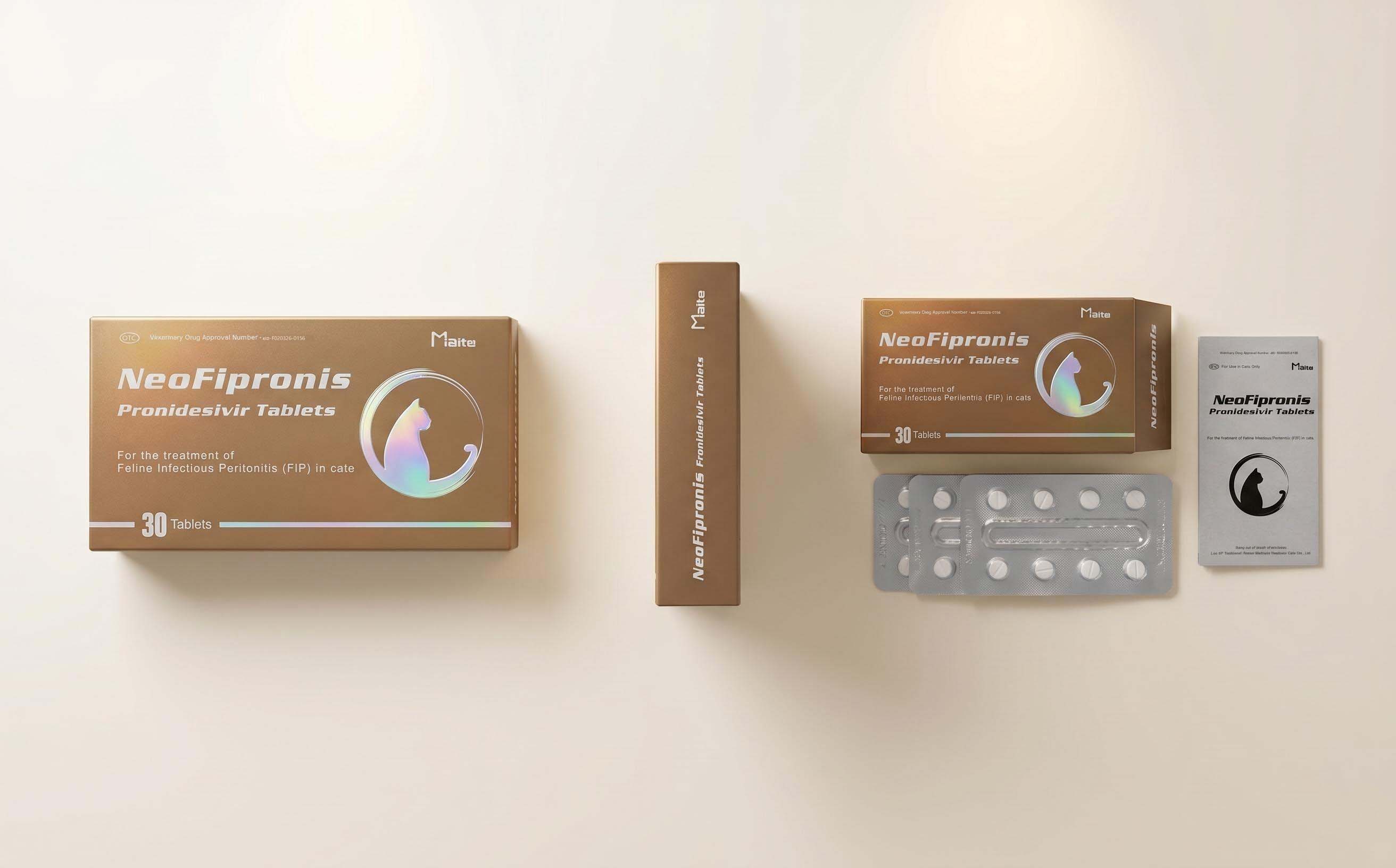
In recent years, remarkable advances have been made with the introduction of antiviral compounds targeting viral RNA replication. The use of GS-441524, a nucleoside analog, revolutionized FIP therapy, showing efficacy in both wet and dry forms. Studies demonstrated substantial improvement in survival rates, remission of symptoms, and restoration of quality of life. Treatment involves a precise regimen of daily injections or oral administration for a defined period, typically 12 weeks.
Comparing Treatment Outcomes
One of the primary concerns for veterinarians and researchers is evaluating whether wet and dry FIP respond differently to antiviral therapy.
1. Response Rate and Survival
Cats with wet FIP generally demonstrate rapid clinical improvement after initiating antivirals. Effusions often resolve within days to weeks, fever subsides, appetite improves, and physical activity returns. Published studies indicate survival rates as high as 85-90% for wet FIP with prompt, appropriate treatment.
Dry FIP, particularly when involving neurological or ocular systems, presents greater therapeutic challenges. While many cats respond favorably to treatment, the rate of complete remission may be lower (60-80%) and improvements may be delayed. Neurological FIP requires higher drug dosing and extended durations, as antiviral penetration into the central nervous system is less efficient. Nevertheless, for non-neurological dry FIP, outcomes can closely match those of wet FIP with diligent care and adherence to the recommended protocol.
2. Duration and Intensity of Therapy
Wet FIP typically responds to standard dosing regimens, with many cases achieving remission after a 12-week course. Dry FIP, especially with CNS involvement, may require higher dosages and longer treatment periods. Some cats with dry FIP will relapse, necessitating a second course of therapy. This difference underscores the need for tailored treatment plans based on disease presentation.
3. Prognostic Factors
Beyond the forms themselves, certain prognostic indicators influence outcome. Younger cats, those without severe CNS involvement, and those treated within weeks of symptom onset tend to fare best. Delayed therapy, high viral load, and multi-organ dysfunction lower chances of survival. Early diagnosis and intervention remain critical in both wet and dry cases.
Quality of Life Considerations
Treatment success is not solely measured by survival but also by restoration of vigor, appetite, and sociality. Wet FIP cats that recover often resume normal behaviors quickly and regain lost weight. Dry FIP survivors, particularly those with CNS or ocular involvement, may be left with lasting deficits such as visual impairment or mild neurological signs. Ongoing monitoring and rehabilitation, including ophthalmic and neurological support, are crucial for maximizing quality of life.
Relapse and Long-Term Monitoring
Relapse is an important concern post-treatment, with some cats, particularly those with dry FIP, experiencing recurrent symptoms weeks or months after initial remission. Monitoring bloodwork, protein levels, and imaging studies are essential to catch early signs of recurrence. A second round of antiviral therapy can often induce remission again, although multiple relapses are rare.
Socioeconomic Implications
The cost of treatment, availability of antiviral compounds, and owner commitment also diverge between wet and dry FIP. Owners of dry FIP cats may face greater financial and emotional burdens due to longer treatment durations and the need for specialized care. Clear communication from veterinary teams regarding prognosis, expected outcomes, and costs helps foster trust and informed decision-making.
Special Considerations in Neurological and Ocular FIP
Neurological and ocular FIP, subtypes of dry FIP, require particularly aggressive management. Drug dosages are increased (sometimes double the standard dose) and extended therapy is often necessary. Ocular lesions can threaten sight, while CNS involvement may cause paralysis or seizures. Despite these challenges, successful outcomes are possible if intervention is swift and comprehensive.
Real-World Case Studies
Reports from feline clinics highlight variable outcomes in wet and dry FIP. In a multicenter retrospective analysis, cats with wet FIP who began antiviral therapy within days of diagnosis had an 89% survival rate, with rapid effusion clearance and restored activity. Conversely, cats with dry FIP, especially those manifesting neurological signs, required several weeks to improve, with some retaining mild deficits post-treatment. Importantly, each case underscores the necessity for individualized care plans.
Future Directions in FIP Research
Ongoing studies seek to refine antiviral regimens, discover adjunct therapies (immunomodulators, neuroprotectives), and develop vaccines. Genetic screening for predisposition, improved diagnostic assays, and further understanding of immune dysregulation will lead to earlier diagnosis and more effective treatments for both wet and dry FIP. Prospective research may also elucidate why specific forms respond differently and how best to optimize outcomes.
Conclusion
Variations exist in treatment outcomes for wet and dry FIP. Wet FIP generally responds faster and more completely to antiviral therapy, while dry FIP—particularly neurological and ocular forms—poses greater therapeutic challenges. Nonetheless, with prompt diagnosis and proper treatment, both forms can achieve remission and long-term survival. Individualized therapy, vigilant monitoring, and supportive care remain the cornerstones of successful management.
References
Pedersen NC. "2023 Feline Infectious Peritonitis Review."
Dickinson PJ, et al. "Nucleoside Analog Treatment of Feline Infectious Peritonitis." Journal of Feline Medicine and Surgery.
Krentz D, et al. "Clinical Outcomes of GS-441524 Therapy in Cats with FIP." Veterinary Microbiology.
Wang YT, et al. "Clinical Findings and Prognostic Factors in Wet and Dry FIP."
Addie DD, Jarrett O. "Feline Coronavirus Infections in Cats: Diagnostic and Therapeutic Advances."
Barker EN, et al. "Immunopathogenesis of FIP and Implications for Therapy."
Murphy BG, et al. "Antiviral Drug Efficacy in FIP: A Multicenter Study."
Hartmann K. "Feline Infectious Peritonitis: Pathogenesis and Clinical Management."
Smith AC, "Case Reports of Dry vs Wet FIP Outcomes Using GS-441524."
Felten S, et al. "FIP: Challenges in Diagnosis and Treatment." Proceedings of the American Association of Feline Practitioners.