Can Vaccination Prevent FIP in Cats
Feline Infectious Peritonitis (FIP) is a feared disease among cat owners and veterinarians alike. Caused by a mutation of the feline coronavirus (FCoV), FIP proves fatal for most affected cats. The complexity of its pathogenesis and the difficulty of early diagnosis make it an agonizing illness. In the context of prevention, one recurrent question is whether vaccination can protect cats against FIP. This article explores current scientific understanding, available vaccines, their efficacy, and future perspectives.
Understanding FIP: The Disease and Its Pathogenesis
FIP occurs when a feline coronavirus, commonly present in environments with many cats, undergoes a mutation inside the body, enabling it to infect and replicate in macrophages. This catastrophic change launches widespread inflammatory reactions, typically leading to either the “wet” (effusive) or “dry” (non-effusive) forms of FIP. Symptoms can include abdominal or thoracic fluid buildup, weight loss, fever, ocular and neurological manifestations, and ultimately, death.
Most cats exposed to FCoV develop only mild, self-limiting intestinal disease, with up to 90% remaining asymptomatic carriers. Only a minority—between 5% and 10%—progress to FIP. Genetics, age, immune function, and environmental stressors all play roles in the likelihood of this progression.
Mechanisms of Infection and Immune Response
The immune response to FCoV is crucial. Cell-mediated immunity is responsible for clearing the virus, while antibody-mediated responses can paradoxically exacerbate disease due to a process called antibody-dependent enhancement (ADE). This phenomenon means that some antibodies, instead of neutralizing the virus, may actually help it infect cells more efficiently, driving the formation of FIP.
The Quest for an Effective FIP Vaccine
Vaccination is one of medicine’s most effective tools for infectious disease prevention. FIP, however, presents unique challenges. Multiple strategies have been explored:
1. Intranasal Vaccine
Currently, the only commercial FIP vaccine in the United States is Primucell FIP, developed by Pfizer. This vaccine is administered intranasally and contains a temperature-sensitive mutant strain of FCoV designed to elicit local mucosal immunity. Theoretically, this might inhibit the virus at entry points and halt systemic infection.
2. Parenteral and Subunit Vaccines
Many experimental vaccines have aimed to stimulate systemic immunity by injection, but these have largely failed to offer meaningful protection—or worse, some have increased the risk of developing FIP due to ADE.
3. DNA and Recombinant Vaccines
Next-generation technologies have tried encoding viral proteins to elicit a more targeted immune response. So far, none have made it to commercial production appropriate for the United States.
Efficacy of the Current FIP Vaccine
Despite hopes, extensive testing of the intranasal vaccine reveals limited success. The American Association of Feline Practitioners (AAFP) and the American Animal Hospital Association (AAHA) do not recommend routine use of the FIP vaccine. Studies show inconsistent results, with efficacy estimates ranging from 0% to 50%, depending on circumstances.
The vaccine appears to work best when given to kittens before exposure to FCoV, a scenario that rarely happens outside of controlled research settings. Because feline coronavirus is so ubiquitous—especially in multi-cat households, shelters, and catteries—most kittens have already encountered the virus before they’re old enough for vaccination (at 16 weeks). Once a cat is infected, or if it has maternal antibodies from a previously infected queen, the vaccination offers little to no added protection.
Issues of Safety and ADE
Safety concerns have stymied development of more effective FIP vaccines. ADE is a primary risk; certain types of immune responses can actually boost viral replication in macrophages. Thus, any vaccine must thread a fine needle: generating robust, neutralizing antibodies without triggering enhancement.
Why Isn’t There a Better Vaccine?
The answer lies in the complexity of FIP pathogenesis. FIP is not simply a viral disease, but a viral-induced immune dysregulation. Replicating the right immune response—one that neutralizes the virus without activating enhancement—is a challenge even for modern vaccine technology. Furthermore, genetic variability among feline populations and FCoV strains compounds the difficulty.
Current Recommendations for FIP Prevention
Most experts agree that management practices outweigh vaccination in preventing FIP. Key strategies include:
Reducing cat population density and stress
Maintaining good hygiene practices
Isolating new arrivals until their coronavirus status is known
Careful selection of breeding cats for resistance to FCoV
Prompt removal of kittens from breeding queens before maternal antibody wanes
These steps have proven more successful in minimizing FIP cases than vaccination.
The Role of Genetics
Breeders are increasingly aware that genetics plays a role in susceptibility to FIP. Some cats, and breeds such as Bengals and Burmese, appear more predisposed. Identifying and selectively breeding for resistance may ultimately prove a more effective long-term strategy than antigen-based vaccination.
Advances in FIP Treatment and Future Vaccine Prospects
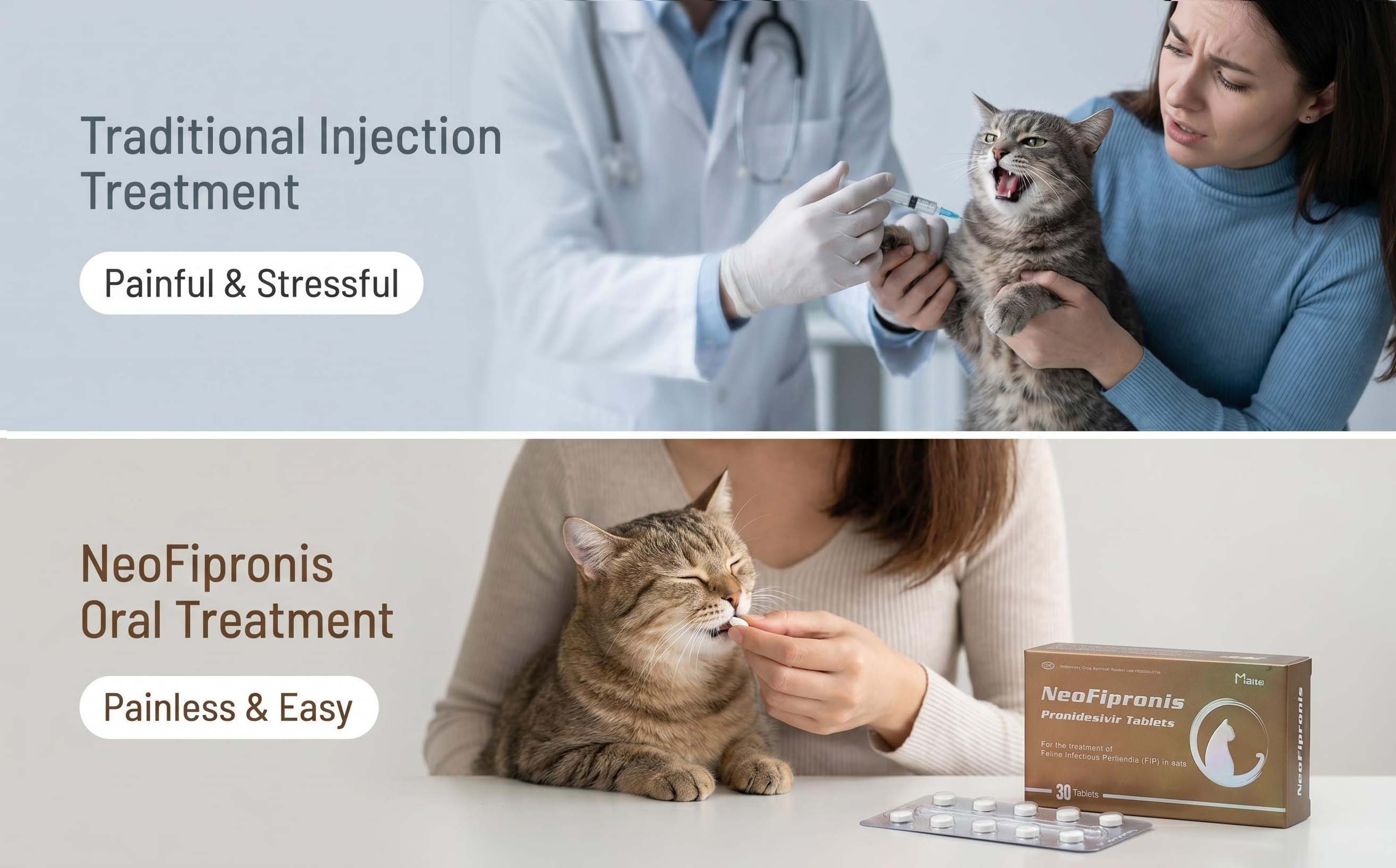
Recent scientific breakthroughs have led to antiviral treatments for FIP, most notably GS-441524 and related compounds. These drugs target viral replication, offering hope where none existed before. Successful treatment may alter the calculus of vaccination: If effective therapeutics are available, the need for a vaccine becomes less urgent.
Researchers continue to search for a vaccine that can safely and predictably prevent FIP, and focus has shifted to better understanding cell-mediated immunity and blocking macrophage infection. Genetic engineering and novel adjuvants may one day yield a solution.
The American Perspective
In the United States, official guidelines by veterinary organizations do not include FIP vaccination in their core recommendations. Veterinarians are advised to focus on controlling risk factors and educating owners. Pet owners should weigh the risks and benefits, and discuss all options with their veterinarian, recognizing that vaccination is, at best, a very limited tool in the fight against FIP.
Investigational Approaches: The Road Ahead
Ongoing research includes mapping feline immune responses to coronavirus, identifying genetic markers of FIP risk, and developing new vaccines that circumvent ADE. The future may see more personalized preventive plans, where genetic screening, advanced hygiene, and novel vaccines work together to protect cats.
References
1. Pedersen, N.C. (2009). A review of feline infectious peritonitis virus infection: 1963–2008. Journal of Feline Medicine and Surgery, 11(4), 225–258.
2. American Association of Feline Practitioners (AAFP). (2020). Feline Infectious Peritonitis (FIP) Guidelines. https://catvets.com/guidelines/practice-guidelines/fip-guidelines
3. Addie, D.D., Toth, S., Murray, G.D., & Jarrett, O. (1995). The risk of feline infectious peritonitis in cats naturally infected with feline coronavirus. Veterinary Record, 136(14), 318–319.
4. Vennema, H., Poland, A., Foley, J., & Pedersen, N.C. (1998). Feline infectious peritonitis viruses arise by mutation from endemic feline enteric coronaviruses. Virology, 243(1), 150–157.
5. Whittemore, J.C., & Hawley, J.R. (2021). Feline Infectious Peritonitis: Diagnostics, Therapeutics, and Prevention. Veterinary Clinics: Small Animal Practice, 51(2), 367–393.
6. Stoddard, R.A., et al. (2009). Evaluation of the efficacy of a commercial feline infectious peritonitis vaccine in kittens. Journal of the American Veterinary Medical Association, 235(8), 1041–1048.
7. Benson, T.E., et al. (2019). The Efficacy and Safety of GS-441524 for Treatment of Cats with Naturally Occurring Feline Infectious Peritonitis. Viruses, 11(10), 915.
8. Kipar, A., & Meli, M.L. (2014). Feline Infectious Peritonitis: Still an Enigma? Veterinary Pathology, 51(2), 505–526.