What Treatment Options Are Available for FIP Today
Understanding Feline Infectious Peritonitis (FIP)
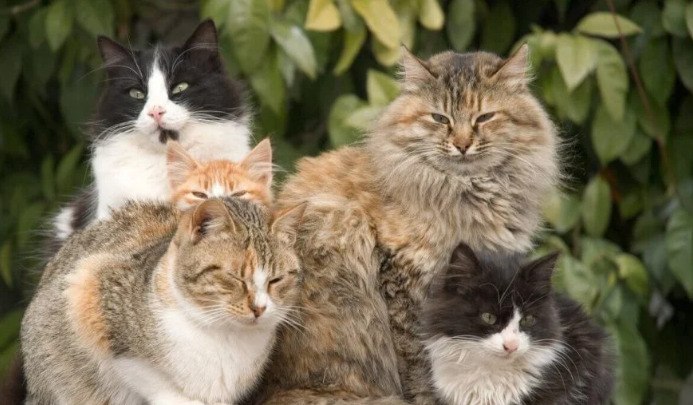
Feline Infectious Peritonitis (FIP) is a devastating disease that affects cats worldwide. Caused by a mutation of the feline coronavirus, FIP is most often seen in cats younger than two years and in multi-cat environments such as shelters or breeding catteries. The virus typically lives harmlessly in the intestines, but in some cats the virus mutates and triggers a severe immune-mediated disease that is almost always fatal if left untreated. Understanding the nature of FIP sets the stage for exploring its modern-day treatment options.
Symptoms and Diagnosis of FIP
FIP presents in two forms: "wet" (effusive) and "dry" (non-effusive). Wet FIP is characterized by the accumulation of fluid in the abdomen or chest, while dry FIP presents as granulomas and systemic signs such as fever, poor appetite, weight loss, and neurological or ocular symptoms. Diagnosing FIP is challenging because its symptoms mimic other diseases. Veterinarians rely on a combination of clinical signs, blood tests, imaging (such as ultrasound and X-ray), and analysis of fluid samples. Polymerase chain reaction (PCR) tests can sometimes detect the mutated virus, but even these are not infallible.
Historical Overview of FIP Treatment
For years, a diagnosis of FIP was considered a death sentence. Supportive care, including antibiotics to manage secondary infections, corticosteroids to dampen the immune response, and fluids to maintain hydration, was the mainstay. These measures do not alter the course of the disease and were largely palliative. However, recent advances have radically changed the outlook for FIP: it is no longer universally fatal, and numerous promising therapies have emerged.
Breakthrough: Antiviral Drugs
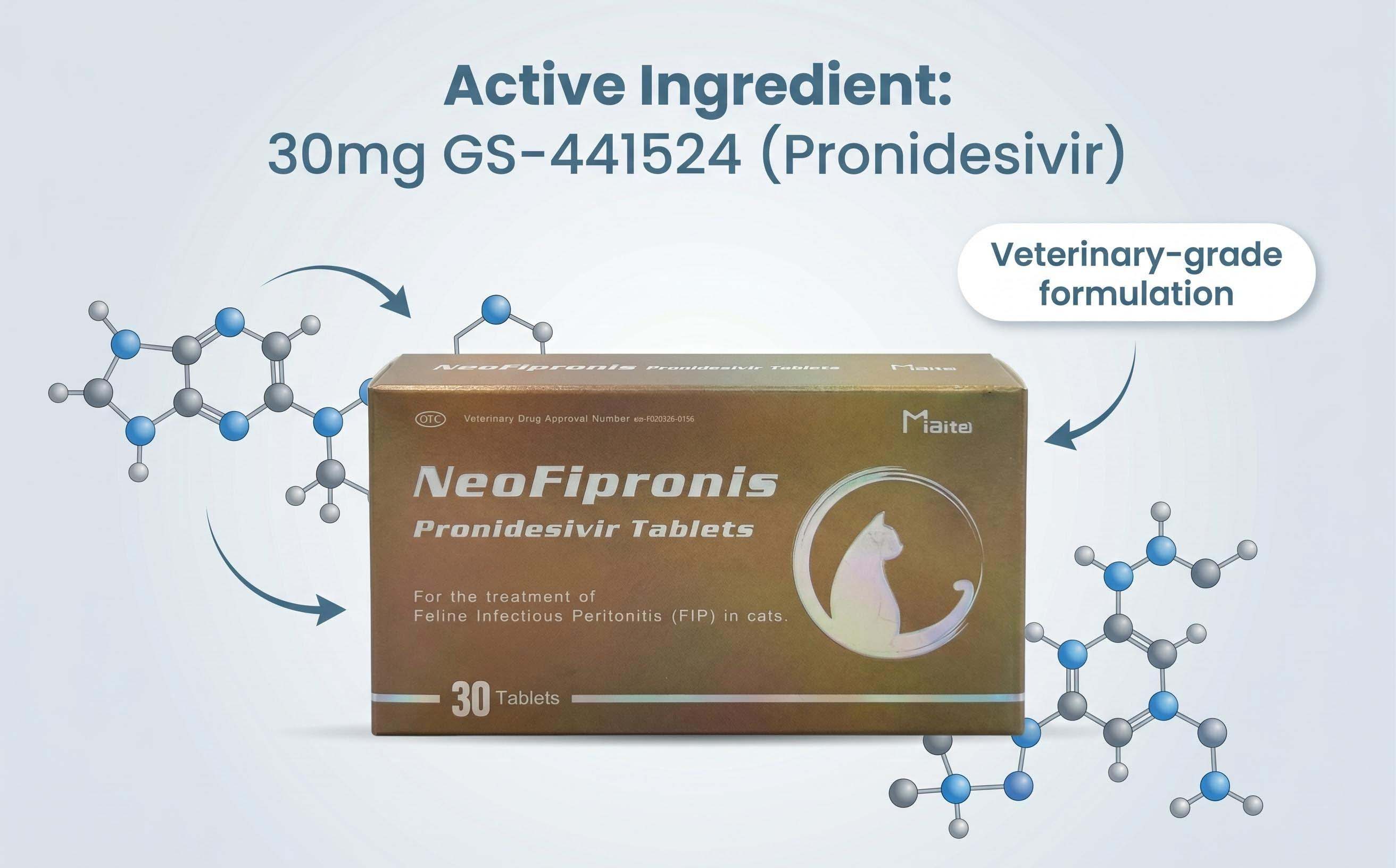
One of the most significant advances in the fight against FIP is the development of antiviral medications. The most notable of these is GS-441524, a nucleoside analog that inhibits viral replication. GS-441524 was developed as an experimental compound related to remdesivir, a drug studied widely during the COVID-19 pandemic. Research led by Dr. Niels Pedersen at UC Davis demonstrated remarkable success with GS-441524, with cure rates exceeding 80%. While not FDA-approved for veterinary use in the United States, GS-441524 can sometimes be accessed through underground channels, and advocacy continues for legal veterinary use.
Another antiviral, remdesivir itself, has also been tested for FIP treatment. Because remdesivir is FDA-approved for humans, veterinarians can occasionally use it "off-label" for cats with FIP, particularly in injectable form. Efficacy appears similar to GS-441524, but cost and regulatory barriers have slowed broader adoption.
Oral Medications and Compounded Therapies
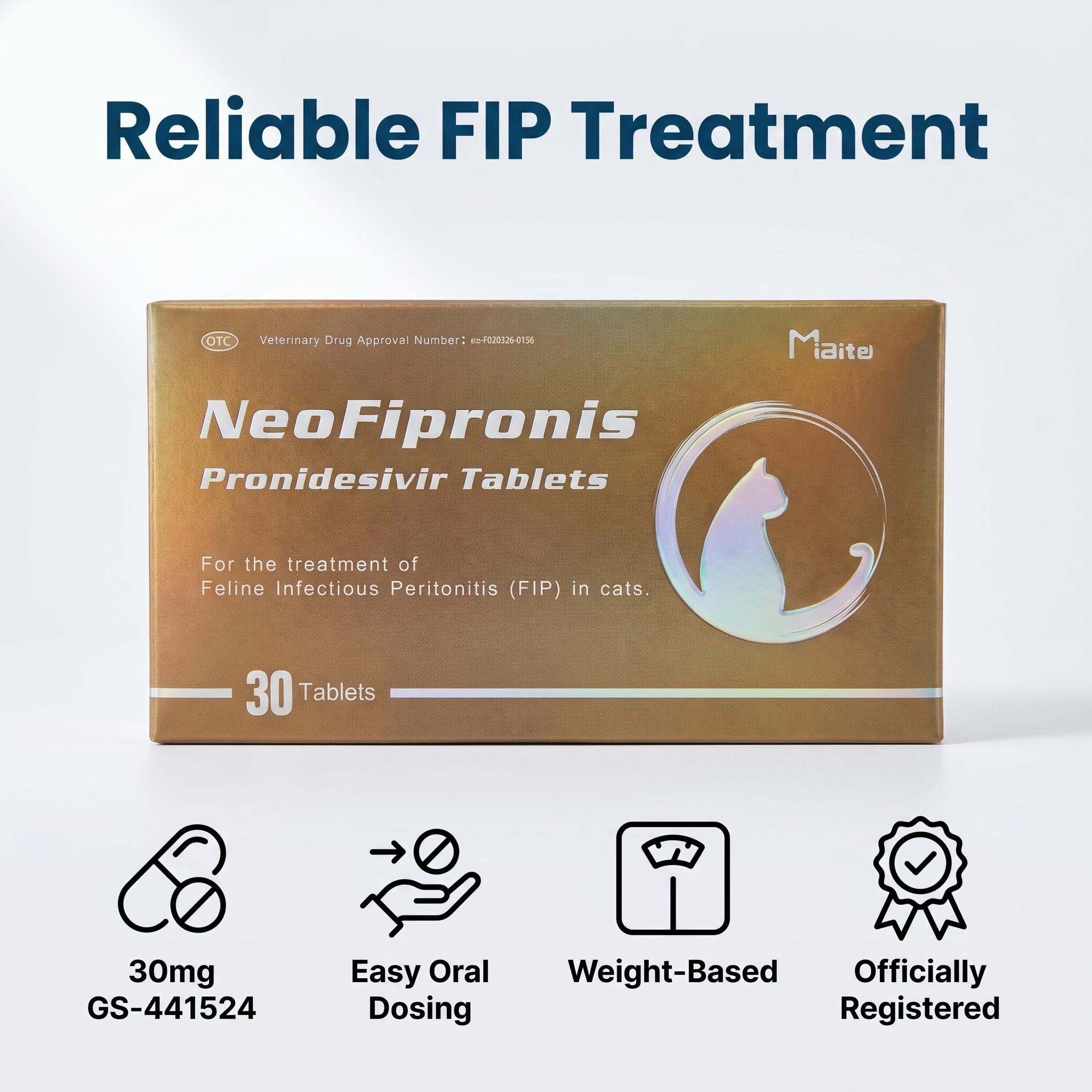
Recognizing the limitations of injectable drugs, researchers have pursued oral formulations for ease of administration. GS-441524-based oral medications have become available through compounding pharmacies or black-market sources. While clinical outcomes mirror those of injectable therapies, dosing remains complex, and access depends on local regulations.
Supportive Care: Complementing Antivirals
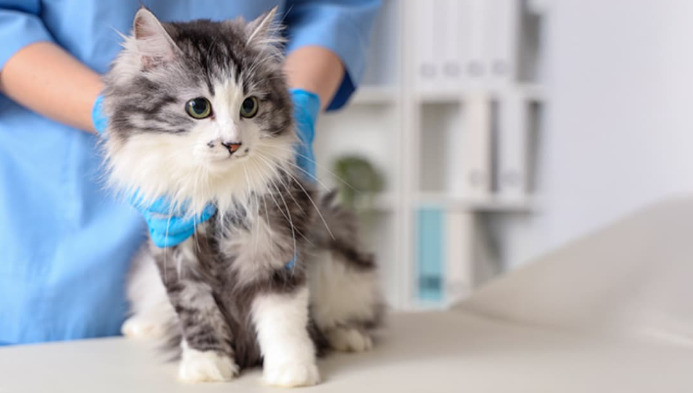
Antiviral drugs are at the core of effective FIP treatment, but supportive care remains critical. Cats may require hospitalization for intravenous fluids, nutritional support, pain management, and treatment of anemia or secondary infections. Corticosteroids, once a cornerstone, are now used sparingly to minimize immunosuppression that might hinder antiviral effectiveness.
Monitoring and Follow-Up
Treatment for FIP typically lasts 12 to 16 weeks. During this time, regular veterinary checkups are essential, with blood work and imaging to track progress. Recovery is often marked by improved appetite, resolution of fever, and normalization of laboratory values. Relapses can occur, especially if the virus is not fully eradicated. In some cases, extended courses or increased dosages of antivirals are necessary.
Veterinary Access and Legal Considerations
Despite remarkable strides, a major challenge is the legality and accessibility of antiviral therapies. GS-441524 is not legally available in the United States, although organizations lobby for change. Some countries have approved antivirals for veterinary use, facilitating legitimate treatment. Pet owners seeking these drugs must navigate complex legal and ethical terrain, often turning to online communities for guidance. Veterinarians face professional risks in prescribing or administering unapproved medications but work tirelessly to find solutions for their patients.
Emerging Therapies and Future Directions
Immunomodulatory treatments are under investigation as adjuncts to antiviral drugs. Drugs like interferon omega, which stimulate the immune system, may help suppress the virus in early stages. Research is also ongoing into monoclonal antibody therapies and vaccines, though no vaccines currently protect against FIP.
Stem cell therapy, once considered experimental, is now being evaluated for its potential to repair tissue damaged by inflammation. While these treatments are not yet mainstream, they signal hope for expanded treatment options.
The Role of Nutrition and Holistic Support
Nutrition plays an important role in FIP management. Cats with FIP often lose body condition due to poor appetite and chronic inflammation. Veterinarians recommend high-quality, highly digestible diets and may prescribe appetite stimulants or anti-nausea medications. Omega-3 fatty acids, B vitamins, and other supplements are used to support overall health, though evidence for these is mostly anecdotal.
Holistic therapies and alternative medicine are sometimes pursued by owners desperate for solutions. Acupuncture, herbal remedies, and homeopathy lack scientific evidence, but when combined with conventional therapies can provide comfort and support for cats and their families.
Practical Tips for Cat Owners
Cats diagnosed with FIP require intensive attention and care, often involving daily medication and regular trips to the veterinarian. Owners must be vigilant for changes in appetite, energy level, and neurological signs. Effective communication with the veterinary team is crucial for updating treatment plans and addressing adverse reactions promptly.
Emotional Support and Community Advocacy
A diagnosis of FIP can be emotionally crushing for cat owners. Support groups on social media and nonprofit organizations provide guidance, emotional comfort, and help navigating treatment options and suppliers. These groups advocate for recognition of GS-441524 and other treatments at the regulatory level, hoping for wider legal access in the future.
Cost of Treatment
Treating FIP remains expensive, with antiviral drug regimens costing thousands of dollars over a course of treatment. Hospitalization and supportive care add further expense. Owners must weigh cost against the possibility of cure and sometimes rely on fundraising or financial assistance programs. The ethical dilemma of access based on financial means is an ongoing issue in veterinary medicine.
Veterinary Research and Continuing Education
The landscape of FIP treatment is dynamic and shaped by ongoing veterinary research. Universities, pharmaceutical companies, and independent scientists continue to study new therapies, optimize protocols, and publish results. Continuing education for veterinarians is essential, ensuring that practitioners remain current with scientific advances and shifting treatment paradigms.
Barriers to Global Access
In developing countries and regions with limited veterinary infrastructure, access to FIP diagnosis and treatment is even more challenging. Advocacy for equitable access is gaining momentum, with international organizations working to disseminate information, improve diagnostic testing, and streamline drug importation when possible.
Guidelines for Treatment Protocols
Veterinary associations have begun to develop treatment guidelines for FIP, recognizing the central role of antivirals but emphasizing the importance of individualized therapy based on the stage and presentation of disease. Collaboration between primary veterinarians and specialists is encouraged, especially in cases involving neurological or ocular involvement.
Multi-cat Households and Prevention
In households with multiple cats, FIP creates special challenges. While the mutated virus causing FIP is not highly contagious, the underlying feline coronavirus can spread among cats through shared litter boxes, grooming, and close contact. Regular cleaning, stress reduction, and minimizing crowding are practical steps for prevention. Monitoring cats for early signs of illness helps catch FIP before it progresses beyond treatable stages.
Genetic and Breed Susceptibility
Certain breeds, such as Bengals, Abyssinians, and British Shorthairs, show increased susceptibility to FIP. Genetic screening and responsible breeding practices may reduce the risk in susceptible breeds. Researchers are exploring gene therapy and genetic markers to identify cats at risk and intervene early.
Long-term Outcomes
Long-term outcomes for cats treated successfully for FIP are increasingly encouraging. Cats cured with antiviral drugs can enjoy normal lifespans, although some develop lingering organ dysfunction or immune system abnormalities. Regular veterinary checkups remain important to monitor for recurrence or unrelated health issues.
Veterinary Ethical Considerations
Ethical dilemmas abound in FIP treatment. Questions of legality, cost, and access intersect with issues of informed consent, animal welfare, and professional risk. Veterinarians must balance the drive to save lives with compliance to regulatory guidelines, all while advocating for compassionate, evidence-based care.
Education and Awareness
Education of cat owners is essential for early recognition and intervention. Workshops, webinars, and online resources have proliferated, providing up-to-date information on FIP identification and treatment. Advocacy organizations partner with veterinarians to broaden public awareness and facilitate rapid treatment for affected cats.
Future Horizons in FIP Management
The treatment landscape for FIP is evolving quickly. Ongoing research promises safer, more effective, and more accessible therapies in the coming years. Regulatory reform, improved diagnostics, and international cooperation are critical to expanding global access and shortening the path from discovery to clinical use.
Hope is now a reality for cat owners facing FIP, and commitment to research and advocacy will continue to rewrite the story of this once-intractable disease.
References
Pedersen NC. "Treatment of feline infectious peritonitis with a combination of nucleoside analog and interferon omega." Journal of Feline Medicine and Surgery.
Dickinson PJ, Bannasch MJ, et al. "Antiviral therapy in naturally occurring feline infectious peritonitis." Veterinary Microbiology.
Addie DD, Jarrett O. "Feline coronavirus infections." Veterinary Clinics of North America: Small Animal Practice.
Hartmann K. "Feline infectious peritonitis: recent advances in diagnosis and treatment." Veterinary Journal.
Sparkes AH, et al. "ISFM Consensus Guidelines on the Management of Feline Infectious Peritonitis." Journal of Feline Medicine and Surgery.
Cohen TA, Sykes JE. "Emerging therapies for feline infectious peritonitis." Veterinary Clinics of North America: Small Animal Practice.
Tayeb S, et al. "Evaluating the use of remdesivir for treatment of feline infectious peritonitis." Animals (Basel).
Porcellato I, et al. "Diagnosis of feline infectious peritonitis: Update and perspectives." Frontiers in Veterinary Science.
Foley JE, Poland AM, Carlson J, et al. "Risk factors for feline infectious peritonitis among cats in multiple-cat environments." Journal of the American Veterinary Medical Association.
Sánchez-Migallón Guzmán D, et al. "Treatment outcomes for cats with FIP treated with GS-441524-based therapies." Veterinary Sciences.
Kipar A, Meli ML. "Feline infectious peritonitis: Pathogenesis, prevention, and treatment." Veterinary Pathology.
Bond R, et al. "Compassion and ethics in the management of feline infectious peritonitis." Companion Animal.