What should I do if my kitten gets FIP
Feline Infectious Peritonitis (FIP) is a serious viral disease caused by a mutated form of feline coronavirus. It primarily affects young kittens and cats with weakened immune systems, often leading to a swift decline in health. If your kitten shows signs of FIP, prompt action, compassionate care, and informed decisions become essential. Here are key steps to consider:
Recognize the Symptoms
Observe for persistent fever that doesn’t respond to antibiotics.
Look for weight loss and decreased appetite.
Note signs of abdominal distension due to fluid buildup—such as swelling or bloating.
Watch for neurological symptoms like disorientation, difficulty walking, or seizures.
Identify respiratory issues, including difficulty breathing or nasal discharge.
Early detection relies heavily on attentive observation. Promptly noting these signs can make a significant difference in managing the disease.
Seek Veterinary Assistance Immediately
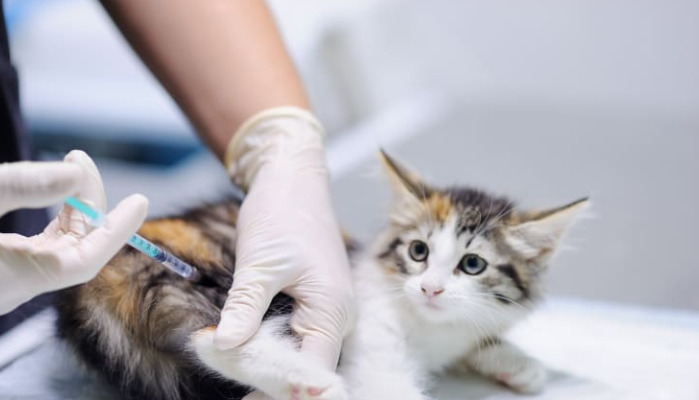
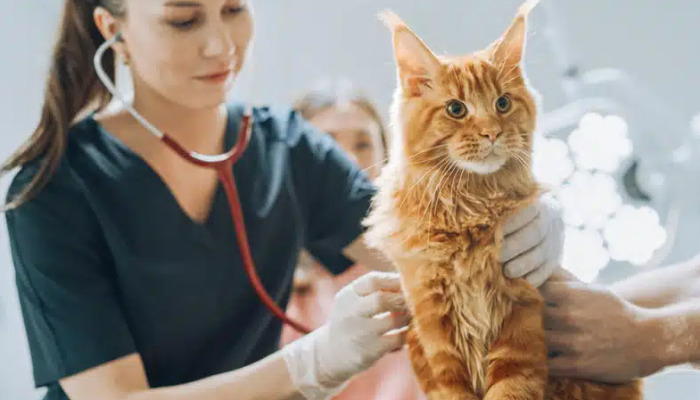
Schedule an appointment with a qualified veterinarian experienced in feline diseases.
Be prepared to discuss the kitten's medical history, behavior, and environment.
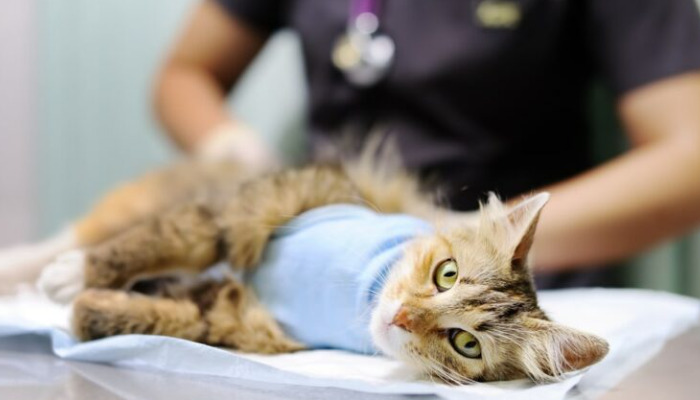
Expect diagnostic tests such as blood work, abdominal ultrasounds, or fluid analysis to confirm FIP.
Timely veterinary consultation is vital, as FIP can progress rapidly beyond simple home care capabilities. Accurate diagnosis often involves ruling out other illnesses with similar presentations.
Confirm the Diagnosis with Tests
Understand that FIP diagnosis is complex; it includes detecting coronavirus antibodies and analyzing effusions.
Recognize that no single test definitively confirms FIP; instead, veterinarians combine clinical signs with laboratory findings.
Be aware of the distinction between wet (effusive) and dry (non-effusive) forms of FIP, influencing treatment options.
Accurate diagnosis minimizes unnecessary anxiety or improper treatments and ensures that your kitten receives appropriate care.
Explore Treatment Options Carefully
Remember that traditional cures for FIP are limited; there’s no universally effective antiviral therapy approved universally.
Pursue novel treatments cautiously, especially off-label medications or experimental therapies.
Consult your vet about supportive care options such as fluids, nutritional support, and anti-inflammatory medications.
While no guaranteed cure exists, supportive treatment can improve quality of life for as long as possible. Discussing emerging experimental therapies with your vet might offer additional hope.
Provide Comfort and Support at Home
Maintain a calm, quiet environment to reduce stress.
Ensure easy access to fresh water and high-quality nutrition.
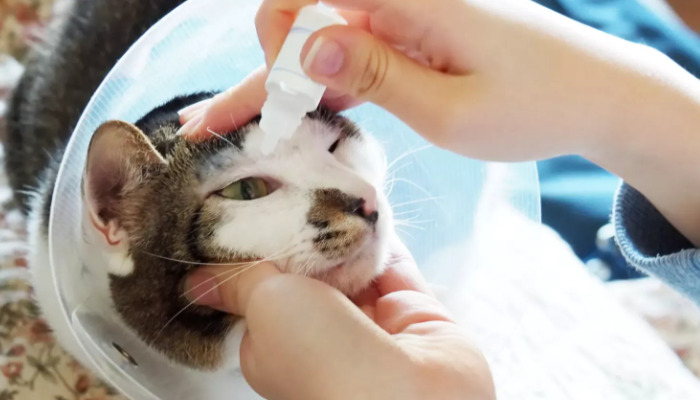
Administer medications as prescribed, paying close attention to dosage and timing.
Monitor for changes in behavior, appetite, or breathing, and report these to your vet promptly.
Home care should aim to ease discomfort and support your kitten’s immune system, enhancing their quality of life.
Consider Palliative Care and End-of-Life Decisions
Understand that FIP often leads to progressive decline; sometimes, humane euthanasia becomes the compassionate choice.
Work closely with your vet to assess your kitten's comfort and prognosis regularly.
Make decisions based on your kitten’s quality of life, avoiding unnecessary suffering.
Navigating end-of-life choices is emotionally taxing. Seeking support from your veterinarian and pet care communities can provide comfort and guidance.
Preventative Measures and Future Care
Practice rigorous hygiene and quarantine protocols to limit coronavirus exposure.
Minimize stress in the kitten’s environment to prevent immune suppression.
Regular veterinary check-ups can detect early signs of illness before they escalate.
Although FIP is difficult to prevent entirely, proactive health management can reduce risk factors and support overall well-being.
Stay Informed on Emerging Research
Follow updates on experimental antiviral drugs showing promise against FIP, such as GS-441524.
Participate in or support studies that aim to develop effective, approved treatments.
Engage with reputable sources and foster open communication with veterinary professionals.
Staying knowledgeable about advances can offer new hope for affected kittens and their caregivers in the future.
Connect with Support Networks
Reach out to pet loss and chronic illness support groups.
Share experiences and gain insights from other pet owners dealing with similar issues.
Seek mental health support if the emotional toll becomes overwhelming.
Building a community can provide strength and comfort through challenging times.
The journey with a kitten diagnosed with FIP is undoubtedly complex. However, armed with compassion, professional guidance, and current knowledge, you can navigate this difficult path with hope and resilience.