Does FIP Cause Vomiting in Cats
Introduction
Feline Infectious Peritonitis (FIP) is a devastating disease among domestic cats, causing widespread concern for veterinarians and cat owners alike. The condition, associated with a mutated form of the feline coronavirus, can remain silent before erupting into severe, often fatal illness. An important clinical symptom often discussed is vomiting. This article clarifies whether FIP causes vomiting in cats, delving into the disease’s nature, symptomatology, diagnostic approaches, and supportive care strategies. By combining data from clinical studies, veterinary guidelines, and expert insights, the article offers a comprehensive guide tailored for concerned pet owners and practitioners seeking reliable information.
What Is FIP?
FIP emerges when a feline coronavirus, typically harmless and associated with mild, self-limiting gastrointestinal problems, mutates inside an individual cat. The altered virus eludes the immune system, leading to an excessive immune response. This misguided reaction triggers inflammation in various tissues, most notably the abdomen, chest, eyes, and brain. FIP is commonly classified in two forms: “wet” (effusive) and “dry” (non-effusive). The wet type serves as the more dramatic presentation, characterized by fluid buildup in body cavities, while the dry type manifests as granulomatous inflammation affecting organ systems but without significant fluid effusions.
Common Symptoms of FIP
The clinical signs of FIP are notoriously vague and mimic many other feline illnesses, complicating diagnosis. Cats under the age of two or from multi-cat environments are especially at risk. The most frequently observed symptoms include:
Persistent fever unresponsive to antibiotics.
Loss of appetite and lethal weight loss.
Lethargy and decreased interaction.
Progressive abdominal distension (wet form).
Yellowing of eyes or skin (jaundice).
Neurological changes, such as head tremors or walking difficulties.
Ocular problems like inflammation or visual disturbances.
Gastrointestinal symptoms, particularly vomiting, receive focused attention because they can signify digestive involvement but are not always present in FIP.
Vomiting: A Symptom Analysis
Vomiting is the forceful expulsion of stomach contents and represents a non-specific but significant clinical problem in feline medicine. While many illnesses—including renal failure, gastrointestinal infections, and toxins—cause vomiting in cats, FIP may also provoke this reaction. Whether a cat with FIP will vomit depends upon the organ systems involved, the form of FIP present, and the disease’s progression.
Wet Form FIP and Vomiting
In the wet (effusive) form, vomiting is less common. The build-up of fluid in the abdomen can cause mild nausea or discomfort, but true vomiting may not appear unless organs responsible for digestion, such as the stomach or liver, are overwhelmed or inflamed. However, secondary problems like severe ascites (fluid accumulation) compress the intestines and stomach, potentially causing retching or intermittent vomiting episodes. Hepatic involvement due to viral or immune-mediated attack further exacerbates nausea and vomiting through bile acid disruption or hepatic encephalopathy.
Dry Form FIP and Vomiting
The non-effusive (dry) form generally involves granulomatous lesions within organs, including intestines, liver, kidneys, or mesenteric lymph nodes. Involvement of these areas significantly increases the likelihood of vomiting, especially when nodular inflammation causes obstruction, pain, or interferes with digestive motility. Veterinary reports indicate that vomiting in dry FIP is frequently associated with severe organ inflammation but isn’t universal. Some cats exhibit chronic vomiting, while others may be asymptomatic gastrointestinally.
Vomiting as an Early Warning Sign
One challenge for owners and veterinarians is that vomiting is widespread among cats with many illnesses, not only FIP. Early or intermittent vomiting, especially coupled with other concerning signs—fever, lethargy, and dramatic weight loss—should prompt further investigation. FIP must be high on the differential list, particularly in young cats from shelters or catteries. Notably, vomiting in FIP usually escalates in frequency and severity as organs sustain increasing damage or as the immune system’s reaction intensifies.
Pathophysiological Connections
Why does FIP cause vomiting? The virus itself is not gastrotoxic; rather, vomiting is the result of organ dysfunction driven by the immune response. Granulomatous inflammation in the digestive tract disrupts normal motility, absorption, or nerve signaling, resulting in vomiting. Immune complexes and inflammatory mediators—cytokines, chemokines, and complement components—directly affect gut function. Severe liver involvement, sometimes seen in FIP, reduces detoxification and impacts digestion, compounding nausea. Ascites may physically compress digestive organs, leading to distension and altered motility.
Diagnostic Approach to FIP
A definitive diagnosis of FIP remains difficult. No single test offers categorical confirmation. Diagnosis requires careful synthesis of history, symptoms (vomiting included), laboratory findings, and sometimes biopsy.
1. History and Clinical Signs
Veterinary professionals must document the onset, frequency, and duration of vomiting, and connect it with other systemic signs such as fever and weight loss. Owners should be prepared to discuss any relevant background: multi-cat housing, recent stressors, or prior respiratory and gastrointestinal illnesses.
2. Laboratory Workup
Bloodwork may reveal anemia, high protein levels, increased liver enzymes, or elevated white blood cell counts. In cats with vomiting, electrolyte disturbances (low sodium, potassium, or chloride) may reflect excessive fluid loss. The presence of hyperglobulinemia (high blood proteins) is especially suggestive.
3. Imaging
Ultrasound or X-ray examinations identify fluid in the abdomen, enlarged organs, or masses that might explain vomiting and support an FIP diagnosis. Imaging also helps rule out obstructions, tumors, or other diseases that provoke similar symptoms.
4. Fluid Analysis
In cases of effusive FIP, tapping fluid from the abdomen or chest may reveal characteristic changes—yellow color, high protein content, and low cellularity. Such fluid almost always correlates with advanced organ involvement and may, indirectly, be linked with vomiting due to compression or irritation.
5. PCR and Antibody Testing
Testing for feline coronavirus or specific viral mutations can help confirm suspicion. However, neither test is 100% specific or sensitive. A positive result in context with a cat presenting vomiting, fever, and effusion strongly supports the diagnosis.
6. Biopsy and Histopathology
In select cases, tissue samples are obtained to confirm granulomatous changes. Histology may show the immune-mediated reaction that typifies FIP and can explain the presence of vomiting in cats with gastrointestinal tract involvement.
Risk Factors and Susceptible Populations
Certain cats experience increased susceptibility to FIP, thereby increasing the likelihood of vomiting if they contract disease. Kittens under 18 months, Bengal, Birman, and other purebred cats appear overrepresented. Living in densely populated environments predisposes animals to the initial coronavirus exposure and transmission. Stressful events—adoption, rehoming, surgery, illness—can trigger immune changes that promote viral mutation.
How Is Vomiting Managed in FIP-positive Cats?
The management of vomiting in FIP patients is multifaceted, aiming to alleviate discomfort, maintain hydration, and protect the digestive tract while targeting the underlying disease.
1. Supportive Care
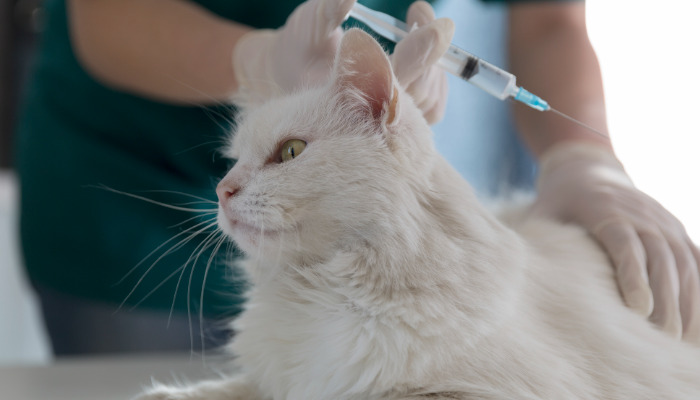
Fluid therapy is vital for cats vomiting regularly to prevent dehydration and electrolyte imbalances. Anti-nausea medications—maropitant, ondansetron—help suppress vomiting and improve appetite. Prescription diets, sometimes liquid or highly digestible, ease the digestive burden.
2. Treating the Underlying Disease
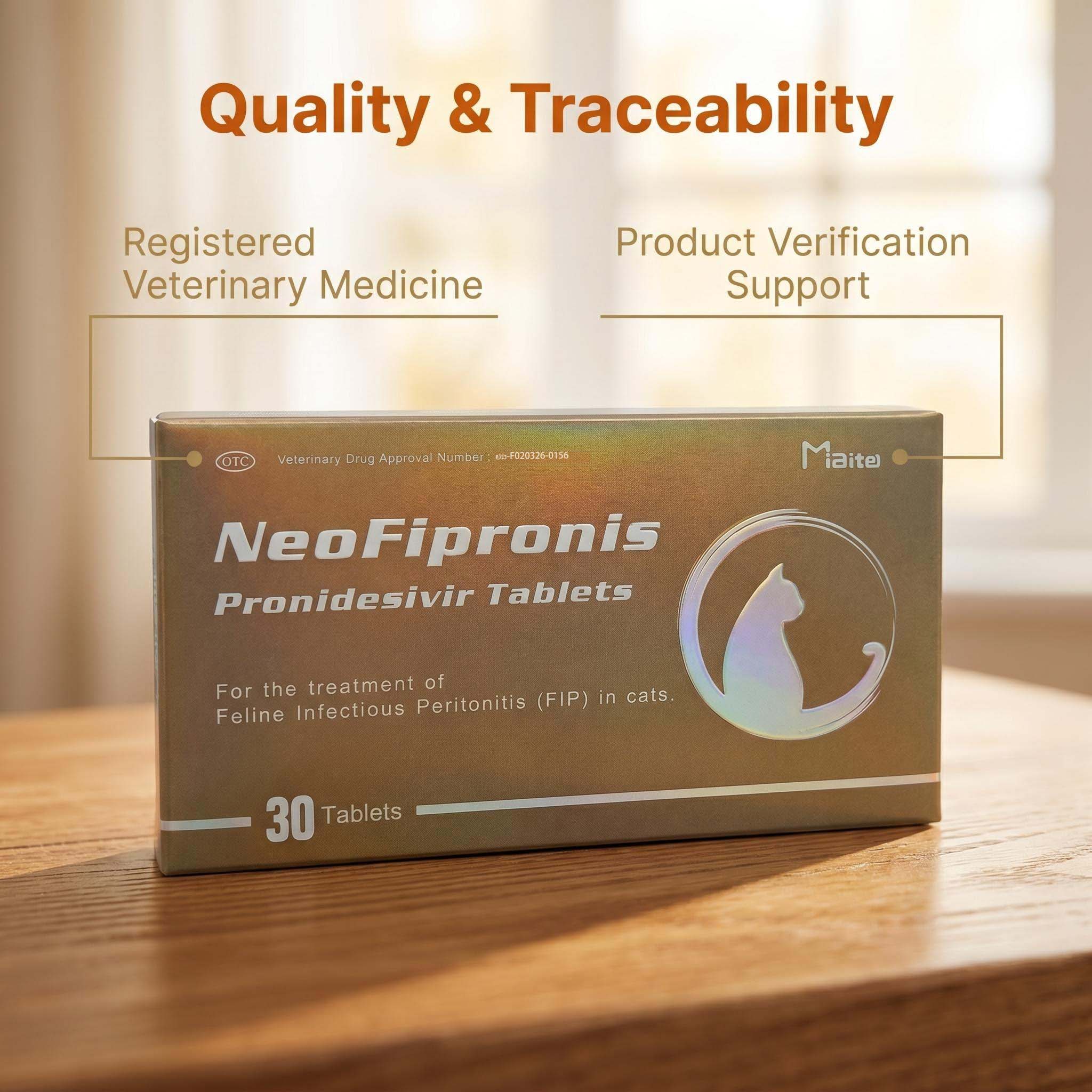
Until recently, FIP was universally fatal. Advances in antiviral therapy, particularly with GS-441524 and related compounds, have transformed outcomes for selected cases. Early treatment reduces both FIP progression and related vomiting by mitigating organ inflammation.
3. Nutritional Management
Cats with frequent vomiting may require tube feeding or syringe feeding to ensure adequate nutrition. Small, frequent meals minimize gastrointestinal irritation. Sometimes bland diets, high in protein but low in fat, are more tolerable.
4. Symptom Monitoring and Adjustment
Caregivers and veterinarians should closely monitor the frequency and severity of vomiting, adjusting therapies to suit individual needs. In severe cases, hospitalization and intravenous support may become necessary.
Prognosis for Cats With FIP and Vomiting
FIP, regardless of vomiting, carries a guarded prognosis. The presence of vomiting may signal advanced organ involvement, especially when persistent. Early intervention with supportive care and antiviral therapy, when available, can extend survival and improve comfort in some cats. Quality of life should always be the central concern, with palliative options—pain management, dietary support, hospice care—available if remission is unattainable.
Prevention Strategies
Prevention centers on minimizing exposure to feline coronavirus, reducing stress, and promoting robust immune health. Modern recommendations for breeders and catteries include:
Avoiding overcrowding and maintaining strict hygiene.
Segregating kittens from adults.
Prompt isolation and veterinary attention for sick cats.
Regular disinfection and cleaning of environments.
Limiting stress and unnecessary invasive procedures.
How Owners Can Help Their Cats
Quick and appropriate veterinary attention at early signs of vomiting increases diagnostic accuracy and the likelihood of a positive outcome. Owners are encouraged to keep accurate records of symptoms, dietary changes, and environmental stressors. Regular check-ups are essential, especially for at-risk populations—young, purebred, or multi-cat households.
Conclusion
FIP remains a challenging diagnosis and treatment in feline medicine. Vomiting is a possible symptom, most frequently encountered in cats with gastrointestinal involvement or advanced organ disease—often the dry form of FIP. While not universal, vomiting in the context of suspected FIP demands timely investigation to prevent dehydration, malnourishment, and unnecessary discomfort. Progress in antiviral therapies, diagnostic protocols, and owner education offers hope for improved outcomes. Ongoing research and increased awareness continue to drive advances in feline healthcare, transforming the landscape for cats afflicted with this serious disease.
References
1. Pedersen, N. C. (2014). An update on feline infectious peritonitis: diagnostics and therapeutics. Veterinary Journal, 201(2), 133–141.
2. Dempsey, S. M., & Ewing, P. J. (2011). Feline infectious peritonitis: Diagnosis and treatment. Compendium: Continuing Education for Veterinarians, 33(8), E1–E7.
3. Kipar, A., & Meli, M. L. (2014). Feline infectious peritonitis: Still an enigma? Veterinary Pathology, 51(2), 505–526.
4. Hartmann, K. (2005). Feline infectious peritonitis. Veterinary Clinics of North America: Small Animal Practice, 35(1), 39–79.
5. Addie, D. D., & Jarrett, O. (1992). Feline coronavirus antibodies in cats. Veterinary Record, 131(10), 202–203.
6. Chang, H. W., Egberink, H. F., Halpin, R., & Vennema, H. (2012). Feline infectious peritonitis virus detection using real-time PCR and serological tests. Journal of Virological Methods, 180(1–2), 8188.
7. Riemer, F., Kaiser, G., et al. (2016). Clinical and laboratory features of feline infectious peritonitis in cats from multi-cat environments. Journal of Feline Medicine and Surgery, 18(7), 148–155.
8. Tasker, S. (2018). Diagnosis of feline infectious peritonitis: Update and perspectives. Veterinary Journal, 241, 123–129.
9. Stuetzer, B., & Hartmann, K. (2014). Feline infectious peritonitis: Epidemiology and pathogenesis. Veterinary Research, 45(1), 107.