How to Manage a Multi-Cat Household With an FIP Cat
Feline Infectious Peritonitis (FIP) is a complex and heartbreaking disease affecting cats, especially in multi-cat households. Understanding how to manage a home where one cat has been diagnosed with FIP is critical for both feline welfare and the peace of mind of pet owners. This article addresses the nature of FIP, the risks to other cats, strategies for effective management, and lifestyle adjustments that can help maintain a safe, harmonious environment for all cats involved.
Understanding FIP: What Every Cat Owner Should Know
FIP is caused by a mutated form of feline coronavirus (FCoV). Most cats exposed to FCoV only experience mild gastrointestinal symptoms, if any. However, in a small percentage of cases, the virus mutates within the cat’s body, leading to FIP—a typically fatal disease featuring an impaired immune response.
Types of FIP
Wet (effusive) form: Accumulation of fluid in the chest or abdomen
Dry (non-effusive) form: Widespread organ inflammation, often affecting eyes or central nervous system
FIP is not directly contagious between cats. The form of FCoV that causes FIP is the result of an internal mutation; however, the original coronavirus can be spread, primarily through fecal-oral transmission.
How FIP Spreads in Multi-Cat Households
FIP itself is not directly transmissible between cats. Rather, it is the original, non-mutated feline coronavirus that passes from cat to cat, typically through shared litter boxes, grooming, or contaminated surfaces.
Key Transmission Points
Litter boxes: The primary route, as infected cats shed the virus in feces
Shared food and water dishes: Less common, but possible if contaminated
Environmental surfaces: Virus can survive for days in organic material
The risk of another cat in the household developing FIP depends on their exposure to FCoV and their individual genetic and immune characteristics. Stress and certain genetic factors may increase susceptibility.
Immediate Actions After FIP Diagnosis
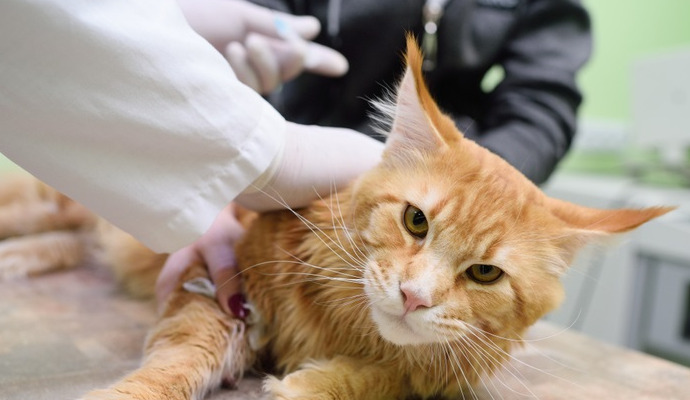
Prompt veterinary confirmation is essential. Blood tests, fluid analysis, and advanced diagnostics may be required to confirm FIP.
Isolation and Quarantine
Isolate the FIP-diagnosed cat if possible, especially from kittens and immunocompromised cats.
Set up a separate litter box, food, and water area.
Limit shared furniture, bedding, or toys.
Isolating strictly is challenging in most home environments, but reducing close contact during active shedding can help minimize FCoV spread.
Environmental Management Strategies
Increasing household hygiene routines can significantly reduce the overall viral load. This is crucial to protect the health of both the FIP-affected cat and other residents.
Litter Box Hygiene
Clean litter boxes at least once daily, twice if possible.
Use clumping, low-dust litter to make spot cleaning easier.
Disinfect boxes weekly using bleach solution (one part bleach to 32 parts water), rinsing thoroughly.
Surface Disinfection
Regularly disinfect items commonly touched by cats: food dishes, water bowls, bedding, toys.
Wash fabrics at a high temperature, use pet-safe detergents.
Vacuum frequently to reduce hair and dander that can carry viral particles.
Air Quality and Ventilation
Improving ventilation by opening windows or using air purifiers can help lower the concentration of airborne viral particles.
Reducing Stress in Your Cat Group
Stress reduction is essential, as high-stress levels can predispose cats to viral shedding and decreased immunity.
Environmental Enrichment
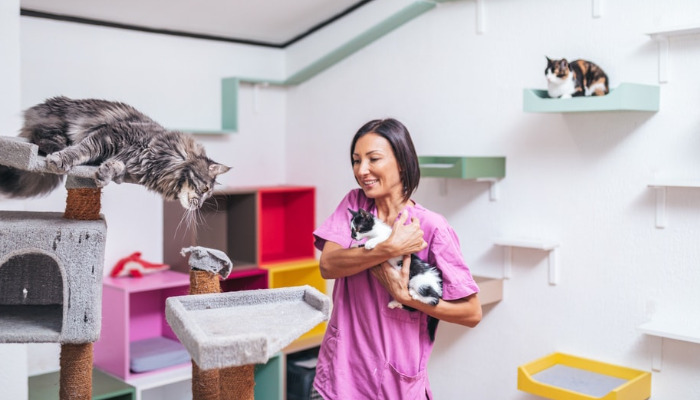
Provide hiding spots and vertical spaces to reduce territorial disputes.
Maintain predictable routines for feeding and play.
Use pheromone diffusers or sprays to promote calm behavior.
Managing introductions and separations with care is important. Use barriers like baby gates or screens rather than shutting cats away completely, which can increase anxiety.
Dietary Considerations
High-quality nutrition supports immune function, particularly in vulnerable cats.
Offer a balanced diet appropriate for age and health status.
Avoid sudden changes in food or feeding schedules.
Ensure continuous access to fresh water.
Ask your veterinarian about immune support supplements; options like omega-3 fatty acids or certain vitamins may be suggested based on your cat’s overall health.
Monitoring and Veterinary Care for All Cats
All cats in the household should be regularly monitored for changes in behavior, appetite, weight, and litter box use. Early intervention can be life-saving.
Observe daily for subtle signs: hiding, lethargy, eating less, vomiting, diarrhea, breathing changes.
Weigh each cat weekly to track weight loss or gain.
Schedule routine veterinary check-ups, and inform the vet about FIP in the home.
Vaccinations and deworming should continue as recommended for healthy cats, but any new cat introductions should be postponed.
Managing the FIP-Positive Cat's Quality of Life
While FIP is often fatal, recent advances in treatment, such as antiviral medications, may offer hope in certain cases.
Work closely with your veterinarian regarding supportive care: fluids, nutrition, and in some cases, specific antivirals.
Offer comfort with soft, warm bedding, and easy access to resources (litter, food, water).
Track symptoms and maintain detailed records for your vet.
Household Logistics: Adjusting to a New Normal
Managing work, family, and care schedules may become more complex during this time. Assign responsibilities for feeding, cleaning, and observation to different family members. Keep a shared calendar to track veterinary appointments and medication administration.
Deciding About Cat Intakes and Adoptions
It is recommended not to introduce new cats into a household with active FIP or high coronavirus prevalence. New arrivals, especially kittens or elderly cats, are most susceptible to infection and illness. If cats must be rehomed, disclose FIP status and household risks.
When One Cat Passes: Managing FCoV in the Environment
After losing a cat to FIP, FCoV can persist in the environment. Waiting at least 2 months before bringing in a new cat is generally recommended. Perform a thorough cleaning of living areas, and consult with your veterinarian about testing for FCoV in surviving cats.
Psychological Support for Pet Owners
Caring for a cat with FIP is emotionally challenging. Seek support from veterinarians, veterinary social workers, or community groups. Family meetings can help share emotions and responsibilities.
Preventive Strategies for the Future
Routine hygiene, stress reduction, and careful management of new introductions help reduce the risk of FCoV transmission and FIP development in the long term. Genetic factors contribute to susceptibility, so responsible breeding and adoption practices, including health screening, play a role.
References
Addie, D.D., et al. “Diagnosis of Feline Infectious Peritonitis: A Review.” The Veterinary Journal.
Pedersen, N.C. “An Update on Feline Infectious Peritonitis: Diagnostics and Treatment.” Veterinary Clinics of North America: Small Animal Practice.
Hartmann, K. “Feline Infectious Peritonitis.” Veterinary Clinics of North America: Small Animal Practice.
Tasker, S. “Diagnosis and Management of Feline Infectious Peritonitis.” In Practice.
Foley, J.E., and Poland, A.M. “Feline Coronaviruses: Genetics and Pathogenesis.” Veterinary Microbiology.
Kipar, A., and Meli, M.L. “Feline Infectious Peritonitis: Still an Enigma?” Veterinary Pathology.
American Association of Feline Practitioners. “Feline Infectious Peritonitis Guidelines.”
Levy, J.K., and Weigler, B.J. “Current Understanding of FIP Epidemiology in Multiple Cat Environments.” Journal of Feline Medicine and Surgery.