Treatment options for FIP
Feline Infectious Peritonitis (FIP) is a devastating viral disease caused by certain strains of feline coronavirus (FCoV). Once thought to be uniformly fatal, recent advances have introduced various potential treatment strategies. Although there is no universally approved cure yet, ongoing research and clinical experiences offer hope for managing this complex disease. Here, we explore the diverse approaches available, highlighting their mechanisms, benefits, and limitations.
Antiviral Therapies
One promising avenue involves the use of antiviral medications that target FCoV replication within feline cells.
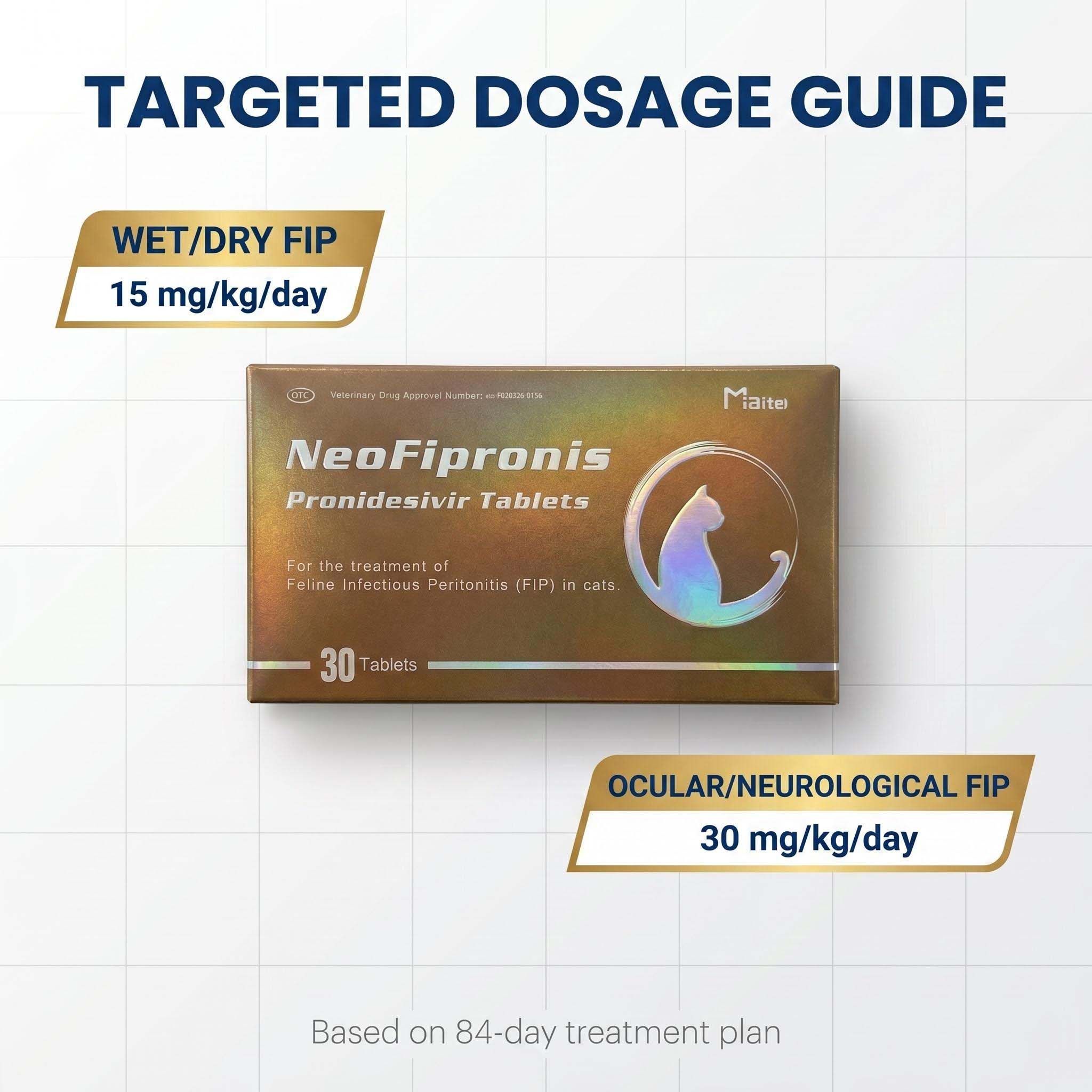
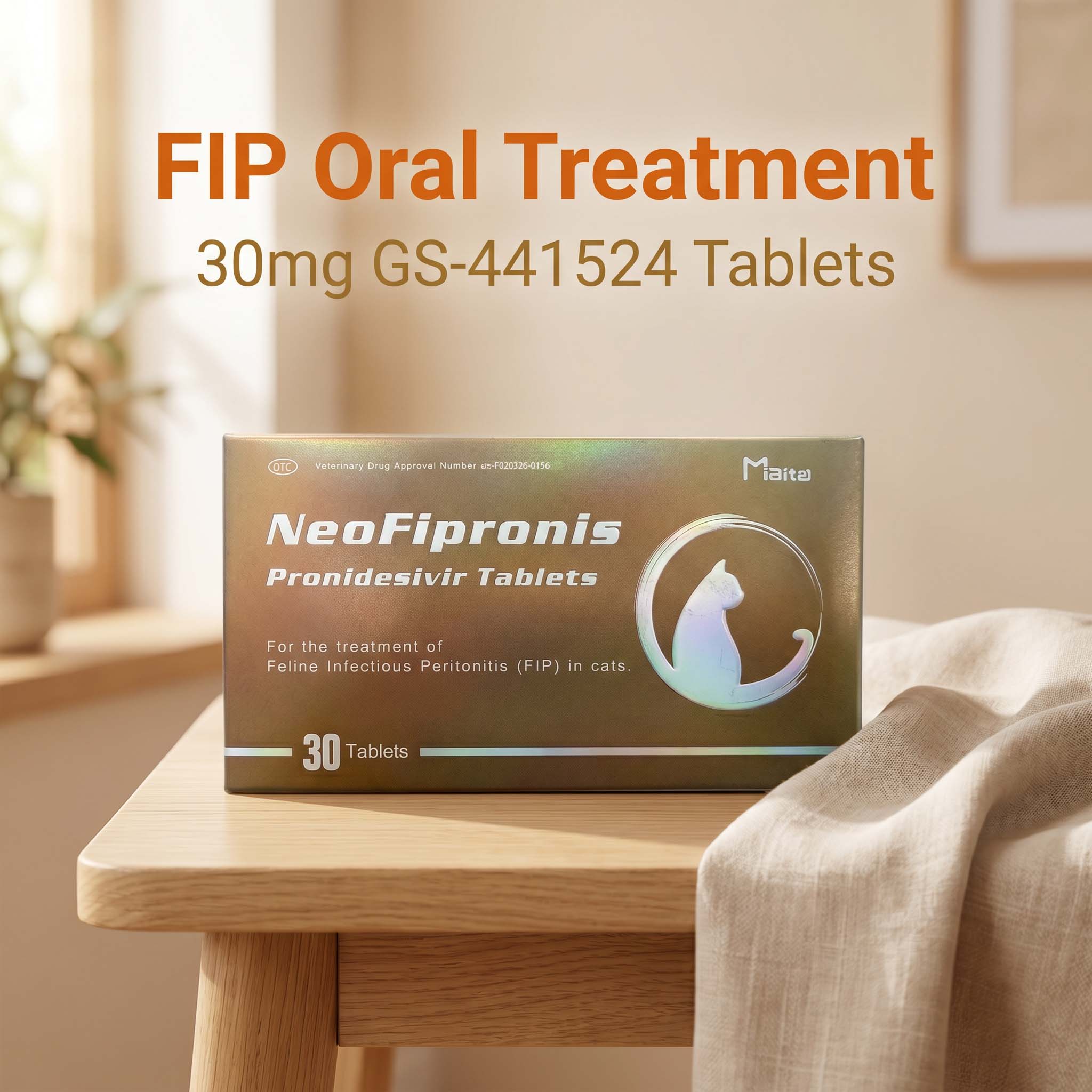
GS-441524: A nucleoside analog developed initially for human coronaviruses, it has demonstrated notable efficacy in reducing clinical symptoms and viral loads in FIP-affected cats. Administered through subcutaneous injections, many cats experience remission, especially when treatment begins early. However, its status varies geographically due to regulatory restrictions, and high costs might be prohibitive for some owners.
Remdesivir: Structurally similar to GS-441524, remdesivir has shown potential in experimental settings. While promising, its veterinary application remains limited, and further studies are needed to establish safety and efficacy.
Immunomodulatory Interventions
Given the immune-mediated nature of many FIP cases, modulating the immune response can be beneficial.
Corticosteroids: These drugs can temporarily suppress inflammation and improve symptoms. Yet, they do not alter disease progression and can compromise the immune system, making viral control more difficult.
Interferons: Treatments like feline interferon omega aim to boost the feline immune response against FCoV. Some clinical reports suggest partial improvements, but they are generally considered adjuncts rather than standalone cures.
Immunostimulants: Agents such as polyprenyl immunostimulant may enhance immune resilience. While their role remains investigational, they show potential for supporting overall health during treatment.
Supportive Care
Addressing clinical signs and maintaining quality of life is fundamental.
Fluid Therapy: For effusive (wet) FIP cases, supportive fluid administration alleviates dehydration and improves comfort.
Nutritional Support: Adequate nutrition bolsters immune function and helps manage weight loss.
Anti-inflammatory Drugs: Besides corticosteroids, other anti-inflammatory agents may be employed to reduce discomfort.
Pain Management: Ensuring comfort through appropriate analgesics is essential, especially in cases involving abdominal pain or neurological symptoms.
Emerging Therapies and Experimental Approaches
Research continues to explore innovative solutions to combat FIP effectively.
Monoclonal Antibodies: Although still in experimental phases, monoclonal antibodies targeting specific viral proteins offer the potential for targeted therapy.
Gene Editing: Novel approaches such as CRISPR-based technologies are under investigation to inhibit or eliminate viral replication, though these remain in early development stages.
Vaccination: Recent vaccine developments aim to stimulate immunity against FCoV transmission, potentially decreasing FIP incidence. However, vaccine efficacy varies, and it is not a cure for existing infections.
Considerations in Treatment Planning
Early Intervention: Prompt treatment initiation correlates with improved outcomes.
Diagnosis Accuracy: Confirming FIP through a combination of clinical signs, laboratory tests, and imaging aids in selecting appropriate therapies.
Cost and Accessibility: Many antiviral treatments are expensive and may not be available worldwide, influencing management strategies.
Longevity and Quality of Life: While some therapies can prolong life, maintaining the cat’s comfort and avoiding undue suffering remains paramount.
Future Directions
The landscape of FIP treatment is rapidly evolving. Increasing understanding of coronavirus biology, immune interactions, and pharmacological innovations holds promise for more definitive therapies. Combining antiviral agents with supportive and immunomodulatory treatments may offer the most comprehensive approach. Tailoring each case based on clinical presentation, stage of disease, and owner resources is crucial.
As ongoing research yields new insights, more effective, affordable, and accessible therapies are expected to emerge, transforming the prognosis for cats afflicted with FIP. Collaboration between researchers, veterinarians, and pet owners will play a vital role in advancing these developments and improving feline health outcomes.