What Does Ascites Look Like in Cats With FIP
Feline Infectious Peritonitis (FIP) remains one of the most baffling and devastating diseases in feline medicine. Often, one of its most recognizable signs is the development of ascites—a buildup of fluid within the abdomen. For cat owners and veterinary professionals alike, understanding the visual and clinical characteristics of ascites in cats with FIP is crucial for early recognition and management. This article aims to provide an in-depth exploration, combining medical detail with practical advice, tailored for those caring for feline companions.
Understanding FIP: What is Feline Infectious Peritonitis?
FIP results from infection with a feline coronavirus, often referred to as FCoV. While most infected cats display mild gastrointestinal symptoms or no symptoms at all, a small percentage undergo a dangerous mutation that triggers FIP. This usually happens in cats with a weakened immune system, such as kittens, older cats, or those dealing with stress or other illnesses.
FIP typically emerges in two main forms: the “wet” (effusive) and “dry” (non-effusive) type. The wet form is more dramatic, with fluid accumulation, especially ascites, dominating the clinical presentation.
What is Ascites?
Ascites describes the abnormal accumulation of fluid in the peritoneal cavity—the space inside the abdomen that houses the intestines, liver, and other organs. In cats with FIP, this process is instigated by inflammation of the blood vessels in the abdominal lining due to the mutated coronavirus. This leads to leakage and the pooling of fluid that would otherwise be absorbed.
Ascites in Cats: Visual Cues and Physical Signs
Abdominal Distension
The most obvious sign of ascites in cats with FIP is a noticeably swollen abdomen. This distension tends to develop fairly rapidly, sometimes within days, and is distinct from weight gain or obesity. The abdomen feels round, tense, and may hang lower than usual. Owners may describe the cat as having a “pot belly.”
Shifting Shape
As cats move or change positions, the fluid inside can shift, causing the belly to appear differently shaped depending on posture. This is referred to as “ballottement,” where gently palpating the abdomen may transmit a ripple through the fluid.
Thin Limbs & Prominent Spine
Despite the abdominal swelling, cats with FIP-related ascites often lose muscle mass elsewhere. Legs and ribs may look thin or bony. The prominent spine and hip bones contrast sharply with the rounded belly, creating a “pear-shaped” body outline.
Clinical Assessment of Ascites: What Vets See
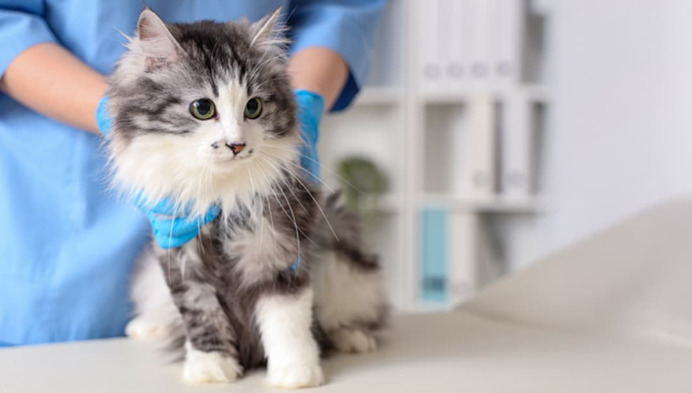
Palpation and Observation
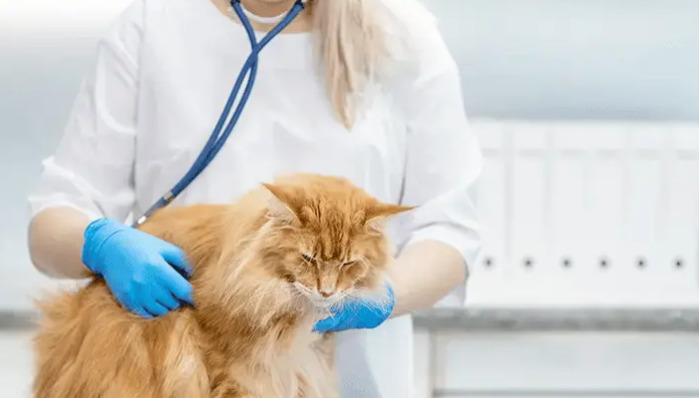
Veterinarians, upon examination, will gently palpate the abdomen, feeling the fluid’s characteristic wave-like movement. The fluid is typically straw-colored and viscous when drawn for analysis.
Ultrasound Imaging
Ultrasound is an invaluable tool in confirming ascites. Images reveal swathes of free fluid within the peritoneal cavity, sometimes with suspended strands or “fibrin tags” that indicate inflammation, supporting a diagnosis of FIP. Occasionally, organs appear to “float” or shift abnormally due to buoyancy.
Radiography
On x-rays, the abdominal cavity appears abnormally “opaque,” or hazy, since the fluid obscures natural contrasts between organs. The stomach, liver, and intestines may be more difficult to distinguish.
How Ascites Progresses
Early Appearance
Early ascites may present simply as mild abdominal fullness or subtle changes in shape. Some owners notice decreased appetite, mild lethargy, or even vomiting, but these can be mistakenly attributed to other causes.
Severe Ascites
As FIP advances, the fluid volume increases. The abdomen becomes taut and stretched, causing discomfort and reducing the cat’s ability to groom, leap, or even walk properly. Breathing may be affected if fluid starts encroaching upon the diaphragm and compressing the lungs.
Effects on Gait and Activity
Cats with significant ascites move awkwardly. They may have a waddling gait, reluctance to jump, and spend more time resting. Activity levels drop dramatically, and the cat may seek cooler, quieter spots.
Other Signs Accompanying Ascites in FIP
Fever, Lethargy, and Weakness
Persistent, unresponsive fever often accompanies FIP. Combined with ascites, the cat may seem chronically tired, slow, and unwilling to engage with family members.
Jaundice
Yellowing of the gums, eyes, or skin is a sign that the disease has affected the liver. This may be seen alongside abdominal swelling.
Unexplained Weight Loss
Despite the swollen belly, most cats with FIP and ascites are losing weight overall. The fluid gives a false sense of fullness.
Diagnostic Testing: When Ascites Suggests FIP
Fluid Analysis
Veterinarians may perform an “abdominocentesis,” drawing fluid from the abdomen for analysis. The typical fluid in FIP is sticky, yellowish, highly proteinaceous, and contains high concentrations of globulins. Laboratory tests, including Rivalta test, cytology, and PCR, aid in confirming FIP as the underlying cause.
Serology and PCR
Blood and fluid samples assist in detecting coronavirus and ruling out other potential causes of ascites, such as liver disease, heart disease, or neoplasia.
Differentiating FIP-Related Ascites
Unlike ascites from other sources, FIP fluid is rarely accompanied by signs of heart failure (e.g., coughing, cyanosis). The presence of additional symptoms—such as ocular or neurologic signs—further supports FIP.
Treatment Challenges
Supportive and Palliative Care
Veterinary intervention often emphasizes comfort and quality of life, as FIP was historically considered nearly always fatal. With the wet form, management involves reducing discomfort from ascites. This may require periodic drainage, pain relief, and nutritional support.
Emerging Therapies
Recent breakthroughs in antiviral drugs—such as GS-441524 and GC376—have shown promise for extending survival and improving quality of life in some cases. Still, fluid accumulation itself must be monitored for associated complications, like secondary infections or respiratory distress.
Care at Home: Monitoring and Comfort
Observing for Worsening Ascites
Owners should watch for continued abdominal growth, breathing changes, or marked distress. Grooming problems, abnormal posture, and refusal to eat indicate a severe disease state.
Nutritional Support
Offer palatable, easily digestible foods. Fluid buildup can compress the stomach, so small, frequent meals may be better tolerated.
Environment Modification
Create soft resting spaces with easy access to litter boxes, food, and water. Stairs and jumping hazards should be minimized.
Hydration and Hygiene
Regularly check your cat’s hydration and help with gentle grooming if self-care declines.
Emotional Support and Decision-Making
Communication With the Veterinary Team
Owners should discuss all visible symptoms and behavioral changes with their veterinarian. Photos or videos of abdominal changes can help track disease progression and inform treatment choices.
Considering Pet Comfort
Quality of life assessments—using pain, activity, appetite, and social engagement as cues—guide decisions about continued care or humane euthanasia.
When to Seek Immediate Veterinary Care
If your cat with FIP and ascites shows signs of severe distress—labored breathing, extreme lethargy, refusal to eat/drink, or uncontrolled pain—immediate veterinary attention is essential. Rapid expansion of the abdomen may signal an emergency.
FAQ: Ascites in FIP Cats
Can ascites in cats be reversed?
True reversal is rare without targeted antiviral treatment, although supportive care can temporarily lessen symptoms.
Does abdominal swelling mean automatic FIP?
No. Other causes of ascites, including liver disease, heart failure, trauma, or tumors, are possible. Only diagnostic testing can distinguish them.
Will my cat be in pain?
Ascites itself can be uncomfortable and, in the late stages, painful. Veterinary intervention is critical for pain control.
Preventive Strategies and Long-Term Monitoring
Prompt identification of FIP and ascites increases the chances of successful management. Limit stress, maintain vaccination schedules, and manage cat density in multi-cat households to decrease coronavirus transmission.
Visual Gallery: What Ascites Looks Like in FIP Cats
Rounded, pendulous abdomen contrasted with thin limbs.
Glossy, stretched abdominal skin.
Ripple effect on gentle palpation.
Abnormal body shape despite overall muscle wasting.
Conclusion: Recognizing and Responding to Ascites in FIP
Careful observation for abdominal distension, activity reduction, and other FIP signs equips owners to seek timely veterinary advice. Advances in FIP therapy offer new hope, but comfort and quality of life remain paramount.
References
1. Addie, D.D., et al. "Diagnosis and Treatment of Feline Infectious Peritonitis." Veterinary Clinics of North America: Small Animal Practice, 2020.
2. Pedersen, N.C. "An update on feline infectious peritonitis: diagnostics and therapeutics." Veterinary Journal, 2014.
3. Kipar, A., Meli, M.L. "Feline Infectious Peritonitis: Still an Enigma?" Veterinary Pathology, 2014.
4. Hartmann, K. "Feline Infectious Peritonitis." Veterinary Clinics: Small Animal Practice, 2005.
5. Hsieh, L.E., Chueh, L.L. "Feline coronavirus: relationship between viral load, mutation, and pathogenesis." Veterinary Microbiology, 2016.
6. Tasker, S. "Diagnosis and Management of Feline Infectious Peritonitis." In: BSAVA Manual of Feline Practice, 2018.
7. Levy, J., et al. "Ascites in cats: clinical approach and differential diagnosis." Journal of Feline Medicine and Surgery, 2022.
8. Wagner, D. "Recent advances in the treatment of feline infectious peritonitis." Veterinary Record, 2023.