What Every Cat Owner Should Know About FIP Treatment
Feline Infectious Peritonitis (FIP) is a devastating disease that has challenged veterinarians and cat owners for decades. Recent advances in understanding and treating FIP have given hope where none existed before. This article provides a comprehensive review of FIP, its clinical presentation, diagnostics, treatment protocols, prognosis, and ongoing research, designed for American cat owners seeking practical guidance and reliable information.
Understanding FIP: Definition, Prevalence, and Transmission
FIP arises from infection with feline coronavirus (FCoV), which is relatively common among domestic and shelter cats. While many cats exposed to FCoV remain asymptomatic or only develop mild intestinal issues, a small percentage go on to develop FIP—either the effusive (“wet”) or non-effusive (“dry”) form. Estimates vary, but FIP occurs in roughly 1-2% of FCoV-exposed cats, often among kittens and young cats under two years old, immune-compromised individuals, or those in multi-cat environments. Transmission generally occurs via feces, with contamination of food, water, or litter boxes. Unlike some zoonotic infections, FIP is not considered a threat to human health.
Recognizing the Clinical Signs of FIP
The two major forms of FIP present somewhat differently. Wet FIP is characterized by the accumulation of yellow-tinged fluid in the abdomen or chest, leading to visible swelling and potential breathing difficulties. Dry FIP is less obvious and can involve neurological symptoms (wobbly gait, seizures), ocular changes (eye inflammation), and organ dysfunction. General symptoms include weight loss, lethargy, fever resistant to antibiotics, decreased appetite, and sometimes jaundice. Not all cases fit cleanly into one category, and diseases like lymphoma or toxoplasmosis may mimic FIP.
Diagnosing FIP: Tests and Considerations
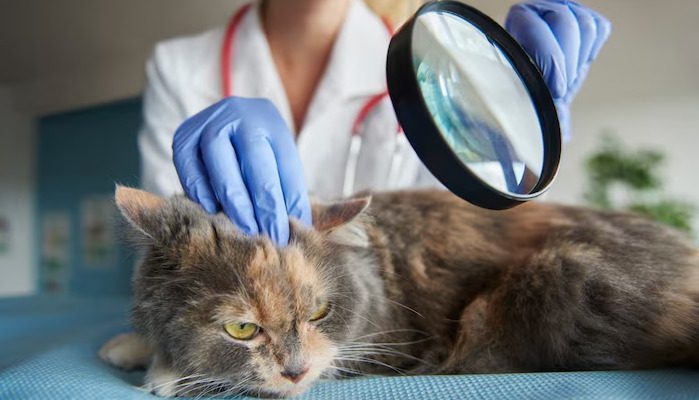
FIP diagnosis is notoriously challenging. No singular test can confirm FIP with 100% accuracy. Veterinarians use a combination of history, clinical signs, lab tests, and imaging to increase confidence.
Bloodwork: Non-specific changes like increased globulins, low albumin-to-globulin ratio, lymphopenia, and anemia may be seen.
Coronaviral Testing: PCR and antibody tests (e.g., FCoV antibody titers) can detect coronavirus exposure, but cannot distinguish benign enteric infections from FIP. Recent RT-PCR methods can identify viral RNA in effusions, which increases diagnostic accuracy.
Imaging: Ultrasound and X-rays can help detect fluid in the abdomen/chest, organ enlargement, and other changes.
Fluid Analysis: In wet FIP, analysis of the effusion often reveals high protein content with low cellularity. Rivalta’s test may be used as a supportive indicator.
Biopsy: In ambiguous cases, tissue biopsy for histopathology and immunohistochemistry remains the gold standard for confirming FIP.
Treatment: A Paradigm Shift
FIP was once a death sentence for cats. In the past, only supportive care—fluids, nutritional support, antibiotics for secondary infections—was offered, with almost all cases fatal within weeks to months. Since 2019, the landscape has changed dramatically, thanks to the development of antiviral drugs and improved management strategies.
GS-441524 and Related Drugs: Mechanism and Accessibility
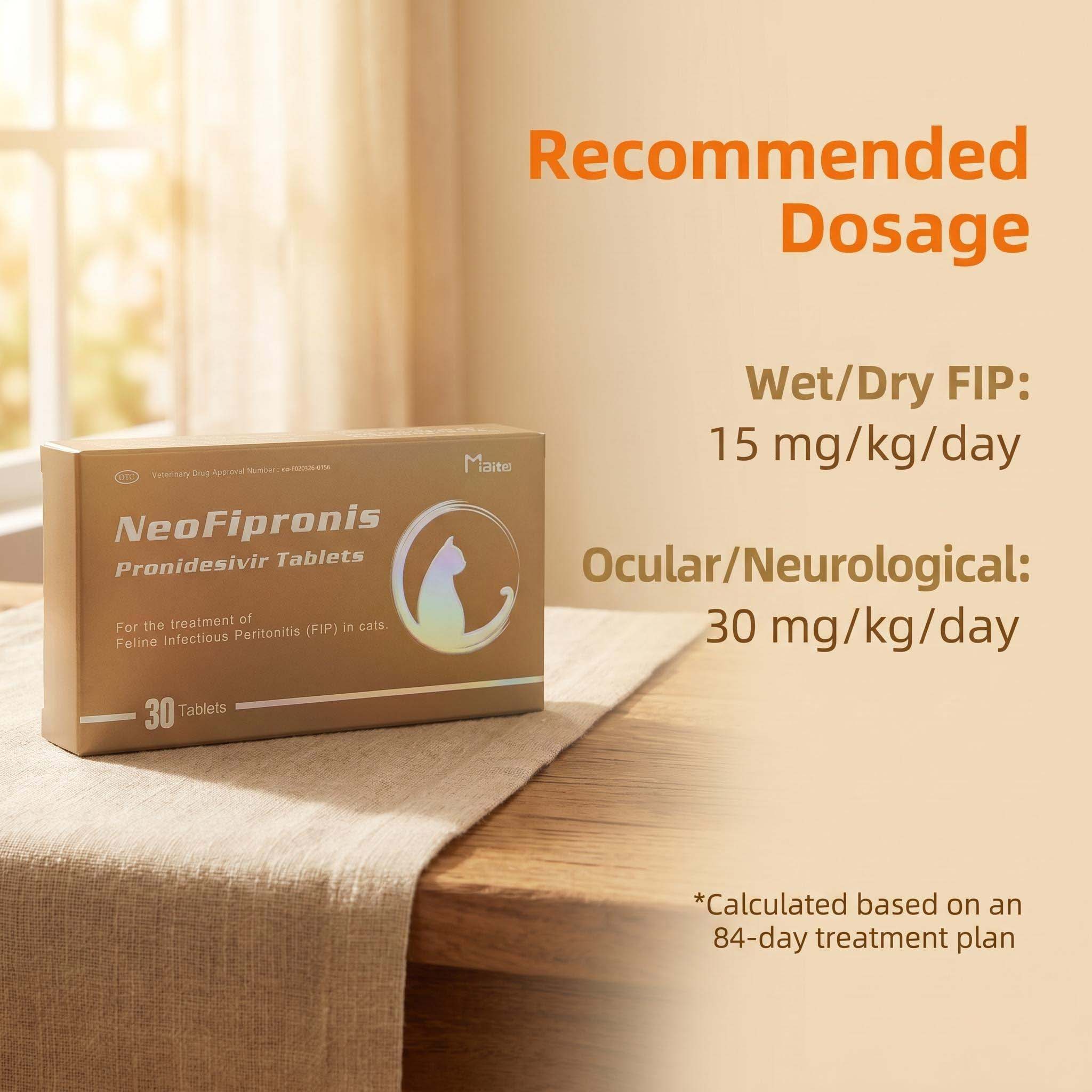
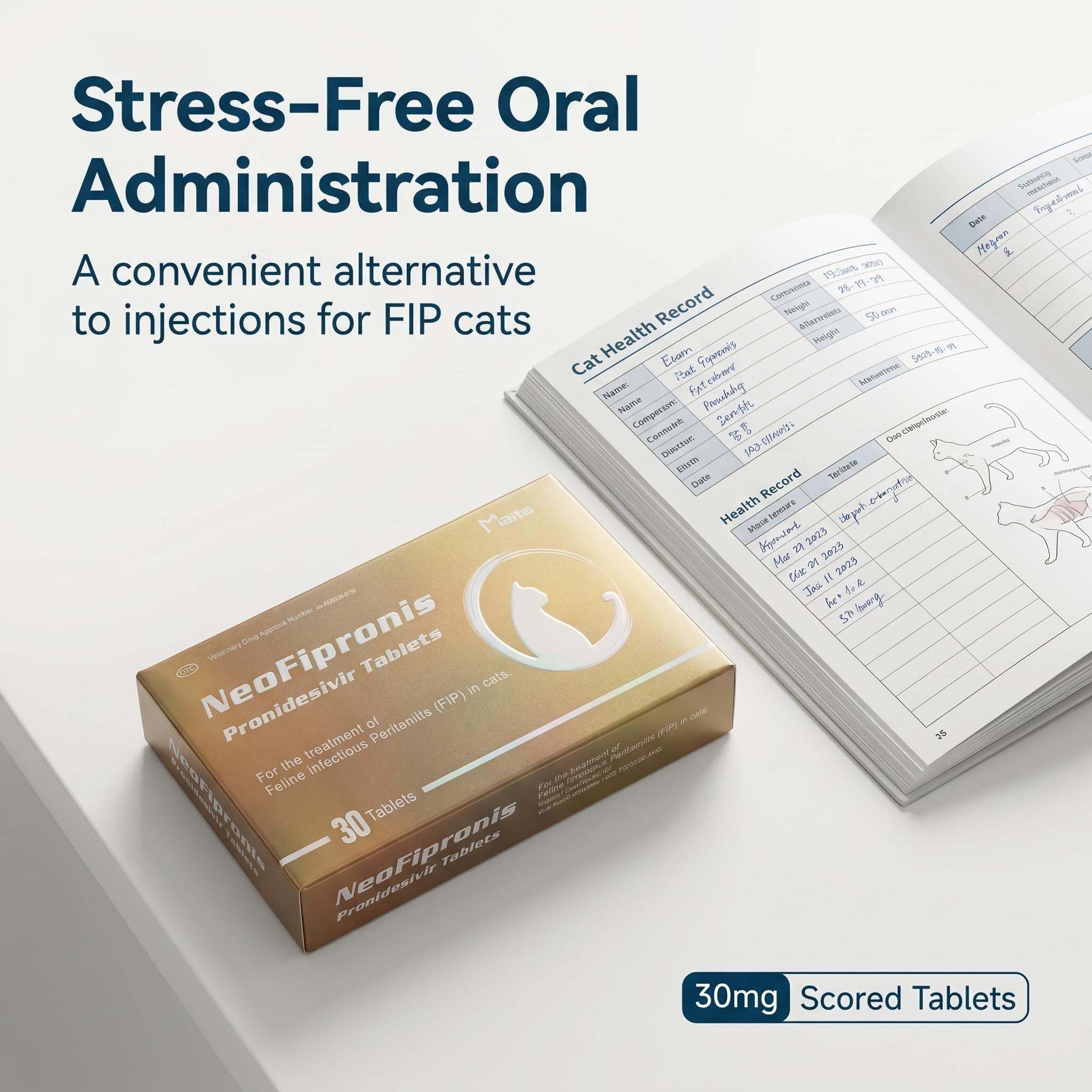
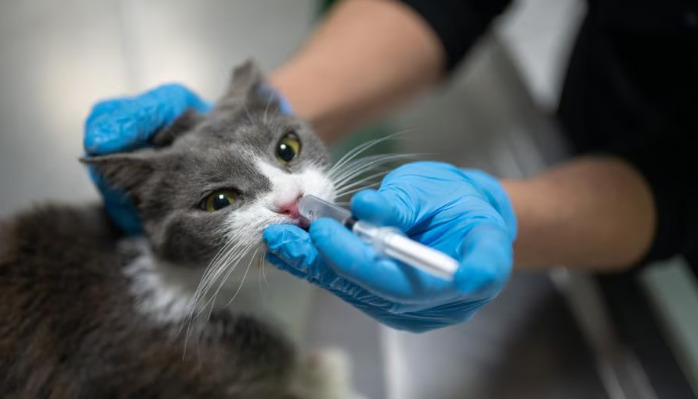
The nucleoside analog GS-441524, a close relative of Remdesivir, is the primary treatment recognized for inducing remission and long-term survival in cats with FIP. Acting by inhibiting the replication of FCoV, GS-441524 can be administered via daily injections or oral tablets. Initial studies in the US and China report remission rates between 80-90% when given promptly and at appropriate dosages.
Access has been a challenge in the US due to regulatory issues. GS-441524 is not FDA-approved, and black-market sourcing has emerged, raising concerns about drug purity and dosing consistency. Veterinarians may discuss options, but direct prescription of GS-441524 remains legally complex. Some clinics cooperate with overseas suppliers for compounded forms or transition to Remdesivir “off-label.” Owners must carefully follow vet guidance, ensuring authenticity and appropriate dosing.
Other Antiviral Treatments
Alternative antivirals like Remdesivir, molnupiravir, and protease inhibitors have been tested in certain research and clinical settings, with promising but less widespread results. Remdesivir may be used as an intravenous alternative, especially for cats unable to receive oral medication, although cost and access remain significant hurdles.
Supportive Care
Cats with FIP often require additional supportive procedures, including:
Fluid therapy for dehydration
Nutrition optimization (high-protein diets, appetite stimulants)
Antibiotics for secondary infections
Anti-inflammatory drugs (some corticosteroids or NSAIDs under close supervision)
Management of neurological or ocular symptoms with adjunctive therapies
Close monitoring during treatment is vital, as relapses or drug side effects can occur. Prompt adjustment of therapy can increase chances of remission.
Prognosis: Factors Affecting Survival
Historically, survival for FIP-diagnosed cats was poor; most succumbed within a month of diagnosis. Current antiviral therapies have dramatically shifted outcomes. Prognosis varies based on:
Form of FIP: Dry (non-effusive) cases, especially with neurological involvement, may be harder to treat.
Age and overall health
Speed of diagnosis and therapy initiation
Drug access and adherence to treatment protocols
Response to initial 84-day course—most protocols recommend minimum 12 weeks of therapy.
Relapse is possible, particularly in cases with central nervous system (CNS) involvement. In these cases, higher doses and longer treatment may be required. Owners must maintain diligent monitoring for signs of recurrence and seek immediate veterinary advice if symptoms resurface.
Cost Considerations and Veterinary Guidance
Treatment for FIP is expensive. GS-441524 therapy may cost anywhere from $2000 to $5000 per cat, depending on the drug source, dosing, duration, and supportive care. This poses a substantial emotional and financial burden for many owners. Choosing a reputable veterinary partner is crucial—they can guide dosing, safety monitoring, discuss ethical and legal issues, and help with supportive care planning.
Owners must be cautious regarding black-market drugs and internet advice. Low-quality formulations, incorrect dosing, and counterfeit products carry risks. Always pursue therapy under supervision.
Living with a Cat Recovering from FIP
Care continues beyond the initial therapy phase:
Gradual re-introduction of normal diet and routine if appetite and vigor return
Routine veterinary checkups and blood tests
Supportive social and emotional care—fostering a calm, stress-free environment
Immunity after FIP appears robust; recovered cats generally do not develop the disease again, although they may remain carriers of benign FCoV. There is no evidence of transmission from treated cats to others under normal home conditions.
Prevention and Reducing Risk
No vaccine is currently recommended or widely used for FIP in the US, due to limited efficacy. Prevention focuses on:
Reducing overcrowding and stress in multi-cat households or shelters
Maintaining excellent litter box hygiene
Isolating sick cats promptly
Ensuring kittens are cared for in stable, minimally stressful environments
Screening for FCoV in breeding colonies
Responsible breeders and shelters can minimize risk by controlling population density and supporting strong immune health in young cats.
Research and Innovation: What’s Next?
Ongoing studies aim to:
Refine antiviral protocols: exploring combination therapy, shorter courses, and improved CNS penetration
Develop new therapies and diagnostics for earlier intervention
Understand genetic, viral, and environmental factors influencing FIP susceptibility
International collaboration is expanding access and guidance for cat owners. Regulatory acceptance of GS-441524 and related drugs may improve in coming years, improving safety, cost, and access for American cat owners.
Key Takeaways for Cat Owners
FIP, once considered invariably fatal, is now treatable for many cats due to breakthrough antivirals like GS-441524. Early recognition, swift diagnosis, and partnering with a knowledgeable veterinarian are essential for maximizing survival chances. Owners must navigate drug access issues thoughtfully, avoid black-market threats, and provide comprehensive, loving support for their recovering cats. As research evolves, hope and options for FIP-affected cats continue to expand.
References
1. Pedersen, N.C. (2020). “Feline Infectious Peritonitis: Update on Pathogenesis and Therapeutics.” Veterinary Clinics: Small Animal Practice, 50(5), 1001–1015.
2. Dickinson, P.J., Bannasch, M.J., & Pedersen, N.C. (2020). “Antiviral Therapy for FIP: Current Status and Future Directions.” Journal of Feline Medicine and Surgery, 22(10), 905–915.
3. Murphy, B.G., et al. (2018). “Efficacy of GS-441524 for Treatment of Naturally Occurring FIP.” Journal of Feline Medicine and Surgery, 20(4), 378–392.
4. Kipar, A. & Meli, M.L. (2014). “Feline Infectious Peritonitis: Still an Enigma?” Veterinary Pathology, 51(2), 505–526.
5. American Association of Feline Practitioners (2022). “Feline Infectious Peritonitis Guidelines.” Retrieved from https://catvets.com/guidelines
6. Veterinary Information Network (2023). “FIP Discussion Forums.” Retrieved from https://vin.com
7. Addie, D.D., et al. (2023). “Coronavirus Testing and FIP Diagnosis.” FIP Warriors USA. Retrieved from https://fipwarriorsusa.com
8. United States Food & Drug Administration (FDA) (2023). “Pet Medication Guide: GS-441524.” Retrieved from https://fda.gov