How Do FIP Symptoms Progress Over Time

Feline Infectious Peritonitis (FIP) remains one of the most challenging infectious diseases in cats. Caused by a mutated feline coronavirus (FCoV), FIP presents a diagnostic and clinical dilemma due to its varied progression. The disease can manifest in multiple forms and affects cats differently based on age, immune status, and overall health. This article offers an in-depth review of how FIP symptoms evolve, the biological underpinnings of the disease, and the practical timeline of symptom progression. Supporting information is derived from clinical studies and veterinary expertise across the United States.
Understanding FIP and Its Pathogenesis
FIP originates from a mutation of feline enteric coronavirus, which is usually benign. In some cats, especially those with compromised immune responses, the virus mutates and triggers an aggressive systemic disease. This mutation allows the virus to replicate within macrophages, escaping the normal immune defense and promoting widespread inflammatory responses. Once the mutated virus takes hold, FIP symptoms begin to unfold, usually in a progressive and sometimes unpredictable manner.
Incubation Phase
The initial exposure to feline coronavirus typically results in mild gastrointestinal signs, such as transient diarrhea or mild dehydration. Most cats clear the virus efficiently, remaining asymptomatic or experiencing minor clinical signs. However, in a small percentage, the virus mutates, leading to FIP. The period between initial infection and FIP development is often weeks to months, with some cats harboring the mutated virus asymptomatically before any signs emerge. During this phase, there may be no observable symptoms, leaving owners unaware until more advanced clinical signs show up.
Early Symptoms and Subtle Signs
FIP is notorious for its vague early clinical presentation. Affected cats may show general lethargy, inappetence, and intermittent fever unresponsive to antibiotics. Weight loss may begin subtly, and some owners notice increased hiding or withdrawal. Such signs are non-specific and commonly misattributed to other illnesses. Initial veterinary workups might only reveal mild anemia, slight elevations in globulin levels, or variable lymphopenia.
These early symptoms often persist for 1-2 weeks. Their mild nature makes diagnosis at this stage rare, and many cats remain undiagnosed until more definite signs develop.
Classic Symptom Progression: Wet and Dry Forms
FIP transitions into two main forms as the disease worsens: the effusive (wet) form and the non-effusive (dry) form. Each has a distinct symptom timeline and is characterized by specific pathological changes.
Effusive (Wet) FIP Progression
The wet form most commonly affects younger cats and progresses rapidly:
1. Fluid Accumulation Begins
Within 1-2 weeks of early signs, affected cats may develop noticeable fluid buildup in the abdomen or chest. Owners frequently observe a noticeably distended belly, labored breathing, or both. This occurs as blood vessels leak due to immune-mediated inflammation.
2. Rapid Worsening
Symptoms escalate rapidly—within days to weeks. The abdominal distension can become pronounced, and respiratory difficulty grows as fluid fills the chest cavity (pleural effusion). Cats may show increased discomfort, pronounced lethargy, and almost complete anorexia.
3. Other Signs Emerge
Mucous membranes often become pale due to anemia, and fevers persist. Some cats develop yellowish gums or skin (jaundice), indicating liver involvement.
4. Terminal Stage
Without intervention, wet FIP typically proves fatal within weeks after fluid accumulation is noticed. The progressive accumulation of fluid severely impairs organ function and quality of life.
Non-Effusive (Dry) FIP Progression
Dry FIP is more common in older cats and tends to have a slower course:
1. Chronic Fever
Fever persists for several weeks, often waxing and waning. Cats display continued lethargy and loss of appetite.
2. Organ-Specific Symptoms
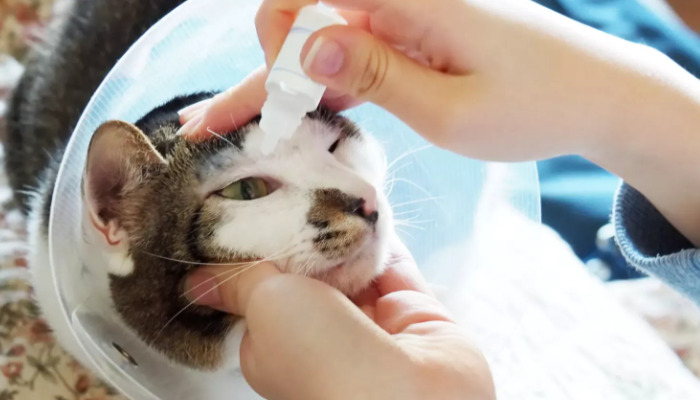
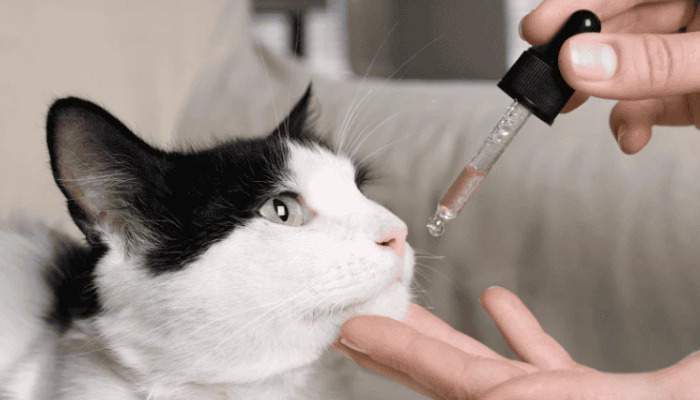
As granulomatous lesions form in organs, symptoms reflect the specific tissues affected. Neurological signs (seizures, ataxia, behavior changes) appear if the brain or spine is involved. Ocular lesions lead to eye inflammation, vision changes, and cloudiness.
3. Chronic Wasting
Body condition deteriorates over weeks to months. Cats grow increasingly weak and less responsive. Anemia, jaundice, and chronic pain occur as organs become more affected.
4. Variable Timeline to Terminal Illness
Dry FIP is less predictable; survival ranges from a several weeks to several months following diagnosis. Often, symptoms worsen gradually, punctuated by sudden declines if a critical organ is affected.
Neurological and Ocular Manifestations
Both forms of FIP can feature neurological or ocular symptoms; sometimes, these appear at any stage. Neurological FIP manifests as sudden changes in behavior, unsteady gait, tremors, or even seizures. Ocular FIP might cause visible changes to the eye’s color, inflammation, or blindness. These symptoms can progress over several weeks, occasionally as the initial clinical signs before other systemic symptoms arise.
Laboratory Changes Over Time
FIP is distinguished by unique laboratory trends. Early in the course, mild inflammatory changes may be present, progressing to pronounced hyperglobulinemia, low albumin, non-regenerative anemia, and lymphopenia. Imaging often detects organ enlargement, abdominal or pleural fluid, and abnormal tissue changes. Periodic testing reveals disease progression; for example, serial ultrasound may document fluid increases in wet FIP or growing organ lesions in dry FIP.
Owners’ Observations and Symptom Timeline
For most owners, the change in their pet’s demeanor is gradual but unmistakable. Initial subtle symptoms may last days to weeks before major changes—the cat stops eating, hides more, appears increasingly sick. Slow progression is typical of dry FIP, while the wet form can deteriorate over days once fluid appears. Regular monitoring is crucial, as the absence of classic symptoms early on can delay both diagnosis and treatment.
Common Misinterpretations of Early FIP Signs
The non-specificity of initial symptoms causes frequent misinterpretations. Mild fever and malaise are often mistaken for minor infections, stress responses, or dietary issues. Gastrointestinal signs, such as vomiting or diarrhea, might precede systemic illness in some cats but remain intermittent. Only when characteristic fluid buildup or granulomatous signs appear do veterinarians consider FIP as a probable diagnosis.
Clinical Diagnosis Along the Symptom Spectrum
Veterinarians depend heavily on monitoring symptom evolution to differentiate FIP from other diseases. Blood tests, imaging, and thorough physical examination track changes over time, helping to piece together the FIP diagnosis. The timeline from initial clinical suspicion to confirmed diagnosis is often weeks—even months—highlighting the importance of understanding FIP’s progressive nature.
Comparing FIP to Other Feline Diseases
Differentiating FIP from other illnesses, such as lymphomas, bacterial peritonitis, or autoimmune diseases, hinges on progression speed, laboratory trends, and response to treatment. FIP’s relentless advance despite antibiotics, the pattern of fluid accumulation, and the unique laboratory signature all point toward the disease. However, since there is no single definitive test, diagnostic workups are often complex and span weeks as symptoms unfold.
Influences on Symptom Progression
Several factors modulate FIP progression:
1. Age and Immunity
Young cats, especially those in shelters or multi-cat households, succumb rapidly. Older cats or those with robust immune systems may experience slower progression.
2. Viral Load and Mutation
The extent of viral mutation and load influences how fast symptoms develop. Some mutations result in particularly aggressive disease forms.
3. Concurrent Infections and Stress
Cats battling other infections or under stress may progress faster due to weaker immune defenses.
Therapeutic Advances and Impact on Progression
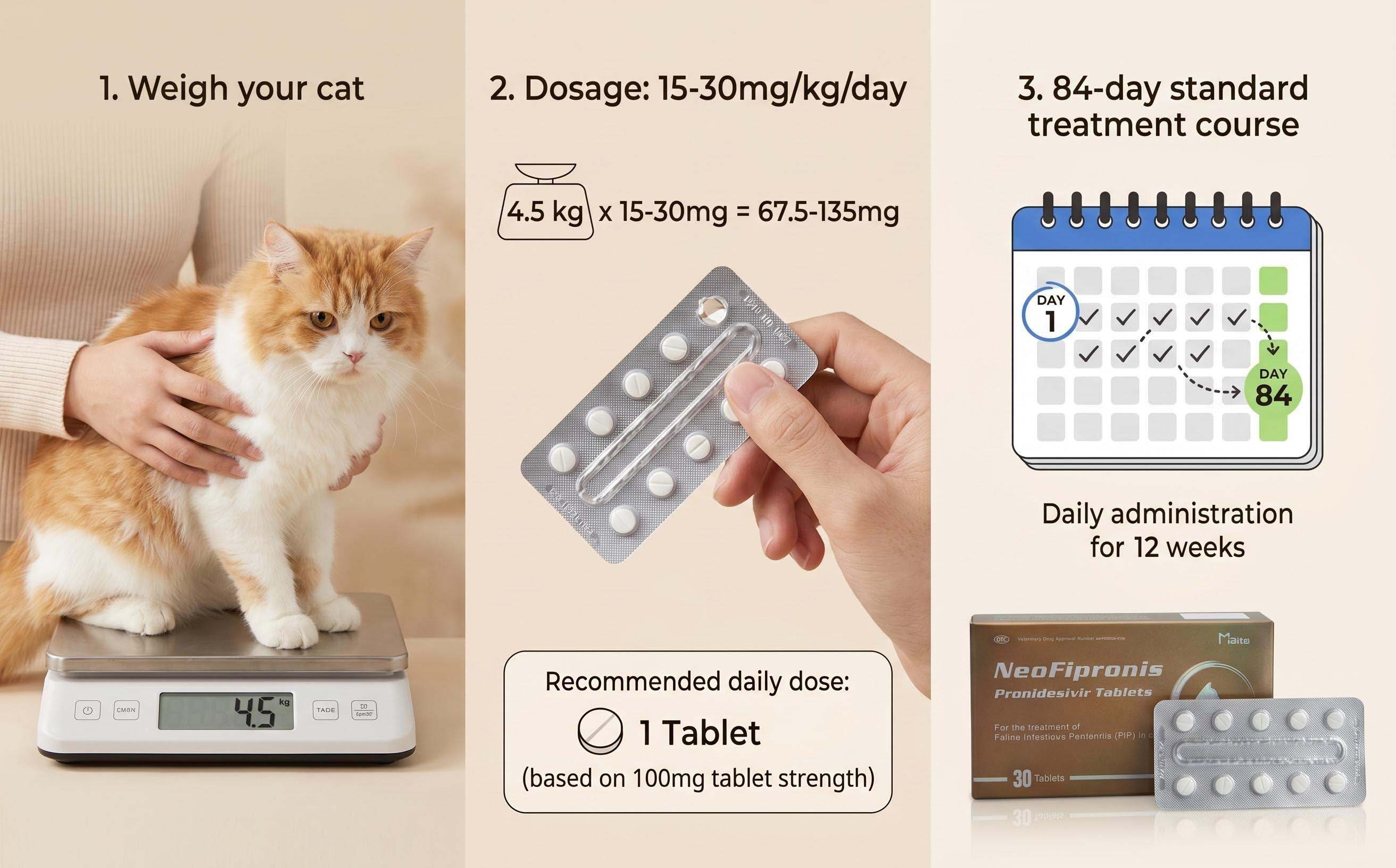
Recent breakthroughs in antiviral drugs, such as GS-441524 analogs, have changed the expected symptom progress in FIP. Cats treated early often experience slowed progression, symptom reversal, and remission. Still, untreated FIP remains uniformly fatal, and supportive therapy only marginally extends life.
Case Studies: Tracking Symptom Progress in Cat Populations
Studies following FIP-positive cats in shelters and homes reveal the following averages:
Incubation from exposure to first clinical signs: 4-12 weeks
Transition from vague to clear symptoms: 1-3 weeks (wet form) or 2-6 weeks (dry form)
Survival post-diagnosis (untreated): Wet form, 1-3 weeks; Dry form, 1-6 months
Owners consistently report dramatic changes in physical appearance, activity levels, and appetite correlating tightly with classic FIP symptom timelines.
Future Directions in FIP Management
Accurate tracking of symptom progression and early recognition is crucial with the advent of new treatments. Researchers continue to study the evolution of FIP signs to refine diagnostic criteria and improve outcomes. Improved understanding of symptom timetables is leading to earlier intervention, better prognosis, and longer lives for affected cats.
References
Addie, D. D., et al. "Feline infectious peritonitis: ABCD guidelines on prevention and management." Journal of Feline Medicine and Surgery, 2020.
Pedersen, N. C. "A review of feline infectious peritonitis virus infection: 1963–2008." Journal of Feline Medicine and Surgery, 2009.
Kipar, A., & Meli, M. L. "Feline infectious peritonitis: Still an enigma?" Veterinary Pathology, 2014.
Hartmann, K. "Feline infectious peritonitis." Veterinary Clinics of North America: Small Animal Practice, 2005.
Tekes, G., & Thiel, H. J. "Feline coronaviruses: pathogenesis of feline infectious peritonitis." Advances in Virus Research, 2016.
O'Brien, M. et al. "Clinical progression, diagnosis and survival determinants in cats with FIP." Veterinary Record, 2018.
Drechsler, Y., et al. "Diagnostic tests for feline infectious peritonitis: A review of their utility and limitations." Veterinary Journal, 2011.
Dickinson, P. J., et al. "Antiviral therapy of feline infectious peritonitis." Veterinary Microbiology, 2021.