Daily Changes Most Indicative of FIP in Cats
Feline Infectious Peritonitis (FIP) is a devastating disease that affects cats worldwide. Known for its insidious onset and complex presentation, FIP remains a challenge both for veterinarians and cat owners. Recent advances have improved early detection, yet many cases are still diagnosed late due to the subtleties in daily changes that occur in the lives of affected cats. This article explores the most indicative daily changes of FIP in cats, offering practical and in-depth insights for American cat owners. By focusing on observable day-to-day shifts in behavior, appetite, appearance, and activity, this resource provides tools that can help in identifying FIP early and seeking prompt veterinary intervention.
Feline Infectious Peritonitis is triggered by a mutated form of feline coronavirus (FCoV) and can be fatal if undiagnosed. While laboratory tests and imaging remain key for confirmation, it is often the minute, daily changes observed by cat owners that set the stage for diagnosis. Not all symptoms are abrupt or severe; rather, FIP tends to cause gradual changes in a cat’s health and demeanor. Understanding these signs—before disease progression—empowers caregivers to act quickly, optimizing outcomes.
Understanding the Nature of FIP
FIP usually affects cats under two years old, but any age group is at risk. The disease has two main forms: “wet” or effusive FIP, distinguished by fluid accumulation in the abdomen or chest, and “dry” or non-effusive FIP, marked by granuloma formation in various organs. Both forms share common clinical hallmarks, which may emerge during daily routines and interactions at home.
Behavior Changes
Increased Lethargy
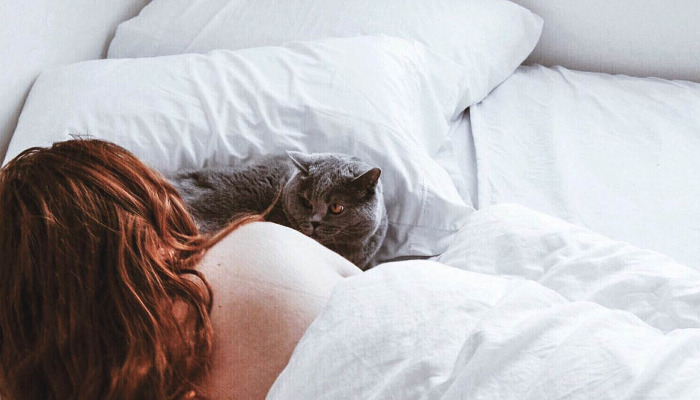
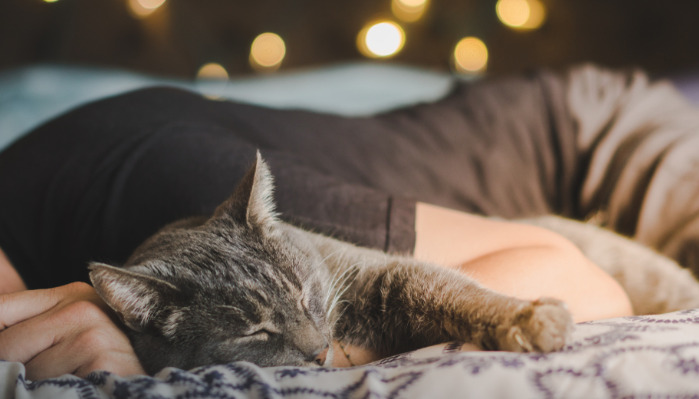
One of the earliest signs is altered activity. Owners may notice their cat sleeping more than usual, refraining from play, or avoiding interaction. Lethargy frequently precedes more severe symptoms and is sometimes dismissed as a “lazy day.” In cats with FIP, this fatigue persists and worsens over weeks.
Withdrawal and Hiding
Cats often seek solitude when sick. With FIP, tendency to hide—in closets, under beds, or in quiet corners—increases. Normally sociable cats become withdrawn, showing less interest in family members, toys, or even food.
Loss of Interest in Grooming
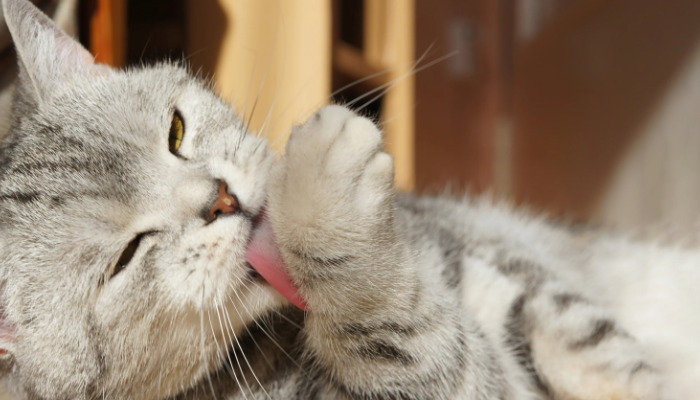
Feline grooming is an essential aspect of daily hygiene and social behavior. Cats affected by FIP will often decrease self-grooming, leading to a scruffier coat, matting, or unkempt appearance. Owners may observe their cat neglecting regular routines, further signaling that something is amiss.
Changes in Appetite and Eating Habits
Gradual Anorexia
A slow decline in appetite is arguably the most consistent daily change in cats with FIP. Owners might notice the cat not finishing its food or skipping meals altogether. Weight loss may occur, but it’s the subtle reduction in eating behavior—over several days or weeks—that becomes most apparent.
Altered Water Consumption
Fluid accumulation (especially in effusive FIP) may coincide with altered thirst. Some cats drink excessively, while others reduce intake, often depending on their overall discomfort or dehydration levels. Monitoring daily water bowl levels can offer clues.
Physical Appearance and Bodily Changes
Abdominal Enlargement
One of the classic presentations in wet FIP is a notably enlarged abdomen due to fluid buildup. This change develops gradually, and may be mistaken for weight gain. Careful daily observation will reveal the abdomen becomes firm rather than soft, with the swelling progressing over a period of days to weeks.
Labored Breathing
As fluid accumulates in the chest, affected cats can develop difficulties in breathing. Day-to-day changes include more pronounced effort in inhaling/exhaling, open-mouthed breathing, increased respiratory rate, and sometimes a persistent cough. These warning signs may be intermittent before becoming constant.
Pallor of Mucous Membranes
Upon closer daily inspection, the gums and inner eyelids may appear paler than normal, reflecting anemia or circulatory compromise. This shift is often missed unless owners are vigilant about regular health checks.
Eye Changes
Unusual ocular manifestations are common in dry FIP. Cats may develop changes in eye color or clarity, cloudiness of the cornea, or visible redness. These changes can emerge subtly, observed through careful daily inspection during petting or grooming.
Neurological Symptoms
Ataxia and Loss of Coordination
FIP’s neurological form brings progressive symptoms, including wobbly gait and trouble jumping onto furniture. These changes are often gradual, with cats hesitating before performing once-easy tasks. Such loss of coordination can worsen rapidly, but early detection comes down to noticing day-to-day struggles.
Seizure Activity and Behavioral Disturbances
Rare but severe, daily observation may reveal twitching, tremors, or even seizure-like episodes. Changes in vocalization, sudden aggression, or excessive meowing can signal discomfort or neurological involvement. These patterns should not be ignored.
Gastrointestinal Symptoms
Vomiting and Diarrhea
Daily shifts in bowel movement frequency or consistency, or intermittent vomiting, may be observed. For many cats with FIP, gastrointestinal discomfort develops subtly. Owners may notice stools becoming softer, intermittent diarrhea, or unexplained vomiting episodes, which worsen over time.
Fever Patterns
Persistent Low-Grade Fever
A consistent low-grade fever (often above 102.5°F, but below a crisis level) is classic with FIP. Many owners are unaware of such a fever unless checking temperature daily, but clues include increased warmth to the touch and a refusal to engage in usual activities. Fever may be unresponsive to antibiotics or general supportive care.
Subtle Daily Red Flags
Unexplained Weight Loss
Checking weight weekly is ideal for any cat, but in cats with FIP, measurements can reveal persistent weight reduction. This may not be apparent visually at first, but comparing photos from week to week can provide a crucial clue.
Changes in Social Dynamics
Cats affected by FIP may abruptly alter their relationships—either avoiding housemates or becoming unusually clingy. Routine observations can reveal shifts, including avoidance of sleeping spots previously favored or reluctance to navigate normal household environments.
Sudden Onset of Unusual Behaviors
Increased vocalization, inappropriate urination or defecation, or repetitive behaviors may emerge. These are less consistent with FIP, yet their sudden appearance—especially in conjunction with other symptoms—signals to owners that something is wrong.
Environmental Considerations Affecting Daily Changes
Stress-Related Exacerbation
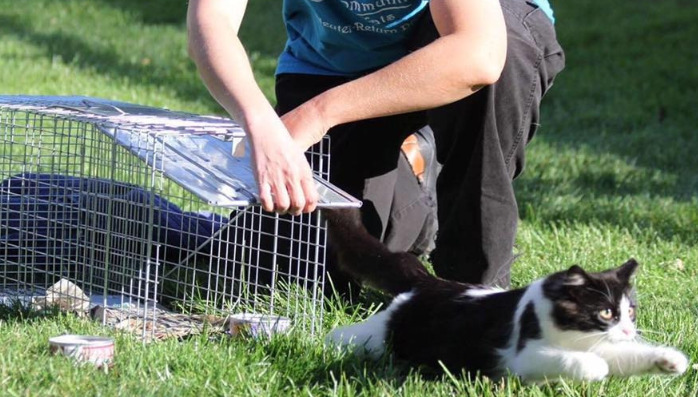
Cats living in shelters or multi-cat households are at higher risk due to increased stress and exposure. Daily monitoring in such settings is essential, since the rate of change may be accelerated by environmental factors.
Variations Due to Age and Health Status
Kittens and senior cats may show daily changes more subtly due to baseline inactivity or concurrent illness. Owners must compare new symptoms against each cat’s normal baseline, which varies greatly with age, breed, and personality.
Differentiating FIP from Other Illnesses Based on Daily Changes
Overlapping Symptom Profiles
Many feline illnesses—such as lymphoma, hepatic disease, and chronic viral infections—mimic FIP in their initial signs. Yet, FIP often stands apart through the progressive, unrelenting nature of daily deterioration coupled with fluid buildup, neurological compromise, or persistent fever.
Importance of Context in Observation
Isolated changes are less indicative than a constellation of daily shifts. Documenting symptoms with date-stamped photos, journals, or even mobile apps can help convey the pattern to veterinarians, aiding prompt and accurate diagnosis.
Owner Vigilance: Practical Tips
Symptom Journaling
Owners should consider keeping simple daily logs: appetite, water intake, activity, and litter box usage. Even minor deviations become important when compiled over days.
Home Monitoring Techniques
Regular body-temperature checks with cat-safe thermometers, weekly weight measures, and visual abdominal assessment can be performed at home. This daily vigilance often makes a critical difference in outcome.
Prompt Veterinary Consultation
If more than one daily change persists for several days, contact a veterinarian. Early intervention is key, and clinical suspicion of FIP mandates diagnostic work-up, including ultrasound, blood tests, and PCR for FCoV.
The Importance of Early Detection
Improved Outcomes
Cases caught early—before severe fluid accumulation or neurologic dysfunction—have shown better response to recently available antiviral therapies such as GS-441524. Vigilant attention to daily changes gives cats the best chance for survival.
Reducing Transmission
Though classic FIP itself isn’t highly contagious, recognizing and isolating coronavirus-exposed cats with subtle daily changes can reduce spread within shelters or multi-cat households.
Daily Changes: Summary Table
| Daily Change | Form of FIP | Observational Tip |
|-||-|
| Lethargy | All forms | Compare activity to baseline |
| Hiding/withdrawal | All forms | Location logs and patterns |
| Anorexia | All forms | Meal completion tracking |
| Abdominal enlargement | Wet FIP | Compare photos weekly |
| Labored breathing | Wet FIP | Daily observation of breathing |
| Eye color/clarity changes | Dry/neurological FIP | Visual checks during grooming |
| Uncoordinated movement | Neurological dry FIP | Watch for changes in gait/jumping |
| Persistent fever | All forms | Regular temperature monitoring |
| Sudden behavioral changes | All forms | Behavior logs, video records |
Conclusion and Practical Application
Recognizing daily changes, grounded in careful observation, remains the frontline for early detection of FIP. Owners equipped with knowledge and observational tools greatly contribute to timely diagnosis and improved outcomes. Ongoing awareness, combined with open communication with veterinarians, ensures that subtle daily shifts translate into meaningful clinical care. In households with multiple cats or shelters, the significance of daily symptom tracking is magnified, supporting public health and animal welfare.
References
1. Pedersen, N.C. (2009). A Review of Feline Infectious Peritonitis Virus Infection: 1963–2008. Journal of Feline Medicine and Surgery, 11(4), 225–258.
2. Addie, D.D., Jarrett, O., & Gaskell, R.M. (1998). Feline infectious peritonitis: An update. Veterinary Record, 142(16), 449–454.
3. Sykes, J.E. (2014). Feline Infectious Peritonitis: Diagnosis and Management. In C.E. Greene (Ed.), Infectious Diseases of the Dog and Cat (4th ed., pp. 109–120). Saunders.
4. Hartmann, K. (2005). Feline infectious peritonitis. Veterinary Clinics of North America: Small Animal Practice, 35(1), 39–79.
5. Kipar, A., & Meli, M.L. (2014). Feline Infectious Peritonitis: Still an Enigma? Veterinary Pathology, 51(2), 505–526.
6. Izes, A.M., et al. (2020). Feline Infectious Peritonitis: Update on Pathogenesis and Diagnostics. Veterinary Journal, 252, 105393.
7. American Association of Feline Practitioners. (2023). FIP Diagnosis and Management Guidelines.
8. Norris, J.M., et al. (2005). Pathology of FIP: Clinical and Virological Findings. Journal of Veterinary Internal Medicine, 19(5), 673–684.
9. Ghosh, S., et al. (2022). The Use of GS-441524 in Treating FIP: Outcomes of Early vs. Late Detection. JFMS Open Reports, 8(2), 20551169221107530.
10. Feline Health Center, Cornell University. (2022). FIP Resources for Cat Owners.