Is FIP Related to Feline Coronavirus Infection
Feline Infectious Peritonitis (FIP) is one of the most devastating diseases in domestic cats, marked by complex pathogenesis and significant mortality rates, particularly among young and immunocompromised felines. At its core, FIP is closely connected to Feline Coronavirus (FCoV) infection—yet the relationship between these two entities is misunderstood by many cat owners and veterinary professionals alike. This article explains how FIP is related to Feline Coronavirus, explores the molecular mechanisms, clinical manifestations, diagnostic challenges, prevention strategies, and emerging treatments, and highlights areas of ongoing research.
Introduction: Understanding Feline Infectious Peritonitis and Feline Coronavirus
Feline Infectious Peritonitis (FIP) was first described in the 1960s and is now regarded as one of the most deadly systemic diseases in cats. FIP is not contagious in its malignant form; instead, it results from a mutation of the ubiquitous feline enteric coronavirus (FECV), which is prevalent in cat populations worldwide, especially in multi-cat environments. According to studies, up to 80% of cats in shelters or catteries have been exposed to FCoV, though only a small percentage develop FIP.
What is Feline Coronavirus?
Feline Coronavirus (FCoV) is an enveloped, positive-sense single-stranded RNA virus belonging to the family Coronaviridae. There are two recognized forms:
Feline Enteric Coronavirus (FECV): Causes mild, transient gastrointestinal symptoms, usually subclinical.
Feline Infectious Peritonitis Virus (FIPV): The mutated form that results in serious systemic illness (FIP).
Cats typically shed FCoV in feces, and transmission occurs via fecal-oral routes. The virus can persist in the environment, making disinfection challenging in shelters.
From Infection to Disease: The Mutation That Matters
A crucial point in the FIP–FCoV relationship is the mutation of the virus within the infected cat. While many cats will carry and shed FCoV without issue, a small number will experience a genetic change in the virus. This mutation allows the virus to infect and replicate within macrophages—white blood cells involved in the immune response. Once FCoV becomes FIPV through these mutations, the virus spreads throughout the body, triggering a severe immune reaction that leads to FIP.
The exact factors triggering this mutation are still unclear. Recent research suggests a combination of viral genetics, individual host immunity, and environmental stressors. Notably, FIP is not considered directly contagious; only the non-mutated FCoV form can be passed from cat to cat.
Epidemiology: Who is at Risk?
FIP occurs in cats worldwide, most common in kittens (6 months to 2 years old), geriatric cats, or those with compromised immune systems. Multi-cat households, shelters, and catteries present higher risks due to environment, stress, and infectious load. Purebred cats are at increased risk, possibly due to genetic predispositions and living situations.
Clinical Manifestations: How Does FIP Present?
FIP manifests in two main forms:
Effusive (Wet) FIP: Characterized by accumulation of fluid in abdominal or thoracic cavities, leading to distended belly, difficulty breathing, lethargy, and fever.
Non-effusive (Dry) FIP: Causes granulomatous lesions in organs like the liver, kidneys, eyes, central nervous system. Symptoms can include weight loss, jaundice, neurological signs, and ocular problems.
Both forms are ultimately lethal without intervention, but early, accurate diagnosis is key to improving outcomes.
The Challenges of Diagnosing FIP
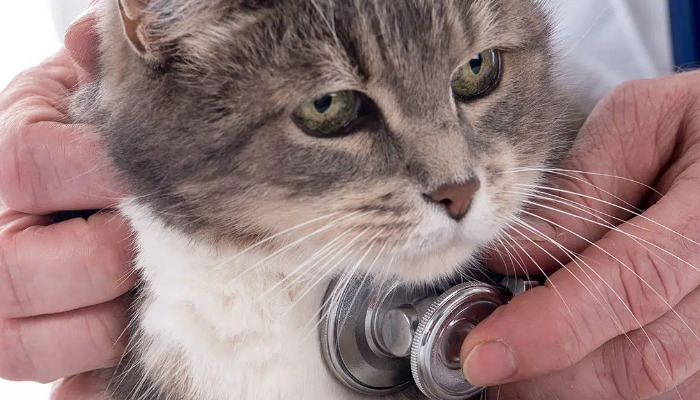
Diagnosing FIP remains one of the greatest challenges in feline medicine. There is no single test that confirms FIP; diagnosis relies on a combination of physical examination, history, laboratory findings, and exclusion of other diseases.
Common diagnostic tools include:
Bloodwork: often reveals anemia, hyperglobulinemia, and leukocytosis.
Imaging: ultrasound or X-rays show fluid accumulation.
Rivalta test: detects protein-rich abdominal fluid.
Serology: indicates exposure to FCoV but cannot distinguish FECV from FIPV.
PCR: detects viral RNA, but distinctions between mutated and unmutated forms can be unclear.
The gold standard for definitive diagnosis remains histopathological examination of affected tissues, often at post-mortem.
Molecular Mechanisms: How FCoV Turns into FIPV
FCoV’s ability to mutate into the FIP-causing form hinges on genetic changes in the spike (S) protein and other genes. When mutations occur, especially in the S gene, the virus can invade and replicate inside macrophages, evading the immune system and spreading systemically.
This macrophage tropism differentiates harmless enteric coronavirus from the lethal FIPV. Research is ongoing into whether certain FCoV strains predispose more readily to this mutation, and whether host genetics are involved in disease susceptibility.
Immune Response and Pathogenesis
FIP’s clinical severity is not only due to the virus’s action, but to the cat’s immune response. Infected macrophages trigger vigorous immune reactions resulting in pyogranulomatous inflammation, effusion, and organ damage. Paradoxically, it is the cat’s own defense system—trying to fight the virus—that causes most tissue damage seen in FIP.
Diagnostic Innovations: Are New Solutions Emerging?
Recently, new diagnostic tools have emerged, including RT-PCR assays targeting unique FIPV-specific mutations and biomarker analysis to improve specificity. Studies show that certain biomarker proteins, such as alpha-1 acid glycoprotein, may help differentiate FIP from other diseases.
Despite technological advances, FIP diagnosis remains complex and expensive for average cat owners. Veterinarians often must rely on clinical judgment and exclusion.
Fecal Shedding and Transmission: Is FIP Contagious?
A common misconception is that FIP itself is contagious. The disease-causing, mutated FIP virus is not transmitted cat-to-cat. Instead, cats shed and spread the enteric FCoV, which, in rare cases after mutation within a host, becomes FIPV. FIP cases in the same household are usually due to multiple cats harboring FCoV, not direct transmission of FIP.
Treatment: Old Myths and New Hope
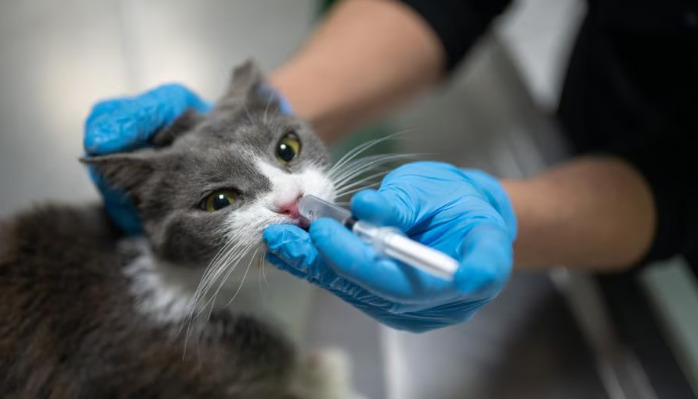
For decades, FIP was considered untreatable, and most cases resulted in euthanasia. Supportive care (fluids, nutrition, immune-modulating drugs) only marginally prolonged survival. However, recent breakthroughs have changed the landscape.
Antiviral therapies:
GS-441524: A nucleoside analog targeting viral replication with remarkable success in reversing FIP, particularly effusive forms. Many cats treated with GS-441524 achieve remission.
Remdesivir: A related compound with similar clinical effect.
Other antivirals: Research is ongoing into new compounds that may work synergistically or enhance efficacy.
Access to these drugs varies by region due to licensing and cost, and owners should consult with veterinarians familiar with FIP management.
Prevention Strategies: Limiting FCoV Spread
Prevention focuses on minimizing exposure to FCoV rather than FIPV.
Clean litter boxes daily; FCoV survives days to weeks in moist environments.
Reduce crowding, stress, and mixed-age populations in catteries or shelters.
Isolate or test new cats before introduction.
Rigorous cleaning and disinfection protocols.
There is currently no universally effective vaccine for FIP. An intranasal vaccine exists, but efficacy data is mixed, and is not widely recommended in the US.
Research Trends: What’s Next for FIP and FCoV?
Molecular research continues to uncover the full pathogenesis of FIP and identify which viral and host factors contribute most to disease emergence. Genetic sequencing of FCoV/FIPV strains helps clarify mutation patterns and improve diagnostic PCRs. Long-term, the hope lies in developing:
Safe, affordable, and widely available antivirals.
Effective vaccines preventing FCoV infection and mutation.
Better diagnostic tools, including field-usable rapid tests.
The Human Factor: Supporting Cat Owners
FIP is an emotionally devastating diagnosis for cat guardians. Education, supportive networks, and access to reliable information are crucial. Veterinary professionals play a vital role in guiding owners through decisions and connecting them with resources on diagnosis and emerging treatments.
Practical Considerations for Cat Owners
If a cat develops signs suggestive of FIP, owners should seek prompt veterinary evaluation. Cats living in multi-cat environments, especially kittens or purebreds, should be monitored for any signs of abnormal health—lethargy, swelling, neurological changes, or jaundice.
Proactive measures may include regular veterinary checkups, rigorous hygiene practices, and limited exposure to high-risk environments.
Summary Table: FAQs about FIP and Feline Coronavirus
| Topic | Details |
|-||
| Relationship to FCoV | All FIP cases evolve from mutation of feline enteric coronavirus (FECV) |
| Transmission | Only FCoV is contagious; FIPV is not directly passed between cats |
| Clinical signs | Wet FIP: fluid accumulation, fever, lethargy; Dry FIP: organ dysfunction, CNS signs|
| Diagnosis | Requires clinical, laboratory, imaging, and often histopathological confirmation |
| Treatment | New antivirals (GS-441524, Remdesivir) show promise; supportive care |
| Prevention | Hygiene, controlled introductions, limit overcrowding |
| Vaccine | Not widely recommended due to inconsistent efficacy |
FIP and FCoV: Key Takeaways
FIP remains fundamentally linked to Feline Coronavirus infection, yet most cats exposed to FCoV never develop FIP. Understanding this relationship, alongside advances in diagnosis and therapy, helps scientists, veterinarians, and cat owners work together to manage and minimize the impact of FIP.
References
1. Pedersen, N.C. (2009). A review of feline infectious peritonitis virus infection: 1963-2008. Journal of Feline Medicine and Surgery, 11(4), 225-258.
2. Kipar, A., & Meli, M.L. (2014). Feline infectious peritonitis: Still an enigma? Veterinary Pathology, 51(2), 505-526.
3. Addie, D.D., et al. (2012). Antiviral therapy for feline infectious peritonitis: Recent advances. Veterinary Microbiology, 169(3-4), 348-353.
4. Chang, H.W., et al. (2012). Mutation of the feline coronavirus spike gene and pathogenesis of feline infectious peritonitis. Emerging Infectious Diseases, 18(9), 1445-1448.
5. Norris, J.M., et al. (2005). Demographic risk factors, clinical findings and survival among cats with feline infectious peritonitis in Australia. Australian Veterinary Journal, 83(11), 663-669.
6. Felten, S., & Hartmann, K. (2019). Diagnosis of feline infectious peritonitis: A review of current literature. Veterinary Sciences, 6(2), 39.
7. Cummings, J.F., et al. (2020). Feline infectious peritonitis therapeutics and management. Journal of Feline Medicine and Surgery, 22(8), 712-724.
8. Dewerchin, H.L., et al. (2005). Feline infectious peritonitis diagnosis: The challenge for clinicians. Journal of Small Animal Practice, 46(12), 613-614.
9. Vennema, H., et al. (1998). Early death after feline infectious peritonitis virus infection due to antibody-dependent enhancement of infection. Journal of Virology, 72(8), 7064-7071.
10. Hosie, M.J., et al. (2003). Feline infectious peritonitis: Diagnosis and epidemiology—2013 update. Feline Practice, 31(5), 5-10.