What Owners Can Do to Lower FIP Risk in Kittens

Introduction to Feline Infectious Peritonitis (FIP)
Feline Infectious Peritonitis (FIP) is a heartbreaking disease primarily affecting young cats and kittens. Caused by a mutation of the feline coronavirus (FCoV), FIP often emerges unpredictably. While FCoV is widespread, only a small percentage of infected cats—often less than 10%—develop FIP. Understanding why some kittens succumb and others do not is a challenge that combines genetics, immune function, and the environment. Fortunately, research provides actionable preventive strategies for cat owners.
Understanding How FIP Develops
FCoV is commonly spread in multi-cat environments through fecal-oral transmission—meaning kittens typically become infected by ingesting contaminated litter or grooming each other. Most exposed cats show minimal symptoms. However, under certain conditions—especially stress, immune system immaturity, genetic predisposition, or overwhelming viral loads—the usually benign virus can mutate inside the body, leading to FIP. Kittens under two years old are particularly susceptible due to their undeveloped immune systems.
Choosing Responsible Breeding Practices
Minimizing FIP risk begins before a kitten is born. Ethical breeders screen for FIP outbreaks and remove at-risk cats from breeding pools. Bloodlines with multiple FIP cases should be avoided. Furthermore, kittens should be raised in clean, low-stress environments with limited exposure to unrelated cats. Early weaning, frequent rehoming, or crowded conditions all add stress and may increase risk.
Managing Population Density
The risk of coronavirus transmission—and subsequent FIP—rises in crowded environments. Multi-cat households or shelters should keep groups as small as possible. According to FIP research, isolating litters with their mothers and limiting new introductions reduce viral circulation. If adopting from a shelter or breeder, inquire about their population management policies and disease history.
Litter Box Hygiene and Sanitation
FCoV is resilient and can persist in litter boxes for weeks. Daily litter cleaning is vital. Use unscented, dust-free litter that is gentle on sensitive respiratory tracts. Completely replace litter and disinfect pans weekly with dilute bleach. Every litter box should serve two to three cats at most, and optimal spacing can reduce quarrels and contamination. Wash hands after handling litter boxes or soiled bedding.
Nutrition and Immune Support
Healthy kittens fight off routine infections more effectively. Feed a complete, high-quality, and age-appropriate diet free from nutritional gaps. Incorporate nutritional supplements only if recommended by a veterinary professional. Support good gut health by avoiding unnecessary antibiotics or sudden dietary changes, as these can disrupt the microbiome and weaken immunity.
Vaccination and Routine Health Care
There is no universally effective FIP vaccine. However, maintaining core vaccinations (against panleukopenia, herpesvirus, and calicivirus) builds baseline immunity. Schedule regular wellness checks and address concerns immediately—early intervention in any disease supports healthier immune responses. De-worm kittens as directed, since parasites can undermine growth and resilience.
Stress Reduction and Socialization
Stress plays a significant role in triggering FCoV mutation into FIP. Create a stable, predictable environment for kittens: provide hiding places, interactive toys, and safe climbing spaces. Socialize kittens gently and gradually, limiting exposure to unfamiliar cats, loud noises, or disruptions. Ensure every kitten has access to adequate food bowls, water sources, and bedding to minimize competition.
Quarantine and Introducing New Cats
Bringing new cats into the household always carries risk. Quarantine new arrivals for at least two weeks, testing them for common viral infections before allowing contact with resident cats. Avoid rehoming or exposing kittens to unfamiliar felines until they are fully vaccinated and settled. If fostering or running a cattery, maintain detailed records of health checks and isolate any kitten showing clinical signs such as lethargy, diarrhea, or persistent fever.
Recognizing Early Clinical Signs
Although preventive care lowers risk, FIP can occasionally develop despite all precautions. Early recognition is critical for prompt medical attention. Symptoms vary but may include unexplained weight loss, persistent fever, swollen abdomen, eye inflammation, or neurological changes. Watch for subtle behavioral changes: reduced activity, hiding, or eating less than usual. Regularly monitor weight gain and dehydration levels.
Limiting Environmental Contamination
FCoV can survive in the environment for several days. Frequently clean and disinfect shared surfaces, including scratching posts, bedding, and toys. Use removable, machine-washable covers and rotate them frequently. Encourage hand-washing between handling different kittens. Avoid sharing food bowls and grooming tools among cats.
Genetic Testing and Breeding Choices
While there is no simple genetic screening for FIP, avoid breeding from lines with multiple FIP losses. Responsible breeders document family medical history and avoid inbreeding, which can weaken immune function. Genetic diversity contributes to robust immune responses, reducing overall vulnerability to infectious diseases.
Working with Your Veterinarian
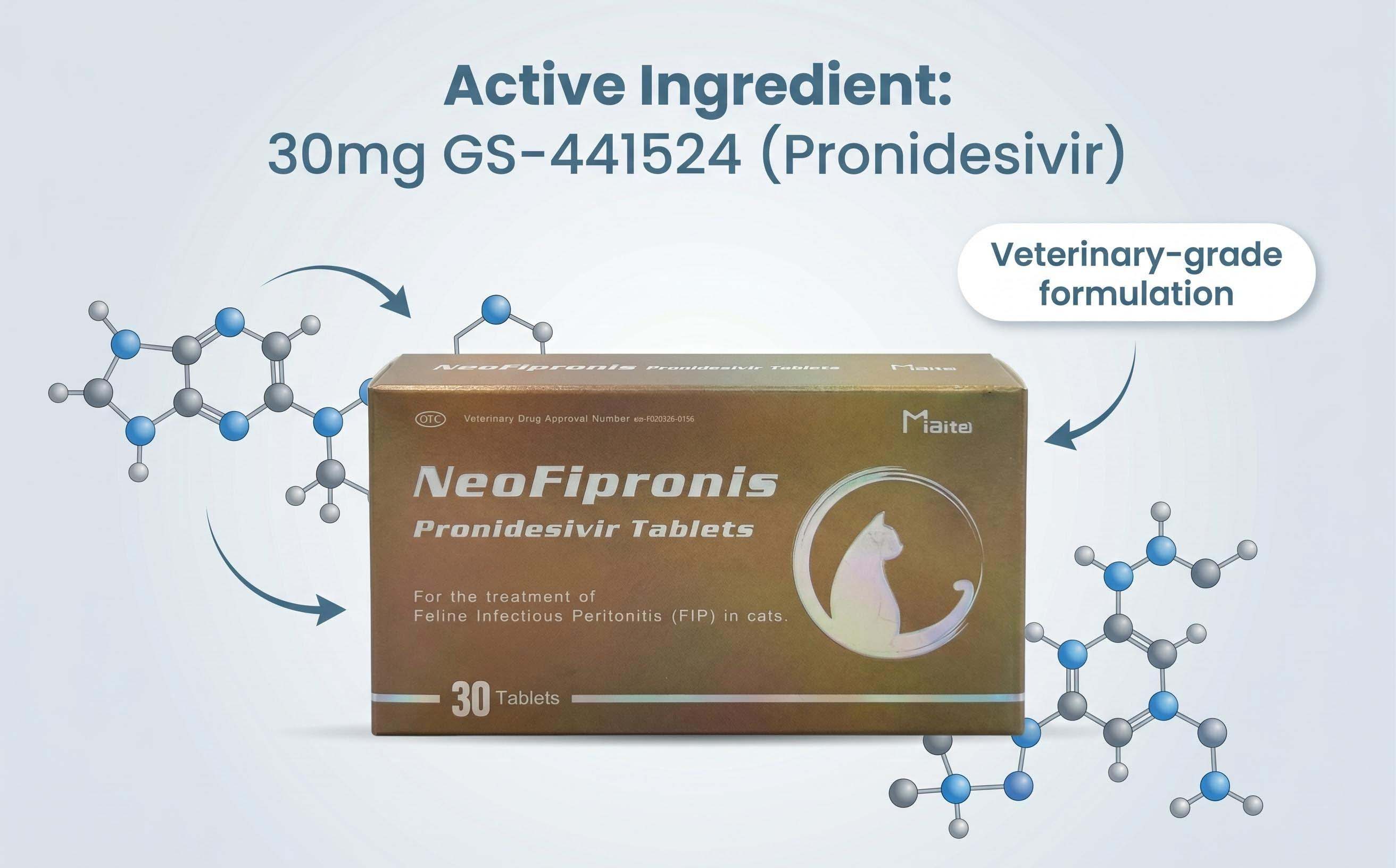
Develop a partnership with an experienced feline veterinarian. Share concerns, ask about the latest research or new diagnostic tools, and work together for the best outcomes. If you suspect a kitten is ill, describe all observed symptoms and submit a full vaccination and environmental history. Some emerging antiviral therapies are available, and early detection improves success odds.
Special Considerations for Catteries and Shelters
Facilities housing many kittens must enforce stricter protocols. Test queens before mating, maintain small, stable groups, and rotate staff schedules to minimize cross-contamination. Develop written protocols for cleaning, quarantine, and emergency disease management. Staff education is essential—everyone should understand transmission routes and the significance of seemingly minor symptoms.
Educating Yourself and Others
Accurate information empowers owners. Attend veterinary webinars, read peer-reviewed guides, and connect with local feline advocacy groups. Share updated knowledge with other cat owners—especially when rehoming or fostering. Dispelling myths and rumors about FIP fosters community resilience and proactive care.
Conclusion
Lowering the risk of FIP in kittens is a multi-factorial process. By addressing household hygiene, managing population size, supporting immune health, and fostering strong veterinary partnerships, you can significantly tip the odds in your kittens’ favor. While some factors, like individual genetics, are beyond control, responsible management and early detection remain key to protecting feline companions from this serious disease.
References
– Pedersen, N.C., “A Review of Feline Infectious Peritonitis Virus Infection: 1963-2008,” Journal of Feline Medicine and Surgery
– Hartmann, K., “Feline Infectious Peritonitis,” Veterinary Clinics of North America: Small Animal Practice
– Addie, D., “Feline Coronavirus Infection,” International Cat Care/Journal of Feline Medicine and Surgery
– Sparkes, A.H., “Feline Infectious Diseases: Susceptibility, Prevention, and Control,” Journal of Feline Medicine and Surgery
– Foley, J.E., and Poland, A., “Feline Infectious Peritonitis—Diagnosis, Prevention, and Management,” Compendium on Continuing Education for the Practicing Veterinarian
– Cave, T.A., “Feline Immunology and Infectious Disease: The Interplay of Genetics and Environment,” Veterinary Record
– Hosie, M.J., “Feline Coronavirus and FIP: Developments in Disease Prevention,” Journal of Feline Medicine and Surgery
– McReynolds, C., “An Overview of Feline Infectious Peritonitis in Shelter Environments,” American Animal Hospital Association