Is FIP Difficult to Diagnose in Cats

Feline infectious peritonitis (FIP) is one of the most feared viral diseases in cats, notorious for its varied clinical presentation and diagnostic complexity. The recent advances in veterinary medicine have shed light on the causative anamnesis and management, yet pinpointing accurate diagnostics continues to challenge clinicians and pet owners alike. This paper explores why FIP diagnosis is particularly difficult, examining the nature of the disease, available tests, their shortcomings, and ongoing research. The discussion also acknowledges clinical experience, laboratory findings, and expert consensus, providing an in-depth perspective for cat owners, veterinary professionals, and researchers.
Feline Infectious Peritonitis is caused by a mutated form of feline coronavirus (FCoV), which predominantly affects domestic cats. While most FCoV infections are benign or subclinical, a small percentage mutate within the host, resulting in FIP. The disease devastates internal organs through intense inflammatory reactions, with clinical signs ranging from vague lethargy to fulminant effusions. Unlike other infectious diseases, FIP does not have a single, definitive diagnostic test—its clinical symptoms and laboratory results overlap with many other conditions, contributing to misdiagnosis and anxiety in the feline community.
The Biology of FIP and Its Diagnostic Implications
FIP usually affects young cats or those living in multi-cat environments. The complexity begins at the molecular level. FCoV is ubiquitous in feline populations, so simply detecting coronavirus antibodies or RNA in tissue is not sufficient to confirm FIP. Furthermore, the mutation that drives FIP tends to occur sporadically, and there is no robust biomarker that distinguishes it from the "harmless" FCoV.
Clinical Signs: A Spectrum Rather Than a Checklist
Clinicians first approach FIP from a clinical standpoint. The disease presents in two broad forms: effusive (wet) and non-effusive (dry). Wet FIP is characterized by the buildup of straw-colored fluid within the abdomen or chest, while dry FIP features more localized granulomas and organ dysfunctions. Unfortunately, similar symptoms may appear in diseases like lymphoma, bacterial peritonitis, toxoplasmosis, and heart failure. Even classic symptoms—such as fever unresponsive to antibiotics, weight loss, jaundice, and fluid effusion—require extensive interpretation.
Cats may show behavioral signs: listlessness, poor appetite, or hiding. Neurological involvement can manifest as seizures or ataxia. Ocular disease, including uveitis and retinal changes, occurs as well. This clinical variation means veterinarians must piece together a puzzle, often relying on history, examination, and exclusion rather than confirmation.
Laboratory Testing: A Diagnostic Labyrinth
Standard laboratory investigations include complete blood counts (CBC), serum biochemistry, and fluid analysis (if present). Hallmarks in bloodwork, such as lymphopenia, neutrophilia, non-regenerative anemia, and hyperglobulinemia, are suggestive but completely nonspecific. Effusion analysis—where wet FIP is suspected—reveals high protein content with low cellularity, but similar findings may occur in heart disease or neoplasia.
Serological Testing
Detecting FCoV antibodies through ELISA or immunofluorescence is possible, but results are misleading. Many healthy cats possess FCoV antibodies, especially if they live in crowded environments. Thus, a positive result confirms exposure, not FIP.
Molecular Testing
PCR assays can detect FCoV RNA in blood, tissue, or effusion. However, conventional PCR cannot differentiate between the pathogenic mutant and the benign enteric forms. Some advanced PCRs attempt to pinpoint mutations associated with FIP, but these remain experimental and are not widely available. False negatives and false positives are both problematic.
Immunohistochemistry
The only pathognomonic test is immunohistochemistry (IHC) on tissue biopsies, revealing FCoV antigen within macrophages in affected tissues. Yet in most clinical scenarios, obtaining suitable biopsy samples from severely ill cats is either impractical or unethical. Similarly, post-mortem diagnoses, while definitive, offer no benefit to living patients.
Clinical Scoring Systems and Their Limitations
In lieu of reliable laboratory confirmation, veterinarians increasingly use clinical scoring systems, weighing combinations of history, signalment, symptoms, and laboratory findings. Though these improve diagnostic confidence, each case remains unique. A cat may score high for FIP suspicion, yet have another underlying disease, and vice versa.
Recent Advances and Emerging Biomarkers
Research in the last decade has targeted new diagnostic markers:
Alpha-1-acid glycoprotein (AGP): Elevated AGP is consistent with FIP but remains non-specific.
Diagnostic imaging: Ultrasound and CT can non-invasively evaluate organ involvement and fluid distribution, furthering suspicion but seldom confirming diagnosis.
Detection of specific FIP mutations in tissue biopsies: Techniques are under refinement but have not replaced traditional IHC.
Artificial Intelligence and Machine Learning: With the advent of big data, predictive algorithms using clinical and laboratory input show promise—but require further validation.
Despite these innovations, a timely, foolproof diagnostic protocol remains unavailable.
The Role of Experience and Judgement
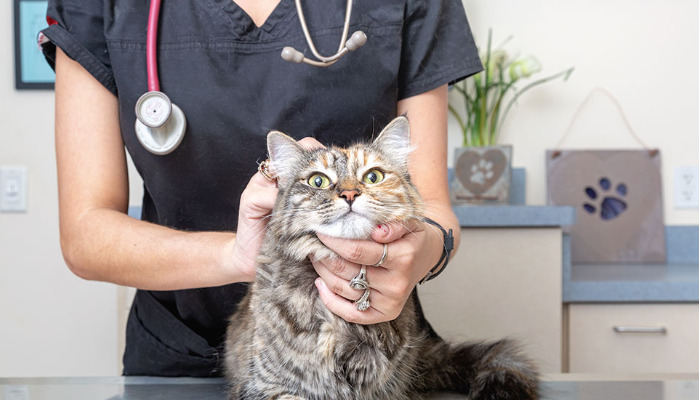
In clinical practice, a diagnosis of FIP often combines circumstantial evidence, exclusion of other diseases, persistent clinical signs, and, when possible, supporting laboratory findings. An experienced veterinarian may diagnose probable FIP based on the overall picture rather than a single test result. Owners should understand the limitations of current veterinary science: Not all confusing cases are FIP, and not all cases with suggestive signs are confirmed.
Treatment Implications and the Need for Accurate Diagnosis
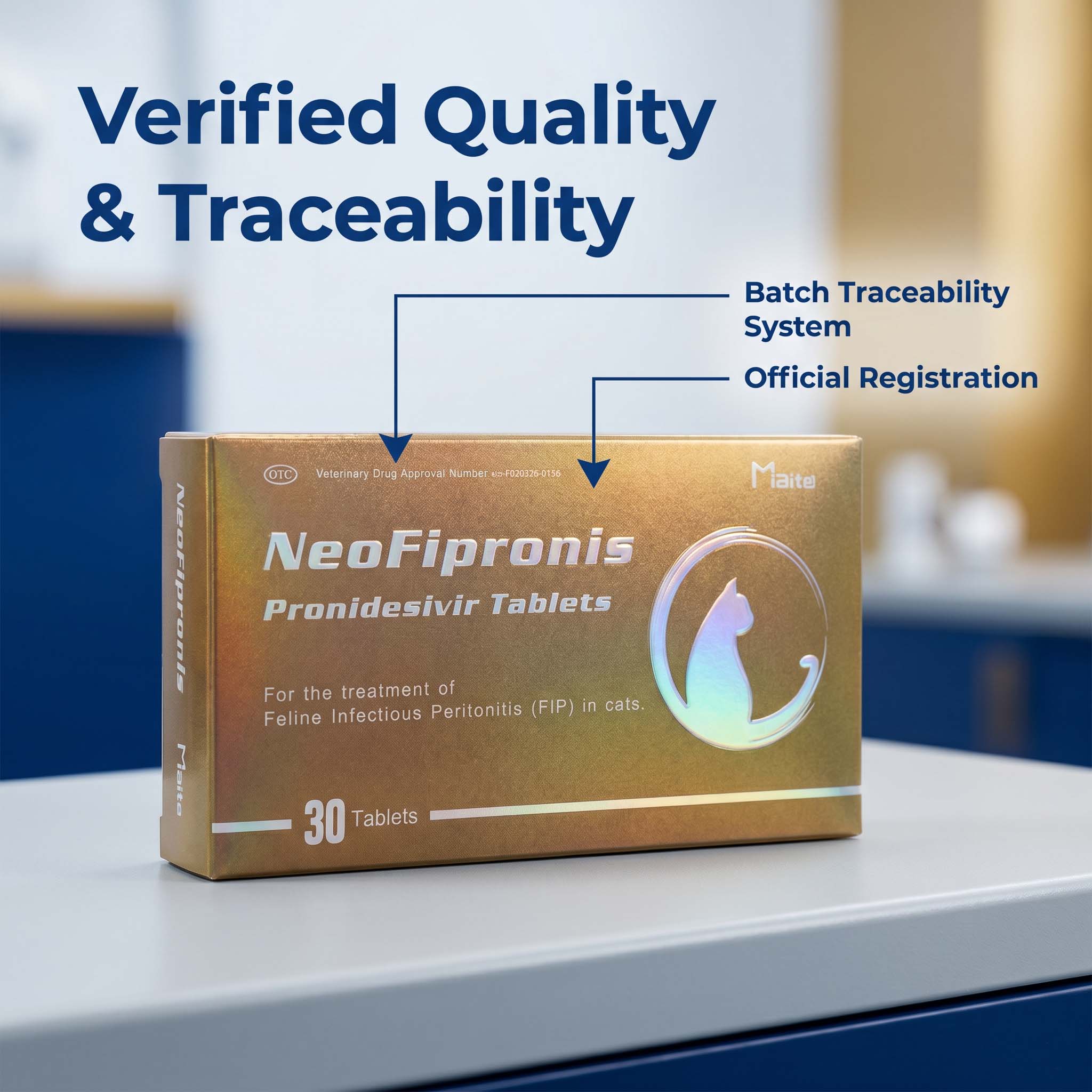
Accurate diagnosis matters not just for prognosis, but for the selection and justification of treatment. Historically, FIP was considered invariably fatal, but in recent years, antiviral therapies—such as GS-441524—have offered hope. Such drugs are expensive and require long courses, so veterinarians must be reasonably certain of their diagnosis before recommending their use. Administering potent, costly antivirals to cats with lymphoma, heart failure, or bacterial peritonitis will be both ineffective and unnecessarily stressful for the animal and owner.
Implications for Multi-Cat Households and Breeders
Uncertainty in FIP diagnosis poses deep challenges for shelters and breeders. Recommendations for limiting FCoV transmission—such as keeping litter boxes clean, minimizing group housing, and early weaning—do not guarantee elimination of FIP risk. False positives can trigger unnecessary culling or isolating cats, while false negatives may allow ongoing transmission.
Current Consensus and Guidelines
Professional societies, such as the American Association of Feline Practitioners (AAFP) and European Advisory Board on Cat Diseases (ABCD), stress a cautious, stepwise approach. Their guidelines encourage thorough exclusion of other diseases, clinical scoring, judicious use of molecular techniques, and consideration of tissue diagnostics where feasible. They also advise transparency with caregivers—explaining the inherent uncertainty and supporting informed decision-making.
Emotional Toll and the Importance of Communication
The diagnostic limbo surrounding FIP can be emotionally draining for families and veterinarians. The fear of a lethal diagnosis, compounded by imperfect tests, can leave owners feeling guilty, confused, or desperate for answers. Compassionate communication remains essential: clear explanations of diagnostic procedures, probabilities, and outcomes allow owners to make reasoned choices for their cats' welfare.
Future Directions
The field continues to evolve. Ongoing research into FCoV genetics promises more precise molecular diagnostics. Development of non-invasive biomarkers and refinement of imaging techniques may one day allow clinicians to definitively diagnose FIP without risky procedures. Collaboration between veterinarians, researchers, and pet owners is crucial for advancing understanding and care standards.
Content Reference
1. Pedersen NC. "A Review of Feline Infectious Peritonitis Virus Infection: 1963–2008."J Feline Med Surg, vol. 11, no. 4, 2009, pp. 225–258.
2. Addie DD, et al. "Feline Coronavirus and Feline Infectious Peritonitis: ABCD Guidelines on Prevention and Management."J Feline Med Surg, vol. 14, no. 7, 2012, pp. 526–536.
3. Hartmann K. "Feline Infectious Peritonitis."Vet Clin North Am Small Anim Pract, vol. 35, no. 2, 2005, pp. 555–578.
4. Felten S, et al. "Coronavirus Detection in Cats with FIP: Sensitivity and Specificity of Molecular Diagnostics."Vet Microbiol., vol. 221, 2018, pp. 115–119.
5. American Association of Feline Practitioners (AAFP). "2023 Guidelines for the Diagnosis and Management of FIP." www.catvets.com/guidelines/fip.
6. Kipar A, Meli ML. "Feline Infectious Peritonitis: Still an Enigma?"Vet Pathol., vol. 51, no. 2, 2014, pp. 505–526.
7. Tasker S. "Diagnosis of Feline Infectious Peritonitis: Update and Perspectives."Vet J., vol. 201, no. 2, 2016, pp. 133–139.