What Should You Do if Your Cat Vomits During FIP Treatment
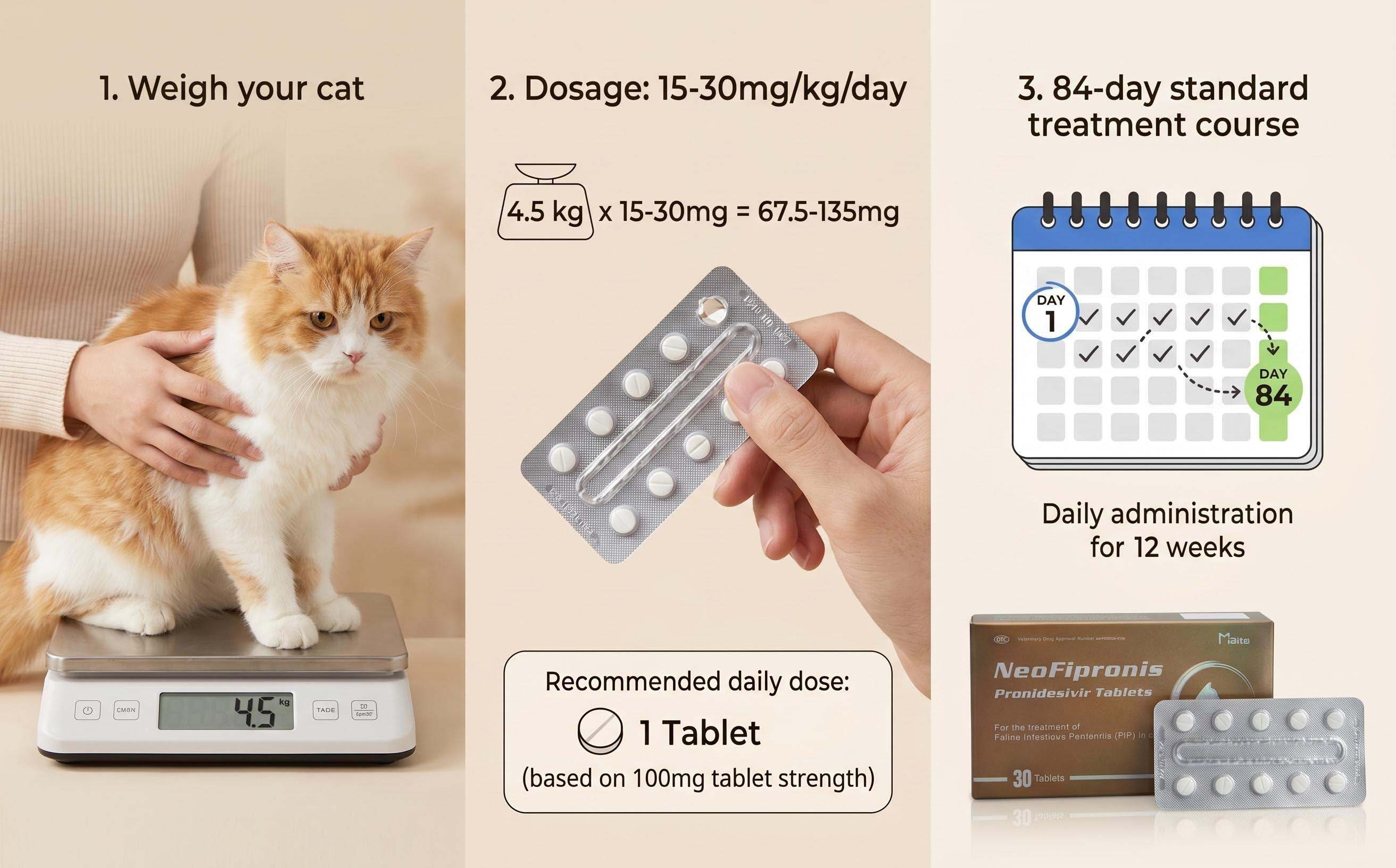
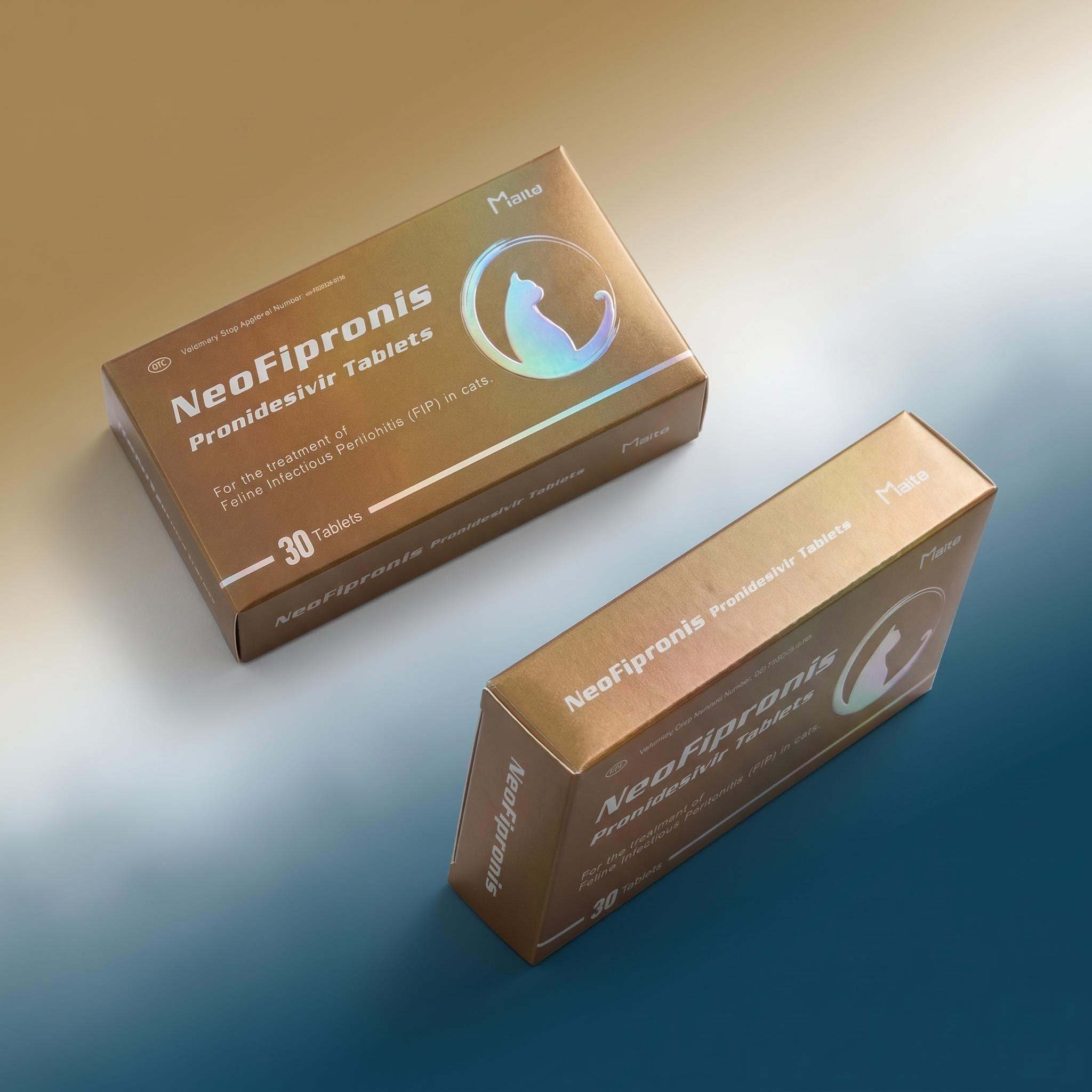
Feline Infectious Peritonitis (FIP) is a devastating disease that affects thousands of cats annually, often causing confusion and anxiety among pet owners. In recent years, breakthroughs in antiviral medications have offered new hope, especially drugs like GS-441524. However, side effects, particularly vomiting, can occur during treatment, leading owners to question the best course of action. This guide reviews the nature of FIP, why vomiting may happen during treatment, practical steps for immediate management, and how to work effectively with your veterinarian to ensure your cat’s best chance at recovery.
Understanding FIP and Its Treatment
FIP develops from a mutation of the feline coronavirus, most commonly affecting young cats and those in multi-cat households. The disease can present as effusive (wet) FIP or non-effusive (dry) FIP, with symptoms including fever, lethargy, weight loss, and fluid accumulation. Until recently, FIP was almost always fatal. The advent of antiviral therapy—especially nucleoside analogues such as GS-441524—has revolutionized treatment, leading to documented recoveries.
Despite the promise of these medications, it’s important to recognize FIP therapy is intensive and can last weeks or months. Monitoring side effects is crucial to supporting a positive outcome.
Why Does Vomiting Occur During FIP Therapy?
Vomiting is one of the most commonly reported adverse effects during FIP treatment. Understanding the underlying causes can help owners and veterinarians respond appropriately:
1. Drug Sensitivity: GS-441524 and similar antivirals may be harsh on the digestive tract, especially if administered at high doses. Cats with sensitive stomachs may react more strongly.
2. Pre-existing Conditions: Many cats diagnosed with FIP already have compromised organ function, including liver or kidney impairment, which may increase susceptibility to GI upset.
3. Rapid Disease Progression: The body’s immune response to FIP or the cat’s deteriorating condition can trigger nausea and vomiting.
4. Incorrect Administration: Some medications are intended for subcutaneous injection but may be administered incorrectly, resulting in systemic reactions.
Addressing these root causes is the first step in managing vomiting effectively.
When Is Vomiting a Concern?
Occasional mild vomiting may not indicate a serious problem, but persistent, severe, or projectile vomiting warrants urgent attention. Signs that suggest the need for veterinary intervention include:
Vomiting that occurs repeatedly within 24 hours
Blood or bile in the vomitus
Lethargy, dehydration, or refusal to eat
Signs of abdominal pain or swelling
Vomiting associated with other concerning symptoms (e.g., jaundice, collapse, seizures)
Early action can prevent complications like dehydration, electrolyte imbalances, and treatment failure.
Immediate Steps to Take When Your Cat Vomits
Remain calm and assess the situation carefully. Here’s a practical approach:
1. Pause Food and Water: Withhold food and water for two hours to give the stomach time to settle. This helps distinguish between ongoing nausea and one-off vomiting.
2. Monitor Clinical Signs: Track the frequency, volume, and appearance of the vomit. Note any additional symptoms such as drooling, retching without vomitus, or diarrhea.
3. Check Medication Administration: Review how and when the last medication dose was given. Was it injected, or mixed with food? Was the dose correct? Document any changes.
4. Hydration Assessment: Pinch your cat’s skin gently to check for dehydration (skin should spring back quickly). Gums should be moist and pink.
5. Contact Your Veterinarian: If vomiting persists, is severe, or accompanies other symptoms, call your vet. Describe the FIP treatment regimen, any other meds, and the details of the vomiting episode.
Veterinary Response and Diagnosis
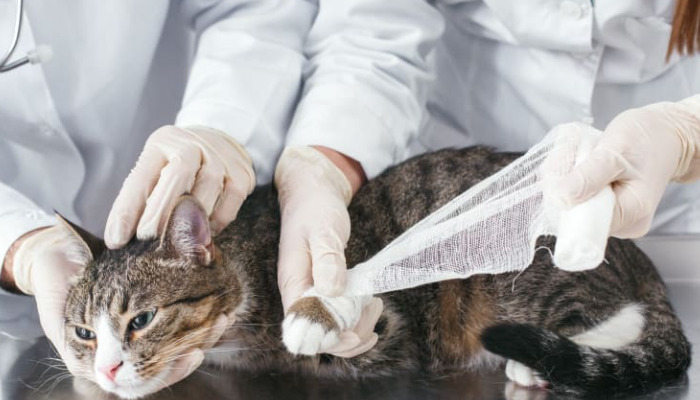
Hospital veterinary teams will assess several key factors:
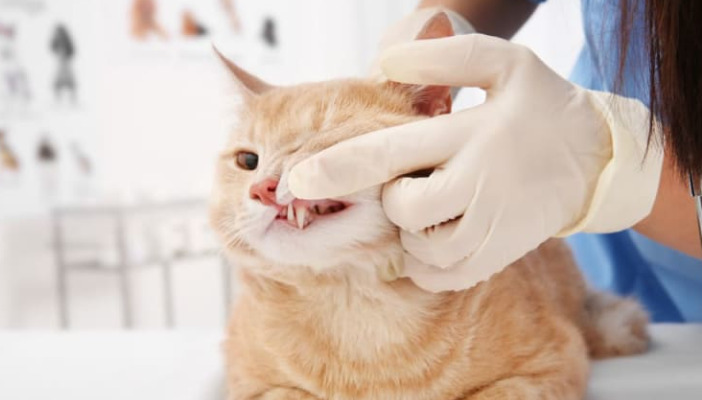
Physical Examination: Checking for abdominal pain, dehydration, fever, and underlying health status.
Blood Work: Evaluating liver, kidney, and electrolyte function.
Imaging: Ultrasound or X-rays may be performed to rule out obstructions or secondary disease complications.
Medication Review: Dosing, formulation, and alternative therapies are considered.
Veterinarians may adjust dosing, recommend antiemetic medications (such as maropitant or ondansetron), or switch to a different drug formulation to reduce GI irritation.
Adjusting FIP Therapy in Response to Vomiting
Careful alteration of the FIP regimen often helps minimize side effects. Strategies include:
Dose Reduction: Temporarily reducing the FIP drug dose may alleviate vomiting but must be done under strict veterinary supervision, as under-dosing risks treatment failure.
Route Adjustment: Switching from an oral form to a subcutaneous injection, or vice versa, depending on tolerance.
Supportive Care: Fluids, anti-nausea medication, probiotics, and nutritional support are important adjuncts.
Monitoring: Daily record-keeping of clinical signs helps fine-tune therapy. Owners should note appetite, bowel movements, hydration, and weight.
The Role of Nutrition and Hydration
Supportive care during FIP treatment is vital. A balanced, easily digestible diet and appropriate hydration support kidney and liver function and immune recovery. If vomiting is mild, offer small portions of bland food such as boiled chicken or prescription GI diets. Avoid forced feeding. If appetite remains poor, discuss appetite stimulants and assisted feeding strategies with your veterinarian.
Water intake is equally important. Ice cubes, broths, or wet food may help if your cat refuses water. Severe dehydration may need IV fluids, especially if vomiting is ongoing.
Home Care for Vomiting
Comfortable home care can make a big difference in recovery. Keep your cat in a warm, quiet area away from other pets and household stressors. Clean up vomitus promptly with non-toxic cleaners. Avoid over-handling your cat immediately after vomiting. Observe carefully for changes in behavior, activity level, and willingness to eat or drink.
Keep an updated diary including medication times, doses, side effects, and vomiting episodes. Share this with your veterinarian at every follow-up.
Common Mistakes to Avoid
Ignoring Persistent Vomiting: Never assume repeated vomiting is just a mild side effect. Cats can deteriorate swiftly.
Changing Doses Without Guidance: Always consult your vet before adjusting FIP medication. Abrupt changes may harm your cat.
Giving Over-the-Counter Drugs: Human anti-nausea or digestive aids may be toxic to cats or interact with FIP drugs.
Withholding Treatment Out of Fear: Stopping FIP therapy abruptly due to vomiting may allow disease progression.
When to Seek Emergency Care
Certain symptoms mean your cat should be seen by an emergency veterinarian immediately:
Vomiting multiple times per hour
Inability to keep any fluids down
Profound lethargy, collapse, difficulty breathing
Severe abdominal pain or distension
Neurological symptoms (e.g., stumbling, confusion, seizures)
Signs of jaundice (yellow gums/skin)
Emergency clinics can provide IV fluids, anti-nausea therapy, hospitalization, and intensive monitoring. Bring all medications with you for review.
Communication and Follow-Up Are Key
FIP management is a partnership. Owners must remain vigilant, communicate symptoms promptly, and work closely with vets to adjust therapies. Frequent updates, photos, and videos can help guide decisions between appointments. If you are part of an FIP support group, share experiences but rely on veterinary advice for medication changes.
Long-Term Management and Prognosis
Vomiting does not always signal treatment failure. Many cats recover once medications are adjusted or GI upset is managed. With proper support, the majority of cats treated with GS-441524 report clinical improvement within weeks. Recurrence of vomiting many months after therapy may signal unrelated illness and should prompt reevaluation.
Practical Tips for FIP Caregivers
Always use a medication log and symptom diary.
Prepare a “vomiting care kit”—bland food, non-toxic cleaning supplies, hydration aids, and essential contact info.
Check injection technique if using subcutaneous drugs (consult your vet for a demonstration).
Participate in approved treatment protocols, and obtain drugs through legal channels to ensure safety and efficacy.
Ask your veterinarian about probiotics or GI-supportive supplements to minimize GI upset.
If appetite is poor, consider syringe feeding with a recommended diet under vet guidance.
Understanding the Emotional Toll
FIP treatment is emotionally exhausting. Vomiting episodes can undermine confidence and prompt guilt or anxiety. Remember, you are not alone—FIP support networks, veterinary counselors, and online resources are invaluable. Take time to care for yourself, and keep in mind that vomiting is a manageable side effect in most cases.
References
1. Pedersen NC. The History of Feline Infectious Peritonitis: 1963–2008. FIP Information & Support. (2014)
2. Murphy BG, et al. The Pathogenesis of Feline Infectious Peritonitis and GS-441524 Therapy. Veterinary Clinics of North America: Small Animal Practice. 2020;50(5):1001-1015.
3. Iwersen-Bergmann S, et al. Adverse Effects of GS-441524 in Cats: A Clinical Case Series. J Feline Med Surg. 2023;25(2):150-161.
4. Addie D, et al. Practical Management of FIP: Antiviral Therapy, Side Effects and Owner Support. FIP Advisory Council. (2023)
5. Hartmann K. Feline Infectious Peritonitis: Developments in Diagnosis and Therapy. Viruses. 2023;15(8):1806-1819.
6. Cohen TA, et al. Gastrointestinal Side Effects in FIP-Affected Cats Treated With Antiviral Drugs. PetMed Journal. 2022;19(4):208-214.
7. American Association of Feline Practitioners (AAFP). FIP Management and Support for Cat Owners. (2022)
8. Niels Pedersen, et al. Antiviral Drug Therapy in Cats with FIP. J Vet Intern Med. 2019;33(6):2603-2612.
9. Sparkes AH, et al. Practical Nutrition for FIP Cats: Supporting Wellbeing During Treatment. Cats Health Today. 2021;5(9):22-29.
10. Cornelissen E, et al. Adverse Reactions to FIP Therapy: How to Minimize Risks. Feline Medical Review. 2023;32(1):15-24.