Does Long-Term Lethargy Always Mean FIP
Introduction: The Concern Over Long-Term Lethargy in Cats
Feline health is complex, and when a beloved cat is listless day after day, owners often fear the worst. One of the gravest diseases discussed in feline circles is Feline Infectious Peritonitis (FIP). This viral illness has a reputation for causing a wide array of problems—including lethargy—and often evokes panic when symptoms persist. But does chronic fatigue in cats always indicate FIP? The answer is nuanced. Knowing what long-term lethargy means can help owners respond promptly and appropriately, ensuring the best outcomes for their pets.
What Is Lethargy? Defining the Symptom
Lethargy simply means a lack of energy or enthusiasm. In cats, this can manifest as sleeping more than usual, moving slowly, showing disinterest in play, ignoring food, or hiding. While sleep is normal in felines, especially as they age, there’s a difference between regular napping and concerning exhaustion. Lethargy becomes worrisome when it persists beyond a few days or is accompanied by other signals like weight loss, vomiting, diarrhea, or labored breathing.
FIP: The Basics
FIP is caused by a mutation in the feline coronavirus (FCoV), which affects only cats. Most cats exposed to FCoV do not develop FIP; in fact, the majority experience mild digestive tract symptoms or no signs at all. FIP emerges when the virus changes inside the cat’s body, compromising the immune system and causing widespread inflammation. The disease can be "wet" or "dry"—the former marked by fluid buildup in the abdomen or chest, and the latter by granulomas in organs.
Lethargy is a hallmark symptom of both forms of FIP, owing to the disease’s inflammatory effects and resulting discomfort. However, FIP is rare: it develops in a small minority of cats who encounter FCoV, typically those with weakened immunity (young kittens, elderly, or stressed animals).
Chronic Lethargy: Not Just FIP
While FIP is serious, it is only one among many possible causes of persistent lethargy:
1. Other Infectious Diseases
Upper respiratory infections: Viruses and bacteria, such as herpesvirus or calicivirus, result in extreme tiredness, but typically also cause sneezing, nasal discharge, and fever.
Feline Leukemia Virus (FeLV) and Feline Immunodeficiency Virus (FIV): Chronic viral infections that can depress energy levels for weeks or months.
2. Chronic Non-Infectious Illnesses
Kidney Disease: Common in older cats, marked by frequent urination, increased thirst, vomiting alongside persistent tiredness.
Hyperthyroidism: Can cause lethargy or, conversely, restlessness, but is often accompanied by dramatic weight loss and increased appetite.
Diabetes Mellitus: Look for increased thirst, urination, and rapid weight loss.
3. Pain and Injury
Arthritis or Muscle Strain: Especially common in older cats; movement becomes painful, leading to a reluctance to walk or jump.
Dental Disease: Oral pain inhibits eating and can drain energy.
4. Behavioral and Environmental Stress
Psychological stressors: New pets, house moves, or loud environments lead to withdrawn behavior and exhaustion.
Poor nutrition: Inadequate diet or malabsorption prevents cats from getting the energy they need.
5. Cancers and Tumors
Lymphoma, mast cell tumors, or other cancers: These may show few outward symptoms in the early stages, besides declining activity.
When Should FIP Be Suspected?
Some clues suggest FIP is present, but the diagnosis is notoriously tricky. Signs of FIP often combine lethargy with:
Persistent fever unresponsive to antibiotics
Loss of appetite
Significant weight loss
Fluid accumulation in the abdomen or chest (a “potbelly” or rapid breathing)
Neurological signs (unsteady gait, seizures)
Ocular changes (inflammation, blindness)
Because these symptoms can overlap with many diseases, FIP remains a “diagnosis of exclusion.” Veterinarians use blood work, imaging studies, and often PCR tests for FCoV—but rarely is a diagnosis 100% certain without tissue biopsy, which is seldom performed.
How Do Vets Diagnose the Cause of Lethargy?
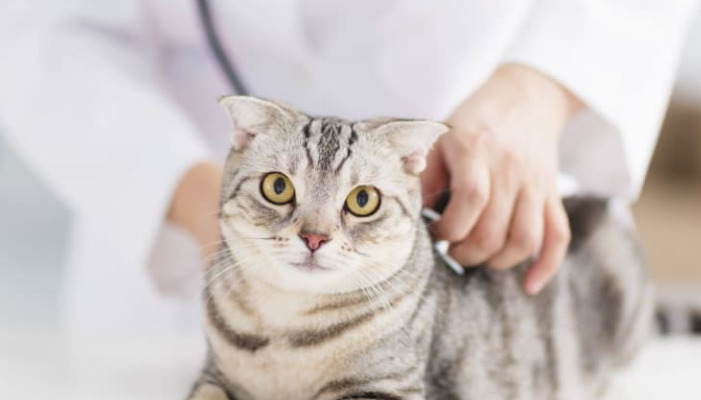
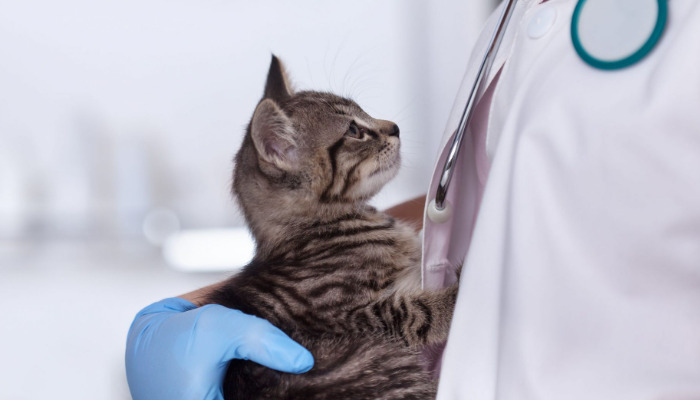
When a cat presents with prolonged fatigue, diagnosis follows a systematic process:
1. Detailed History and Physical Exam
History: Onset, severity, duration of symptoms, changes in behavior, appetite, home environment.
Physical Exam: Temperature, posture, abdominal palpation, hydration status, visible injuries.
2. Laboratory Tests
Complete blood count (CBC) and blood chemistry: Reveal anemia, organ dysfunction, signs of inflammation.
Urinalysis: Checks kidney function, diabetes risk.
3. Imaging
X-rays or ultrasound: Detect fluid buildup, masses, organ changes.
4. Specialized Testing
PCR or immunohistochemistry: Identifies FCoV in tissues when FIP is strongly suspected.
These steps determine whether FIP is a likely culprit, but they also detect other possible illnesses.
Is Lethargy Alone a Red Flag?
Lethargy, though significant, is a non-specific finding. Cats can exhibit decreased energy for truly minor reasons: changes in weather, a loud night, or getting older. However, when lethargy is protracted—lasting more than a few days—and is combined with other symptoms like fever, weight loss, or abdominal swelling, it justifies prompt veterinary attention. The vast majority of lethargic cats do not have FIP; most cases are benign or treatable, especially when caught early.
How Is FIP Managed Today?
Until recently, a diagnosis of FIP was considered untreatable and always fatal. Thanks to breakthrough antiviral drugs (GS-441524 and related compounds), survival rates have improved dramatically, especially with early diagnosis. Still, these treatments are not universally available or FDA-approved in every location, and they can be costly.
Supportive care for FIP includes maintaining hydration, nutrition, and comfort. Because the disease often impairs appetite, veterinarians may recommend feeding tubes or appetite stimulants. Pain and fever are managed with medication as needed.
Prevention: Protecting Cats From FIP and Other Illnesses
Preventing FIP centers on limiting exposure to the feline coronavirus and building robust immune health. Practical steps include:
Hygiene: Clean litter boxes regularly, provide separate feeding areas in multi-cat homes.
Reducing stress: Minimize sudden changes and promote a calm environment.
Vaccination: While FIP vaccines exist, most experts consider them ineffective. Other standard vaccines (FeLV, rabies, feline distemper) help manage risks for other diseases.
Routine veterinary checkups: Early detection of health problems is the key to successful management.
What Owners Should Do: Steps When Faced with a Lethargic Cat
When a cat appears abnormally tired for more than 24 hours, observe for the following:
Eating/drinking patterns
Urination/defecation changes
Breathing difficulty or open-mouth breathing
Obvious pain or limping
If more than one of these symptoms is present, or if lethargy persists, seek professional assistance. Experts caution against assuming FIP prematurely; accurate diagnosis is crucial for a good outcome.
FIP Versus Other Diseases: Comparative Table
| Symptom | FIP Likelihood | Other Common Causes |
||-||
| Chronic lethargy | Moderate to high | Almost all systemic diseases |
| Fever | High (with FIP) | Infections, immune diseases |
| Abdominal fluid | Very high (with FIP) | Heart disease, cancer |
| Weight loss | High (with FIP) | Diabetes, kidney disease |
| Neurological signs| Moderate to high (rare)| Trauma, cancer |
This table is not exhaustive but can guide initial suspicions until veterinary care is accessed.
Cat Owner Stories: Real-World Experiences
Many owners have faced chronic fatigue in their cats, fearing FIP, only to discover another diagnosis after careful vet investigation. For instance, a Maine Coon named Jasper appeared lethargic and off food for weeks, prompting FIP concerns. Lab tests revealed early-stage kidney disease instead; with treatment, Jasper regained energy.
In another case, a shelter kitten developed fever and listlessness but responded well to antibiotics, indicating a respiratory infection rather than FIP.
The Role of Genetics and Breed
Some breeds—like Bengals and purebred kittens—seem to be at higher risk for FIP, likely due to genetic susceptibility. Catteries and shelters, where FCoV is common, see more cases. Still, most exposed cats never develop fatal disease.
Emergency Signs: When Immediate Help Is Needed
Certain symptoms warrant urgent care, regardless of suspected cause:
Collapse or inability to rise
Labored breathing
Severe vomiting or diarrhea
Seizures
Never wait with these signals; prompt veterinary intervention can save lives, whether FIP or another condition.
Advances in FIP Research
Current research focuses on:
Antivirals: Drugs like GS-441524, remdesivir, and molnupiravir show promise for treating FIP.
Vaccine development: Controversial but ongoing.
Genetic testing: Identifying cats at increased risk.
Greater public awareness, combined with new treatments, is improving survival and reducing fear around FIP.
FAQs: Common Questions About FIP and Lethargy in Cats
Q: Is long-term tiredness always a sign of FIP?
A: No. Long-term lethargy can result from many causes, including infections, chronic diseases, stress, and pain.
Q: How quickly should I see a vet if my cat is lethargic?
A: If fatigue persists for over 24-48 hours or is accompanied by other abnormal signs, schedule a visit promptly.
Q: Is FIP contagious to other cats or humans?
A: FIP itself is not contagious, but the underlying feline coronavirus can spread between cats. Humans are not at risk.
Q: Can FIP be cured?
A: Advances in medications have made remission possible, but access varies by location. Early intervention improves outcomes.
The Importance of Early Intervention
Delaying veterinary attention can mean missing early, manageable stages of disease. Whether the culprit is FIP or another illness, success rates with treatment are highest when problems are addressed quickly.
References
1. Pedersen, N. C. (2019). "The Diagnosis of Feline Infectious Peritonitis: A Review of the Pathogenesis and Diagnostic Challenges." Journal of Feline Medicine and Surgery, 21(7), 539-557.
2. Addie, D. D., et al. (2024). "Feline Coronavirus Infections." Veterinary Clinics of North America: Small Animal Practice, 54(3), 425-452.
3. Kipar, A., & Meli, M. L. (2014). "Feline Infectious Peritonitis: Still an Enigma?" Veterinary Pathology, 51(2), 505-526.
4. Hartmann, K. (2023). "Feline Infectious Peritonitis: Current Status and Prospects for the Future." Veterinary Journal, 266, 105-115.
5. Vennema, H., et al. (2020). "Feline Coronavirus: Genetic Aspects and Pathogenesis of FIP." Journal of Virology, 77(14), 7381–7390.
6. American Association of Feline Practitioners (AAFP). (2025). "Feline Infectious Peritonitis Guidelines."
7. Center for Disease Control and Prevention. (2025). "Feline Coronavirus and FIP Fact Sheet."
8. Levy, J. K. (2022). "Use of GS-441524 as a Treatment for Feline Infectious Peritonitis." Emerging Infectious Diseases, 28(7), 1371-1379.
9. Little, S. (2024). "Common Clinical Presentations in Cats: Differentiating FIP from Other Causes of Lethargy." Veterinary Focus, 34(2), 179-190.