Which Cats Are Most At Risk for FIP
Introduction to FIP and Its Causes
Feline Infectious Peritonitis (FIP) is a complex and serious viral disease affecting domestic cats. Caused by certain strains of feline coronavirus (FCoV), FIP emerges when the benign, enteric feline coronavirus mutates within a cat’s body, allowing it to infect white blood cells and trigger a widespread inflammatory response. FIP is infamous for its elusive nature: while FCoV is common among cats and usually harmless, only a small percentage of infected cats develop FIP. The transition from FCoV infection to full-blown FIP depends on multiple factors, including viral mutation, genetics, immune system function, age, environment, and stress levels. Understanding which cats are most at risk for FIP is essential for veterinarians, cat owners, breeders, and anyone invested in feline health.
Transmission and Risk Factors
Feline coronavirus is shed in the feces of infected cats, and transmission most commonly occurs through ingestion of contaminated material. Multi-cat environments such as shelters, catteries, and foster homes present higher risks for infection, as close quarters allow for rapid viral spread. That said, most cats infected with FCoV remain asymptomatic or show mild digestive signs. Only some will progress to FIP, which is fatal without prompt intervention.
Key Risk Groups for FIP
Studying which cats develop FIP reveals clear risk groups. Various factors increase a cat’s likelihood:
1. Age: Kittens and Young Cats
FIP most commonly affects young cats, especially those between 3 months and 2 years of age. The highest incidence is seen in kittens, whose immune systems are still developing and may not mount an effective response to mutated coronavirus. Data suggest that the majority of FIP cases occur in cats under the age of 18 months. Disease susceptibility lessens as cats mature and their immune defenses strengthen.
2. Genetic Susceptibility
Selective breeding can increase risk. Some purebred cats display higher incidences of FIP, possibly due to genetic factors affecting immune regulation. Breeds most frequently cited in the literature include Bengal, Birman, Himalayan, Ragdoll, Rex, and Abyssinian. These breeds are popular in multi-cat breeding environments where coronavirus circulation is common. Genome-wide association studies indicate certain alleles may predispose cats to ineffective immune responses, supporting the role of heredity.
3. Immune System Health
A cat’s immune status plays a central role. Immunosuppressed cats—whether due to congenital defects, chronic illness, or treatments that dampen immune function—are more likely to develop FIP when exposed to mutated FCoV. Feline leukemia virus (FeLV) and feline immunodeficiency virus (FIV) both decrease immune integrity, which increases the risk further.
4. Living Environment
FIP is seldom seen in single-cat households, where exposure to feline coronavirus is limited. Cats in group settings, such as shelters, catteries, and large foster homes, are more frequently exposed. High density, stress, and frequent introduction of new cats facilitate viral spread and mutation. Poor hygiene, overcrowding, and lack of regular veterinary care amplify the danger.
5. Stress Factors
Chronic or acute stress increases the likelihood of developing FIP following FCoV infection. Examples include relocation, weaning, surgery, or environmental instability. Stress can suppress immune function, paving the way for viral mutation and dissemination. Notably, shelter cats undergoing frequent moves, medical procedures, or introductions to unfamiliar groups are demonstrably more susceptible.
6. Viral Strain and Mutational Propensity
Although genetic predisposition and immune status are critical, the mutation rate of FCoV within an individual cat also matters. Some strains of FCoV seem more likely to mutate into the virulent FIP-causing forms. Certain cats appear predisposed genetically to allow these mutations.
Clinical Manifestations and At-Risk Cats
FIP presents in two basic forms: “wet” (effusive) and “dry” (non-effusive). Both forms are grave but differ in symptoms. Wet FIP is characterized by fluid accumulation in the abdomen or chest, leading to breathing issues and a distended belly. Dry FIP shows less fluid but involves granulomas (inflammatory masses) in organs such as the kidneys, liver, or eyes.
Kittens from large litters, particularly those in high-density catteries, are routinely cited in FIP case reports. Likewise, cats that have experienced sudden changes in environment or management are observed to be at higher risk for developing the disease. Breeders and shelter managers must recognize the special vulnerability of young, purebred, and immunocompromised cats.
Diagnosis Challenges and Recognizing At-Risk Cats
FIP is notoriously difficult to diagnose. No single definitive test exists—diagnosis relies on a combination of clinical signs, laboratory evidence, and exclusion of other illnesses. Cats carrying risk factors described above must be monitored closely for symptoms like lethargy, persistent fever unresponsive to antibiotics, weight loss, and fluid buildup. Earlier detection allows for swifter intervention, which is critical, especially as new, life-extending antivirals become available.
Prevention Strategies in High-Risk Populations
Minimizing FCoV transmission is a key prevention tactic. Steps include:
Limiting group sizes and overcrowding in catteries or shelters.
Rigorous sanitation of food bowls, litter boxes, and bedding.
Isolating newly arrived cats until tested for FCoV exposure.
Reducing stress through careful, gradual introductions and stable routines.
Screening for FeLV/FIV and isolating immunocompromised cats.
Breeders are encouraged to separate litters from adult populations and avoid breeding cats with repeated FIP cases in their lineage.
Recent Advances in FIP Treatment and Prognosis for At-Risk Cats
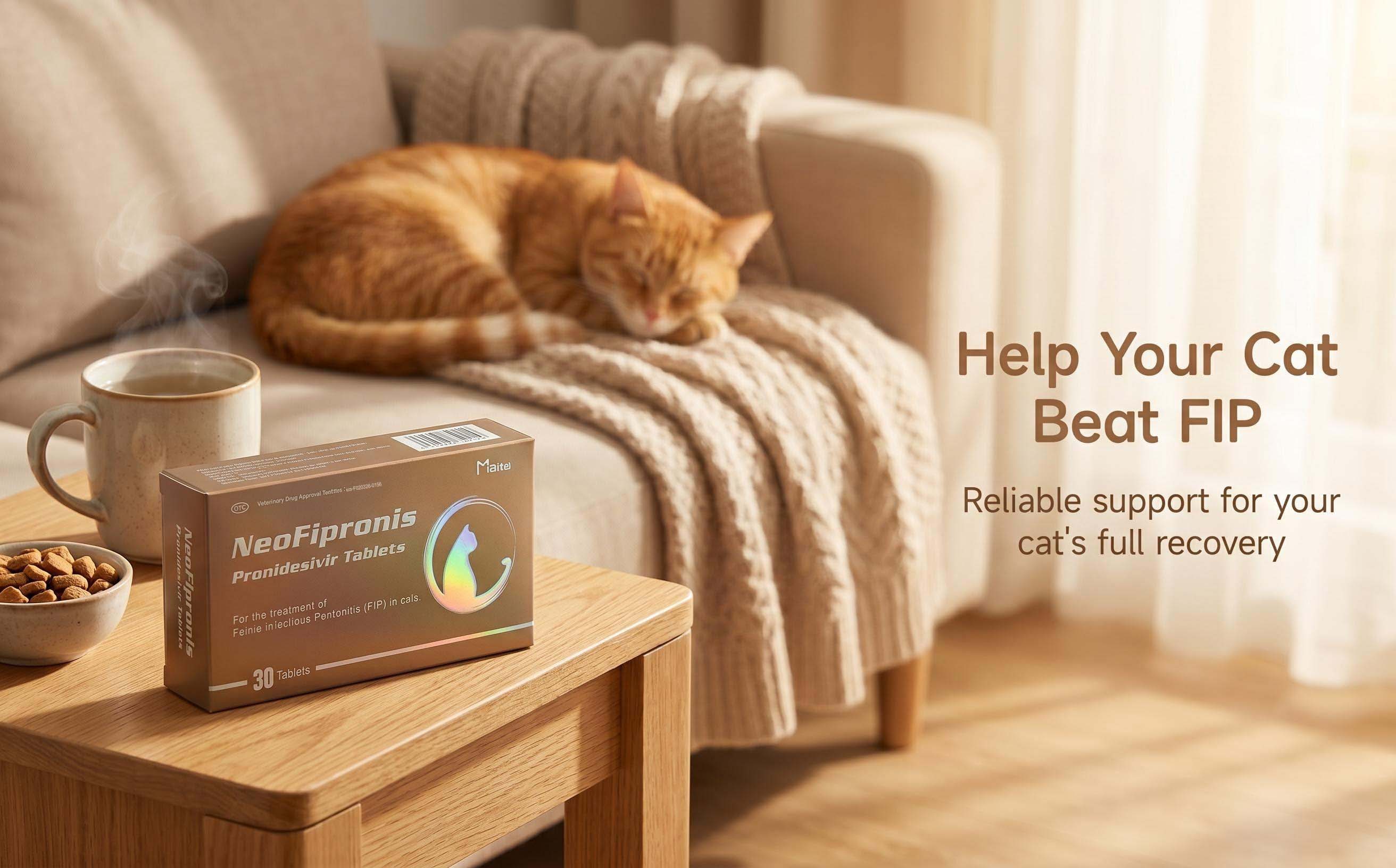
Historically, FIP meant a short and tragic outcome. However, new direct-acting antivirals such as GS-441524 have demonstrated efficacy in extending life and even producing remission in some FIP cases. At-risk cats—particularly those diagnosed early—stand an improved chance as these treatments gain approval and availability. Investing in regular veterinary care and early detection dramatically shifts the prognosis for cats facing higher risk, a hopeful prospect in previously dire circumstances.
Ongoing Research into FIP Risk
Veterinary research continues to explore why only certain cats develop FIP despite widespread exposure to FCoV. Researchers focus on the interplay between viral mutation, genetics, immune tone, and environmental stress. With additional genetic sequencing, vaccination studies, and investigational therapies underway, the answer to “which cats are most at risk for FIP?” grows clearer—and targeted interventions become more effective. Cat owners, veterinarians, and breeders are advised to stay informed and vigilant, especially when caring for young, purebred, or immunocompromised cats in group living situations.
References
1. Hartmann, K. "Feline Infectious Peritonitis." Veterinary Clinics of North America: Small Animal Practice.
2. Pedersen, N.C. "A Review of Feline Infectious Peritonitis Virus Infection: 1963–2008." Journal of Feline Medicine and Surgery.
3. Addie, D., Toth, S., et al. "Feline coronavirus, genetic susceptibility, and risk of FIP in purebred cats." Veterinary Microbiology.
4. Kipar, A., Meli, M. "Feline Infectious Peritonitis: Still an Enigma?" Veterinary Pathology.
5. Stoddard, R.A., et al. "Risk Factors for Feline Coronavirus Infection and FIP in Cats in Shelters and Catteries." Viruses.
6. FIP Treatment Guidelines, American Association of Feline Practitioners.