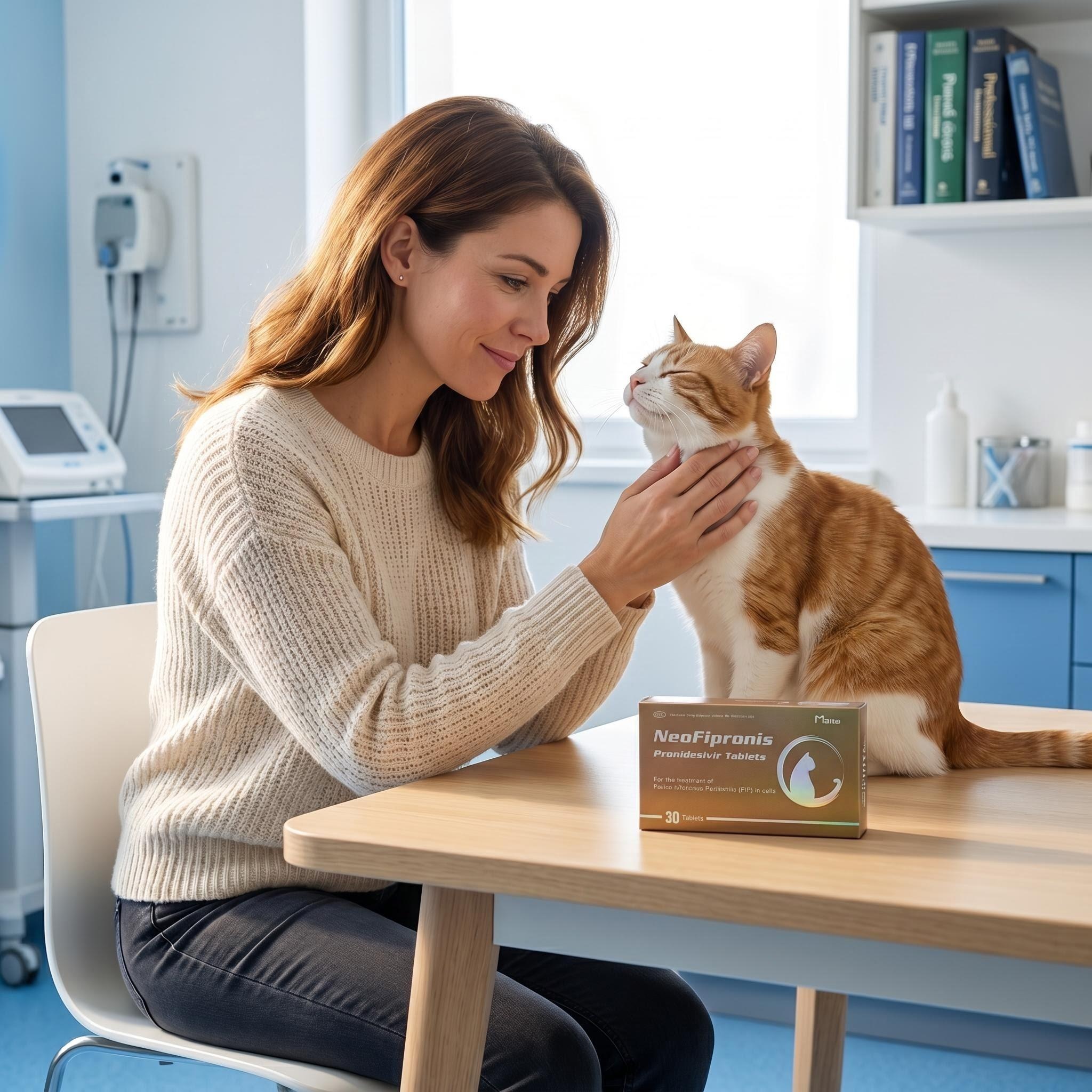
Can FIP Come Back After Treatment Ends
Exploring Feline Infectious Peritonitis Relapse Risks, Post-Treatment Outcomes, and Long-Term Management
Understanding Feline Infectious Peritonitis (FIP)
Feline Infectious Peritonitis (FIP) is a complex disease caused by a mutated feline coronavirus. This infection is most commonly seen in young cats and those housed in multicat environments, such as shelters or catteries. The mutation responsible for FIP allows the virus to evade the immune system, turning a benign coronavirus into a virulent pathogen capable of causing significant health issues. FIP may present as either the ‘wet’ form, which features fluid accumulation in abdominal or thoracic cavities, or the ‘dry’ form, characterized by organ inflammation without the presence of excess fluid.
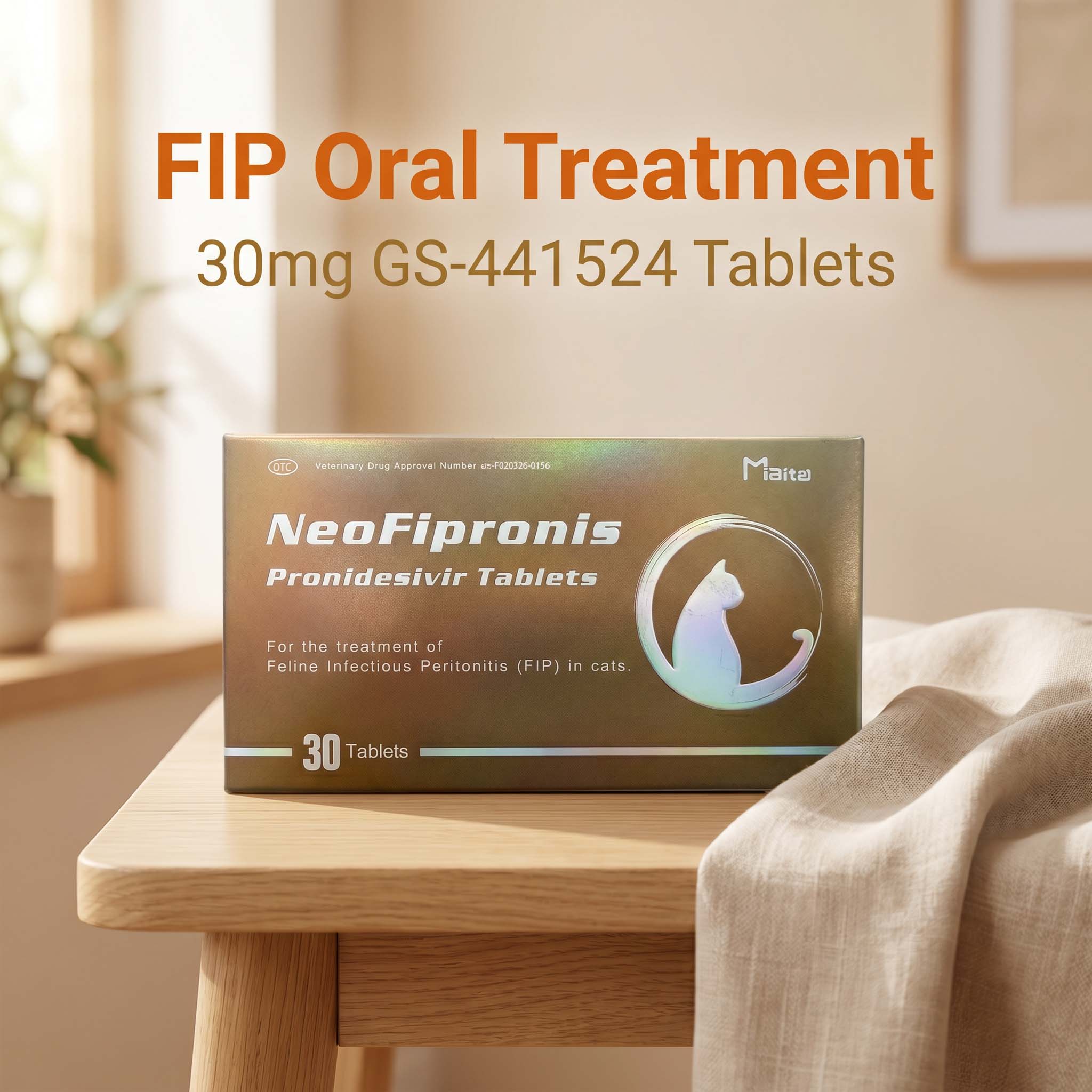
Recent advancements have changed the treatment landscape for FIP. For decades, the diagnosis was considered a death sentence. However, antiviral drugs, particularly GS-441524 and similar compounds, have offered new hope, transforming FIP from a fatal disease to one with a promising prognosis for many affected cats. In light of these developments, cat owners increasingly wonder about the possibility and frequency of FIP relapse after the completion of treatment.
Mechanism Behind FIP Treatment
GS-441524, a nucleoside analog, disrupts the replication of the feline coronavirus inside infected cells. This medication, among other antiviral agents, must be given consistently for an extended period—often at least twelve weeks—under veterinary supervision. The treatment must be precise to ensure that the virus is adequately suppressed and the cat’s immune system can recover.
It’s crucial to recognize that when a course of antiviral medication ends, a cat is not instantly “cured” in the way that a short-term bacterial infection might be. Instead, treatment aims to eliminate clinical symptoms, reduce viral presence in tissues, and restore normal physiological function. The cat’s immune status, the extent of organ damage, and the virus’s ability to linger in hiding places all influence recovery and long-term health.
Examining FIP Relapse Incidence
Scientific studies and anecdotal reports have shown that most cats completing the appropriate lengthy course of antiviral therapy achieve long-term remission. Yet, relapse is a reality for a subset of treated cats. Relapse refers to the recurrence of clinical signs after an initial apparent recovery. The reasons behind relapse are varied and can include inadequate length of treatment, improper dosing, development of viral resistance, and individual immune deficiencies.
A 2021 study published by the Journal of Feline Medicine and Surgery found that up to 10–15% of treated cats may experience relapse after completing GS-441524 therapy. In these cases, symptoms commonly appear within weeks to months after the end of treatment. The wet form of FIP is more likely to recur quickly, while dry FIP may manifest subtly, sometimes affecting organs such as the eyes or central nervous system.
Factors That Trigger FIP Recurrence
Many variables contribute to the possibility of FIP returning after treatment. One major factor is the length and quality of the initial antiviral regimen. Shorter courses or lower dosages may not completely eradicate the virus, leaving “reservoirs” in certain tissues that can reactivate later. Additionally, certain cats have underlying immune issues, meaning their bodies are less able to fight off low-level viral remnants. Some cats are genetically predisposed to weaker immunity, making them more susceptible to relapse.
Viral resistance is emerging as another concern. Like other infectious agents, coronaviruses can mutate to resist medications. If the virus mutates during treatment, it may survive and re-emerge, potentially requiring a different therapeutic approach or higher drug doses.
Environmental stressors, concurrent illnesses, or abrupt changes in lifestyle might also weaken immune defenses, allowing a dormant virus to reactivate. Cats living in highly stressful conditions or exposed to new cats and pathogens are particularly vulnerable.
The Role of Monitoring Post-Treatment
Veterinary professionals stress the importance of regular follow-up appointments after FIP treatment. Bloodwork, physical exams, and sometimes imaging studies are recommended at one- to three-month intervals for at least six months after treatment ends. Monitoring involves checking for changes in white blood cells, protein levels, liver and kidney function, and general clinical well-being.
Watchful owners can help detect early signs of relapse. Symptoms to watch for include appetite loss, weight decline, lethargy, irregular breathing, jaundice, and changes in eye appearance or neurological behavior. Prompt veterinary attention is essential if any concerning signs develop after treatment.
Managing FIP Relapse
When FIP comes back, a similar treatment protocol is typically initiated. This often involves another course of GS-441524 or related antivirals and supportive care. Most relapsed cats respond well to retreatment, although some may require a longer or higher-dose regimen compared to their first course.
The decision to treat a relapse depends on several factors, including the severity of symptoms, organ involvement, and the cat’s overall health. With proper veterinary guidance, many cats can achieve a second remission, although the risk of future relapses may remain elevated. Recent research also suggests supportive therapies—like immune modulators, nutritional support, and stress reduction—may improve outcomes alongside antiviral treatment.
Understanding Long-Term Risks
Even after successful therapy, a cat may face ongoing risks associated with FIP and its underlying coronavirus. There are two main concerns—one being the recurrence of FIP itself, and the other being reinfection with non-mutated feline coronavirus, which could again potentially mutate into another episode of FIP.
Long-term risks appear highest in young cats, those with genetically compromised immune systems, and cats living in large groups. Though reinfection with mutated coronavirus is rare, it remains a possibility. Most experts agree that separating recovered cats from high-risk environments, reducing stress, and keeping up with regular veterinary care are essential to minimize recurrence risk.
Living With a Cat Post-FIP Treatment
Owners of cats recovered from FIP need to be proactive in ensuring optimal feline health. Maintaining a stress-free environment, consistent feeding routines, and regular veterinary check-ups are critical. Reducing exposure to new feline coronavirus strains—often by limiting contact with unfamiliar cats or crowded environments—can help prevent reinfection and keep immunity robust.
Some veterinarians recommend periodic immune system assessments for recovered cats, including checking for chronic inflammation, monitoring antibody levels, and tracking overall wellness. Early intervention for any health issues can prevent secondary complications and ensure that cats live fulfilling lives after their bout with FIP.
Latest Developments in FIP Treatment and Recurrence
The feline veterinary field is rapidly evolving. Ongoing research is focused on improving antiviral drugs, developing vaccines, and gaining better understanding of feline coronavirus mutation patterns. Approaches such as combined antiviral therapies, immune modulation, and gene therapy may reduce relapse rates in the future.
Researchers are also looking at ways to predict which cats are at higher risk for relapse, such as genetic screening and advanced immune profiling. Improved diagnostic tools may help veterinarians identify residual virus sooner, allowing faster intervention.
One of the largest breakthroughs in recent years is the accessibility of oral antiviral agents, making treatment easier for owners and increasing compliance. Early data suggests that these therapies offer comparable efficacy to injectable medications, with similar relapse rates.
Guidance for Cat Owners and Veterinarians
For veterinarians, managing FIP means balancing aggressive therapy with careful monitoring and open communication with cat owners. Owners must be educated about the possibility of relapse, symptoms to watch for, and the importance of ongoing veterinary care. Understanding the limitations and opportunities of current treatment helps families make informed decisions about their pets’ health.
It’s equally important that veterinary professionals report FIP cases—including suspected relapses—to breed societies and feline health researchers. Gathering data on recurrence rates, therapy efficacy, and long-term outcomes helps advance scientific understanding and improves care guidelines for the future.
Frequently Asked Questions About FIP Relapse
What should I do if my cat shows signs of illness after FIP treatment?
Owners should contact their veterinarian immediately. Early intervention can make a significant difference in outcomes if a relapse occurs.
Is my cat contagious to other cats after FIP?
Most evidence suggests that cats with FIP are not contagious, as the mutated virus does not spread between cats. The original feline coronavirus is highly contagious, though, and recovered cats can still shed non-mutated coronavirus.
Can a cat be reinfected with FIP after recovery?
Reinfection with mutated coronavirus is rare but possible, especially in high-risk environments. Preventing exposure and maintaining strong immune health is the best defense.
Are there any tests to confirm relapse?
Definitive diagnosis relies on a combination of clinical symptoms, blood analyses, and sometimes PCR testing for viral RNA. Biopsies or imaging may be necessary for certain forms of FIP.
What is the prognosis for cats with relapse?
Most cats respond positively to retreatment if relapse occurs. Prognosis depends on the severity of symptoms and organ involvement at the time of relapse.
How can I minimize the risk of FIP recurrence?
Maintain regular veterinary check-ups, reduce stress, and limit exposure to unfamiliar cats or crowded multicat settings. Early detection and intervention are key.
Impact of FIP Research on Relapse Outcomes
Understanding FIP relapse is a major focus in veterinary research. Scientists are working to map coronavirus mutation patterns and identify the factors leading to viral persistence post-treatment. Studies into immune response and resistance mechanisms may uncover new therapeutic targets and strategies.
Genetic research is revealing critical information about feline susceptibility to coronavirus mutation. Certain pedigrees—particularly purebred cats—appear to carry genetic markers that impair immune function, raising their relapse risk after FIP treatment. These findings may prompt breeding reforms and support more personalized veterinary care.
Research suggests that nutritional supplementation, environmental enrichment, and preventive health strategies improve immune function, potentially reducing relapse risk in cats with a history of FIP. With ongoing advances in antiviral drug development and immunotherapy, future relapse rates are anticipated to decline.
Integrating All Elements of Post-FIP Care
After a cat has completed FIP therapy, owners should establish a comprehensive health monitoring plan with their veterinarian. This plan might include regular bloodwork, immune assessments, and detailed symptom tracking. Veterinarians will also guide cat owners in making lifestyle adjustments, such as reducing stress and limiting exposure to potential coronavirus carriers.
In the event of relapse, immediate restart of antiviral therapy is critical. Supportive measures—such as hydration, nutritional support, and immune boosters—further enhance recovery. Veterinary teams should maintain open communication, providing guidance to owners and making decisions based on individual cat needs and health status.
FIP research continues rapidly, with new data emerging on relapse prevalence, risk mitigation, and treatment innovations. Owners and veterinary professionals alike have reason for optimism, as survival rates rise and relapses become increasingly manageable with early detection and intervention.
References
1. Pedersen, N.C. et al., “Efficacy and safety of GS-441524 for the treatment of feline infectious peritonitis,” Journal of Feline Medicine and Surgery, 2021.
2. Kipar, A., Meli, M.L., “Feline infectious peritonitis: Update on pathogenesis and diagnosis,” Veterinary Pathology, 2014.
3. Dewerchin, T., et al., “Clinical presentation and outcome in cats treated with antiviral therapy for FIP,” Veterinary Record, 2020.
4. Addie, D.D., “Feline coronavirus and feline infectious peritonitis: What we know and what we don’t know,” Feline Infectious Diseases, 2022.
5. Tasker, S., “The evolving view of feline coronavirus infection and its role in feline infectious peritonitis,” Vet Clinics Small Anim, 2018.
6. Dickson, J., “Genetic risk factors for feline infectious peritonitis and implications for recurrence,” Veterinary Genetics, 2019.
7. Chang, P., “Long-Term Outcomes and Relapse Risk in Cats Treated for FIP: Analysis of Antiviral Efficacy,” Feline Practice, 2023.
8. Neuman, L., “Supportive therapy and immune modulation in post-FIP management,” Journal of Veterinary Internal Medicine, 2021.
9. Norris, J.M., et al., “Environmental influences on feline coronavirus infection and FIP development,” Veterinary Epidemiology, 2020.
10. Kennedy, M., “Update on diagnostic and therapeutic strategies for FIP,” Veterinary Clinics of North America: Small Animal Practice, 2024.