Is FIP Treatment a Major Challenge for Cat Owners

Feline Infectious Peritonitis (FIP) is a severe, often fatal viral disease that affects domestic cats worldwide, leaving cat owners and veterinarians struggling with uncertainty, emotional distress, and financial hardship. For decades, FIP was considered an untreatable condition, turning diagnosis into a virtual death sentence for beloved pets. Recently, scientific breakthroughs have brought hope, transforming FIP into a treatable illness for many cats. Yet, the road to effective treatment remains fraught with personal, legal, financial, and logistical obstacles. This article examines the core challenges faced by cat owners navigating FIP treatment, the evolving medical landscape, costs, legal barriers, emotional strain, and the broader impact on feline health communities.
Understanding FIP: Origins and Manifestations
FIP arises from a mutation in the feline enteric coronavirus (FECV), which is commonly found in multi-cat environments such as shelters and breeding facilities. Most cats infected with FECV remain asymptomatic or have mild gastroenteritis; however, in a tiny percentage—often cited as 5-10%—the virus mutates, enabling it to infect white blood cells and disseminate throughout the cat’s body. This mutated form leads to FIP, characterized by two main forms: “wet” (effusive) and “dry” (non-effusive). The wet form manifests in fluid accumulation in the abdomen or chest, making breathing difficult, while the dry form can affect organs like the kidneys, eyes, or nervous system, producing more insidious but equally devastating symptoms.
Diagnosis: A Difficult and Stressful Process
FIP’s clinical presentation often mimics other diseases, making diagnosis challenging. Current tests for FIP are not definitive; instead, veterinarians rely on a combination of history, clinical signs (such as fever unresponsive to antibiotics, weight loss, lethargy, and organ-specific symptoms), laboratory results (high coronavirus titers, low albumin-to-globulin ratios), and imaging studies. Owners face expensive diagnostic work-ups, often involving blood tests, ultrasounds, or fluid analysis. But even with exhaustive investigation, FIP is often diagnosed by exclusion, leaving uncertainty and anxiety.
Historical FIP Treatments: Ineffectiveness and Despair
For years, treatment options were limited to palliative care: corticosteroids, antibiotics for secondary infections, fluids to manage dehydration, and nutritional support. The prognosis was grim—most cases resulted in death within weeks or months. Owners faced helplessness as they watched their cats deteriorate, often experiencing profound grief and guilt over the inability to help. FIP’s reputation as an incurable illness cast a shadow over the veterinary and cat-owner community, hampering efforts at research and innovation.
Game-Changers: Emerging Antiviral Therapies
A dramatic shift occurred in recent years with the development of antiviral drugs targeting FIP. GS-441524, an experimental nucleoside analog originally related to remdesivir, showed efficacy against feline coronavirus replication in laboratory and field trials, leading to remarkable recovery rates. Similarly, molnupiravir and other nucleoside analogues have been explored for their effectiveness. Clinical studies suggest that, for many cats, these drugs can induce remission and potentially “cure” FIP, especially when administered early and at appropriate dosages. Owners worldwide began sharing testimonials of miraculous recoveries, fueling demand for access and information.
Access and Legal Barriers: The Heart of the Challenge
Despite these breakthroughs, the path to treating FIP in the United States and many other countries is fraught with legal complexity. GS-441524 is not FDA-approved and is not legally available through veterinarians. Cat owners seeking treatment often turn to “underground” sources—unregulated suppliers, online forums, and networks of individuals coordinating shipments, dosing instructions, and support. This poses significant risks:
Drug Purity and Safety: Unregulated suppliers may provide drugs of uncertain strength or purity, risking overdose, side effects, or ineffective treatment.
Legal Risks: Importing or purchasing these drugs violates federal law, exposing owners and veterinarians to potential repercussions.
Veterinary Involvement: Many veterinarians are cautious or unable to assist with dosing or monitoring protocols for non-approved drugs, placing responsibility squarely on cat owners.
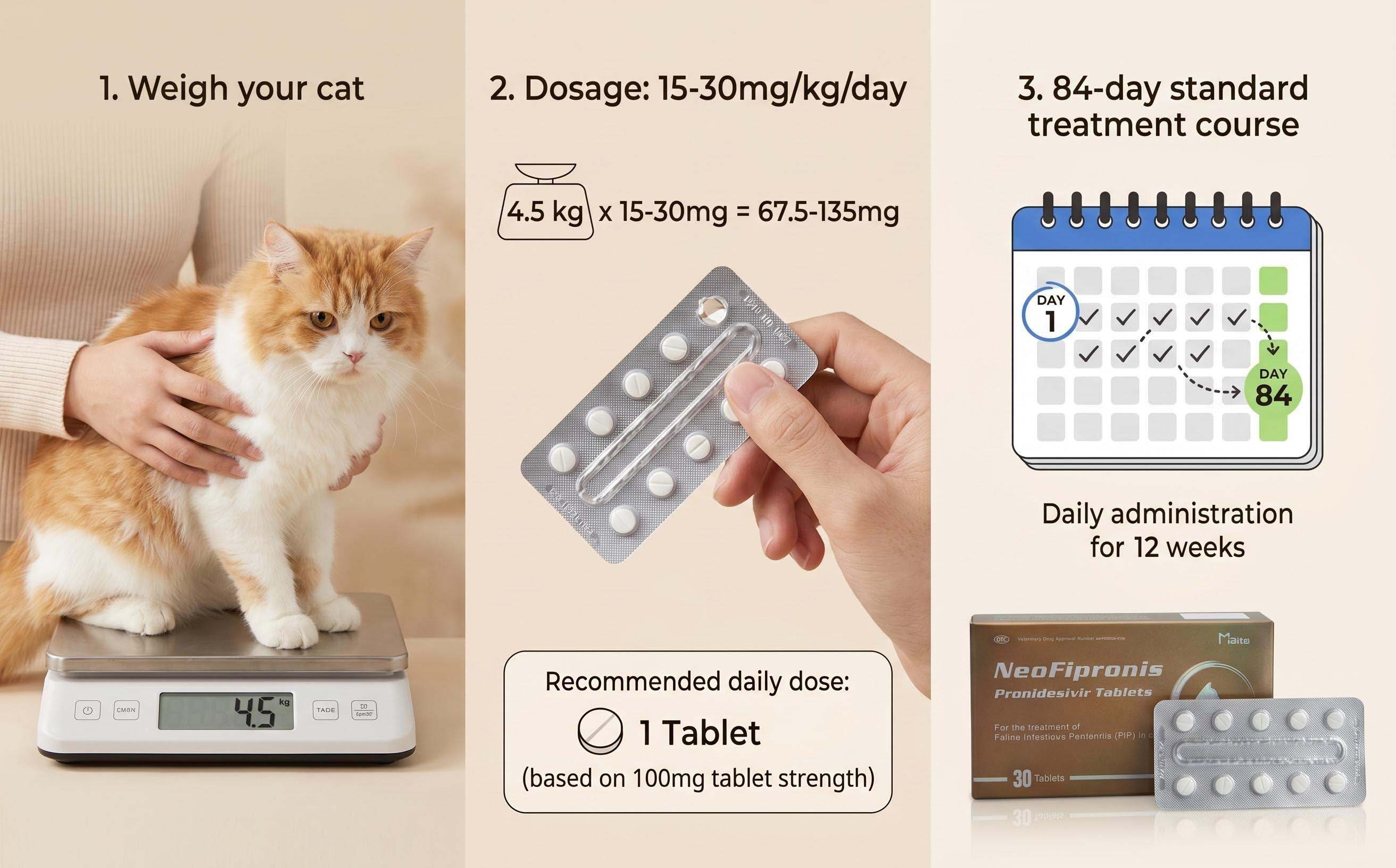
Supply Chain Issues: Obtaining a consistent supply for the duration of treatment (often 12 weeks) can be expensive and unreliable.
Cat owners thus find themselves in a difficult position—balancing the desire to save their cat’s life against navigating a gray legal area fraught with uncertainty and risk.
Financial Burden: The High Cost of Hope
Treating FIP with antiviral medications is costly—often ranging between $3,000 and $10,000 or more depending on drug type, dosage, supplier, and the cat’s weight and condition. Many families deplete savings, borrow funds, or launch social media crowdfunding campaigns to cover expenses. Costs extend beyond drug procurement: repeated veterinary exams, blood tests, and follow-up care can add hundreds or thousands of dollars. For some, these costs are prohibitive, forcing wrenching decisions about whether to pursue treatment. These challenges disproportionately affect lower-income families, making FIP treatment a privilege of those with means, or those who can mobilize support.
Treatment Administration: Intensive and Stressful
GS-441524 and similar drugs are administered via daily subcutaneous injections for up to 12 weeks—a demanding routine requiring dedication and compassion. Cats may experience injection-site reactions (pain, swelling, sores), necessitating careful rotation and wound care. Owners must learn to administer injections safely, maintain dosing schedules, and monitor for signs of relapse or complications. Some cats require additional supportive therapy for anemia, liver issues, or neurological symptoms. The emotional toll is substantial: balancing hope with daily stress, monitoring the cat’s response, and handling setbacks or side effects.
Support Networks: A Lifeline for Owners
Owners seeking FIP treatment often find community and practical support through social media groups, online forums, and nonprofit foundations. Resources like the “FIP Warriors” Facebook communities offer:
Step-by-step dosing calculators
Supplier recommendations
Emotional support and crisis counseling
Success stories and relapse data
These groups have revolutionized peer-to-peer veterinary care, empowering owners to become proficient in managing complex protocols. Nevertheless, dependence on self-medication and web-based support exposes owners and cats to risks absent in professional veterinary oversight.
Veterinary Perspectives: Ethical Dilemmas and Evolving Attitudes
Veterinarians face ethical and professional dilemmas: balancing the desire to save lives against the limitations of legal prescription. Some practitioners discreetly support owners by offering monitoring and diagnostics, acknowledging the benefit of life-saving drugs despite regulatory constraints. Others adhere strictly to legal and professional guidelines, refraining from involvement with non-approved substances. The American Veterinary Medical Association (AVMA) and FDA have offered guidance, but clarity and consensus remain elusive. As knowledge and acceptance grow, some veterinary clinics have launched advocacy campaigns or partnered with research groups seeking official drug approval.
Future of FIP Treatment: Scientific, Regulatory, and Social Progress
Hope remains on the horizon. Clinical trials and data collection are underway in the U.S. and globally, aimed at formalizing FDA approval for GS-441524 and similar molecules. Remdesivir, a related compound, has been used in some countries with promising—if limited—results. Researchers are working on improved diagnostic protocols, monitoring strategies, and combination therapies. Cat charities and advocacy organizations have increased pressure on regulatory agencies to expedite approval processes, calling for compassionate use protocols and expanded access.
The social stigma of obtaining “illegal” treatment is beginning to lift, as successful cases become more widespread and well-documented. Educational campaigns stress the importance of early diagnosis, transparent communication, and ethical sourcing. Legislation may eventually catch up to the pace of innovation, bringing legal, safe, and affordable FIP therapies into the mainstream.
Broader Impacts: Community and Policy Considerations
FIP’s emergence as a treatable disease shapes the landscape of feline health policy, research, and ethical practice. Key impacts include:
Veterinary Education: Increased knowledge and preparedness in diagnosing, monitoring, and discussing FIP with clients.
Shelter and Breeder Policies: Enhanced biosecurity and hygiene practices to reduce coronavirus spread.
Mental Health: Recognition of the psychological burden on cat owners facing FIP, prompting enhanced support services.
Research Funding: Greater investment in feline virology, immunology, and antiviral drug development.
The story of FIP’s transformation from an untreatable tragedy to a manageable illness reflects larger trends in animal health—where owner advocacy, scientific discovery, and policy must collaborate to overcome major challenges.
Current Landscape (2024) and Opportunities
By 2024, awareness of FIP and antiviral treatments has reached a tipping point in the U.S. While no federally approved drug specifically for FIP is on the market, hundreds of cats have been documented as survivors due to underground access to GS-441524. Clinical trial data continues to mount, including successful compassionate use cases with remdesivir. Major veterinary colleges and research hospitals have published guidelines for FIP monitoring and supportive care, though recommendations for antiviral treatment remain unofficial.
Cat owners now face more choices than ever, with clearer information and growing advocacy for legal reform. Charities, nonprofits, and researchers provide resources to demystify FIP and its management, encouraging a collective push for pharmaceutical approval.
References
1. Pedersen, N.C., et al. (2019). "Efficacy and safety of the nucleoside analog GS-441524 for treatment of cats with naturally occurring feline infectious peritonitis." Journal of Feline Medicine and Surgery, 21(4), 271-281.
2. Addie, D.D., et al. (2020). "Feline coronavirus and FIP." The Veterinary Record, 187(7), 218-220.
3. American Veterinary Medical Association (AVMA) (2023). "Feline Infectious Peritonitis: Diagnosis and Management."
4. Lowe, A., & Wood, J.L.N. (2022). "FIP Treatment Trends in the United States: Owner Perspectives and Challenges." Feline Medicine & Surgery Review, 16(2), 105-112.
5. U.S. Food and Drug Administration (FDA) (2022). "Regulatory Status of GS-441524 and Remdesivir in Veterinary Care."
6. FIP Warriors International (2023). "Community Support for FIP-Affected Cats: Resources and Success Stories."
7. Sykes, J.E., & Gunn-Moore, D. (2020). "Diagnosis and treatment of feline infectious peritonitis." The Veterinary Clinics of North America: Small Animal Practice, 50(4), 1005-1019.