Does NeoFipronis (Pronidesivir) Have Any Side Effects
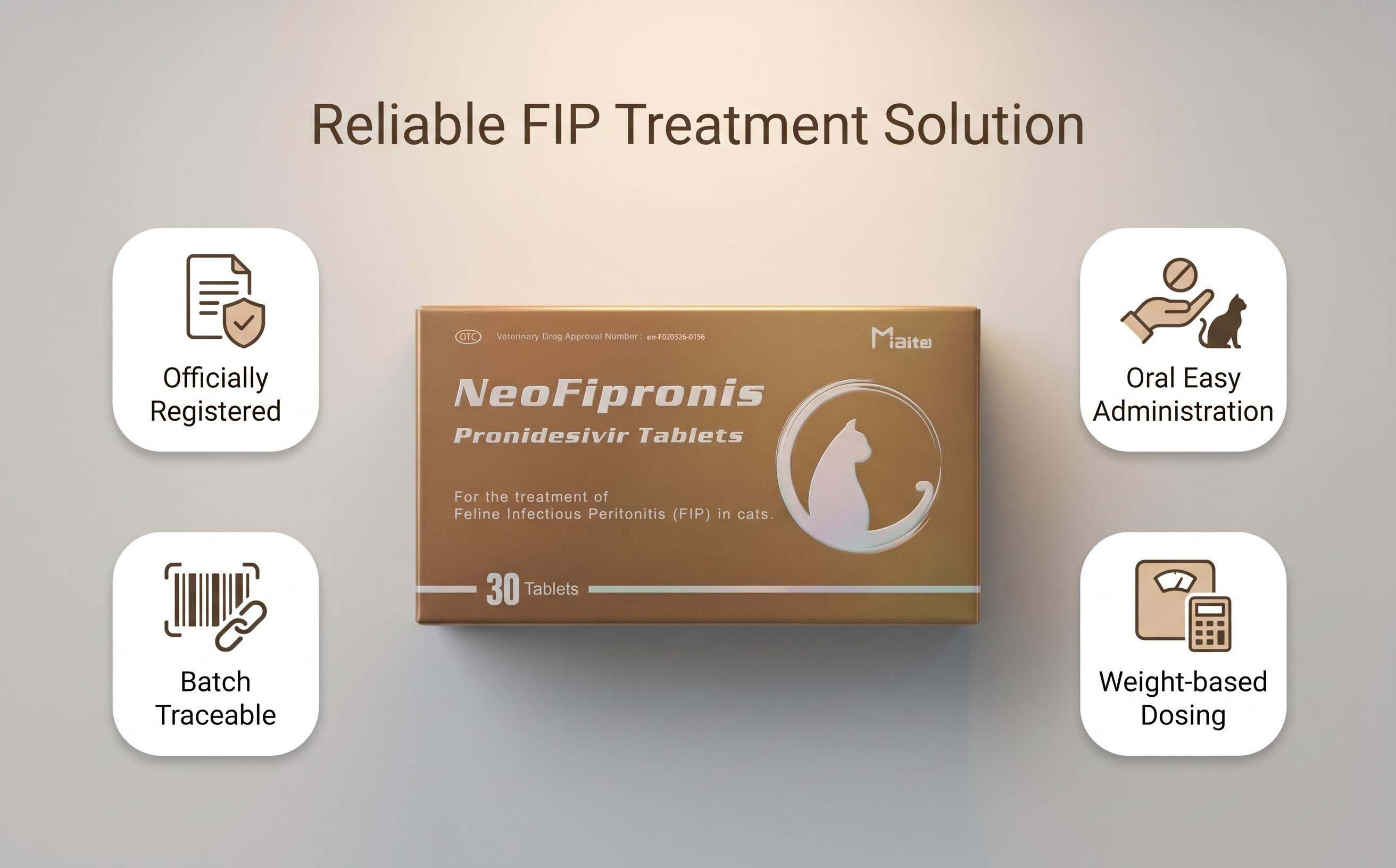
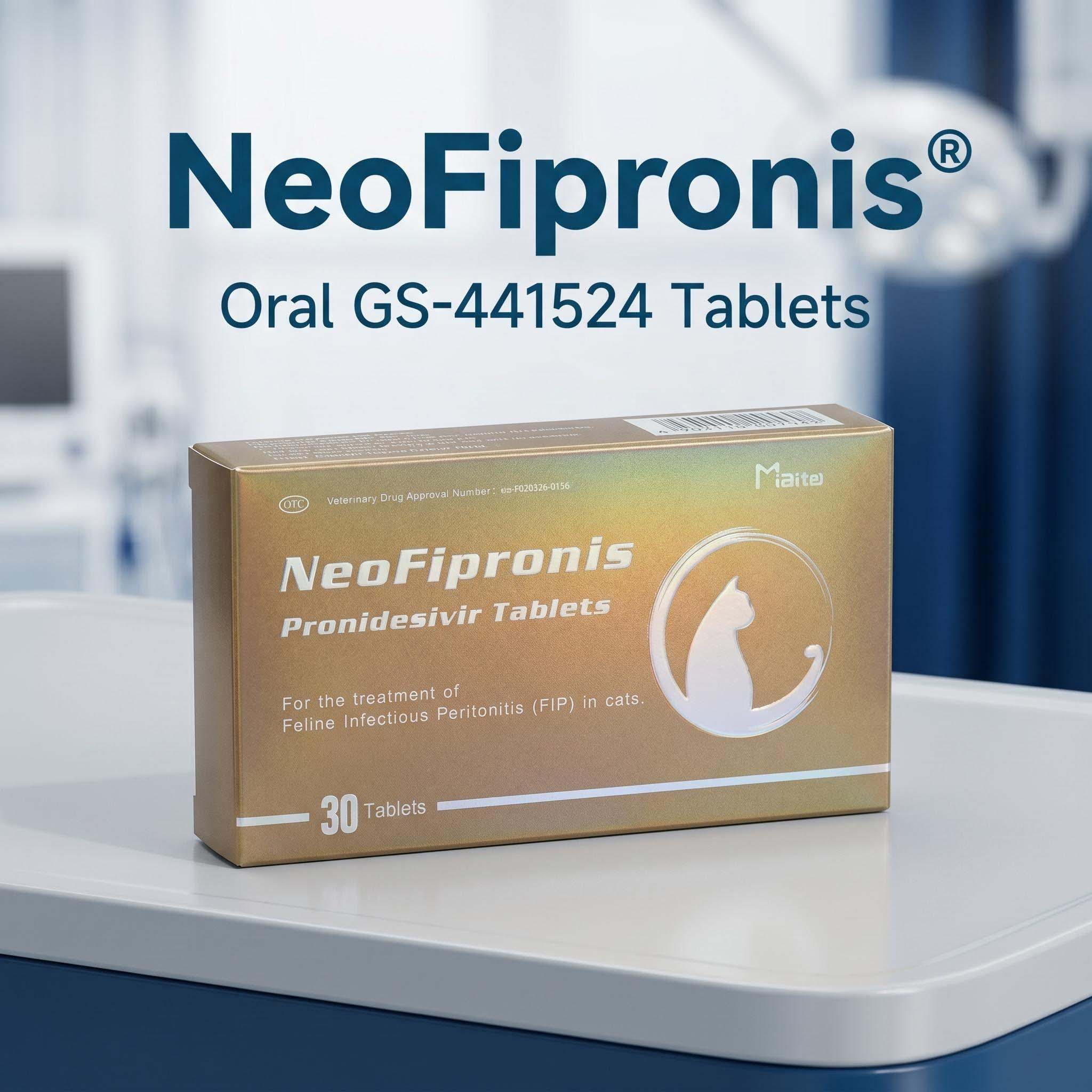
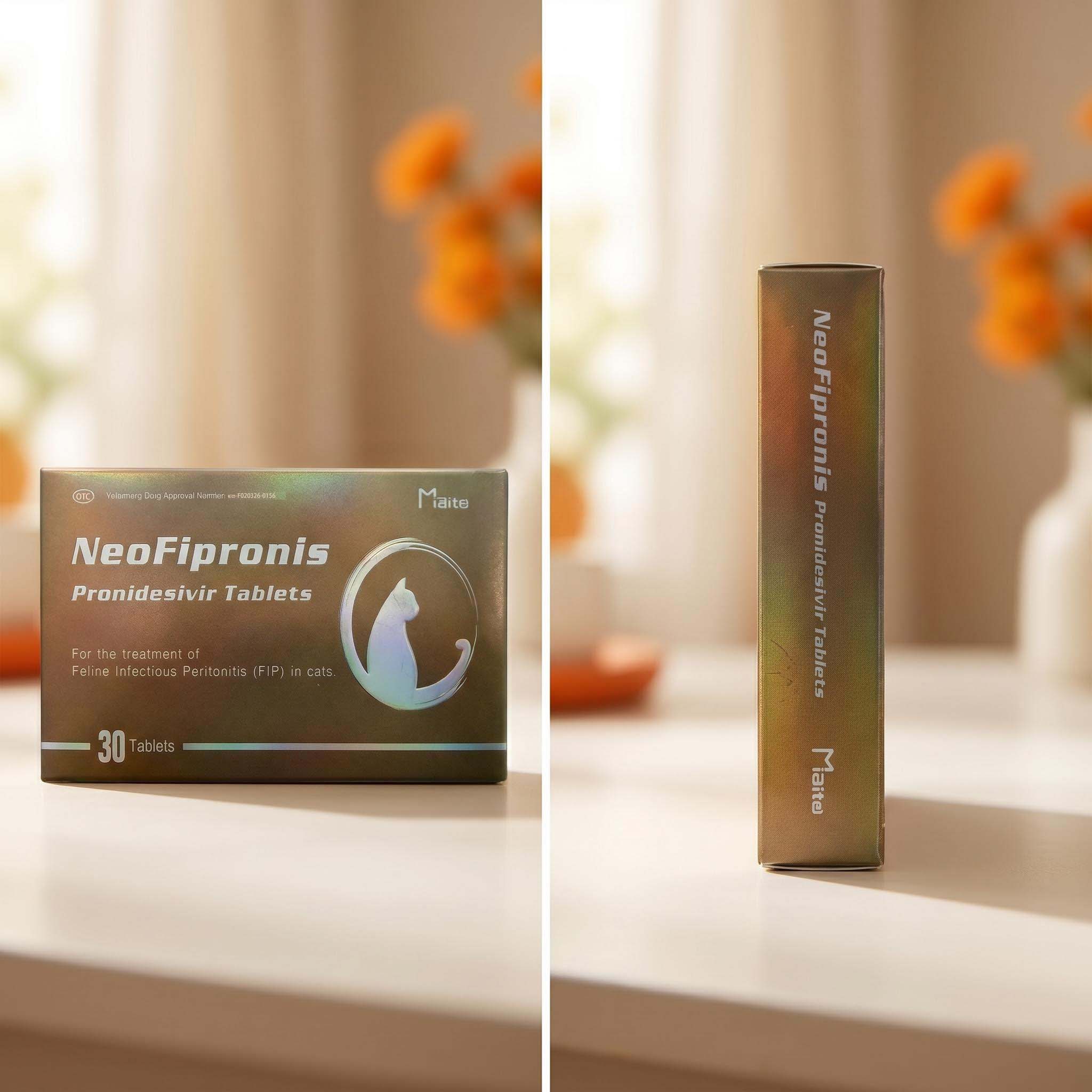
NeoFipronis (Pronidesivir) is designed for cats with feline infectious peritonitis (FIP), including cases with poor appetite, lethargy, fever, ascites, pleural effusion, enlarged lymph nodes, inflammatory granulomas, neurologic signs, and uveitis. Its active ingredient, GS-441524, has been widely studied and used in clinical practice for antiviral support against FIP, making it a trusted oral option for many cat owners seeking effective treatment.
A common question from pet owners is whether NeoFipronis (Pronidesivir) causes side effects. In most cases, cats tolerate it well. Reported side effects are usually mild and temporary, especially when the medication is given at the correct dose and under veterinary guidance. Some cats may experience a brief decrease in appetite, mild vomiting, soft stool, or slight lethargy during the first days of treatment. These reactions often improve as the cat’s body adjusts.
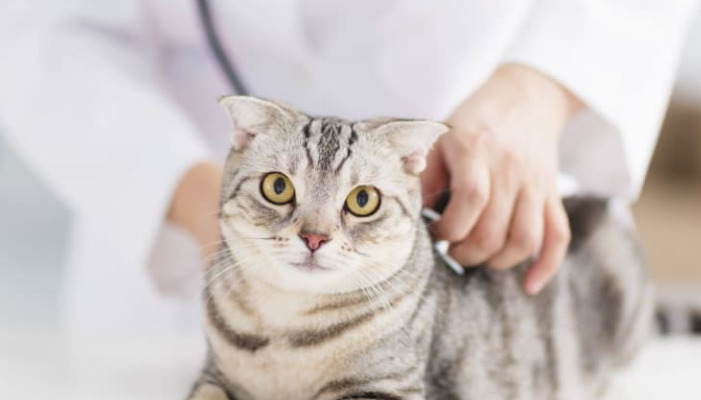
Because FIP itself can affect the liver, kidneys, and overall inflammatory status, some changes seen during treatment may be related to the disease rather than the medicine. For that reason, regular monitoring is important. Veterinarians often recommend checking blood work, liver enzymes, kidney function, body weight, temperature, and general behavior throughout the treatment period. This helps ensure the cat is responding properly and allows dose adjustments when needed.
NeoFipronis (Pronidesivir) is commonly used once daily at a body-weight-based dose of 15 mg per kilogram, which is equal to half a tablet in many dosing plans. For neurologic or ocular FIP, a higher dose of 30 mg per kilogram may be recommended by a veterinarian. The medication is generally given on an empty stomach, either one hour before meals or two hours after feeding, to support absorption and consistent results.
Treatment for FIP should not be interrupted. Cats usually need continuous therapy for at least 12 weeks, and missing doses may reduce effectiveness. During treatment, owners should observe changes in appetite, energy, temperature, breathing, hydration, and stool quality. Any sudden worsening should be discussed with a veterinarian right away.
Although NeoFipronis (Pronidesivir) is described as a non-prescription product, veterinary supervision is still strongly recommended. Every cat with FIP is different, and factors such as age, body condition, disease form, and organ involvement can affect the safest and most effective dosing plan. This is especially true for cats with neurologic or eye-related FIP, where precise dosing matters.
NeoFipronis (Pronidesivir) is for cats only and must never be used in humans. To help ensure product quality and authenticity, purchase should be made through the official NeoFipronis website or authorized channels.
If your cat has FIP and you are asking whether NeoFipronis (Pronidesivir) has side effects, the answer is that most side effects are mild, manageable, and far less concerning than untreated FIP. With proper dosing, close monitoring, and veterinary support, many cats respond very well to therapy.