Can Feeding Cheap Cat Food Cause FIP
Cat owners across the globe want what’s best for their feline companions. One concern that sometimes surfaces is whether feeding cheap cat food might make cats vulnerable to serious illnesses like feline infectious peritonitis (FIP). FIP is a dreaded disease that sparks anxiety and confusion, partly due to its elusive origins and severe outcomes. This article delves into the relationship between low-quality cat food and FIP, exploring scientific evidence, nutrition’s impact on immunity, and guidance on making informed choices for your cat’s lifelong health.
What Is FIP?
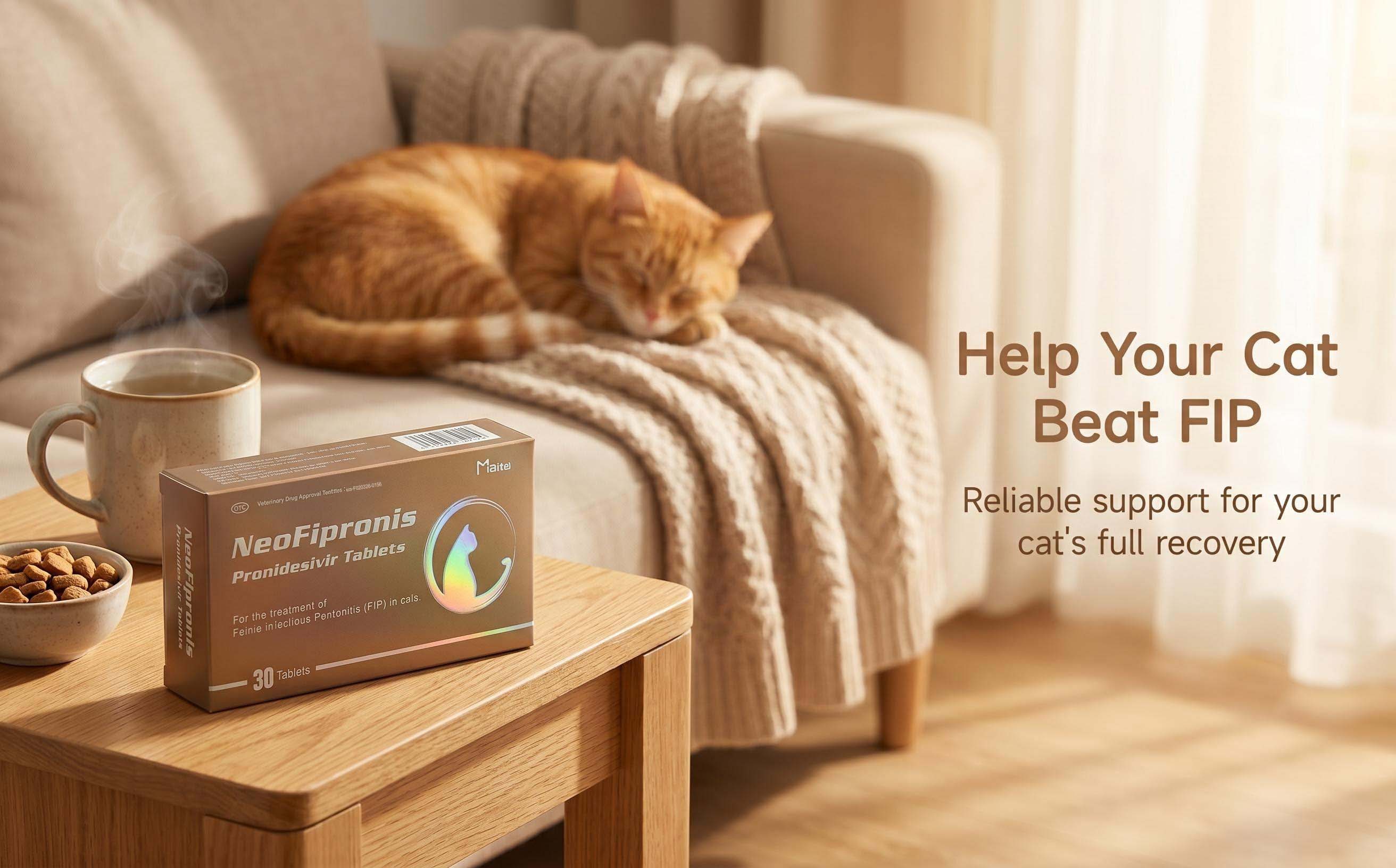
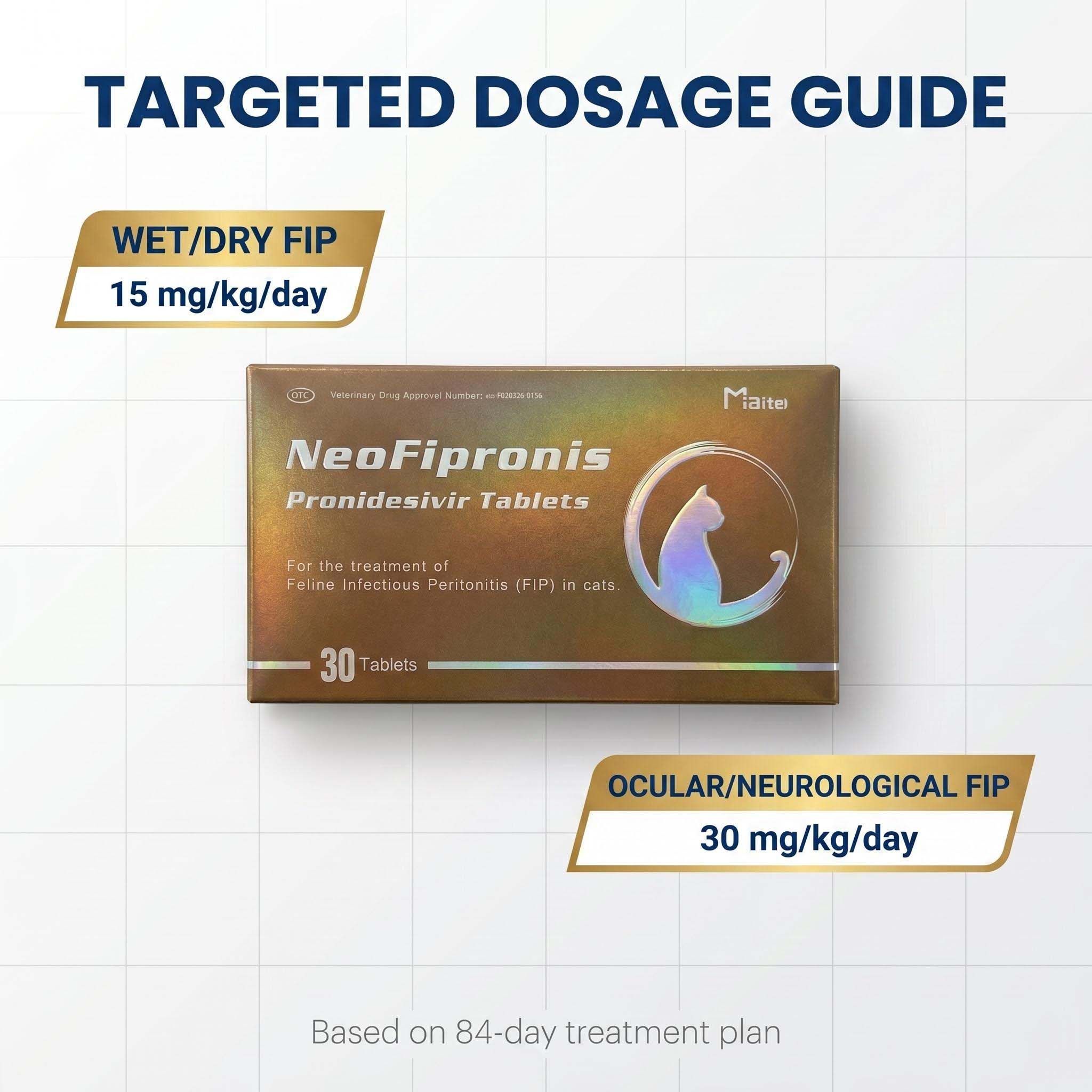
Feline infectious peritonitis (FIP) is a fatal viral disease caused by a mutation of the feline coronavirus (FCoV). While many cats encounter FCoV and display mild or no symptoms, a small percentage experience a mutation inside their body, leading to full-blown FIP with devastating effects. The mutated virus invades immune cells, causing systemic inflammation, fluid buildup, and organ failure. FIP is historically untreatable, though recent developments in anti-viral drugs have offered hope. Despite breakthroughs, FIP remains a concern for multi-cat households, shelters, and catteries.
FIP: The Viral Pathway
Unlike bacterial or parasitic illnesses, FIP does not spread directly from food, water, or air. FCoV enters the digestive tract—primarily through contact with saliva or feces of infected cats—but only certain cats develop FIP, depending on factors like genetics, immune function, and environmental stressors. Key triggers for viral mutation include immune system dysfunction and stress, rather than a specific dietary factor. So why does cheap cat food enter the equation?
Nutritional Quality: Cheap vs. Premium Cat Food
The difference between bargain and premium cat food lies in nutritional profile, ingredient integrity, and processing methods. Lower-priced cat foods sometimes contain more fillers (corn, wheat, soy), less animal protein, artificial flavors, coloring, or preservatives. These components won’t introduce FCoV into the body but might affect long-term health, immune competence, and resilience to infections.
Vital nutrients for cats include:
High-quality animal protein
Essential fatty acids
Taurine
Vitamins and minerals
Limited carbohydrates
Premium foods aim to meet these demands, while cheap foods sometimes fall short. This nutritional gap does not directly increase FIP risk, but inadequate nutrition may weaken immune responses, creating a vulnerability if FCoV infection occurs.
Immunity, Diet, and FIP Risk
Strong immunity empowers cats to control FCoV infection and stop mutation into FIP. Proper nutrition is one cornerstone of immune health. Deficiencies in protein, vitamins (A, E, C, D), minerals (zinc, selenium, iron), and taurine may reduce the effectiveness of immune cells tasked with containing FCoV.
Poor-quality commercial cat foods may lack adequate or biologically available nutrients due to overprocessing or use of inferior ingredients. Long-term reliance on such diets could mean slower glandular recovery, inadequate antibody production, and reduced gut health—all indirect risks for FIP if cats contract FCoV.
There’s no evidence that cheap cat food directly triggers FIP. Rather, suboptimal nutrition may tip the balance when viral exposure, genetic susceptibility, and stress converge.
Empirical Evidence: Studies and Limitations
Scientific studies focusing explicitly on diet and FIP are scant. Most research highlights the key role of FCoV infection, viral mutation, genetics, and stress in FIP emergence. Some older studies correlate environmental stress—poor sanitation, overcrowding, frequent changes—with higher FIP rates in shelters. The role of diet is covered in broader immunity or wellbeing studies, showing that poor nutrition impairs immune defenses against a range of pathogens.
One pivotal study (Addie, 1995) confirmed links between multi-cat environments and FIP rates, noting that kittens—and cats under stress—are more likely to develop FIP upon exposure. Meanwhile, surveys of commercial cat food composition (Buffington et al., 1997) report wide variability in nutritional quality among lower-priced foods, sometimes falling short of recommended nutrient content.
Influence of Stress and Environmental Factors
Stress is another critical variable in FIP’s development. Stress may come from moving homes, new additions to the family, illness, surgery, overcrowding, or poor hygiene. Low-quality foods can add dietary stress if cats develop digestive upsets, obesity, intolerance, or nutrient deficiencies. For example, a feline allergic to artificial colorings in bargain foods may experience chronic inflammation and stress, compounding health risks.
A stressed or malnourished cat is less likely to mount an effective immune response to everyday viral exposures. Thus, while cheap food isn’t tainted with FCoV, poor feeding choices can play a secondary role in FIP progression if other risks are present.
Protein Quality and Cat Health
Cats are obligate carnivores, needing high animal protein levels from their food supply. Cheaper cat foods can have relatively low meat content, relying on vegetable proteins with different amino acid profiles. The amino acid taurine, essential for vision, heart function, and immunity, is only abundant in animal tissues. Deficiency here, as with other vitamins and minerals, may lead to subclinical health deterioration in cats, compromising the immune system’s ability to cope with viral invasions like FCoV.
Premium foods usually list meat, fish, or poultry as the first ingredient and offer higher protein percentages, digestibility, and bioavailability. This supports better growth, muscle maintenance, organ function, and, crucially, immunity.
Ingredient Additives in Cheap Cat Food
Artificial flavors, preservatives, colorings, and sweeteners are sometimes found in bargain cat foods to boost palatability and shelf life. Some additives have been linked to allergies, chronic inflammation, and kidney or liver stress in cats. While no additive can cause FIP, a cat’s overall wellbeing may be impaired, increasing vulnerability to secondary health challenges.
Comparing Cat Food Labels: What to Look For
Choosing food for your cat involves more than price. Essential steps include:
1. Check for animal-based protein as the top ingredient.
2. Analyze crude protein percentage (30-40% for most healthy adult cats).
3. Look for named fats—chicken fat, fish oil—rather than generic "animal fat."
4. Avoid foods listing excess fillers—corn, wheat, soy, or by-products.
5. Seek AAFCO (Association of American Feed Control Officials) certification for complete, balanced nutrition.
6. Review the list for added taurine, vitamins (especially A, E, D), and minerals.
7. Research manufacturer transparency regarding sourcing and processing.
Long-Term Health: Beyond FIP
Nutrition impacts every aspect of a cat’s health, from coat sheen and dental strength to kidney function and cognitive wellbeing. Chronic feeding of cheap, low-quality foods can contribute to obesity, diabetes, dental disease, urinary issues, and general immunocompromise. In shelters and multi-cat facilities, risk compounds through crowding and viral load. Owners must balance cost with food quality and overall cat health.
Case Reports and Anecdotes
Veterinarians and shelter managers sometimes observe clusters of FIP following stressful periods—overcrowding, changes in routine, dietary disruptions, or new cat introductions. While inexpensive food is not blamed outright, poor diet adds a layer of risk by reducing baseline health resilience. Cat owners and professionals are encouraged to view nutrition as part of a larger preventive health strategy.
Feeding Practices: Managing Risk Effectively
Owners worried about FIP can:
Feed commercially prepared premium or veterinary-recommended diets.
Avoid frequent diet changes, which can distress digestion and immunity.
Practice excellent hygiene, cleaning bowls and litter boxes routinely.
Minimize stress through environmental enrichment and stable routines.
Ensure kittens, elderly, or sick cats get tailored nutrition.
Budgeting for Cat Food: Practical Solutions
Premium cat food can be expensive, but smart purchasing can help:
Buy in bulk or during sales.
Mix wet and dry premium foods for cost and hydration balance.
Seek reputable smaller brands that meet AAFCO standards but cost less.
Consult veterinarians on affordable, balanced diet recommendations.
Special Considerations for Shelters and Catteries
Group-living environments magnify infection risks. Many shelters must balance cost with nutritional adequacy. Strategies include:
Sourcing premium foods at discount from manufacturers.
Grouping cats by age and health to limit FCoV spread.
Limiting overcrowding and maintaining strict sanitation.
Using supplements only if recommended by professionals.
Current Scientific Consensus
No studies have proven that cheap cat food causes FIP. Rather, poor nutrition is an indirect risk through impaired immunity, increased stress, and general health compromise. FIP arises from a complex interplay of viral mutation, genetics, and environment, with the role of diet best viewed as supportive rather than causative.
Protective Measures and Owner Responsibility
Good cat food choice is one pillar of responsible feline care. Owners are advised not to fixate on food as the single determinant of FIP risk, but to maintain a balanced approach—quality diet, low-stress environment, regular veterinary care, and awareness of disease symptoms.
References
Addie, D.D. (1995). Feline infectious peritonitis: The tip of the iceberg? Veterinary Record 136, 199-203.
Buffington, C.A.T., et al. (1997). Cat food composition and nutrient adequacy: Comparison of premium and standard brands. Journal of Nutrition, 127(8), 1670S-1675S.
Pedersen, N.C. (2014). An update on feline infectious peritonitis: Epidemiology and pathogenesis. Veterinary Journal, 201, 133-141.
United States Association of American Feed Control Officials (AAFCO). Official Publication 2023 Edition.
Sparkes, A.H. (2020). Feline infectious peritonitis: Diagnosis, treatment, and prevention. Journal of Feline Medicine and Surgery, 22(12), 1087-1096.
Levy, J.K., et al. (2008). Feline coronavirus infections–from FCoV to FIP. Veterinary Clinics: Small Animal Practice, 38(6), 1237-1251.