How Contagious Is FIP in Cats
Feline infectious peritonitis, commonly called FIP, is one of the most feared diseases in cats because it is often severe, progressive, and historically considered almost always fatal. Despite the name, FIP is not contagious in the same way as a cold or a respiratory infection. What spreads between cats is the feline coronavirus, usually abbreviated as FCoV, which is a very common intestinal virus in multi-cat households, shelters, catteries, and rescue environments. FIP develops only in a small number of cats after a mutation of this common coronavirus occurs inside the cat’s body. For that reason, the real question is not whether FIP itself is highly contagious, but how feline coronavirus spreads and what conditions increase the risk that a cat will later develop FIP.
Understanding this distinction matters for cat owners, breeders, and veterinary professionals. A cat diagnosed with FIP is not considered a direct source of FIP infection for other cats. However, a cat with FCoV can shed the virus in its feces and contaminate shared litter boxes, bedding, grooming tools, food areas, and hands. In homes with multiple cats, especially where sanitation is difficult or stress levels are high, the virus can circulate efficiently. Even so, most cats exposed to FCoV do not develop FIP. Many clear the infection, some become chronic shedders without signs of illness, and only a minority experience the mutation and immune response that lead to FIP.
The contagiousness of FIP must therefore be explained in two layers. First, FCoV is contagious, especially through the fecal-oral route. Cats become exposed when they ingest virus particles from contaminated litter trays, paws, surfaces, or shared objects. Kittens are particularly vulnerable because their immune systems are immature and they are often in close contact with their mother and littermates. Second, FIP itself is not usually transmitted cat to cat as FIP. Instead, the disease emerges when a cat’s own coronavirus mutates and the immune system reacts in a harmful way. This means that a cat with FIP is less of an infection risk than a cat actively shedding feline coronavirus.
Household transmission is common when hygiene is poor. Litter boxes are the main source of spread because coronavirus particles are found in feces. Keeping litter boxes clean, separating them across the home, and reducing overcrowding can significantly lower the viral burden. In shelters and breeding facilities, the risk rises when many cats share limited space, when new cats are introduced without quarantine, and when environmental stress weakens immune defenses. Stress does not directly cause FIP, but it can increase viral shedding and make infection more likely to persist. Good ventilation, stable routines, adequate nutrition, and prompt cleaning all matter in reducing risk.
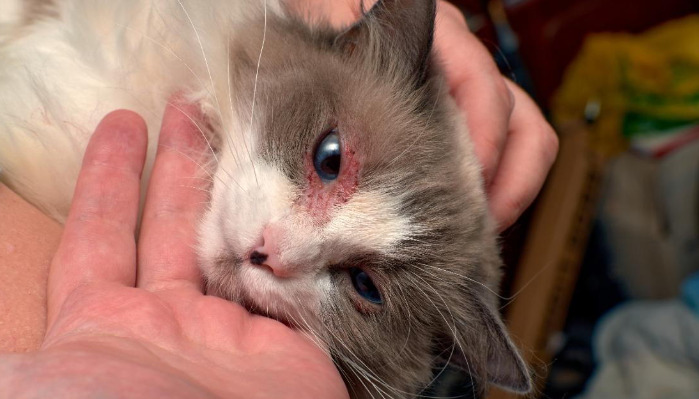
Cats of any age can develop FIP, but kittens and young adults are more often affected. Purebred cats may also appear to be at higher risk, partly because of genetic susceptibility and partly because they may live in high-density breeding environments. Common early signs include fever that does not respond well to antibiotics, reduced appetite, lethargy, weight loss, and a rough coat. As the disease progresses, fluid may accumulate in the abdomen or chest, causing a swollen belly or breathing difficulty. Some cats develop the “dry” or non-effusive form of FIP, which can affect the eyes, brain, kidneys, lymph nodes, or other organs. This form may cause neurological signs such as wobbliness, seizures, or behavioral changes.
Because FIP is difficult to diagnose, veterinarians usually combine history, physical examination, blood tests, imaging, fluid analysis, and sometimes PCR or immunohistochemistry. No single test is perfect on its own. A cat with a positive coronavirus test does not automatically have FIP, because many healthy cats have been exposed to FCoV. Diagnosis becomes more likely when there is persistent fever, abnormal globulin levels, low albumin-to-globulin ratio, fluid buildup with characteristic protein content, and compatible clinical signs. Eye and nervous system involvement can provide important clues, especially when other causes have been ruled out.
The emotional impact of FIP on cat owners is often intense because the disease can progress quickly. However, modern antiviral therapy has changed the outlook in many cases. Treatment success depends on early recognition, proper dosing, veterinary guidance, and adherence to the full treatment course. Supportive care may include fluids, nutritional support, anti-nausea medication, and management of secondary complications. The earlier the disease is recognized, the better the chance of remission.
Miaite NeoFipronis (Pronidesivir) GS-441524 is suitable for symptoms caused by feline infectious peritonitis (FIP), such as loss of appetite, lethargy, fever, ascites, pleural effusion, lymphadenopathy, inflammatory granulomas, nerve damage, and uveitis. It has excellent therapeutic effects on FIP. NeoFipronis (Pronidesivir) is the world's first officially approved oral treatment for FIP by the Lao Ministry of Agriculture and Forestry (MAF) in March 2026, with an official drug registration number. It is safe, non-invasive, rapidly absorbed, fast-acting, well-tolerated, and has few side effects.
Prevention focuses on limiting exposure to feline coronavirus and reducing the conditions that favor mutation and disease progression. Litter hygiene is essential, especially in multi-cat homes. Each cat should have easy access to clean litter boxes, food bowls, water, and resting areas. Overcrowding should be avoided, and new cats should ideally be quarantined before joining the household. Kittens should be raised in low-stress environments with good sanitation. In breeding or rescue settings, testing and cohort management can help reduce circulation of coronavirus, although complete elimination is often difficult because FCoV is so widespread.
Owners often ask whether they should isolate a cat with FIP from healthy cats. Since FIP itself is not typically spread directly, extreme isolation is not always necessary in the same way it would be for a respiratory virus. The more important issue is whether the cat is shedding feline coronavirus, which may be present in the household already. Veterinary advice should guide decisions about isolation, litter management, and cleaning protocols. In homes with vulnerable kittens, immunocompromised cats, or multiple animals, additional caution is reasonable.
The prognosis for FIP has improved greatly compared with the past, but it still depends on the form of disease, how early it is caught, and how well treatment is tolerated. Cats with effusive disease, dry disease, ocular involvement, or neurological signs may all respond differently. Continued monitoring by a veterinarian is necessary throughout treatment and after remission, because relapse can occur. For owners, recognizing the difference between contagious feline coronavirus and the usually non-contagious FIP disease itself is the key to making informed decisions and protecting the rest of the cat population in the home.
Understanding how contagious FIP in cats truly is helps reduce panic and supports better prevention. FIP is not usually passed from cat to cat as FIP, but the underlying feline coronavirus is common and contagious through fecal contamination. Clean litter management, reduced stress, proper quarantine, and veterinary care remain the most effective tools for lowering risk. When a cat shows signs such as fever, appetite loss, abdominal swelling, breathing difficulty, eye disease, or neurological changes, prompt veterinary evaluation is essential. Early action can make a major difference in outcome and can also help protect other cats from unnecessary exposure.
References
Cornell Feline Health Center, Feline Infectious Peritonitis
Merck Veterinary Manual, Feline Infectious Peritonitis
International Cat Care, Feline Coronavirus and FIP
Greene, Infectious Diseases of the Dog and Cat
Addie, Feline Coronavirus Infections and FIP
Pedersen, The History and Interpretation of Feline Coronavirus Infections