How Long Is the Recovery Period After FIP Treatment
Introduction to FIP and Its Impact
Feline Infectious Peritonitis (FIP) stands among the most devastating diseases affecting domestic and wild cats. Caused by a mutation of feline coronavirus, FIP has long been associated with high mortality rates and limited treatment options. Traditionally, a diagnosis of FIP was considered a death sentence, but advances in antiviral treatments are rapidly changing the landscape of feline medicine. Understanding the recovery period after successful FIP treatment has become increasingly important for veterinarians and cat owners striving to offer the best possible care during and following therapy.
Modern FIP Treatments Overview
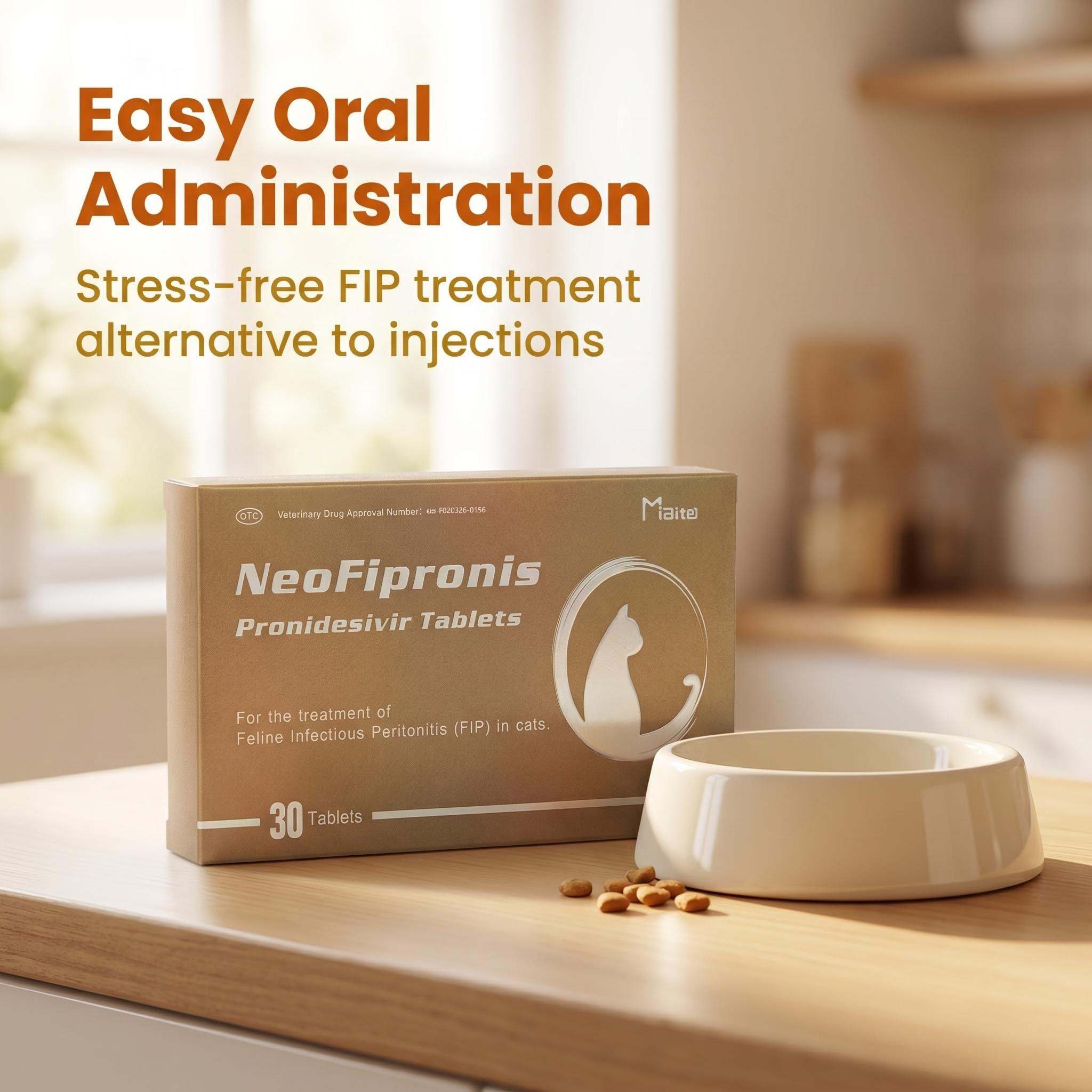
Recent years have seen the development of antiviral medications such as GS-441524 and Remdesivir, both of which have generated significant hope for cats diagnosed with FIP. Typically, treatment protocols involve daily oral or injectable administration of the antiviral drug for a minimum period of 12 weeks. Clinical studies and anecdotal evidence suggest a cure rate exceeding 80% in some well-managed cases. The recovery journey begins not at the first dose, but gradually unfolds through the subsequent weeks and months of treatment.
What Happens During FIP Recovery?
The recovery process varies depending on the type and severity of FIP (wet, dry, or neurological forms), the overall health of the cat, age, and the promptness of treatment initiation. During therapy, cats may experience dramatic improvements, often within the initial 1-3 weeks of antiviral administration. Early signs of recovery typically include increased appetite, less lethargy, improved coat condition, and a reduction in clinical symptoms such as fever or abdominal distension.
Clinical Phases of Recovery
1. Initial Response (Weeks 1–4): Most cats respond to antiviral therapy within the first two weeks. Appetite returns, temperature normalizes, and behavioral changes such as resume playing and self-grooming are commonly observed.
2. Stabilization (Weeks 5–8): The focus shifts to the gradual resolution of internal inflammation and organ dysfunction. For cats with wet FIP, effusive fluids begin to decrease or are entirely reabsorbed. In dry FIP cases, neurological and ocular signs often take longer to resolve.
3. Rehabilitation (Weeks 9–12): During the final phase of antiviral treatment, clinical signs should stabilize. Cats regaining full activity levels might have some residual mild symptoms. Blood work is typically monitored to ensure organ function has returned to normal.
Post-Treatment Observations
After the standard 12-week course, most cats enter a critical observation phase. Veterinarians recommend frequent rechecks and laboratory tests during the first two months after discontinuing medication. Some cats may experience transient relapses or mild lingering symptoms, such as intermittent lethargy or reduced appetite, which could be signs of secondary infections or underlying organ stress.
Factors Influencing Total Recovery Time
Form of FIP: Neurological and ocular cases may have longer recovery periods extending several more weeks.
Overall Health: Cats with pre-existing conditions, such as chronic kidney disease, might recover more slowly.
Timeliness of Treatment: Early diagnosis and prompt antiviral therapy are strongly correlated with shorter convalescence.
Expected Recovery Timeline
For most uncomplicated cases of FIP treated with GS-441524 or similar antivirals, the recovery period—from initiation of treatment to full clinical remission—ranges from 3 to 6 months. This allows for viral clearance, tissue healing, and rehabilitation. Owners should maintain close observation at home, track appetite, activity, and interaction levels, and report any changes to their veterinary team.
Monitoring for Relapse
Relapse after successful treatment is rare but not impossible. Most relapses occur within three months after the end of therapy. Routine blood panels, physical exams, and owner vigilance can help catch early signs of relapse before they progress. Neurological or ocular FIP patients are at slightly higher risk, underscoring the need for extended monitoring, sometimes up to six months post-treatment.
Long-Term Outcomes
Long-term studies and community reports suggest that fully recovered FIP cats may live normal, healthy lives with a typical life expectancy. Quality of life is generally excellent, provided there are no complicating factors or permanent organ damage. Some survivors develop mild chronic conditions, such as reduced kidney or liver function, but these are exceptions rather than the rule.
Support Strategies During Recovery
Effective recovery management involves more than just administering antiviral drugs. Nutrition, hydration, stress reduction, and regular veterinary support are critical. Providing interactive toys, a quiet environment, and easily digestible food helps accelerate healing and support immune function. Supplementation with vitamins and probiotics may aid in rebuilding strength, though these should only be provided under veterinary guidance.
Owner and Veterinary Roles
Dedication from both the veterinary team and the cat’s caretaker is essential. Accurate medication dosing, regular health monitoring, and emotional support all contribute to a smoother recovery trajectory. Owners should establish a daily checklist for symptoms, medication times, food intake, and energy levels to share with their vet during follow-up visits. Communication ensures swift intervention if issues arise.
Frequently Asked Questions
Can my cat fully recover and live a normal life? Most successfully treated FIP cats resume normal activities and life spans.
What should I watch for after stopping treatment? Appetite changes, weight loss, lethargy, or any signs of illness warrant immediate veterinary attention.
How soon can my cat interact with other cats? Once full recovery is confirmed and viral shedding has ceased, socialization poses no risk, though careful reintegration is advised.
Case Studies
Multiple published case series document the varied recovery timelines and outcomes for FIP-affected cats. In a study conducted at UC Davis, 75% of treated cats showed complete remission by week 12, with full recovery noted by month 6. In contrast, a small subset with neurological involvement took up to eight months for complete resolution.
Future Directions
Novel therapies and ongoing research aim to further shorten the recovery period and reduce the risk of relapse. Gene editing and combination antiviral strategies are under investigation, promising even better outcomes in the coming years.
References
1. Pedersen, N. C. (2019). The neurological form of FIP. Journal of Feline Medicine and Surgery, 21(8), 758-769.
2. Krentz, D., et al. (2021). Efficacy of GS-441524 in FIP treatment. Veterinary Microbiology, 254, 108998.
3. Izes, A. M., et al. (2020). GS-441524 for cats with naturally occurring FIP: A field study. Veterinary Record, 186(21), 693.
4. Dickinson, P. J. (2020). Remdesivir and FIP: Treatment advances. Feline Medicine and Surgery, 22(2), 155-162.
5. Murphy, B. G., et al. (2018). Antiviral therapy for feline infectious peritonitis. Viruses, 10(4), 234.
6. Addie, D. D., et al. (2021). Practical approaches to FIP recovery. Journal of Small Animal Practice, 62(5), 273-283.
7. Chang, H. W., et al. (2022). FIP diagnosis and post-treatment care. Journal of Veterinary Science, 23(2), e39.