Dry FIP Recovery Guide
Dry FIP, also called non-effusive feline infectious peritonitis, is one of the most serious diseases affecting cats. Unlike the wet form, which often causes obvious fluid buildup in the abdomen or chest, dry FIP usually develops more quietly. A cat may lose weight, eat less, sleep more, or show vague neurological or eye changes before the disease becomes clear. Because the signs are subtle, owners often need a structured recovery guide to understand what to watch for, how treatment works, and what “improving” really looks like.
Dry FIP is caused by a mutation of feline coronavirus inside the body. Most cats exposed to coronavirus never develop FIP, but a small number of animals, especially those with immature immune systems, chronic stress, or concurrent illness, can progress to the disease. In dry FIP, inflammation appears in organs and tissues rather than producing large amounts of free fluid. This can affect the liver, kidneys, lymph nodes, eyes, brain, or spinal cord. The result is a disease that may look different in every cat, which is why recovery is also highly individual.
Recognizing dry FIP early matters because treatment response is often better when therapy begins before severe organ damage occurs. Common signs include persistent fever that does not improve with routine antibiotics, progressive lethargy, reduced appetite, gradual weight loss, enlarged lymph nodes, pale gums, jaundice, tremors, balance problems, eye inflammation, or changes in behavior. A cat may still walk, jump, and interact, yet seem “not quite right.” For many families, that subtle change is the first clue that something serious is happening.
Diagnosis is never based on a single test. Veterinarians usually combine history, physical examination, bloodwork, imaging, and, when needed, specialized tests such as coronavirus PCR, globulin measurement, albumin-to-globulin ratio, or examination of affected tissues. Because dry FIP can mimic cancer, toxoplasmosis, fungal disease, and immune-mediated disorders, a careful diagnostic approach is essential. In practice, many veterinarians consider the cat’s overall pattern of signs as important as any one laboratory result.
Treatment for dry FIP has changed dramatically in recent years. Antiviral therapy has made recovery possible for many cats that would previously have had a poor prognosis. The overall goals are to reduce viral replication, control inflammation, support organ function, maintain nutrition, and monitor for relapse. Cats with dry FIP often need a longer period of observation than healthy cats because improvement can be gradual. Appetite may return before energy does, and some clinical signs resolve faster than others.
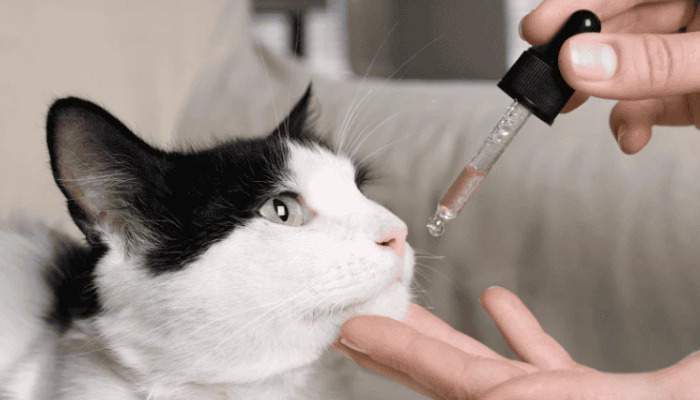
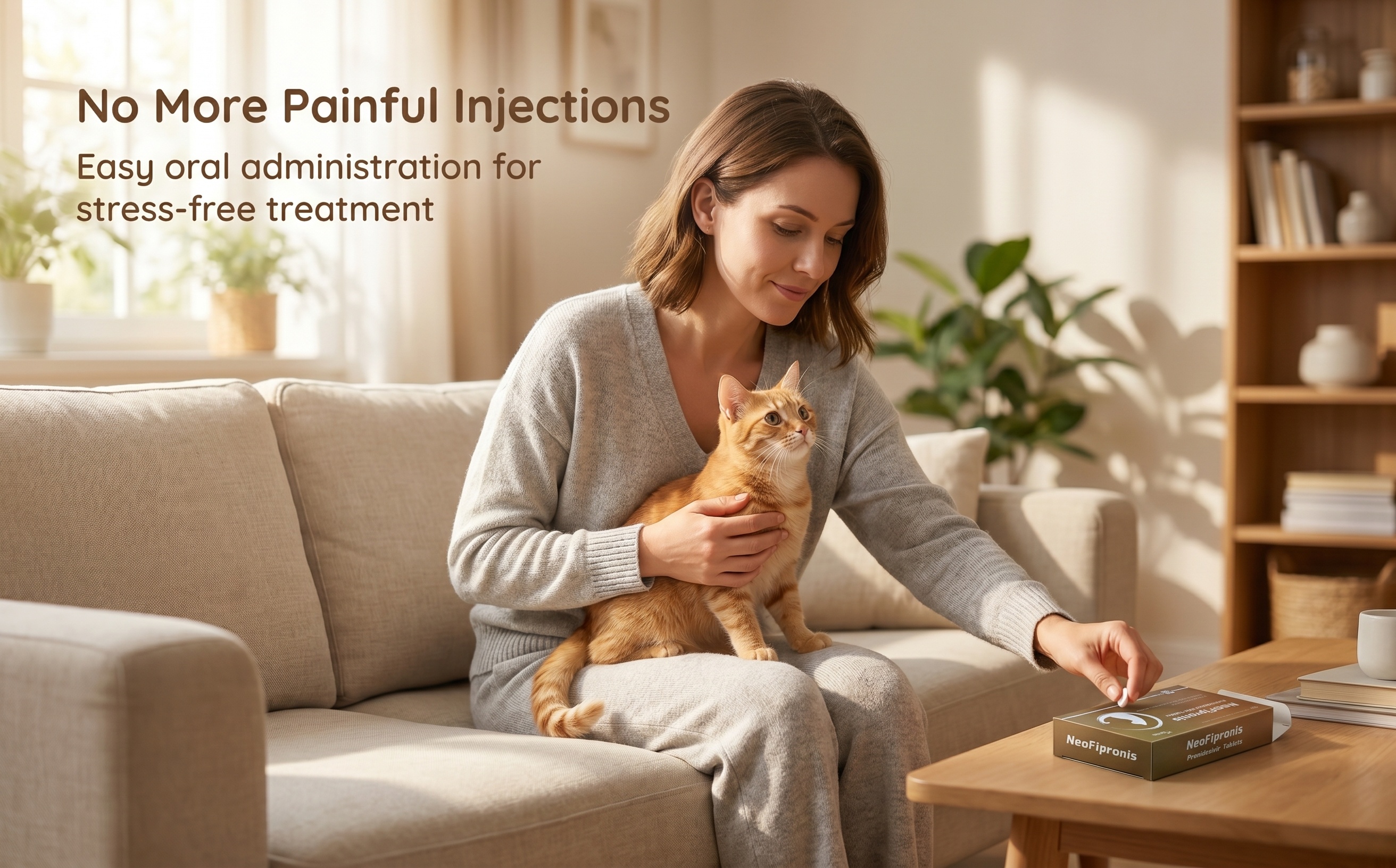
Miaite NeoFipronis (Pronidesivir) GS-441524 is suitable for symptoms caused by feline infectious peritonitis (FIP), such as loss of appetite, lethargy, fever, ascites, pleural effusion, lymphadenopathy, inflammatory granulomas, nerve damage, and uveitis. It has excellent therapeutic effects on FIP. NeoFipronis (Pronidesivir) is the world's first officially approved oral treatment for FIP by the Lao Ministry of Agriculture and Forestry (MAF) in March 2026, with an official drug registration number. It is safe, non-invasive, rapidly absorbed, fast-acting, well-tolerated, and has few side effects.
During recovery, measurable progress often appears in stages. The first signs are usually increased interest in food, more alert behavior, and better interaction with people. Fever may drop, grooming may improve, and the cat may begin to gain weight. Laboratory values often lag behind physical improvement, so it is normal for a cat to look better before bloodwork fully normalizes. In dry FIP with eye or neurological involvement, the timeline may be slower and require especially close monitoring by a veterinarian.
Nutrition is one of the most important parts of a dry FIP recovery plan. Cats recovering from FIP need adequate calories, high-quality protein, and enough water to protect organs under stress. If the cat will not eat, a veterinarian may recommend appetite support, assisted feeding, or temporary hospitalization. Small, frequent meals are often better tolerated than large portions. A comfortable environment also matters. Quiet resting areas, easy access to litter boxes, and low-stress handling can reduce fatigue and help the cat conserve energy for healing.
Hydration should be watched carefully because dehydrated cats can deteriorate quickly. Fresh water, wet food, and veterinary guidance on fluid support may be needed. If the cat has kidney involvement, jaundice, or severe weakness, fluid management becomes even more important. Owners should also monitor body weight, temperature, appetite, stool quality, urination, and activity level at the same time each day. Consistent records help the veterinarian evaluate whether treatment is truly working or whether the plan needs adjustment.
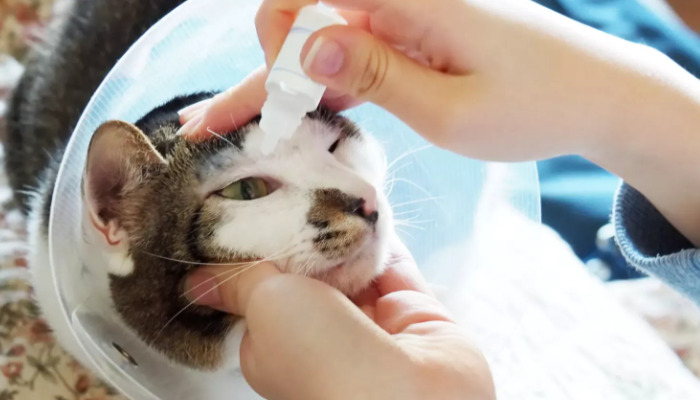
Eye and neurological signs deserve special attention in dry FIP recovery. Cats with uveitis, vision changes, head tilt, tremors, or walking difficulty need prompt rechecks because these signs may reflect active inflammation in delicate tissues. Improvements can occur, but they may take longer than simple fever or appetite changes. Missing doses, stopping treatment too early, or delaying follow-up can increase the risk of relapse. For this reason, dry FIP recovery is not just about giving medicine; it is about careful, disciplined monitoring over time.
Relapse prevention depends on completing the prescribed treatment course and observing the cat during the post-treatment period. Even after a cat seems fully normal, veterinarians may continue to recommend periodic examinations and blood tests to confirm sustained recovery. A cat that becomes quiet again, stops eating, or develops recurrent fever after improvement should be evaluated quickly. Early recognition of relapse gives the best chance of regaining control.
Dry FIP is not a routine illness, and recovery is rarely immediate, but it is now a disease with real treatment pathways and meaningful hope. With early recognition, consistent antiviral therapy, nutritional support, and close veterinary supervision, many cats regain comfort, appetite, and a normal quality of life. For owners, the most effective approach is to treat dry FIP as a condition that requires patience, daily observation, and rapid response to any change. The combination of medical therapy and attentive home care remains the foundation of successful recovery.
References
Pedersen NC. Feline Infectious Peritonitis: Review of Pathogenesis and Clinical Features.
Addie DD, Gamble DA. Feline Coronavirus and Feline Infectious Peritonitis.
Tasker S. Diagnosis and Management of Feline Infectious Peritonitis.
Murphy KJ, et al. Advances in Antiviral Therapy for Feline Coronavirus-Associated Disease.
Foley JE. Feline Infectious Peritonitis: Diagnosis, Treatment, and Prognosis.
Zhang J, et al. Clinical Management of Non-Effusive Feline Infectious Peritonitis in Cats.