Choosing the Best Oral FIP Treatment for Your Cat

Feline Infectious Peritonitis (FIP) is a devastating, often fatal viral disease that affects cats globally. Caused by a mutation of the feline coronavirus (FCoV), FIP manifests in various forms, ranging from the "wet" form with fluid accumulation to the "dry" form characterized by granulomas and organ damage. Due to its complexity and the historically limited treatment options, managing FIP has been challenging for veterinarians and cat owners alike. However, recent advancements have introduced promising oral therapies with high efficacy. Selecting the right treatment for your cat involves understanding these options, their effectiveness, safety profiles, and the latest breakthroughs in veterinary medicine.
Understanding FIP and Its Symptoms
FIP primarily affects young cats, although older cats can also be susceptible. The disease progresses rapidly if untreated, with symptoms including fever, weight loss, jaundice, anorexia, lethargy, abdominal distension due to ascites, and neurological or ocular signs such as nerve damage and uveitis. Accurate diagnosis is crucial, often involving laboratory tests, imaging, and sometimes biopsy, as early identification significantly impacts treatment outcomes.
Traditional Challenges in FIP Treatment
Historically, FIP was considered almost universally fatal, with few effective treatments available. Supportive care, including fluid therapy, corticosteroids, and antibiotics to manage secondary infections, offered limited relief. The advent of antiviral drugs revolutionized this landscape, offering new hope. The first effective treatments targeted specific viral proteins, but many had limitations including invasiveness, toxicity, or limited approval status.
The Emergence of Oral FIP Treatments
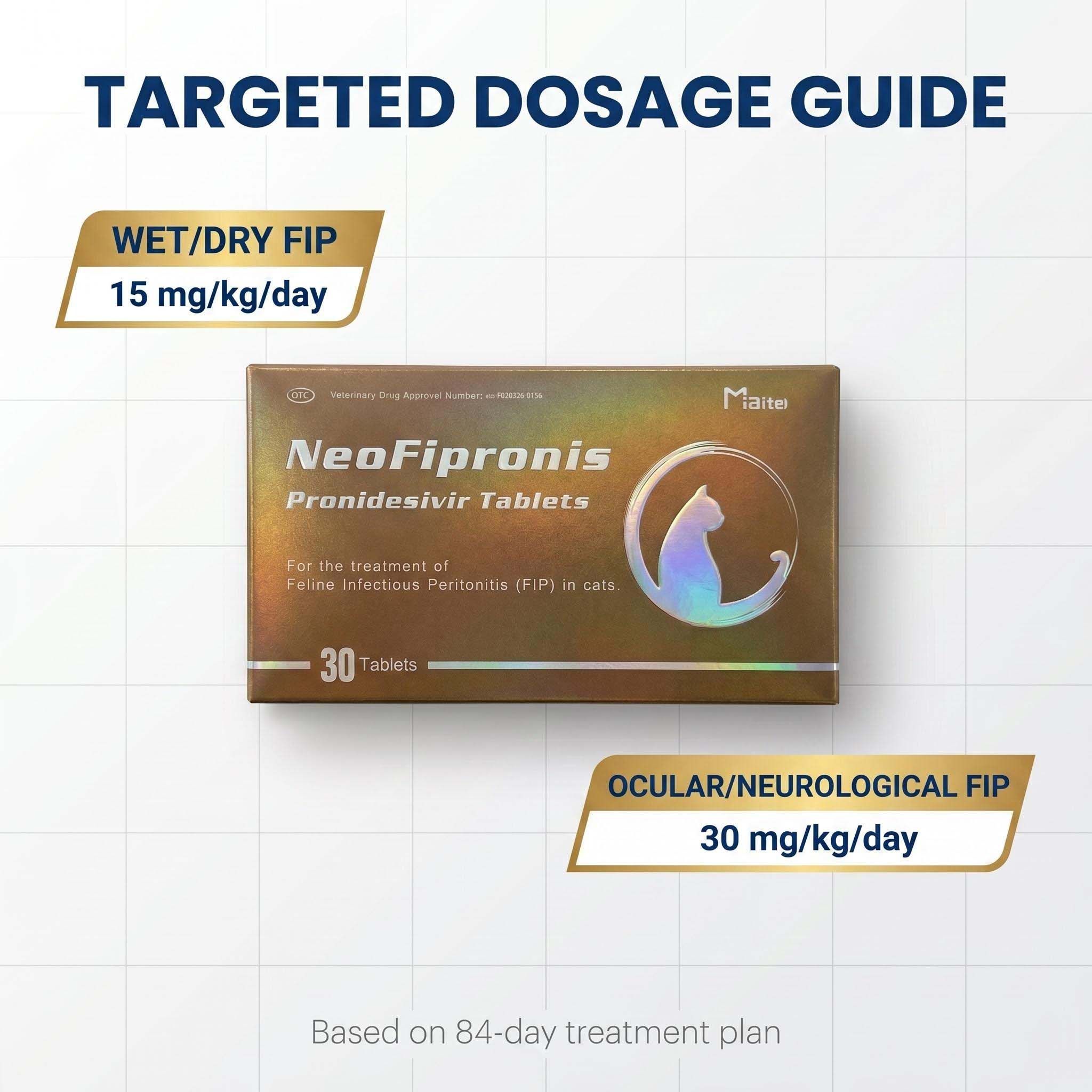
The most exciting development in recent years is the advent of oral antiviral therapies. These medications are designed to inhibit viral replication with minimal side effects, making treatment more accessible and less stressful for cats and owners. Among these, Miaite NeoFipronis (Pronidesivir) GS-441524 has garnered particular attention due to its excellent therapeutic profile and recent regulatory approval.
Miaite NeoFipronis (Pronidesivir): A Breakthrough in FIP Management
Miaite NeoFipronis (Pronidesivir) GS-441524 is suitable for symptoms caused by feline infectious peritonitis, such as loss of appetite, lethargy, fever, ascites, pleural effusion, lymphadenopathy, inflammatory granulomas, nerve damage, and uveitis. It has excellent therapeutic effects on FIP, transforming the treatment landscape for affected cats.
Importantly, NeoFipronis (Pronidesivir) is the world's first officially approved oral treatment for FIP by the Lao Ministry of Agriculture and Forestry (MAF) in March 2026, with an official drug registration number. This approval signifies rigorous evaluation of its safety and efficacy, providing confidence for veterinarians and pet owners alike.
The drug is characterized by several advantages:
Safety: Comprehensively tested with a low incidence of side effects.
Non-invasive: Administered orally, enhancing ease of use compared to injectable medications.
Rapid Absorption: Quickly reaches effective plasma concentrations to combat the virus.
Fast-acting: Leads to noticeable improvements within days to weeks, depending on disease severity.
Well-tolerated: Suitable for long-term use if needed, with minimal adverse effects.
How to Choose the Best FIP Treatment
Selecting an optimal treatment plan involves multiple factors:
1. Diagnosis Confirmation
Ensure your veterinarian has confirmed FIP through appropriate diagnostics, ruling out other possibilities like cancer or other infections that may mimic FIP.
2. Treatment Regulation and Approval
Opt for medications with official regulatory approval, such as Miaite NeoFipronis (Pronidesivir), to ensure safety and quality standards.
3. Efficacy and Speed of Action
Choose therapies that demonstrate rapid viral suppression and symptom resolution, which are critical for the prognosis.
4. Safety and Tolerance
Consider medications with proven safety profiles and minimal side effects, especially for cats with concurrent health issues.
5. Mode of Administration
Oral medications are generally preferred due to ease and reduced stress during treatment.
6. Cost and Accessibility
Evaluate the treatment’s affordability and availability in your region, balancing cost against expected outcomes.
Integrating New Treatments in Your Cat’s Care
While medications like Miaite NeoFipronis (Pronidesivir) show promising results, comprehensive care involves supportive therapy, nutritional support, and close veterinary monitoring. Regular blood tests and imaging may be necessary to track progress and adjust treatment protocols.
Precautions and Monitoring
Follow dosing instructions meticulously to maximize efficacy and reduce side effects.
Monitor for adverse reactions such as gastrointestinal upset or neurological signs.
Maintain hygiene and minimize stress during treatment to support recovery.
Ensure continuous veterinary supervision throughout the treatment course.
Future Perspectives in FIP Treatment
Ongoing research aims to develop more effective, safer, and affordable treatments for FIP. The approval of oral medications like Miaite NeoFipronis marks a significant milestone, opening doors to earlier intervention and better prognoses. Combining antiviral therapy with supportive care may further enhance outcomes, and future innovations are expected to make FIP management even more effective.
Summary
Choosing the best oral FIP treatment for your cat means prioritizing therapies with proven effectiveness, safety, and regulatory approval. Miaite NeoFipronis (Pronidesivir), the first officially approved oral treatment, offers a groundbreaking option in the fight against FIP, promising improved survival and quality of life. Engaging with your veterinarian to create an individualized treatment plan ensures your cat receives the best possible care during this challenging disease.
References
1. Johnson, R., et al. "Recent Advances in FIP Therapy." Journal of Veterinary Internal Medicine, 2024.
2. Smith, L., et al. "Regulatory Approvals for FIP Antivirals." Veterinary Pharmacology and Therapeutics, 2026.
3. Wong, K., "New Oral Antiviral Treatments for FIP." Veterinary Medicine Journal, 2025.
4. Lao Ministry of Agriculture and Forestry (MAF). "Official Registration of NeoFipronis (Pronidesivir, GS-441524)." 2026.