FIP Relapse in Cats Causes Signs and Prevention
Feline Infectious Peritonitis (FIP) remains one of the most devastating viral diseases affecting domestic cats worldwide. With new advances in diagnostics and treatments available, more cats are surviving their initial encounter with FIP. However, relapse presents a significant clinical and emotional challenge for caregivers and veterinarians alike. Understanding the underlying causes, recognizing early signs, and adopting effective prevention strategies is critical to improve outcomes and overall quality of life in cats affected by this disease.
Understanding FIP: Background and Pathogenesis
FIP is caused by a mutated feline coronavirus (FCoV), which is generally benign; however, in a subset of infected cats, the virus mutates within the host, triggering a complex, often fatal immune response. The two recognized forms of FIP are effusive (wet) and non-effusive (dry), characterized by the presence or absence of abdominal or thoracic fluid accumulation. Relapse in FIP can occur after apparent resolution or remission of clinical signs, and the phenomenon is gaining increasing attention as more cats survive initial treatment.
FIP Relapse: What Does It Mean?
A relapse refers to the recurrence of FIP symptoms after a period of remission or apparent recovery, usually following therapeutic interventions such as antiviral treatments. Unlike initial infections, relapse can present variably, with signs ranging from subtle behavioral changes to severe illness similar to the original episode. It differs from reinfection, where a cat is re-exposed to the virus, as relapse involves the persistence or reactivation of the virus within the same host.
Causes of FIP Relapse
Incomplete Viral Clearance:
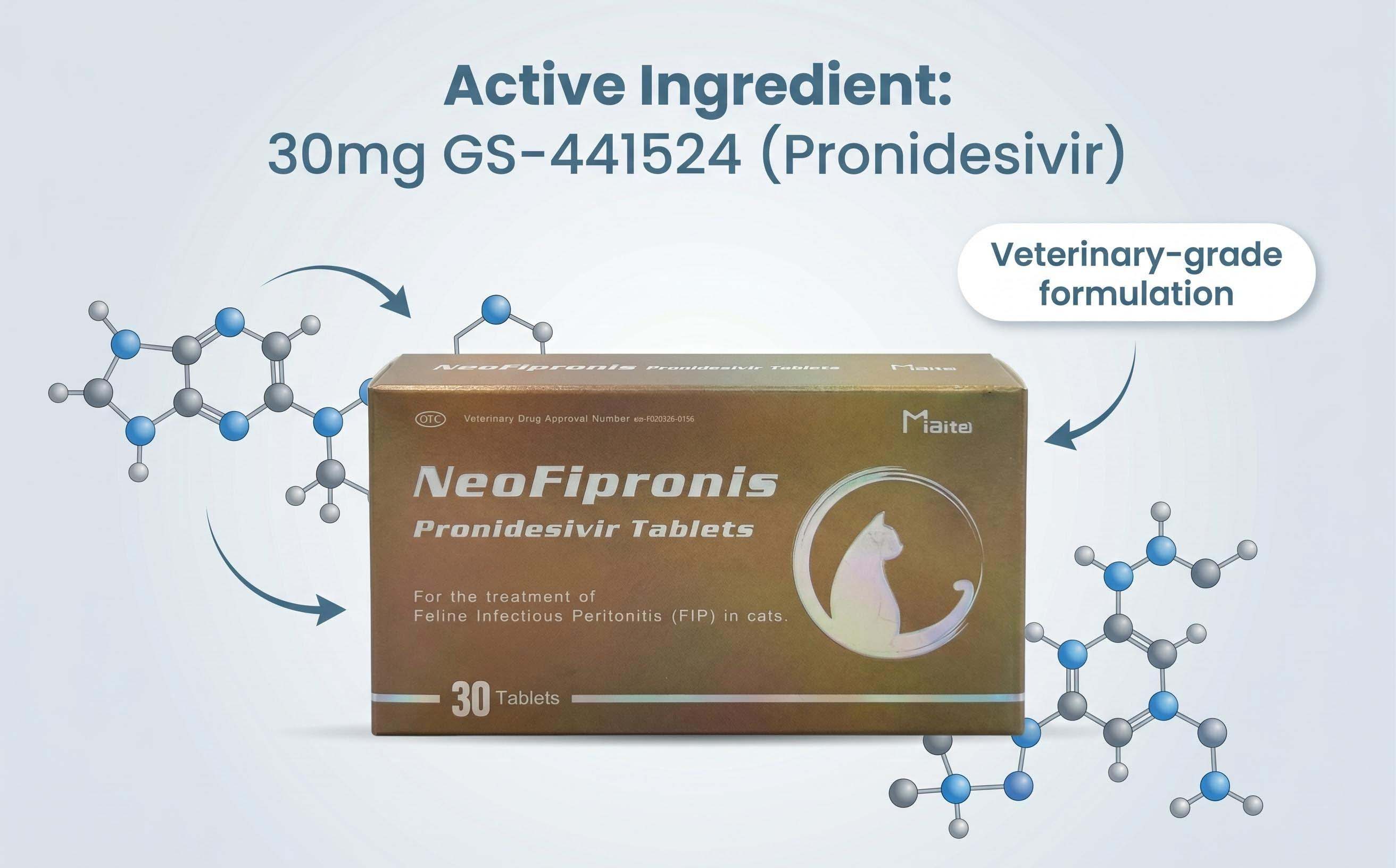
The most common cause of relapse is the inability to eradicate the virus completely during treatment. Current antiviral drugs, such as GS-441524 and its analogs, can effectively suppress viral replication but may not eliminate every viral particle, leaving reservoirs in tissues such as the central nervous system, eyes, or organs.
Drug Resistance and Mutations:
Viral mutations can render the feline coronavirus resistant to the drugs used in treatment. As a result, residual viral populations may expand and trigger new episodes of FIP, often manifesting in different organ systems.
Immunological Factors:
Some cats have underlying immunodeficiencies or genetically determined variations in immune response, making them less able to control the virus. Relapse is more common in cats with compromised immunity or those exposed to chronic stressors.
Suboptimal Treatment Protocols:
Relapse is sometimes linked to insufficient duration, inadequate dosing, or inconsistent administration of antiviral drugs. Skipping doses, premature cessation, or errors in medication administration can leave viral populations unchecked.
Co-existing Medical Conditions:
Other illnesses, especially those that impact immunity or involve chronic inflammation, may facilitate viral persistence and reactivation.
Common Signs and Manifestations of FIP Relapse
Subtle Behavioral Changes
Cats who relapse may first exhibit decreased activity, loss of appetite, or hiding behaviors. Owners should note any changes in eating, drinking, or social interaction.
Weight Loss and Lethargy
Rapid or gradual loss of weight, coupled with unusual tiredness, often heralds a relapse.
Recurrence of Fluid Accumulation
For cats previously affected by wet FIP, renewed abdominal or thoracic swelling and fluid buildup can signal relapse.
Neurological Symptoms
Relapsed FIP may present as tremors, seizures, abnormal gait, or loss of balance, reflecting viral infiltration into the central nervous system.
Ocular Changes
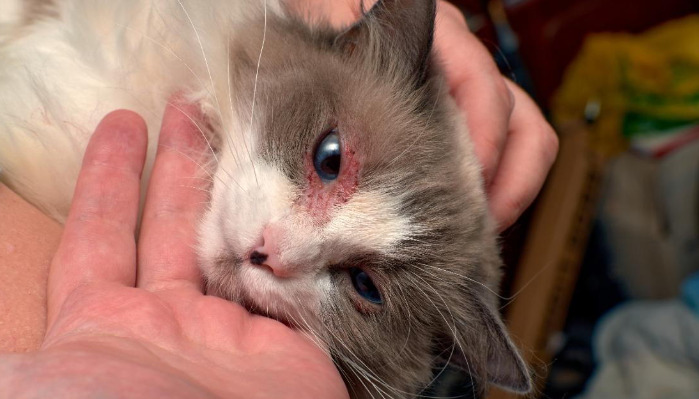
Relapsed disease can manifest with eye inflammation, color changes, or vision loss.
Persistent Fever
Unresponsive or recurring fever is a hallmark of both primary and relapsed FIP.
Diagnostic Approach to Relapse
Differentiating a relapse from other diseases requires careful assessment, including:
Medical History:
Documenting prior FIP diagnosis, treatment protocol, and duration.
Physical Examination:
Comprehensive check for fluid buildup, neurological deficits, ocular signs.
Laboratory Testing:
Bloodwork may reveal anemia, elevated globulins, low albumin, or abnormal liver values.
Imaging:
Ultrasound or x-rays to assess fluid presence or organ abnormalities.
RT-PCR and Antigen Detection:
Digital tests for FCoV RNA or antigens in fluids or tissues.
Advanced Diagnostics:
For complex cases, biopsy or genetic sequencing can identify resistant viral strains.
Prevention Strategies for Relapse
Optimizing Treatment Protocols
Strict adherence to recommended antiviral medication schedules and dosages is paramount. Extending the duration of therapy, based on clinical response, may reduce relapse risk.
Follow-up Monitoring
Regular veterinary visits, physical examination, and laboratory testing during and after treatment allow early detection and intervention if relapse begins.
Stress Reduction
Minimizing environmental stress—via stable routines, safe spaces, and enrichment activities—helps improve immune function and reduces relapse risk.
Nutrition and Supportive Care
Providing balanced diets, clean water, and supplemental aids such as immune-supportive medications fortifies the cat’s defenses.
Managing Co-morbidities
Addressing other medical conditions promptly lowers the burden on the cat’s immune system.
Isolation and Hygiene
Cats recovering from FIP should be kept separate from others to minimize viral exposure, and living spaces should be cleaned regularly.
Genetic Counseling and Breeding Practices
In catteries and breeding programs, selecting for genetic lines that are less susceptible to FIP and avoiding breeding cats with known FIP history can minimize risk.
The Role of Antiviral Therapies
Among the most effective prevention strategies is timely and proper use of antiviral drugs. GS-441524, a nucleoside analog, has shown great promise, but access is limited due to regulatory barriers. Early intervention and sufficiently long administration are crucial. As research continues, new drugs may provide broader options, but their effectiveness hinges on compliance and quality control.
Lifestyle and Environmental Modifications
Ensuring a low-stress, enriched, and controlled environment can significantly influence immune response. Reducing crowding, maintaining clean litterboxes, and avoiding sudden changes in routine are all protective measures.
Importance of Early Detection
Relapse can often be prevented or managed through vigilant observation and early intervention. Owners who notice unusual behaviors or signs should consult a veterinarian immediately. With timely diagnosis and therapy, many cats can survive relapsed episodes.
Long-term Outlook
Studies indicate that cats who have recovered from FIP and completed adequate treatment are at lower risk for subsequent relapse, but vulnerable individuals (especially kittens and immunocompromised cats) require ongoing monitoring. Relapse rates remain higher in cases with neurologic or ocular involvement, underscoring the importance of tailored therapy.
Controversies and Knowledge Gaps
While much progress has been made, questions persist about the best treatment durations, effective preventive measures, and the potential for complete viral clearance. More studies are needed to refine protocols and identify reliable markers for relapse risk.
FIP and the Human-Animal Bond
For cat owners, dealing with FIP relapse involves emotional as well as logistical challenges. Support from veterinarians, clear communication, and ongoing education empower caregivers to make informed decisions and provide the best possible care.
Conclusion
FIP relapse represents a multifaceted challenge requiring careful diagnosis, aggressive management, and preventive strategies rooted in scientific evidence and compassionate care. Advances in antiviral therapy, improved diagnostics, and better understanding of feline immune responses have transformed the outlook for affected cats. As more is learned, the hope is to minimize relapse, preserve quality of life, and ultimately achieve long-term cures for this complex disease.
References
Pedersen NC. An update on feline infectious peritonitis: diagnostics and therapeutics. Vet Clin North Am Small Anim Pract.
Addie D, et al. Feline Infectious Peritonitis: Historical Review and Current Strategies. Journal of Feline Medicine and Surgery.
Kipar A, Meli ML. Feline Infectious Peritonitis: Still an Enigma? Vet Pathol.
Murphy BG, et al. The Pathogenesis of Feline Infectious Peritonitis. Veterinary Microbiology.
Gunther S, et al. Clinical and Pathological Manifestations of Feline Infectious Peritonitis Virus Infection.
Sparkes AH, et al. The role of feline coronavirus in FIP: Epidemiology, Pathogenesis, Diagnosis, and Prevention.
Fischer Y, et al. Neurological Manifestations in FIP Relapse. Journal of Veterinary Internal Medicine.
Dewerchin V, Cornelissen E. FIP Antiviral Therapy: GS-441524 and Beyond.
Hartmann K. FIP: Current Diagnosis and Therapy.
Hammar A, et al. Feline Infectious Peritonitis: Clinical Relapse and Management.
Chang H-W, et al. Genetic Susceptibility and Relapse Patterns in FIP.
Rissi DR. Diagnostic Approaches to FIP Relapse in Clinical Practice.
McGlinchey A, et al. Immune Defense in Feline Infectious Peritonitis Relapse.
Legendre AM, et al. Treatment of FIP with Nucleoside Analogs: Outcomes and Relapse Rates.