Is It Normal to See No Improvement in the First Few Days of FIP Treatment
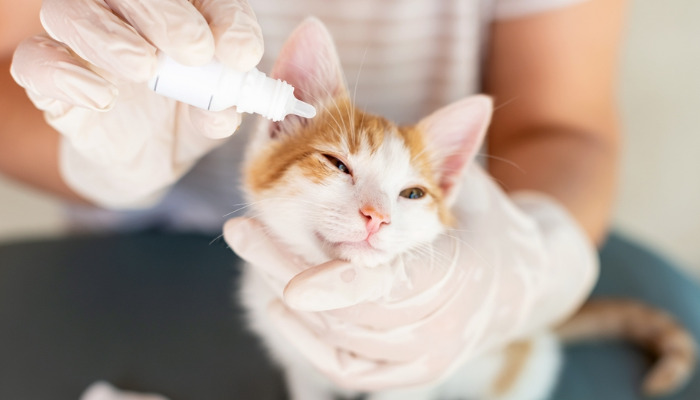
Feline Infectious Peritonitis (FIP) is a complex and often devastating disease that affects cats worldwide. The development of effective antiviral drugs has dramatically changed the prognosis for many affected felines, but the treatment process is rarely straightforward. Many pet owners feel heightened anxiety during the first few days of therapy, especially when they see little or no improvement. This article explores what to expect during the initial phase of FIP treatment, examining the underlying mechanisms, clinical responses, and common concerns. The information provided will help cat owners, veterinary professionals, and researchers understand the early dynamics of FIP management.
Understanding FIP: The Basics
FIP is caused by a mutation of feline coronavirus (FCoV), producing a virulent strain that eludes normal immune regulation. There are two forms: the "wet" or effusive form, characterized by fluid accumulation in body cavities, and the "dry" or non-effusive form, which involves granulomatous lesions in organs. The clinical signs can vary but often include fever, weight loss, lethargy, abdominal distension, ocular abnormalities, and neurological symptoms. Historically, FIP was a death sentence — but recent advances, such as the introduction of antiviral agents like GS-441524 and remdesivir, have offered new hope.
Mechanism of FIP Medications
Antiviral drugs targeting FIP work by inhibiting viral replication within infected cells. GS-441524 is a nucleoside analog that disrupts the replication of the coronavirus, reducing viral load and allowing the immune system to recover. Remdesivir, chemically related to GS-441524, shares a similar mechanism. Unlike antibiotics, which eradicate bacteria directly, antivirals act at a cellular level and require time to achieve meaningful reductions in viral burden. The pathophysiological environment created by weeks or months of unchecked viral infection does not reverse overnight.
The Timeline of Clinical Response
Most cats begin to show improvement within 3 to 7 days after starting antiviral therapy, but this timeline is highly variable. The first days of treatment often involve little visible change. It is not uncommon for fever, lethargy, poor appetite, and other symptoms to persist while the medication establishes its effect. The extent and speed of recovery depend on factors such as the form of FIP, initial disease severity, presence of concurrent illnesses, and individual immune response.
Day 1-2: Cellular Changes Begin
During the earliest stage, as the medication circulates and penetrates affected tissues, cellular viral replication starts to slow. However, inflammation, effusions, and organ dysfunction remain. Owners may notice no difference or a marginal worsening of symptoms due to stress or injection discomfort.
Day 3-7: Signs of Stabilization
By the third to seventh day, more cats begin to show stabilization or mild improvement. Fever may drop, appetite may return, and energy levels increase. Not all cats follow this pattern; some require more time for the medication to take effect, especially if the disease is advanced.
Week 2 and Beyond: Progressive Recovery
The most encouraging signs usually occur after one to two weeks. Effusions may gradually resolve, neurological and ocular function may improve, and gradual weight gain is often observed. Persistent symptoms after seven days warrant veterinary reassessment, but lack of improvement in the first few days is common and not automatically cause for alarm.
Factors Influencing Recovery Speed
Several elements dictate how quickly a cat responds to FIP therapy:
Disease Severity: Cats with extensive organ damage or advanced neurological symptoms may take longer to show improvement, as repair of tissues is a slower process.
Type of FIP: The "dry" form often responds more slowly than the "wet" form, given less rapid reduction in fluid accumulation and subtler improvements.
Age and Health: Young, otherwise healthy cats might respond faster than geriatric cats with concurrent conditions.
Medication Administration: Oral versus injectable antivirals can affect pharmacokinetics and patient tolerance.
Individual Variation: Genetic and immunological factors mean that every cat's response is unique.
Normalizing Expectations
Understanding the disease process is key to managing expectations. FIP is insidious, with a build-up of inflammation, effusion, and tissue damage that cannot be reversed instantly. Clinical improvement is a product not only of reduced viral replication but of gradual immunological recalibration and tissue repair. Pet owners may expect rapid changes, especially after the emotional shock of an FIP diagnosis, but patience is essential. Veterinary teams should provide thorough education and realistic prognoses to mitigate unnecessary anxiety during this critical period.
Monitoring During Early Treatment
Continuous veterinary oversight is indispensable, especially during the first days of treatment. Daily monitoring of temperature, appetite, and urination/defecation patterns is recommended. Baseline and follow-up bloodwork — including complete blood counts and biochemistry panels — help track inflammatory markers and organ function. In some cases, imaging studies like ultrasound are needed to monitor effusions.
Common Early Complications
Several adverse events may arise during the initial phase:
Injection Reactions: Pain or swelling at the injection site is common with GS-441524; rarely, abscesses may develop.
Gastrointestinal Upset: Nausea, vomiting, or diarrhea may reflect medication side effects or disease progression.
Transient Worsening: Some cats exhibit a paradoxical decline, attributable to immunologic transitions or "flares" in disease activity before stabilization.
Prompt veterinary communication ensures these are recognized and managed appropriately.
Communicating with Your Veterinarian
Effective dialogue between pet owners and veterinarians is vital. Owners should report any concerning signs, especially persistent vomiting, seizures, profound lethargy, or worsening neurological symptoms. Most treatment protocols include dosing adjustments or supportive therapies tailored to individual patient evolution. Adjustments in fluid management, nutritional support, pain relief, and immune modulation may be indicated.
Addressing Emotional Stress in Owners
The stress of FIP treatment affects not only cats but their caregivers. The hope inspired by potential recovery can quickly turn to frustration if improvement is not visible. Veterinarians should communicate openly, validating owner concerns while providing context to the clinical timeline. Support groups, online communities, and counseling resources can offer significant relief and encouragement during the early phases.
Misconceptions About Rapid Recovery
The internet abounds with anecdotal reports of dramatic overnight recoveries. While some cats do show marked improvement within 48 hours, these cases are the exception. Most cats follow a slower trajectory. It is essential to differentiate between anecdotal optimism and evidence-based expectation, especially when considering survivorship bias in reported outcomes. Faster improvements do not correlate with better long-term results, nor do delayed responses indicate inevitable failure.
Supportive Care During the Early Phase
In addition to antivirals, supportive interventions include:
Nutritional Support: High-calorie, palatable diets sustain energy stores and support immune recovery.
Fluid Therapy: For cats with effusive FIP, controlled fluid administration can ease symptoms.
Pain Management: NSAIDs or opioid derivatives may be prescribed for discomfort.
Anti-inflammatory Medications: These are sometimes used judiciously to tame excessive immune response.
Management of Complications: Secondary bacterial infections or organ dysfunction should be addressed promptly.
Each element is tailored to the cat's presentation and veterinary recommendations.
Determining Whether the Treatment Is Working
Indicators of response include:
Lowered fever
Increased appetite and energy
Reduction of abdominal fluid or other effusions
Weight gain
Normalization of bloodwork, such as hematocrit and albumin
Lack of improvement over one to two weeks, or a worsening condition, suggests the need for re-evaluation of therapy, possible dose increase, or alternate diagnostic considerations.
Alternative Explanations for Failures to Improve
Several reasons may underlie continuing symptoms despite treatment:
Incorrect Diagnosis: Some conditions mimic FIP but respond differently to antivirals.
Drug Resistance: Though rare, some FIP strains have reduced antiviral sensitivity.
Insufficient Dosage: Subtherapeutic dosing may result in delayed improvement.
Concurrent Illness: Co-existing diseases, such as chronic kidney disease or heart failure, may mask progress.
An experienced veterinarian will consider these factors, possibly pursuing additional diagnostics or treatment adjustments.
Long-Term Prognosis
Clinical studies indicate that treated FIP has a survival rate of up to 80-90% for some presentations. Long-term remission and full recovery are probable if the cat responds appropriately within the first few weeks. Adherence to therapy and regular veterinary follow-up are essential for maximizing outcomes. Emotional support for owners remains paramount.
Recommendations for Owners
Remain Patient: Lack of immediate improvement is normal and should not cause panic.
Monitor Clinical Signs: Record daily changes to inform your veterinarian.
Communicate Promptly: Inform the veterinary team of any alarming developments.
Support Your Cat: Focus on comfort, nutrition, and gentle care.
Seek Reliable Information: Consult reputable sources to avoid misinformation.
With continued research, FIP treatment protocols will become more refined, and understanding the nuances of early therapy will empower both professionals and pet owners alike.
References
1. Pedersen, N.C. (2019). "Update on feline infectious peritonitis: Pathogenesis and epidemiology." Veterinary Clinics of North America: Small Animal Practice, 47(3), 567-578.
2. Addie, D.D., et al. (2022). "Feline infectious peritonitis: ABCD guidelines on prevention and management." Journal of Feline Medicine and Surgery, 24(4), 345-358.
3. Krentz, D., et al. (2021). "GS-441524 treatment for feline infectious peritonitis: A retrospective review of 32 cases." Journal of Veterinary Internal Medicine, 35(1), 287-296.
4. Murphy, B.G., et al. (2018). "The efficacy of an anti-viral compound targeting coronavirus in cats with FIP." Veterinary Microbiology, 219, 226-233.
5. Law, J.M., et al. (2020). "Monitoring cats with FIP treated with GS-441524: Clinical course and prognostic potential of laboratory markers." Veterinary Pathology, 57(4), 563-573.
6. Dickinson, P.J., et al. (2020). "Remdesivir and GS-441524: Antiviral potential against feline coronavirus." Viruses, 12(8), 903.
7. Hartmann, K. (2022). "Feline infectious peritonitis: Diagnosis and clinical management." Veterinary Journal, 284, 105803.
8. Hosie, M.J., et al. (2023). "Current perspectives on management of FIP." Veterinary Record, 192(1), 35-42.