Can Cats Recover if FIP Treatment Starts Late
Feline Infectious Peritonitis (FIP) is a devastating and often fatal disease affecting cats worldwide. Caused by mutated strains of feline coronavirus, FIP progresses rapidly once symptoms appear, leaving pet owners and veterinarians eager to find effective treatments. A critical question arises: can cats recover if treatment begins late? Understanding the disease course, available therapies, and prognostic factors is essential to answer this question.
Understanding FIP: Disease Overview
FIP manifests primarily in two forms: wet (effusive) and dry (non-effusive). The wet form involves the accumulation of inflammatory fluid within body cavities, such as the abdomen and chest, leading to swelling and respiratory issues. The dry form results from granulomatous lesions scattered across organs, causing diverse symptoms like weight loss, neurological signs, or eye inflammation.
The pathogenesis involves the mutation of feline coronavirus into a virulent form capable of infecting macrophages, the immune cells responsible for engulfing pathogens. Once the mutated virus invades macrophages, it triggers a severe inflammatory response, damaging tissues and organs. The disease progression is typically swift, especially if not detected early, often resulting in death within weeks.
Timing of Treatment and Its Impact
The timing of intervention significantly influences the treatment outcome. Viral replication and immune response stages determine how effectively a cat might respond to therapy. Early diagnosis usually correlates with better prognosis because antiviral and immunomodulatory treatments can interfere with disease progression.
Conversely, late-stage FIP involves extensive organ damage and systemic inflammation, which complicates treatment effectiveness. At this advanced stage, veterinary intervention may only provide palliative relief rather than a true cure. Nonetheless, recent advancements have introduced new therapies showing promise even in later stages.
Existing Treatments and Their Limitations
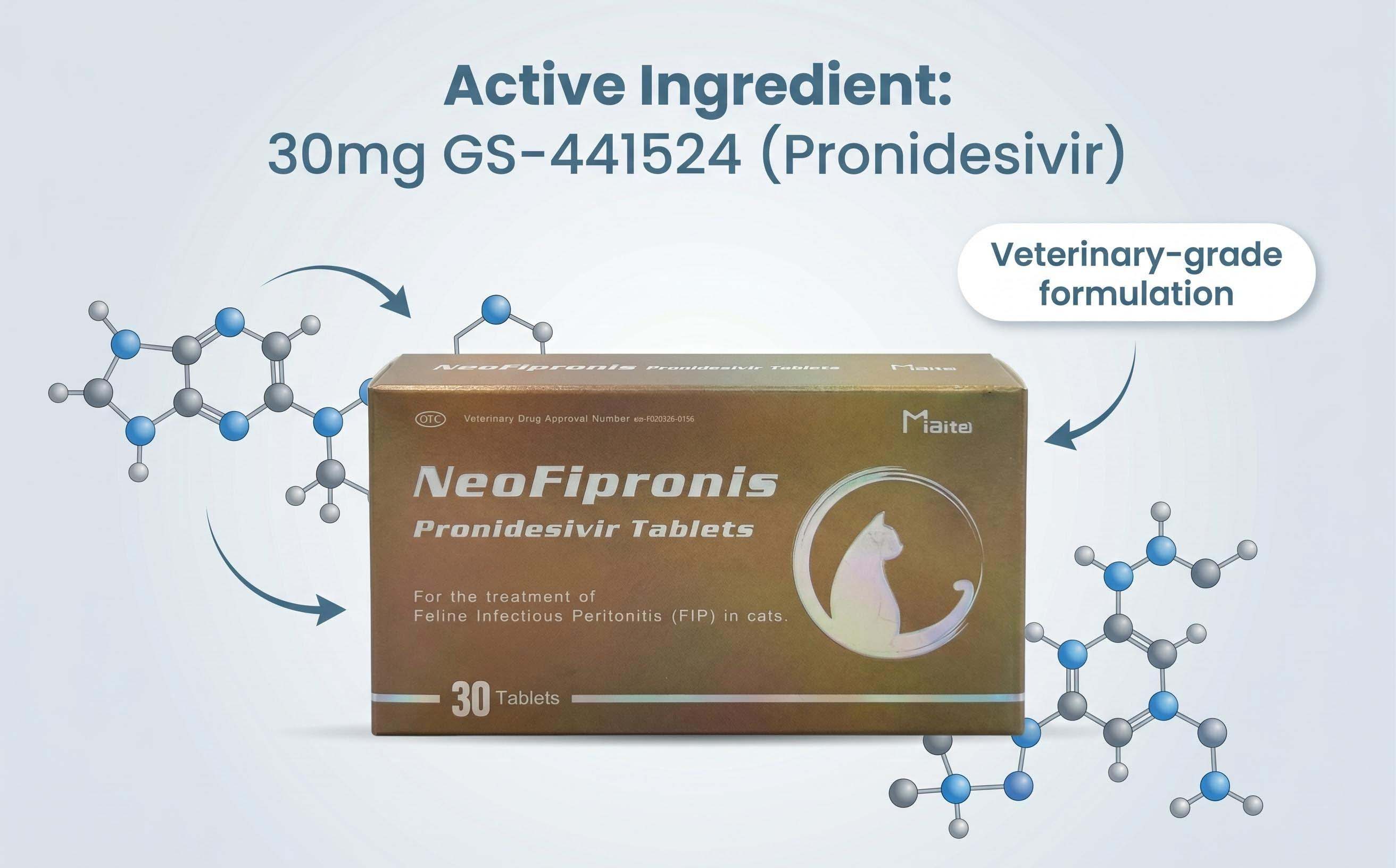
Historically, FIP was considered incurable, with treatment focus limited to supportive care aimed at easing symptoms. However, the advent of antiviral drugs like GS-441524—a nucleoside analog—has revolutionized the outlook. Studies demonstrate that GS-441524 can induce remission in many cases, including some with advanced disease stages.
Despite these promising developments, timing remains crucial. Early treatment initiation often results in higher cure rates. When therapy is started late, the virus might have already caused irreversible organ damage, reducing the likelihood of full recovery. Nevertheless, some cats with advanced FIP, when treated with these antivirals, have shown remarkable improvements, including resolution of fluid accumulation and neurological symptoms.
Factors Affecting Recovery in Late-Stage FIP
Several factors influence whether a cat can recover after late treatment initiation:
Extent of organ damage: If vital organs such as the kidneys, liver, or brain are severely compromised, recovery chances diminish.
Type of FIP: Wet FIP tends to respond better to antiviral therapy compared to dry FIP, which may involve more granulomatous tissue.
Animal’s overall health: Younger cats or those with strong immune responses may respond better even in advanced stages.
Timeliness of intervention: Although treatment has started late, earlier recognition within the late stage can still impact outcomes positively.
Case Reports and Clinical Studies
Recent case reports indicate that some cats treated with GS-441524 after the disease has advanced still exhibit meaningful recovery. Instances include cats with persistent effusions and neurological signs that, following antiviral therapy, showed fluid resorption and improved neurological function.
However, it’s important to acknowledge that not every cat responds favorably. The variability stems from differences in disease severity at treatment onset, immune response, and organ damage extent. While some cats achieve complete remission, others might only experience partial improvement or temporary relief.
Ethical and Practical Considerations
Veterinarians and pet owners must weigh the potential benefits against limitations such as drug availability, cost, and possible side effects. Given the high stakes, early detection and prompt treatment are strongly advocated.
In the context of late treatment initiation, supportive care becomes vital. Nutritional support, anti-inflammatory medication, and fluid therapy can improve quality of life, even if complete recovery remains uncertain.
Future Directions
Ongoing research aims to enhance treatment efficacy and develop diagnostics for earlier detection. Emerging therapies combining antivirals with immune modulators may increase the likelihood of recovery, even in late-stage cases. Additionally, understanding the immune response in individual cats can help tailor treatments to maximize success.
Conclusion
While early treatment initiation offers the best chance for full recovery from FIP, recent advancements suggest that late intervention can still lead to meaningful improvements in some cases. Cats with advanced disease may not always recover completely, but quality of life can often be improved significantly through appropriate therapy. It is essential for pet owners and veterinarians to act swiftly at the first signs of FIP and to consider novel antiviral options even in late stages for the best possible outcome.
References
1. Pedersen, N. C. (2014). An update on feline infectious peritonitis: Importance of the immune response. Veterinary Clinics of North America: Small Animal Practice, 44(3), 469–476.
2. Dodd, E., & Addie, D. (2019). Feline infectious peritonitis: an updated review. Journal of Feline Medicine and Surgery, 21(4), 373–383.
3. Pedersen, N. C., et al. (2019). GS-441524 kills feline coronavirus in vitro and in vivo. Journal of Veterinary Internal Medicine, 33(2), 552–559.
4. Murphy, B. G., et al. (2020). Evaluation of antiviral therapy with GS-441524 for cats with spontaneous FIP. Veterinary Microbiology, 245, 108690.
5. Taeykens, N., et al. (2021). Efficacy and safety of novel antivirals in treating feline infectious peritonitis. Frontiers in Veterinary Science, 8, 679674.