Is Ascites Always Present in FIP

Feline Infectious Peritonitis (FIP) is a devastating disease in cats caused by a mutated feline coronavirus. One of the hallmark clinical signs traditionally associated with FIP is ascites, or the accumulation of fluid in the abdomen. However, emerging research and clinical case studies demonstrate that ascites is not always present in FIP cases. This article explores the clinical manifestations of FIP, highlights the reasons why ascites may or may not be present, and underscores the importance of accurate diagnosis and disease awareness among veterinarians and cat owners.
What Is Feline Infectious Peritonitis (FIP)?
FIP arises from a mutation of feline coronavirus (FCoV) within an individual cat, triggering an immune-mediated response that leads to significant inflammation. While most cats exposed to feline coronavirus experience mild symptoms or remain asymptomatic, a small proportion develop FIP. Understanding FIP requires recognizing that it exists on a spectrum, and clinical presentations can vary widely.
Types of FIP: Wet vs. Dry
FIP is classically divided into two clinical forms: effusive (wet) and non-effusive (dry).
Effusive FIP: This form is characterized by the accumulation of fluid in the chest (pleural effusion), abdomen (ascites), or both. The fluid is typically yellow, high in protein, and sticky. Effusive FIP often develops rapidly and is easier to diagnose because the physical signs—most notably ascites—are apparent during veterinary examination.
Non-Effusive FIP: In this form, fluid accumulation is minimal or absent. Instead, cats present with granulomatous inflammation affecting organs such as the kidneys, liver, eyes, or brain. Symptoms can include neurological deficits, ocular changes, weight loss, and fever. Dry FIP is often misdiagnosed or unrecognized because its symptoms are atypical and less dramatic.
Ascites in Wet FIP
Ascites remains the classic clinical sign of wet FIP, appearing as visible abdominal enlargement. This fluid results from severe vasculitis—leakiness of blood vessels caused by immune complex deposition—and is the direct product of the inflammatory process. Fluid analysis typically reveals high protein content and a low cellular component, but definitive diagnosis requires further investigation.
When Ascites Is Absent: Dry FIP and Atypical Cases
In dry FIP, ascites may not be present at any stage. Instead, cats show signs of localized organ inflammation. The absence of ascites in these cases often complicates the clinical diagnosis, as many veterinarians and cat owners expect abdominal fluid to be a key sign. Lesions can develop in the kidneys, lymph nodes, eyes (uveitis), or central nervous system, manifesting as organ-specific symptoms.
Can Effusive FIP Occur Without Ascites?
Effusive FIP does not always mean abdominal fluid. Some cats develop pleural effusion (fluid in the chest) rather than ascites, leading to respiratory distress rather than abdominal distension. In rare cases, initial presentations might involve minimal fluid that evades detection with routine physical examination. Thus, ascites should not be considered essential in all effusive FIP cases.
Pathophysiology Behind Fluid Accumulation
The mechanism of fluid accumulation in FIP comes down to mutant coronavirus targeting macrophages and triggering uncontrolled inflammatory responses. This leads to vasculitis and increased vascular permeability. The severity, location, and extent of fluid depend on immune system targeting and individual cat response. While abdominal vasculature is commonly involved, some cats manifest inflammation predominantly in other areas.
Diagnosis of FIP: Beyond Ascites Detection
Diagnosing FIP involves clinical suspicion, signalment, history, physical examination, laboratory evaluation, and sometimes advanced imaging or histopathology. While ascites is suspicious, it is not pathognomonic for FIP; other diseases such as heart failure, liver disease, cancers, or bacterial infections can cause similar fluid build-up. The absence of ascites does not exclude FIP.
Laboratory Tests: Bloodwork may reveal high globulins, low albumin:globulin ratio, non-regenerative anemia, and lymphopenia. Coronavirus antibody titers are supportive but not confirmatory.
Effusion Analysis: Fluid from ascites or pleural effusions is typically straw-colored, viscous, and protein-rich.
Imaging: Ultrasound and radiographs can detect fluid in body cavities and organ changes.
PCR and Immunohistochemistry: Molecular testing on tissues or fluids can highlight FIP-associated mutations, though not all labs perform these routinely.
Clinical Cases Illustrating FIP Without Ascites
Recent veterinary case series have demonstrated that 40-50% of FIP presentations involve non-effusive or mixed forms—some with only neurological signs, ocular manifestations, or organ enlargement. Cases exist where cats present with fever of unknown origin, weight loss, or hepatic/renal failure, all without visible abdominal fluid. These cases reinforce the notion that FIP diagnosis should not rest solely on the presence of ascites.
Ascites Variability and FIP Prognosis
Ascites may appear late in the course or remain absent. Some cats initially present with dry FIP and transition to effusive forms, while others never develop fluid. Prognosis does not hinge directly on ascites; rather, it depends upon the extent of systemic involvement, timely diagnosis, and treatment access. FIP was long considered universally fatal, but recent advances in antiviral therapies have significantly improved outcomes.
Why Misconceptions Persist
Ascites is entrenched in public and professional perception as the definitive sign of FIP due to classic textbook descriptions. However, this oversimplification can delay care for cats with atypical (ascites-free) presentations. Education about the broad spectrum of FIP, including dry and mixed forms, can reduce misdiagnosis and improve survival rates.
Clinical Approach to Suspected FIP Without Ascites
Veterinarians should approach cats with chronic fever, weight loss, neurological signs, and eye changes with suspicion for FIP—even in the absence of fluid. Detailed history, consideration of breed and age (young purebred cats are most susceptible), and broad diagnostic workup are essential. Imaging and targeted laboratory tests should complement physical exam findings.
Treatment Advances and Management
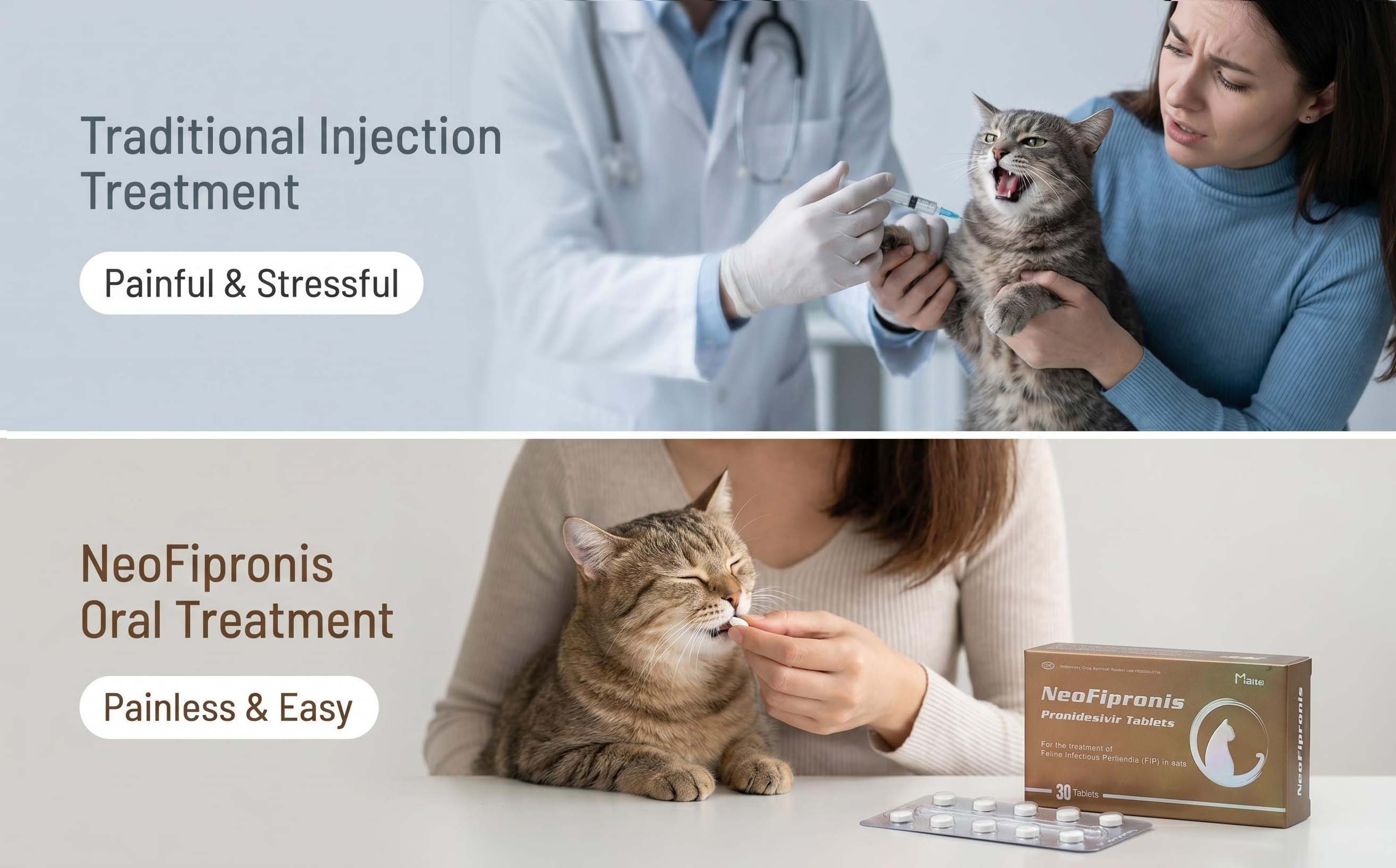
For decades, FIP lacked effective treatments. The recent development of antiviral drugs, such as GS-441524 and related compounds, has transformed the outlook for affected cats. Early intervention can reverse disease course in many cases, regardless of whether ascites is present. Ongoing management should include supportive care for affected organs and monitoring for treatment side effects.
Ascites in Other Conditions: A Diagnostic Pitfall
While ascites is a concerning finding, reliance on it for FIP diagnosis can lead to missed or incorrect diagnoses. Diseases that can mimic FIP with fluid accumulation include heart failure, liver disease (cirrhosis, portal hypertension), lymphatic obstruction, neoplasia (lymphoma, carcinomatosis), peritonitis, and abdominal trauma. Diagnostic confirmation requires correlating fluid findings with other clinical and laboratory evidence.
Importance of Owner Awareness
Misunderstanding FIP’s range of signs, especially ascites’ absence, can cause confusion, missed veterinary visits, or delayed treatment. Owner education, including awareness of subtler signs like lethargy, fever, and neurological deficits, is crucial for early intervention and success.
Implications for Shelter and Multi-Cat Environments
Shelters and breeders must recognize atypical FIP presentations to minimize outbreaks, given the contagious nature of the underlying coronavirus. Isolation procedures, routine monitoring, and prompt veterinary evaluation for symptomatic cats can limit disease spread and hasten treatment delivery.
The Evolving Picture of FIP
Veterinary medicine’s understanding of FIP is rapidly progressing. As case reporting and therapeutic advances grow, it is increasingly clear that ascites is neither required nor omnipresent in FIP. Recognition of non-effusive, mixed, and atypical presentations is critical for protecting feline health.
Conclusion
Ascites remains a significant and diagnostic sign for many FIP cases, notably in the effusive form. However, it is absent in numerous non-effusive and some effusive presentations, underscoring the importance of a holistic and nuanced approach to diagnosis. Ascites should prompt FIP consideration but its absence must never rule out this complex, multi-faceted disease. As research evolves and therapeutics become more effective, early identification and intervention—regardless of ascites—hold the key to feline survival.
References
1. Pedersen, N.C. (2009). "A review of feline infectious peritonitis virus infection: 1963–2008." Journal of Feline Medicine and Surgery, 11(4), 225-258.
2. Kipar, A. & Meli, M.L. (2014). "Feline infectious peritonitis: still an enigma?" Veterinary Pathology, 51(2), 505-526.
3. Taylor, S.S., et al. (2010). "Diagnostic clinical signs and clinical pathology findings in cats with FIP." Journal of Feline Medicine and Surgery, 12(6), 471-477.
4. Addie, D.D., et al. (2020). "Feline infectious peritonitis: ABCD guidelines on prevention and management." Journal of Feline Medicine and Surgery, 22(8), 723-734.
5. Tasker, S. (2018). "Diagnosis of feline infectious peritonitis: Update on immunocytochemistry and molecular diagnostics." Veterinary Pathology, 55(2), 410-415.
6. Fish, E.J., Drobatz, K.J., & Dorman, D.C. (2022). "Clinical presentation and outcome of cats with effusive and non-effusive FIP in North America." Veterinary Record.
7. Felten, S. & Hartmann, K. (2019). "Diagnosis of feline infectious peritonitis: A review." Veterinary Sciences, 6(4), 1-15.