What Additional Costs Are Involved in FIP Treatment
Feline Infectious Peritonitis (FIP) is a complex and life-threatening disease seen in domestic cats, and its diagnosis often brings emotional distress and financial challenges to cat owners in the United States. While the main component of treatment—antiviral medication like GS-441524 or similar drugs—draws significant attention, many additional costs can arise throughout the FIP treatment process. This article explores these costs in detail, discussing the factors that can impact the financial burden and providing practical guidance for pet owners to prepare for a comprehensive care plan.
Introduction to FIP and Its Treatment Landscape
FIP is the result of a mutated feline coronavirus, notorious for its difficulty in diagnosis and historically poor prognosis. In recent years, the emergence of experimental antivirals, especially GS-441524, has changed the course of this disease. However, obtaining this medication is not straightforward in the U.S., involving costs beyond its purchase price. The entire treatment journey, from pre-treatment diagnostics to post-recovery follow-up, is layered with a range of expenses. Understanding the multifaceted financial requirements is crucial for caregivers and veterinarians alike.
1. Diagnostic Expenses
Before FIP treatment begins, confirming a diagnosis is critical. Several diagnostic steps may be involved:
Blood Tests: Biochemistry, complete blood count, and serology to detect specific abnormalities.
Imaging: Radiographs (X-rays) and ultrasounds to observe fluid accumulation or organ involvement.
PCR Testing: Molecular testing for feline coronavirus, especially effusion analysis.
Immunohistochemistry: Tissue biopsy may sometimes be needed.
Each diagnostic tool has a price, variable by location but often totals several hundred dollars. Multiple rounds of testing might be necessary if the cat’s condition evolves.
2. Medication Costs
The price of GS-441524, an experimental antiviral, dominates treatment costs. Factors influencing its cost include:
Source and Legality: In the U.S., GS-441524 isn’t FDA-approved, so some owners rely on overseas suppliers or underground networks, leading to inconsistent pricing.
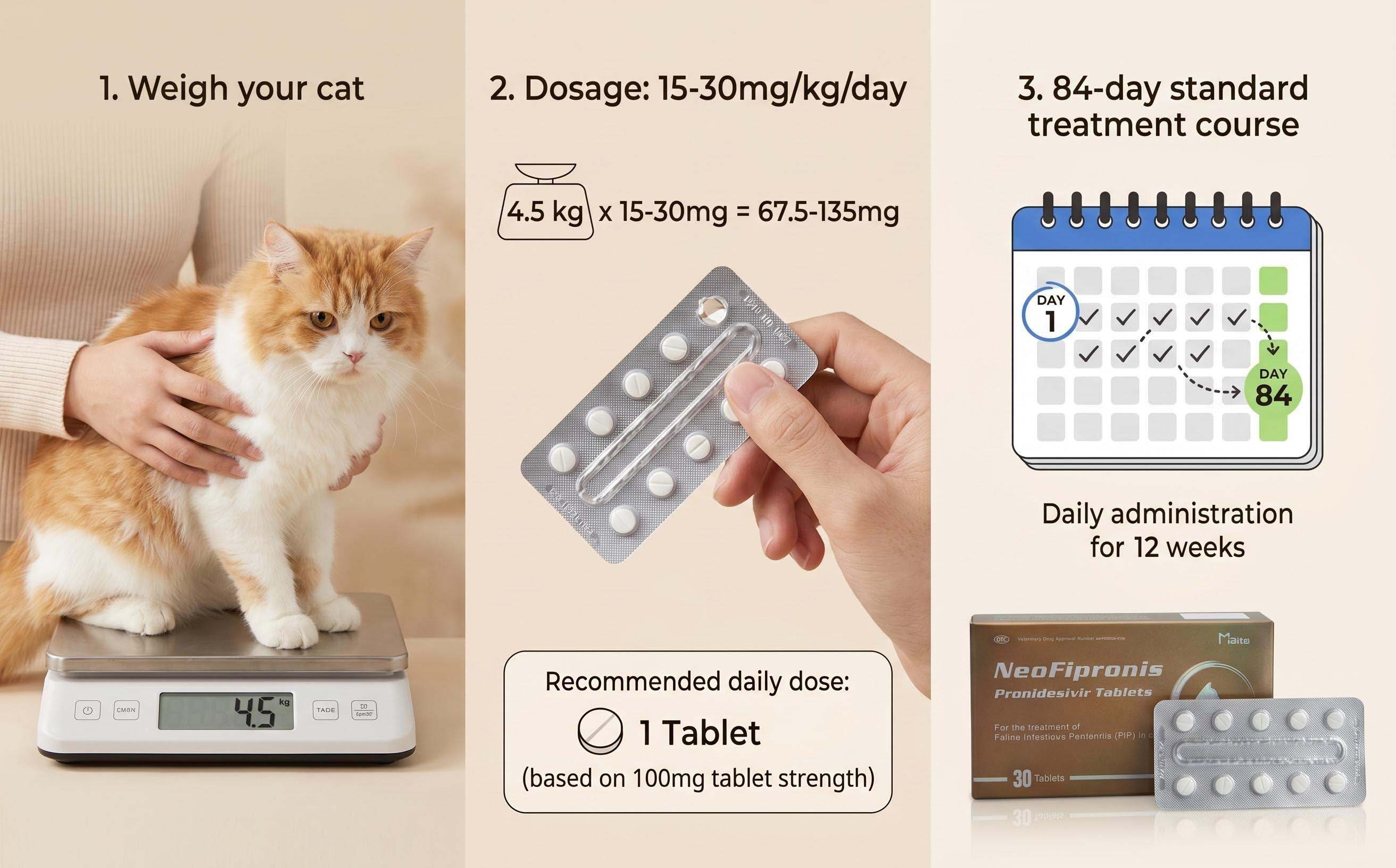
Dosage and Duration: Dosage depends on cat’s weight and severity. Treatments often span 84 days. Additional medications may be required if there is relapse or incomplete remission.
Adjunctive Drugs: Supportive therapies like antibiotics, anti-nausea medications, corticosteroids, and pain relievers may be necessary.
Medication costs, when compounded by supportive drugs, can range from $1,500 to $8,000, depending on treatment duration and cat size.
3. Veterinary Supervision
Treatment is rarely an at-home, unsupervised process. Regular veterinary checkups are essential for monitoring response, detecting adverse effects, and making dose adjustments. Expenses include:
Initial Consultation Fees: Intake and processing, often $50–$150.
Follow-Up Visits: Scheduled at 2–4 week intervals, for physical examination and bloodwork.
Emergency Visits: Unexpected adverse reactions or deterioration may require urgent care.
Routine monitoring can add $500–$2,000 in medical bills through the course of treatment.
4. Supportive Care and Hospitalization
In severe cases—especially wet FIP with abdominal or pleural effusion—cats may require intensive hospitalization. Associated costs include:
IV Fluid Therapy: Hydration and electrolyte correction, sometimes requiring hospitalization.
Nutritional Support: Appetite stimulants, prescription diet, or assisted feeding if the cat refuses food.
Oxygen Therapy: Necessary for cats with breathing difficulties due to pleural effusion.
Pain Management: Injectable or oral pain medications administered daily.
Hospitalization fees can surpass $2,000 for stays of several days or weeks, particularly in referral or specialty facilities.
5. Home Health Supplies
Cats undergoing FIP treatment often need home care supplies, such as:
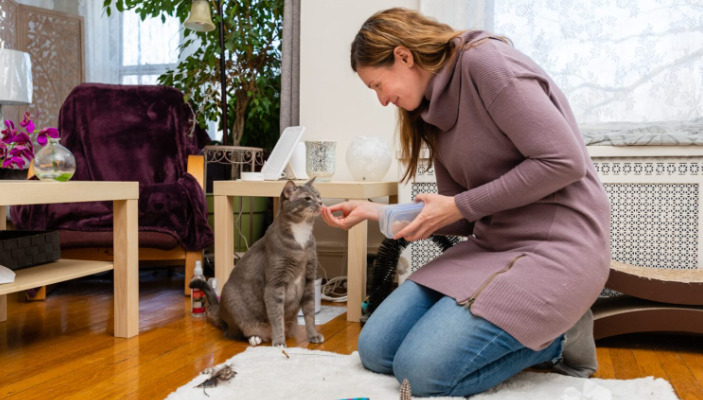
Injection Supplies: Needles, syringes, alcohol pads, and gloves, especially if GS-441524 is administered subcutaneously.
Oral Medication Equipment: Pill pockets, dispensers, or flavor-enhancers to aid administration.
Cleaning Supplies: Disinfectants to ensure a sterile environment and prevent secondary infections.
Veterinary Diets: Prescription food for animals facing nutritional deficits.
These supplies may result in an extra $100-$300 across a treatment course.
6. Laboratory Monitoring
Labs extend beyond initial diagnostics:
Routine Bloodwork: Liver and kidney function, hemograms, and serum protein levels must be monitored periodically.
Specific Biomarkers: Alpha-1 acid glycoprotein, total bilirubin levels, and other inflammation markers may be suggested by specialist veterinarians.
Lab costs can reach, or exceed, $600–$1,200 for recurring panels throughout treatment.
7. Relapse or Extended Treatment Costs
Some cats relapse, or fail to fully respond to initial therapy, requiring:
Prolonged or Repeat Medication: Sometimes another full course of antivirals, or a higher dose, is needed.
Intensified Monitoring: More frequent veterinary visits and lab work.
End-of-Life Care: If treatment fails, palliative interventions such as pain relief and hospice management may be necessary.
Relapse can effectively double overall costs, sometimes causing them to reach $10,000 or more.
8. Time and Logistics
While not a direct monetary expense, time commitment and associated logistics present additional challenges:
Travel Expenses: Frequent trips to specialized veterinary hospitals may accrue transportation and parking fees.
Lost Income: Owners may need to take time off work, representing lost wages.
Coordination Efforts: Securing medication, communicating with suppliers, and handling records can consume significant personal hours.
These indirect costs, while unquantifiable, can add significant pressure.
9. Emotional and Support Resources
FIP is traumatic, and some owners seek emotional support or pet bereavement counseling during or after their cat’s illness. Non-profit FIP support groups, online communities, and counseling services, sometimes for a fee, provide help.
10. Post-Recovery Follow-Up
Once a cat has finished FIP treatment, continued monitoring is recommended for months to ensure no relapse. This includes:
Quarterly Checkups: Physical exams and lab work.
Vaccine Updates: Routine preventive care may be reframed in light of immunosuppression.
Post-recovery costs can add several hundred dollars to the total.
11. Insurance Complications
Pet insurance rarely covers FIP or unlicensed drugs like GS-441524. Owners with comprehensive policies may receive partial reimbursement for diagnostics and certain supportive care, but rarely for medication or experimental therapies. It’s wise for owners to confer with providers before initiating costly treatments.
12. Regional Variations and Specialist Fees
Urban versus rural, or generalist versus specialist veterinarians, charge differently. Large metropolitan areas and feline-only clinics may have higher fees than small-town practices. Some specialty veterinary hospitals may require referral fees or advanced booking for consultations.
13. Financial Aid and Fundraising
In response to high costs, many owners turn to GoFundMe campaigns, FIP support organizations, or local humane societies for financial assistance. Processing and fundraising costs, administrative fees, or legal advice may arise for managing large sums or multiple donors.
Navigating Unexpected Costs
FIP treatment is rarely predictable. Cats can develop new symptoms, adverse drug reactions, or concurrent illnesses, each presenting additional financial requirements:
Adverse Reactions Management: Treating complications, such as skin abscesses, vomiting, or secondary bacterial infections.
Secondary Health Issues: Some cats develop conditions unrelated to FIP, such as cardiac issues or chronic kidney disease, requiring separate expenditure.
Equipment Replacement: If at-home equipment fails or needs upgrades (e.g., better feeding tubes or monitoring devices).
Budgeting Strategies for FIP Treatment
Experienced cat owners often advocate for budgeting 25-50% more than the initial expected cost. Setting aside emergency funds, negotiating with veterinarians, seeking generic supplies from reputable vendors, and collaborating with rescue organizations can ease the financial load.
Considerations for Multi-Cat Households
If multiple cats are diagnosed or exposed, costs multiply. Prophylactic testing, quarantine supplies, and emotional support for the household can compound financial expectations. Discounts may be available for some services with multiple cats, but medication costs will rise.
Caregiver Mental Health
Stress-related disorders, sleep interruptions, and burnout are common among cat owners managing FIP treatment, sometimes necessitating therapy or medical support—an overlooked expense in many budgets.
Conclusion
FIP treatment in cats is transformative, sparing lives once considered lost. Yet, financial implications extend far beyond the price of antiviral medication. Diagnostic procedures, follow-up care, supportive therapies, home care supplies, and unforeseen complications collectively shape a landscape that every pet owner should appreciate before undertaking this journey. Understanding the breadth and nuance of associated costs can empower owners to make informed choices, seek timely resources, and optimize the quality of care during a challenging period.
References
1. Addie, D. D., et al. (2020). Feline Infectious Peritonitis: What We Know Then and Now. Veterinary Clinics of North America: Small Animal Practice, 50(4), 1001-1016.
2. Pedersen, N. C. (2019). The Management of Feline Infectious Peritonitis: Recent Advances. Journal of Feline Medicine and Surgery, 21(7), 623–631.
3. Murphy, B. G., et al. (2021). The Cost, Accessibility, and Ethics of GS-441524 Treatment for FIP in the United States. Veterinary Sciences, 8(2), 34.
4. U.S. Food & Drug Administration. (2022). FDA Warns About Unapproved Products for Treating FIP. Retrieved from https://www.fda.gov
5. FIP Warriors USA. (2023). FIP Treatment Resources and Cost Analysis. Retrieved from https://fipwarriorsusa.com
6. American Veterinary Medical Association. (2024). Cost Estimates for Advanced Veterinary Care. Retrieved from https://www.avma.org
7. Hartmann, K. (2020). Feline Infectious Peritonitis: Recent Developments in Understanding and Management. Veterinary Journal, 252, 105370.
8. Riemer, F., et al. (2016). Feline Infectious Peritonitis: Diagnostics and Pathogenesis. Veterinary Pathology, 53(4), 785–796.
9. Stone, M. (2023). Financial Implications of Feline Infectious Peritonitis Management. Compendium, 45(6), 13-20.