Can Behavioral Changes Be an Early Sign of FIP
Feline Infectious Peritonitis (FIP) is a distressing and often fatal disease that affects domestic cats worldwide. Caused by a mutation of the relatively benign feline coronavirus (FCoV), FIP can present in various clinical forms, creating significant challenges for veterinary professionals and cat owners alike. While classic symptoms of FIP such as abdominal effusion or neurological signs are well-documented, many owners first notice subtler changes: their cat just "isn’t quite itself." This observation raises a critical question: Can behavioral changes, often overlooked, serve as early warning signs of FIP? Understanding this relationship may improve early detection and outcomes for affected cats.
Background: The Nature of FIP and FCoV
Most cats exposed to feline coronavirus will never develop FIP—many experience mild or no symptoms. However, in a minority of cases, the virus mutates within the body, becoming an aggressive form that can trigger FIP. FIP's wide array of clinical presentations—from wet (effusive) to dry (non-effusive), from ocular to neurological—reflects the complexity of the disease. This complexity is compounded by the relative non-specificity of early symptoms, making timely diagnosis especially difficult.
Behavioral Changes in Cats: What to Look For
Cats are masters at hiding illness. Unlike dogs or other companion animals who might whine or pace when unwell, cats often alter their behavior subtly in response to sickness. Early behavioral signs potentially linked to FIP may include:
Decreased activity or unusual lethargy
Withdrawal from social interactions, hiding more frequently
Reduced interest in play or exploration
Alterations in grooming routines, either neglecting cleanliness or obsessively overgrooming
Changes in litter box habits, including avoidance or inappropriate elimination
Many of these signs are not unique to FIP but are red flags that something is amiss in a cat’s health.
How FIP Might Demonstrate in Early Behavioral Changes
While the precise cause of behavioral shifts in cats with early-stage FIP is not fully understood, several mechanisms have been proposed:
1. Inflammation and Immune Response: As FIP develops, a systemic inflammatory response affects various organs. This can cause malaise, fatigue, and discomfort, prompting the cat to withdraw and rest more.
2. Pain or Discomfort: FIP can result in abdominal pain, joint pain, or headaches (in neurological cases). Pain may lead cats to move less, hide, or become irritable.
3. Fever: Persistent low-grade fever, common in early FIP, often contributes to lethargy and reduced interaction.
4. Altered Brain Function: Neurological FIP impacts the central nervous system, resulting in not only movement abnormalities but also confusion, altered temperament, or even aggression.
Behavioral changes in these contexts may surface days to weeks before more recognizable clinical symptoms. Cat owners often report "something isn’t right," noticing their previously energetic pet becoming withdrawn or passive.
Distinguishing FIP from Other Diseases Based on Behavior
Many feline diseases produce behavioral changes, such as chronic kidney disease, diabetes, dental issues, or other viral infections (FeLV, FIV). Distinguishing FIP from these relies on a holistic assessment:
Consider the age of the cat. FIP most often affects young cats under two years of age.
Assess environmental factors—multi-cat households, recent stressors, or rehoming increase FIP risk.
Observe for additional symptoms: weight loss, inappetence, fever, jaundice, or breathing difficulties may accompany behavioral changes as FIP progresses.
Clinicians emphasize that behavioral changes alone are rarely diagnostic but can be an important clue in a broader puzzle, prompting timely diagnostic testing.
Case Examples: Early FIP and Behavior
Veterinary case reports have described cats whose only initial sign was reduced playfulness or increased hiding, sometimes weeks before overt clinical symptoms. In one case, a one-year-old Maine Coon gradually became less interactive and started sleeping in isolated spots, preceding the onset of fever and abdominal swelling. Such anecdotes underscore the value of attuned owners and the need to take behavioral changes seriously.
Diagnostic Pathways: The Role of Behavior in FIP Workup
Upon presentation of behavioral changes, veterinarians typically advise:
1. Comprehensive Physical Exam: Searching for subtle clinical findings (lymph node enlargement, abdominal tenderness).
2. Lab Testing: Bloodwork (CBC, serum biochemistry), markers of inflammation.
3. Imaging: Ultrasound, radiographs to identify hidden effusions or masses.
4. Specific FIP Tests: PCR tests, antibody titers, analysis of body fluids if present.
While behavioral changes are not definitive, their presence often prompts a cascade of investigations that may expedite diagnosis—potentially allowing earlier intervention.
Treatment Advances and the Impact of Early Detection
Historically, FIP was considered universally fatal, relegating behavioral changes to post-mortem anecdote. With the advent of antiviral drugs, especially nucleoside analogs like GS-441524, early identification and treatment matter more than ever. Cats whose owners recognize and act on abnormal behavior—diminished play, withdrawal, or hiding—may receive care at a stage where therapeutic interventions are most effective. Early behavioral clues can prompt lifesaving action.
Behavioral Observations: What Owners Should Document
Recognizing subtle shifts relies on attentive ownership. Experts recommend keeping a log of a cat’s daily activity, play habits, eating patterns, and interactions. Changes should be documented with dates and context:
"On Monday, Luna hid under the bed all afternoon, did not come for treats."
"Tommy refuses to play with toys he usually loves, seems indifferent."
"Whiskers sleeps far more than usual, avoiding cuddling, no interest in food."
Such notes are invaluable to veterinarians, helping them piece together a timeline and assess the urgency for diagnostics.
Behavioral Changes and Cat Welfare in Shelters and Catteries
FIP risk is elevated in environments with high feline density. Behavioral monitoring in shelters is essential—cats displaying early signs of withdrawal or lethargy may need isolation and observation. In group settings, these signs can serve as early flags for disease outbreak, allowing for immediate interventions to prevent spread.
Genetic and Environmental Factors: Why Some Cats Show Early Behavioral Signs
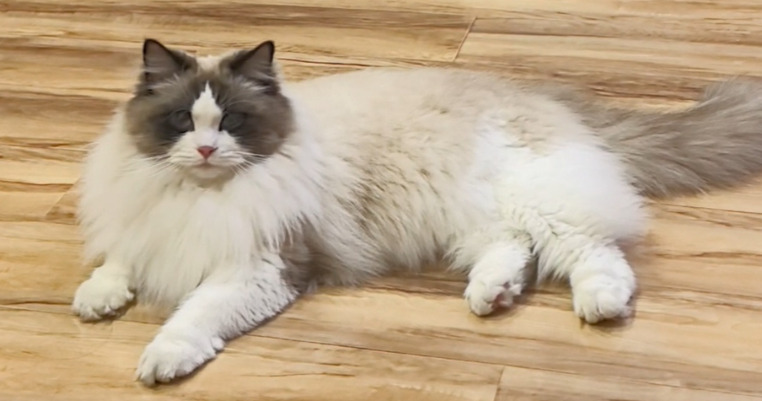
Certain breeds (Birmans, Bengals, Ragdolls) are more susceptible to FIP. Behavioral changes may be more pronounced in breeds with strong human bonds or those prone to anxiety. Environmental stresses—recent rehoming, introduction of new cats, major household changes—can exacerbate both FIP risk and behavioral disturbances.
Behavior as a Window into Disease: The Neurobehavioral Connection
Emerging research links cytokine-mediated systemic inflammation to neurobehavioral symptoms in cats. Elevated cytokines may disrupt normal brain function, altering mood, activity, and social behavior—potentially explaining why some cats display “depression” as an early FIP sign.
Limitations and Pitfalls
Interpreting behavioral changes remains challenging. Not every withdrawn or sleeping cat has FIP, and not every FIP case starts with behavioral signs. Owners must balance vigilance with perspective, consulting veterinarians before making conclusions.
Future Directions: Integrating Behavioral Science and Veterinary Medicine
Novel approaches utilizing AI-driven behavior monitoring, wearable devices, and video analysis promise more objective assessments. As understanding grows, subtle behavioral signs may serve as formal diagnostic criteria, empowering earlier intervention against FIP.
Practical Recommendations for Cat Owners and Professionals
Trust your instincts: If your cat “isn’t itself,” monitor, record, and consult early.
Seek veterinary advice if behavioral changes persist more than several days, especially in high-risk cats.
Recognize the value of subtle signs in speeding up diagnostic tests and potential treatments.
References
1. Pedersen, N.C. "Feline Infectious Peritonitis: Literature Review and Update." Veterinary Pathology, 2020.
2. Kipar, A. & Meli, M.L. "Feline Infectious Peritonitis: A Review of Pathogenesis and Pathology." Veterinary Journal, 2014.
3. Addie, D.D. & Jarrett, O. "Feline Coronavirus Infections." Infectious Disease Clinics of North America: Feline Infectious Peritonitis, 1995.
4. Hartmann, K. "Feline Infectious Peritonitis." Veterinary Clinics of North America: Small Animal Practice, 2005.
5. Norris, J.M. et al. "Clinicopathological Features and Epidemiology of Feline Infectious Peritonitis in Sydney, Australia." Australian Veterinary Journal, 2005.
6. Felten, S. & Hartmann, K. "Diagnosis of Feline Infectious Peritonitis: A Review of Current Literature." Viruses, 2019.
7. Rissi, D.R. "A Retrospective Study of the Neuropathology and Diagnosis of Feline Infectious Peritonitis (FIP)." Journal of Feline Medicine and Surgery, 2018.
8. Dempsey, S.M. & Ewing, P.J. "Feline Infectious Peritonitis: Diagnosis and Treatment." Compendium: Continuing Education for Veterinarians, 2011.